

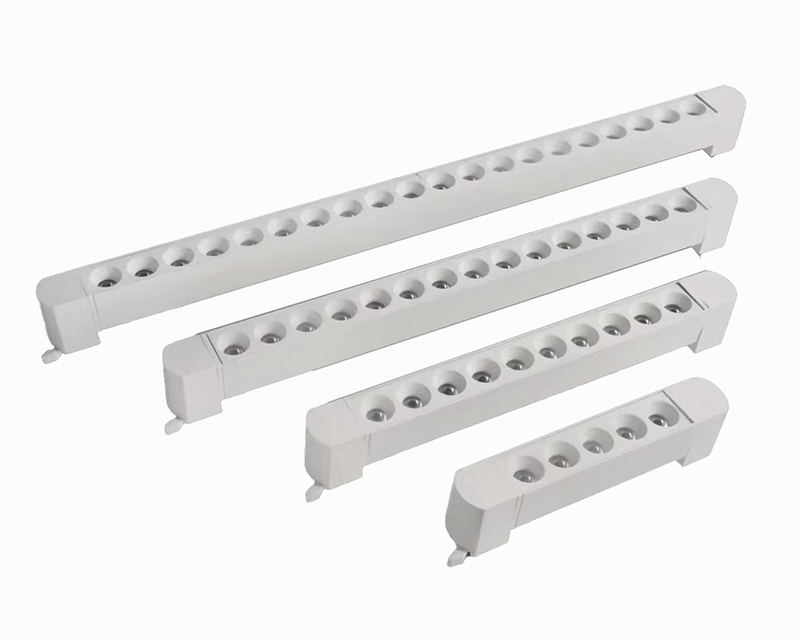
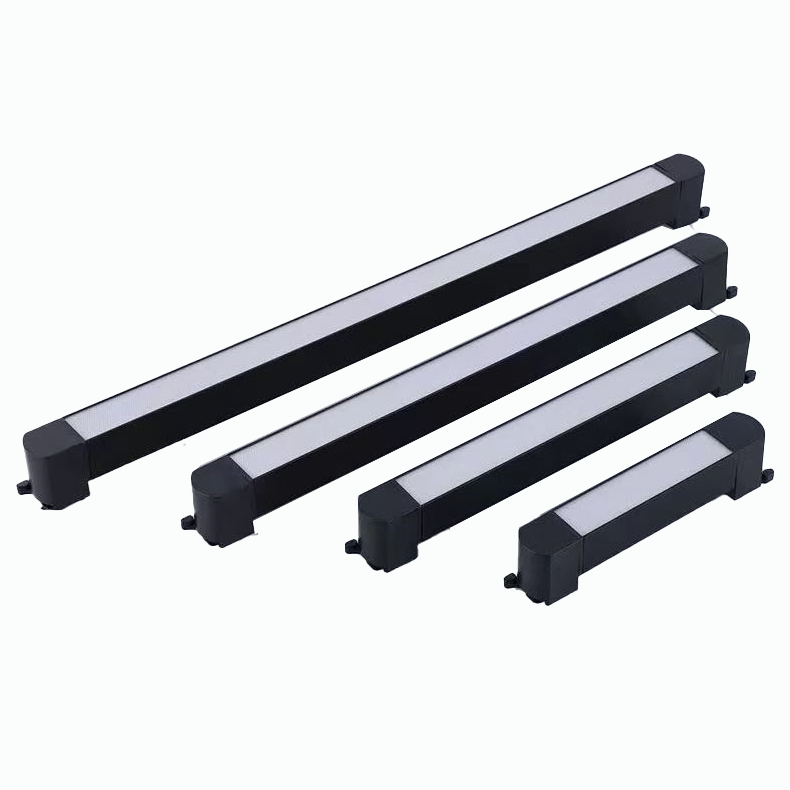
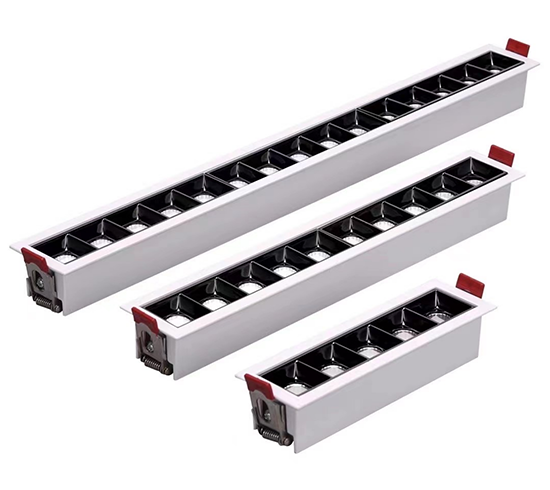
An excellent lighting design elevates a space beyond simple illumination. It creates mood, highlights features, and supports daily activities. Many modern interiors, however, suffer from uninspired lighting. Standard led panel lights often produce a flat, uniform brightness. This approach can make a room feel sterile and one-dimensional. The result is a missed opportunity for dynamic and engaging design.
Superior lighting options exist to meet modern lighting needs. A skilled LED Panel Light Manufacturer knows that different led light fixtures serve unique purposes. Alternatives like track lights, downlights, and linear led profiles offer greater flexibility. These choices provide focused, layered lighting that can completely transform an environment. They empower designers and homeowners to craft a space that is both functional and beautiful. Many led light manufacturers now offer a wide range of these advanced led solutions.
Why Look Beyond Standard LED Panel Lights?
While practical for general illumination, standard led panel lights often fall short of creating truly exceptional environments. Their limitations in flexibility and aesthetics prompt a search for more sophisticated lighting solutions. Understanding these drawbacks is the first step toward a superior lighting design.
The Drawbacks of Flat Panel Lighting
Flat panel fixtures typically deliver a single, uniform sheet of light. This approach can create several visual and ergonomic problems. Occupants in spaces lit only by overhead panels often report discomfort.
Harsh and Clinical Feel: Many panels use cool color temperatures (5000K+), which can feel sterile and lead to eye strain.
Glare and Reflections: The broad, unshielded surface of a panel can cause veiling reflections on screens and glossy desks, reducing visibility and causing fatigue.
Poor Modeling: Uniform overhead light often creates harsh shadows under a person's eyes and chin, an effect that makes people appear tired.
Health and Focus Issues: Poorly placed or overly bright led fixtures can contribute to headaches, disrupt focus, and even interrupt natural circadian rhythms.
The Need for Layered and Dynamic Light
A successful lighting scheme relies on more than just one source. Layered lighting introduces depth and dimension, transforming a flat space into an engaging one. Studies show people are naturally drawn to environments with a contrast between bright and dim areas. Uniform brightness, in contrast, evokes little interest. A dynamic lighting plan offers the flexibility to change a room's mood. Different layers can be adjusted independently, creating a comfortable and welcoming atmosphere for any occasion. This adaptability is something a single type of fixture cannot achieve.
Enhancing Modern Interior Aesthetics
Modern interior design emphasizes clean lines, texture, and focal points. The right lighting is crucial for highlighting these elements. Generic panels often detract from the aesthetic, creating a monotonous "sea of fixtures" on the ceiling. Alternative led options, however, integrate directly into the architecture. They can become a deliberate part of the design, drawing the eye to features, creating visual pathways, or adding a touch of drama. This strategic use of light elevates an interior from simply being lit to being thoughtfully composed.
Exploring Better Alternatives to Panel Lights
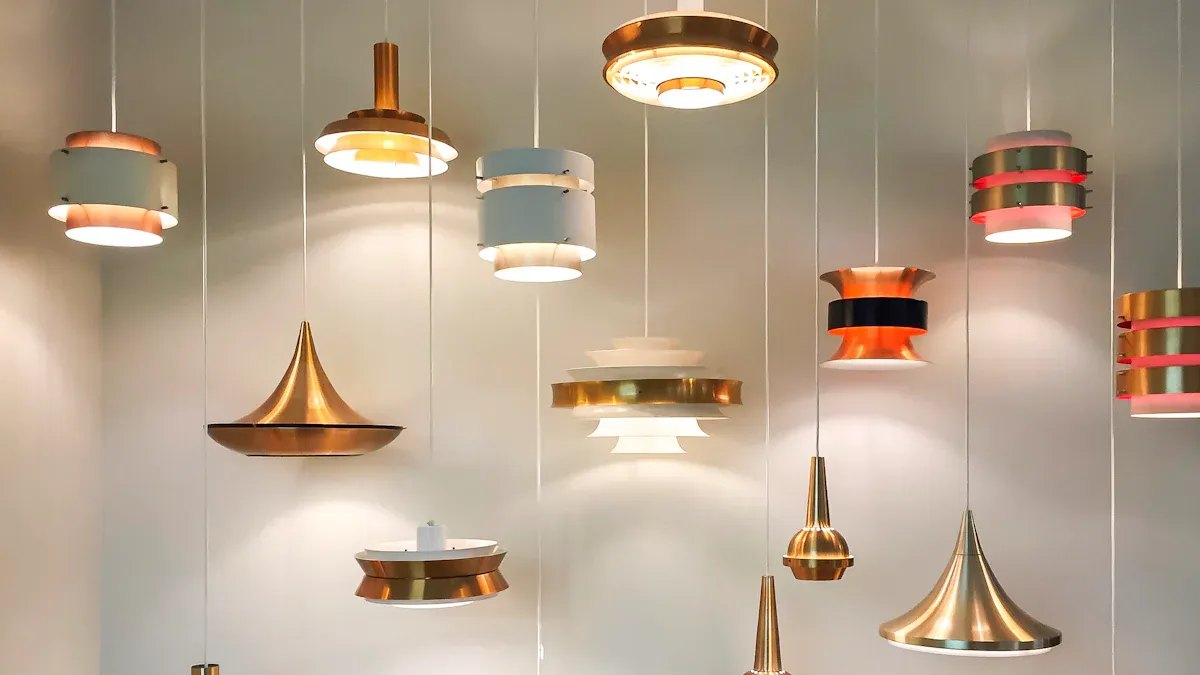
Moving beyond the limitations of standard led panel lights opens up a world of dynamic and aesthetically pleasing lighting solutions. These better alternatives to panel lights empower designers to sculpt with light, creating environments that are both functional and visually compelling. Exploring these options reveals how tailored illumination can redefine a modern space.
1. Magnetic Track Lighting Systems
Magnetic track lighting represents the pinnacle of adaptable lighting. This innovative system uses magnets to secure integrated led light fixtures into a powered track, offering unparalleled freedom to reconfigure a layout instantly.
Ultimate Modularity and Flexibility
The primary benefit of a magnetic system is its unmatched flexibility. Users can add, remove, or slide fixtures along the track without tools or rewiring. This makes it an ideal solution for dynamic environments.
Retail Stores: Retailers can easily adjust light placement to highlight seasonal displays or new product arrivals.
Art Galleries: Curators can reposition spotlights with precision as exhibits change, ensuring each artwork receives perfect illumination.
A wide variety of LED modules, including spots, pendants, and linears, allows for diverse combinations. This modularity enables a mix of ambient, task, and accent lighting from a single track system.
Sleek, Minimalist Design
Magnetic track systems offer a clean and elegant aesthetic. The tracks can be surface-mounted, recessed, or suspended, integrating seamlessly into the ceiling or wall architecture. This minimalist design keeps the focus on the illuminated space, not the hardware, enhancing modern interiors without adding visual clutter.
Installation and Cost Considerations
Installation involves mounting the track and connecting it to a power source. Power input modules, available in various shapes like straight and corner connectors, simplify the process of energizing the rails. While the initial cost is typically higher than traditional systems, the long-term value is significant. The tool-free adjustability reduces future labor costs for reconfiguring the lighting, making it a wise investment for spaces that evolve.
2. Recessed Downlights (COB & Twin Head)
Recessed downlights offer a sophisticated way to light a space from a nearly invisible source. They are installed directly into the ceiling, providing a clean look that complements minimalist and contemporary interiors.
Creating a Clean, Uncluttered Ceiling
The greatest aesthetic advantage of a recessed downlight is its ability to disappear. By mounting flush with the ceiling plane, these fixtures eliminate the visual weight of surface-mounted lights. This creates an uncluttered ceiling, making rooms feel larger and more open. Using recessed integrated led fixtures ensures a cohesive and streamlined appearance.
Focused Light for Ambiance and Tasks
Recessed downlights excel at providing focused, high-quality light. Chip-on-Board (COB) technology, in particular, offers distinct advantages over older Surface-Mount Device (SMD) LEDs.
COB vs. SMD Light Quality A COB downlight uses a single, concentrated light source. This produces a clean, uniform beam with a single, crisp shadow, similar to natural sunlight. In contrast, SMD fixtures use multiple small LEDs, which can create multiple, softer shadows and a less uniform field of light. COB integrated led light fixtures also typically have a higher Color Rendering Index (CRI), making colors appear more vibrant and true-to-life.
This focused beam is perfect for creating pools of light over seating areas or for targeted task lighting over countertops. For ambient lighting, a wider beam angle of 60°-120° is effective. For task lighting, a narrower beam of less than 40° provides the necessary intensity.
Installation and Ceiling Requirements
Proper installation is critical for recessed downlights. They require adequate clearance above the ceiling for the housing and heat sink. The ceiling material must also be suitable for cutting precise holes. Installers must consider insulation type, joist locations, and electrical wiring access, often making this a job for a professional.
3. Standard Track Lighting
Standard track lighting remains a popular and practical choice for many applications. It offers a balance of adjustability, performance, and affordability that makes it a versatile tool for residential and commercial projects.
A Versatile and Cost-Effective Choice
Compared to magnetic systems, a traditional integrated led track lighting system is generally more affordable. This price advantage makes it an accessible option for those on a budget. Its versatility is proven in numerous home applications:
Room | Application of Track Lighting |
|---|---|
Living Room | Provides layered light levels for different activities. |
Hallway | Brightens pathways and accents architectural features. |
Home Office | Delivers targeted task lighting to reduce eye strain. |
Dining Area | Sets a sophisticated ambiance over a table. |
Adjustable Heads for Accent Lighting
Like its magnetic counterpart, standard track lighting allows users to aim each light head independently. This adjustability is perfect for accent lighting—drawing attention to artwork, architectural details, or display shelves. The ability to change the direction of light provides flexibility as the room's layout or decor changes over time. These integrated led light fixtures come in many styles and beam options.
Understanding the Visual Hardware
One key difference from recessed options is that the track and fixtures are fully visible. This hardware becomes part of the room's design. While modern track systems offer sleek and attractive options, the visual presence is more pronounced than that of a recessed downlight or a flush-mounted magnetic track. The choice between these lighting options often comes down to this aesthetic preference for a clean ceiling versus visible, functional hardware.
4. LED Profile Lights (Linear Lighting)
LED profile lights, also known as linear lighting, offer the ultimate fusion of light and architecture. These systems consist of an aluminum channel, an LED strip, and a diffuser lens. They allow designers to draw with light, creating clean, uninterrupted lines that can define spaces, highlight structural elements, or provide elegant ambient illumination.
Seamless Architectural Integration
The primary strength of LED profile lighting is its ability to become one with the building's surfaces. Unlike standalone fixtures, these profiles are designed to be recessed into walls, ceilings, and even floors for a completely flush and seamless appearance. This integration elevates the entire architectural design.
Note: Advanced profiles can make the fixture itself completely invisible. Some systems, like the KLUŚ LIT-L profile, conceal all aluminum components under plaster. This makes the light appear to emanate directly from a clean gap in the wall or ceiling. Other specialized profiles can illuminate niches or create glowing frames along drywall edges.
This deep integration enables sophisticated and dynamic lighting solutions.
High-Impact Venues: The New York Stock Exchange uses a custom backlighting solution with advanced LED fixtures for uniform, glare-free illumination that highlights its iconic architecture.
Luxury Hospitality: The Mondrian Hotel features a sophisticated backlighting design that complements its aesthetic. Dynamic elements adjust the mood, shifting from bright morning light to warm evening tones in public areas.
Smart Control: These integrated led light fixtures often connect to intelligent systems. They can adjust color and intensity based on the time of day or occupancy, enhancing both comfort and energy efficiency.
Creating Lines of Ambient Light
LED profiles excel at producing soft, diffuse, and continuous lines of light. The diffuser smooths the output from the individual LED diodes, preventing hotspots and creating a uniform glow. This effect is ideal for establishing a base layer of ambient lighting that is both comfortable and visually striking. The choice of color temperature is critical for setting the right mood.
Common color temperature options include:
Warm White (2700K-3000K): This mimics the soft glow of incandescent bulbs. It is perfect for creating a cozy, inviting atmosphere in bedrooms and dining rooms.
Neutral White (3500K-4000K): A balanced, clean light that works well for general use in spaces like kitchens and bathrooms.
Cool White (5000K+): This bright, crisp light resembles natural daylight. It enhances focus and is best suited for workspaces, garages, and industrial zones.
The Need for Custom Installation
Achieving a seamless look with LED profiles requires meticulous planning and professional installation. These are not off-the-shelf solutions. The process often involves cutting precise channels into drywall, plastering over the fixture's housing, and careful wiring. The custom nature of these integrated led light fixtures means they must be considered early in the construction or renovation process. While the installation is more complex and costly than other lighting types, the result is a truly bespoke and high-end feature that adds significant value and sophistication to a modern interior.
Specialized Lighting Solutions for Specific Needs
Beyond general illumination, certain environments have unique lighting needs that demand specialized fixtures. These advanced options provide targeted control, superior light quality, and dynamic functionality that standard panels cannot match. Exploring these solutions reveals how the right tool can solve specific design challenges.
5. 360-Degree Adjustable COB Lights
The 360-degree adjustable COB light is a master of precision. This fixture combines a powerful Chip-on-Board (COB) LED source with a highly flexible gimbal or rotating mechanism, offering complete directional control.
Unmatched Directional Flexibility
These integrated led light fixtures can be aimed in any direction—horizontally and vertically. This allows users to direct a focused beam of light exactly where it is needed, even after installation. The mechanism allows for full rotation and significant tilting, making it possible to highlight objects on walls, floors, or angled surfaces from a single ceiling position. This adaptability makes the 360-degree adjustable COB a powerful problem-solver in complex spaces.
Precision Highlighting for Features
The primary function of a 360-degree adjustable COB light is accenting. Its ability to deliver a precise, high-quality beam makes it ideal for drawing attention to specific features without spilling light into surrounding areas. This level of control is critical in many commercial and residential settings.
Museums and Galleries: Curators use them for the conservation-safe lighting of fragile artworks and for highlighting sculptures from any angle.
Retail and Boutiques: Store owners can spotlight new merchandise or create dramatic displays in shop windows.
Private Collections: Homeowners can perfectly illuminate canvases of various sizes or prized possessions.
Hospitality: Hotels and cafes create focused pools of light over tables or architectural details.
Cost Per Fixture Analysis
While the initial cost per fixture is higher than for fixed options, the 360-degree adjustable COB offers exceptional long-term value. The investment is justified by robust engineering and premium components. Many high-end LED corn bulbs used in these systems are rated for over 150,000 hours of use. The mechanical parts often feature solid cast aluminum and stainless steel hardware, ensuring durability. This longevity, backed by warranties that can range from five years to a lifetime, minimizes replacement and maintenance costs over the building's life.
6. Stretchable (Pull-Down) LED Downlights
Stretchable, or pull-down, LED downlights offer a clever two-in-one solution. They sit flush with the ceiling for general ambient lighting but can be pulled down and aimed like a spotlight for focused task lighting.
Dual-Function Ambient and Task Lighting
This fixture's design provides unmatched versatility. When recessed, it functions as a standard downlight, contributing to the room's overall ambient light layer. When a user needs focused light, they can simply pull the central barrel down from its housing. The extended fixture then pivots, transforming into an adjustable spotlight. This dual functionality makes it one of the most adaptable lighting options available.
Ideal for Multi-Use Surfaces
The pull-down downlight excels in spaces where surfaces serve multiple purposes. A kitchen island, for example, may be used for food preparation (requiring bright task lighting) and later for casual dining (requiring softer ambient light). Similarly, a home office desk or a studio worktable benefits from the ability to switch between broad illumination and intense, directed light. This fixture adapts to the user's activity, not the other way around.
Mechanical Complexity and Durability
The primary consideration for a stretchable downlight is its mechanical construction. The pull-down and pivot mechanism involves moving parts that must withstand repeated use. High-quality models feature durable retracting systems and strong materials to ensure a long operational life. Cheaper alternatives may suffer from wear over time, leading to sagging or a loss of positional stability. Buyers should prioritize models from reputable manufacturers to ensure reliability.
7. Fixed COB Downlights
Fixed COB downlights are the workhorses of high-quality architectural lighting. They provide a powerful, clean beam of light from a discreet source embedded in the ceiling. While they lack adjustability, they excel in delivering superior illumination.
Powerful, High-Quality Light Output
Fixed COB integrated led light fixtures are prized for their exceptional light quality. The single COB LED source produces a clean, crisp shadow, unlike the multiple, fuzzy shadows created by many SMD LED panels. More importantly, they offer a significantly higher Color Rendering Index (CRI), which measures how accurately a light source reveals the true colors of objects.
LED Chip Type | Typical CRI Range |
|---|---|
SMD (in standard panels) | 70–80 |
COB (in quality downlights) | Above 90 (up to 97) |
This high-fidelity light makes everything from food to furniture to artwork appear more vibrant and natural.
Best Use Cases for High Ceilings
The powerful output of a fixed COB downlight makes it an excellent choice for rooms with high ceilings, such as lobbies, atriums, and great rooms. To ensure even coverage in these spaces, proper spacing is crucial.
Pro Tip: Spacing High-Ceiling Downlights A common rule of thumb is to space fixtures at a distance equal to half the ceiling height. For a 12-foot ceiling, this means placing each downlight 6 feet apart. For a more precise calculation, professionals use the manufacturer's Spacing Criteria (SC) value, multiplying it by the mounting height to determine the optimal distance between fixtures.
Installers should also maintain a distance from walls that is roughly half the spacing between each downlight. This practice prevents dark spots near the room's perimeter and ensures uniform illumination across the entire floor.
Managing Potential Glare
A powerful light source can create uncomfortable glare if not properly managed. The best integrated led light fixtures address this with smart design. Look for a downlight with a deep-set LED, where the light source is recessed far into the fixture housing. This design, known as a deep baffle, cuts off the light at a sharp angle, shielding it from the viewer's direct line of sight. Additional options like anti-glare lenses or honeycomb louvers can further soften the output for maximum visual comfort.
Quick Comparison: LED Panel Lights vs. Modern Alternatives
Choosing the right fixture requires understanding the fundamental differences between standard options and modern alternatives. This quick comparison highlights the key trade-offs in flexibility, aesthetics, and light quality.
Flexibility and Adjustability
Flexibility determines how well a lighting system can adapt to changing needs. Standard led panel lights offer a fixed, static solution. Modern alternatives provide dynamic control.
Feature | Modern Alternatives (Track, Adjustable Downlights) | |
|---|---|---|
Directional Control | None. Light is fixed downward. | High. Fixtures can be aimed and repositioned. |
Layout Changes | Requires rewiring and ceiling work. | Easy. Fixtures can be moved or changed on a track. |
Functionality | General illumination only. | Supports ambient, task, and accent lighting. |
This table shows a clear advantage for modern systems. They empower users to modify their lighting without needing an electrician for every small adjustment.
Aesthetics and Design Impact
Lighting fixtures are integral components of interior design. Their visual presence can either enhance or detract from a space's overall aesthetic.
Modern alternatives treat lighting as a design element. Recessed downlights create a clean, minimalist ceiling. LED profile lights integrate seamlessly into architecture. Track systems add a functional, industrial-chic look. These options offer deliberate style choices.
In contrast, a ceiling filled with flat panels often creates a monotonous, corporate look. The hardware itself rarely adds positive visual interest. A thoughtful design considers how fixtures appear both when they are on and off.
Light Quality and Ambiance
The quality of light directly affects a room's atmosphere and the appearance of objects within it. Modern led fixtures prioritize superior light quality.
Light Source: Alternatives like COB downlights use a single-point source. This creates crisp, singular shadows similar to natural light. Panels use many small led diodes, which can produce multiple, soft shadows and a less focused beam.
Glare Control: High-quality downlights and spotlights use deep baffles and specialized lenses to shield the light source from view, maximizing visual comfort.
Color Rendering: Modern led solutions typically boast a high Color Rendering Index (CRI) of 90+. This makes colors appear vibrant and true. This level of quality is essential for creating a rich and inviting ambiance.
Ultimately, modern lighting provides the tools to sculpt a space with light, creating depth, focus, and mood in a way that flat, uniform illumination cannot.
Installation Complexity
The ease of installation varies significantly between fixture types. This factor often influences project timelines and labor costs. Standard led panel lights are designed for rapid deployment, especially in commercial spaces with suspended grid ceilings. An installer can typically place and connect these fixtures quickly with minimal specialized tools.
Modern alternatives demand more planning and precision.
Recessed Downlights: These require an installer to cut precise holes into the ceiling. The process involves navigating potential obstructions like joists, pipes, and HVAC ducts.
Track Lighting: Installation involves securely mounting the track to the ceiling and connecting it to a power source. While more involved than a simple panel swap, it is a manageable task for a qualified electrician.
LED Profile Lighting: This option represents the highest level of complexity. It requires early integration into the construction plan. Professionals must cut channels into drywall, install the housing, and often plaster over the fixture for a seamless finish.
Skill Level Required The installation of modern led fixtures generally requires a higher skill level than basic panel installation. Precision and knowledge of building structures are essential for a clean, professional result.
Average Cost Comparison
Cost is a critical factor in any lighting project. It is important to consider both the initial purchase price and the long-term value. Standard panels typically offer the lowest upfront cost per fixture, making them an attractive choice for budget-driven projects. However, modern alternatives provide a range of options that balance cost with superior performance and aesthetics.
The table below provides a general comparison of upfront costs. Prices can vary based on brand, features, and quality.
Lighting Type | Average Upfront Cost | Key Value Proposition |
|---|---|---|
LED Panel Light | Low | Basic, cost-effective general lighting. |
Fixed Downlight | Low to Moderate | High-quality light from a discreet source. |
Standard Track Light | Moderate | Versatile and adjustable accent lighting. |
Adjustable/Pull-Down Downlight | Moderate to High | Dual-functionality and precision aiming. |
Magnetic Track System | High | Ultimate flexibility and minimalist design. |
Custom LED Profile | High to Very High | Complete architectural integration. |
While alternatives like magnetic track systems and custom led profiles have a higher initial investment, they add significant aesthetic value and functional flexibility. This often translates to a better long-term return, especially in high-end residential, retail, and hospitality environments where design and adaptability are paramount.
How to Choose the Right Alternative for Your Space
Selecting the ideal fixture from the many available options requires a thoughtful approach. A successful lighting plan balances a room's function, aesthetic goals, and budget. Following a clear, three-step process helps designers and homeowners make informed decisions that elevate their space.
Step 1: Assess Your Room's Primary Function
The purpose of a room is the most important factor in its lighting design. Different activities require different types and levels of light, measured in lux.
Lighting for Relaxation Spaces
Bedrooms and living rooms demand a comfortable, inviting atmosphere. The goal is to create a soft ambiance. This often involves warm color temperatures (2700K-3000K) and dimmable integrated led light fixtures. General light levels can be as low as 50-150 lux to promote rest.
Lighting for Task-Oriented Areas
Kitchens, home offices, and workshops need bright, focused illumination to ensure safety and reduce eye strain. A fixed downlight over a counter or desk provides excellent task lighting. The recommended brightness varies significantly by task.
Room Function | |
|---|---|
Kitchen (working areas) | 400 lux |
Study / Home Office | 150-750 lux |
Casual Reading | 150 lux |
General Living Areas | 50-150 lux |
Lighting for High-Impact Zones
Entryways, dining rooms, and hallways are opportunities to make a strong design statement. The lighting in these areas guides visitors and sets the tone for the entire home. A dramatic pendant or a series of sleek track lights can create a memorable first impression.
Step 2: Implement a Layered Lighting Strategy
A well-lit room rarely relies on a single source. A layered strategy combines three types of lighting to create depth, flexibility, and visual interest.
The Ambient Layer
This is the foundation of the room's light. It provides general, uniform illumination. A series of wide-beam recessed downlight fixtures evenly spaced across the ceiling can effectively create this base layer.
The Task Layer
Task lighting illuminates specific activities like reading or cooking. An adjustable downlight aimed at a book or a linear LED profile under a cabinet are perfect examples.
The Accent Layer
Accent lighting draws attention to architectural features, artwork, or decor. It adds drama and sophistication. A successful layered scheme might include:
LED pendant lights to highlight a coffee table or artwork.
Ceiling-mounted fixtures for general ambient light.
Adjustable wall lights or floor lamps to enhance flexibility.
Step 3: Evaluate Budget and Installation Realities
Practical considerations like cost and installation complexity will shape the final lighting choices.
DIY-Friendly vs. Professional Installation
Some options are simpler to install than others. Swapping an old fixture for a new one is often a DIY task. However, installing new recessed integrated led light fixtures requires cutting into the ceiling and running new wires. This job is best left to a professional. For such projects, costs typically split 60% for labor and 40% for materials.
Upfront Cost vs. Long-Term Value
Standard LED panels have a low initial cost. However, high-quality integrated led light fixtures offer superior long-term value. Investing in energy-efficient LED systems with a long lifespan reduces maintenance and replacement costs. These premium options also enhance a property's desirability and can contribute to a higher home appraisal, justifying the initial investment. A clean ceiling with a quality downlight has more appeal than a ceiling with basic panels.
Moving beyond standard panels unlocks dynamic and beautiful lighting. The best choice depends on a space's function and desired ambiance. A complete solution often combines different integrated led light fixtures to create a layered, professional result.
Planning your lighting with purpose is the key to elevating a modern interior. This strategic approach, using quality integrated led light fixtures, ensures the final design meets all functional and aesthetic lighting needs.
FAQ
What is the main problem with using only LED panel lights?
LED panel lights often create flat, uniform illumination. This can make a space feel sterile and uninteresting. They lack the flexibility to create layers of light for different moods or tasks, resulting in a one-dimensional environment that lacks visual depth.
What is CRI and why is it important for lighting?
CRI stands for Color Rendering Index. It measures how accurately a light source shows the true colors of objects. A high CRI (90+) makes interiors look vibrant and natural. Many modern fixtures offer high CRI, which is superior to standard panels.
Can I mix different types of lighting in one room?
Yes, mixing fixtures is highly recommended. A layered lighting plan combines ambient, task, and accent lights to create a functional and visually appealing space. Combining different options like downlights and track lights provides the most comprehensive solution for any room.
Are modern lighting alternatives more expensive?
Modern fixtures can have a higher upfront cost than basic panels. However, they provide superior aesthetics, flexibility, and light quality. Their durability and energy efficiency also offer excellent long-term value, making them a worthwhile investment for a high-end result.
Which lighting is best for highlighting artwork?
Adjustable track lights or 360-degree adjustable COB downlights are ideal for accenting artwork. These fixtures allow for precise aiming of a high-quality light beam. This control ensures the art is perfectly illuminated without causing unwanted glare or light spill.
Do I need a professional to install these lights?
Most modern lighting alternatives, especially recessed downlights and custom profiles, require professional installation. An electrician ensures safe wiring and proper placement. This guarantees a clean, functional, and secure result that meets building codes and design goals.