

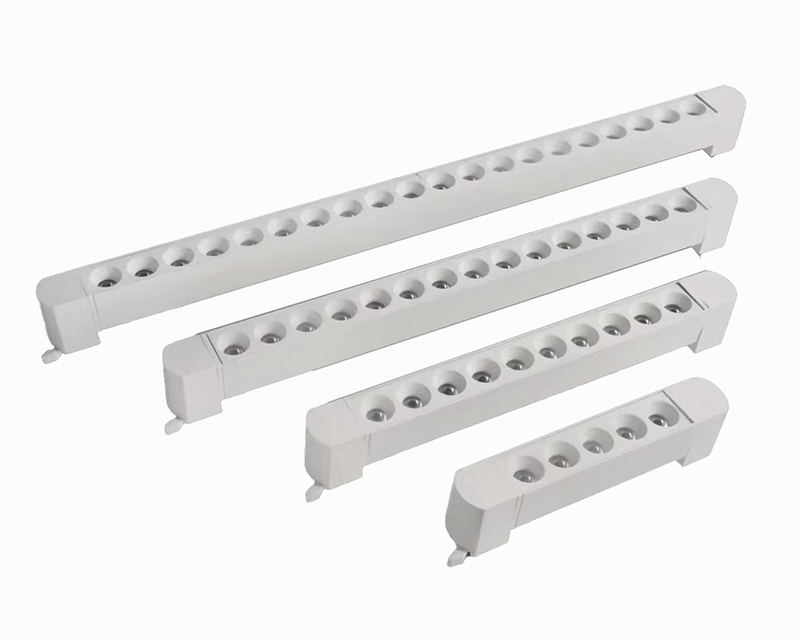
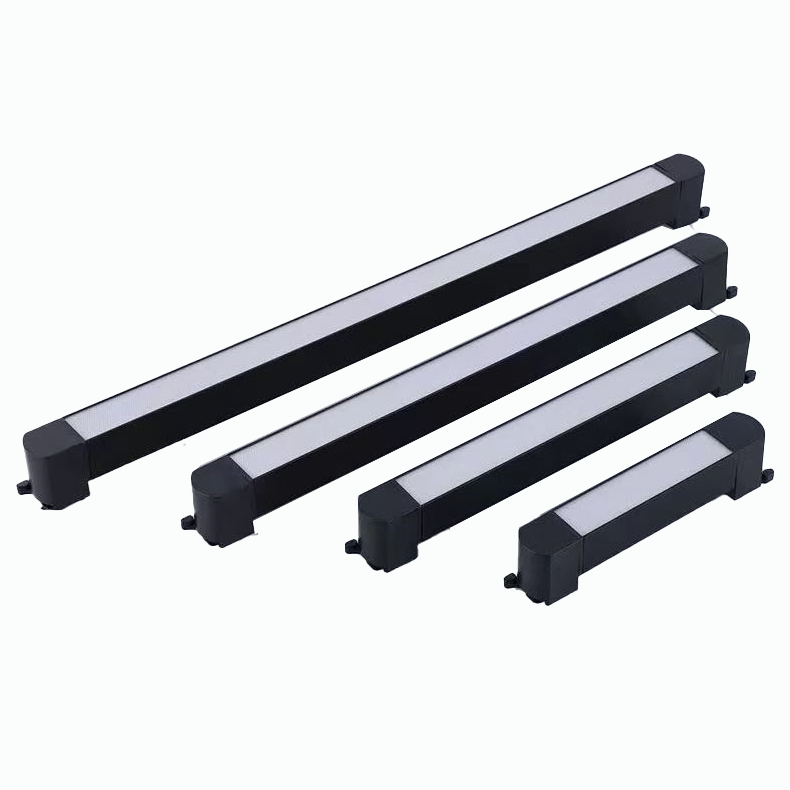
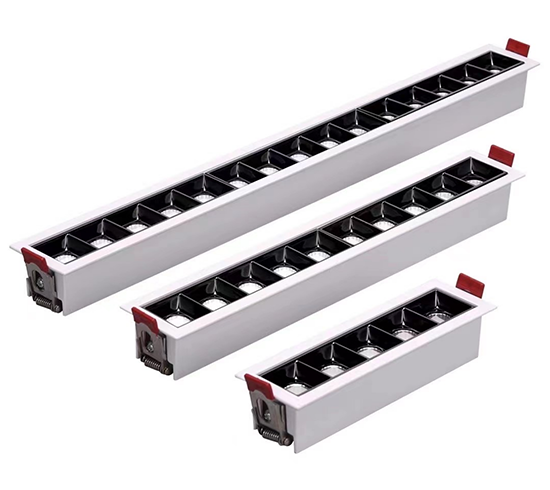
LED ceiling lights are modern lighting fixtures installed directly into a hollow ceiling opening. This popular form of recessed lighting uses highly efficient technology called Light Emitting Diodes (LED) to produce illumination. The name "can lights" originates from the cylindrical, can-shaped metal housing that holds the recessed light fixture within the ceiling structure. An LED Ceiling Light Manufacturer designs these LED Ceiling Light products for performance and longevity. Today, many led light manufacturers focus on creating these advanced can lights, which are essentially sophisticated led light fixtures, for both residential and commercial recessed lighting applications.
How Do LED Ceiling Lights Create Light?
Unlike traditional bulbs that burn a filament, LED ceiling lights generate light through a sophisticated and highly efficient scientific process. This method converts electricity directly into light at a microscopic level, representing a fundamental leap in lighting technology.
The Core Principle of Electroluminescence
At the heart of every LED is a phenomenon called electroluminescence. This is the non-thermal generation of light that occurs when an electric field is applied to a specific type of material.
From Electricity to Photons
Electroluminescence is created by passing electricity through a semiconductor material. The electrical charge energizes electrons, causing them to move to a higher energy level. When these excited electrons fall back to their original, stable state, they release their excess energy. This energy is emitted in the form of tiny light particles called photons. Your eyes perceive the stream of these photons as visible light. The entire process happens almost instantaneously.
Why It's Not About Heat
Traditional incandescent bulbs produce light by heating a metal filament until it glows white-hot. This process, called incandescence, wastes over 90% of its energy as heat. Electroluminescence is fundamentally different.
LEDs use special "direct band gap" semiconductor materials, such as gallium nitride. In these materials, the energy released during electron recombination is converted very efficiently into light. Indirect semiconductors, like silicon, release most of this energy as heat. This material science is why an LED feels cool to the touch while providing bright illumination.
The Step-by-Step Process in a Can Light
Inside a modern can light, several components work together to facilitate electroluminescence. The process unfolds in a precise sequence from the moment you flip the switch.
Power Conversion
Your home's wiring supplies high-voltage alternating current (AC). An LED chip, however, requires low-voltage direct current (DC) to operate. The fixture's driver acts as a translator, converting the AC power from your wall into the stable, low-voltage DC power the led needs.
Current Flow to the Chip
Once converted, the driver sends a regulated flow of DC electricity to the LED chip. This chip is a tiny semiconductor with two distinct layers:
N-type layer: Contains a surplus of electrons (negative charge).
P-type layer: Contains an abundance of "holes," which are vacancies where electrons should be (positive charge). The boundary where these two layers meet is called the p-n junction.
Light Emission
The magic happens at the p-n junction. The applied DC voltage pushes electrons from the N-type layer across the junction to fill the holes in the P-type layer. This event is called electron-hole recombination. As each electron combines with a hole, it releases a packet of energy as a photon.
Note: To produce the familiar white light used in most can lights, manufacturers typically start with a blue LED chip. This chip is then coated with a layer of yellow phosphor. Some of the blue light excites the phosphor, causing it to glow yellow. The remaining blue light mixes with this yellow light, creating the clean, white illumination we see.
Heat Management
While incredibly efficient, the electroluminescence process is not perfect. A small amount of energy is still lost as heat. This heat is generated directly within the semiconductor chip. A critical component called a heat sink draws this thermal energy away from the chip, protecting it from damage and ensuring a long, stable operational life.
The Anatomy of Recessed Lighting
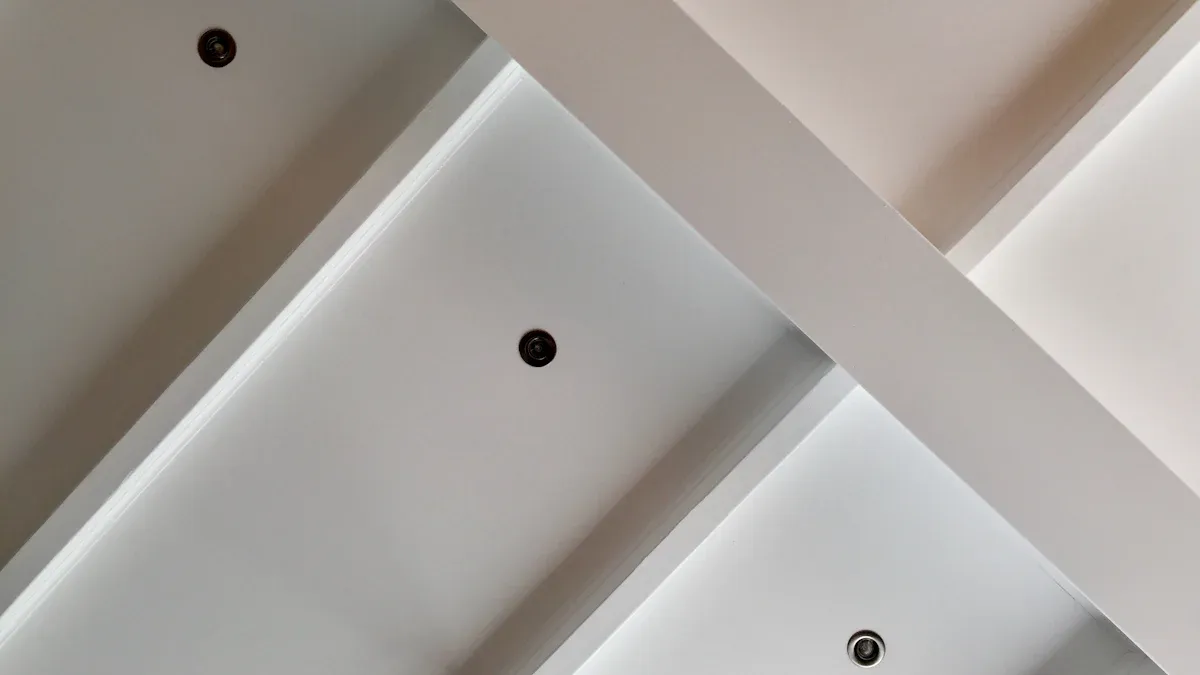
To truly understand how these fixtures work, one must examine their core components. A can light is more than just a bulb in a hole; it is an engineered system where the housing, the light module, and the trim work together. Each part plays a distinct role in installation, safety, and light quality.
The Housing (The "Can")
The housing is the backbone of the fixture. This metal cylinder installs inside the ceiling, holding all the electrical components and securing the light source. The type of housing a project requires depends entirely on the state of the ceiling.
New Construction Housing
Installers use new construction housings when they have open access to the ceiling structure. These units are designed to be mounted directly to ceiling joists before any drywall is installed. Their frames provide a secure and permanent placement, making them the standard for new homes and major renovations.
Remodel Housing
Remodel housings offer a solution for finished ceilings. They are engineered to fit through a hole cut into the existing drywall. Metal spring clips then deploy inside the ceiling cavity, clamping the housing firmly against the drywall. This design makes upgrading to recessed lighting in an existing room a straightforward process.
IC-Rated vs. Non-IC-Rated
A critical safety specification for any housing is its IC rating. This designation determines if the fixture can have direct contact with insulation.
IC-Rated (Insulation Contact): These housings are built to operate safely while touching ceiling insulation. Their design prevents heat from building up to dangerous levels, which is essential for maintaining a home's energy efficiency.
Non-IC-Rated: These older-style housings require a clearance of at least three inches from any insulation to prevent a fire hazard.
Pro Tip: Always choose IC-rated housings for insulated ceilings. Local building codes often mandate their use to ensure fire safety and energy code compliance.
The table below summarizes the key differences in installation methods.
Feature | Remodel Housing | New Construction Housing |
|---|---|---|
Installation | Fits through a hole in existing drywall; secured by clips. | Mounts directly to ceiling joists before drywall is up. |
Best Use Case | Retrofitting existing rooms with limited or no attic access. | New builds or major remodels with open ceiling framing. |
Insulation | Requires an IC-rated model for contact with insulation. | Requires an IC-rated model for contact with insulation. |
The LED Module and Trim
The led module and trim are the parts of the recessed lighting fixture that you see. The module is the light engine, and the trim is the decorative, functional piece that finishes the look.
The LED Chip and Phosphor Coating
Unlike a traditional socket that holds a replaceable bulb, an integrated module has the light source built directly into it. The core of this module is a circuit board containing the LED chip. As discussed earlier, this chip is typically a blue diode coated with phosphors. The blue light excites the phosphor particles, which then emit light at different wavelengths. A common YAG:Ce3+ phosphor, for example, emits yellow light. The human eye perceives the mix of this yellow light and the original blue light as clean, white light. Manufacturers can add red and green phosphors to the mix to create a fuller spectrum and improve color rendering.
Baffle and Reflector Trims
The trim shapes how light exits the fixture. Two of the most common types are baffle and reflector.
Baffle Trim: Features uniform grooves on its interior surface. These grooves are designed to absorb stray light, which significantly reduces glare.
Reflector Trim: Has a smooth, mirror-like interior. This surface reflects and maximizes the amount of light projected down into the room, creating bright, broad illumination.
Gimbal (Adjustable) Trim
A gimbal trim provides directional flexibility. It contains a pivoting socket that allows the user to aim the light toward a specific area. This feature is perfect for accent lighting, such as highlighting a piece of art, a bookshelf, or an architectural feature like a fireplace.
Key Components That Make Recessed LED Downlights Work
While the LED chip creates light, two other components work behind the scenes to ensure the fixture operates safely and reliably: the driver and the heat sink. These parts are fundamental to the performance and longevity of modern recessed lighting.
The Driver: The Brain of the Light
The LED driver is a self-contained power supply that acts as the intelligent control center for the entire fixture. Its role is far more complex than simply turning the light on and off.
Converting AC to DC Power
Standard household electrical systems provide high-voltage alternating current (AC). LED chips, however, are low-voltage semiconductor devices that require a steady supply of direct current (DC) to function correctly. The driver's primary job is to convert the 120-volt AC power from your home's wiring into the low-voltage DC power that the LED chip needs.
Why It's a Critical Component
The driver is critical because LEDs are highly sensitive to power fluctuations. A constant, regulated DC current is essential for stable operation. It prevents the thermal stress and electrical wear that would quickly degrade the LED. The driver ensures optimal performance by managing several key tasks:
Voltage Regulation: It maintains a consistent voltage output to prevent flickering.
Current Control: It delivers the precise amount of current to the LED, which is crucial for brightness and longevity.
Protection Features: It safeguards the LED from power surges and short circuits, enhancing overall safety.
Without a quality driver, the sophisticated LED chip would fail almost immediately. The driver's lifespan, which is heavily influenced by its components and operating temperature, often determines the lifespan of the entire fixture.
The Heat Sink: Ensuring a Long Lifespan
Although LEDs are known for being cool to the touch, they do generate a small amount of heat directly at the semiconductor junction. Managing this thermal energy is the most important factor in guaranteeing a long operational life for LED downlights.
The Role of Passive Cooling
A heat sink provides passive cooling by drawing thermal energy away from the LED chip and dissipating it into the surrounding air. These components are typically made from materials with high thermal conductivity, like aluminum. Manufacturers design heat sinks with fins or other intricate shapes to maximize their surface area. This increased surface area improves air circulation and accelerates heat transfer, keeping the LED at a safe operating temperature.
How It Impacts Performance
An LED's lifespan is directly correlated with its operating temperature. Excessive heat accelerates the aging of the LED chip and the sensitive electronic components within the driver.
A Rule of Thumb: For many electronic components, including the critical capacitors inside a driver, every 10°C (18°F) increase in operating temperature can cut its expected lifespan in half.
A well-designed heat sink keeps the entire recessed lighting system cool. This protection against heat degradation is what allows a high-quality LED fixture to last for tens of thousands of hours.
LED vs. Incandescent Can Lights: A Comparison
The shift from traditional incandescent bulbs to modern LED technology represents one of the most significant advancements in lighting. When comparing these two options for recessed lighting, the advantages of LEDs become clear across efficiency, durability, and safety.
Energy Efficiency and Cost Savings
Energy consumption is a primary differentiator between LED and incandescent technologies. LEDs provide a far more efficient way to illuminate a space, leading to substantial cost savings.
Understanding Lumens per Watt
Efficacy, measured in lumens per watt (lm/W), defines how efficiently a light source converts electricity into visible light. An incandescent bulb is highly inefficient, producing only about 15 lumens per watt. In contrast, a modern LED can easily produce 80 to 100 lumens per watt or more. This means an LED uses significantly less energy to generate the same amount of brightness.
Impact on Your Electric Bill
This superior efficiency directly translates to lower electricity bills. Replacing just a few incandescent can lights with energy-efficient led ceiling lights can reduce lighting-related energy consumption by up to 85%. Over the fixture's long life, these savings accumulate, making the initial investment in LED recessed lighting a financially sound decision for any homeowner.
Lifespan and Durability
LED fixtures offer a dramatic improvement in both operational life and physical resilience. This longevity reduces maintenance costs and replacement frequency.
Thousands of Hours of Operation
The difference in lifespan is staggering. Incandescent bulbs fail suddenly, while LEDs gradually dim over time. This gradual dimming is measured by the L70 rating, which marks the point when a bulb's output fades to 70% of its initial brightness.
LED Lifespan: A quality fixture often has an L70 rating between 25,000 and 60,000 hours.
Incandescent Lifespan: A typical incandescent bulb burns out after only about 1,000 hours.
This extended lifespan means an LED fixture can last for decades under normal household use, virtually eliminating the need for regular bulb changes in your recessed lighting.
Solid-State Durability
Incandescent bulbs use a delicate, brittle filament suspended in a glass bulb. This construction makes them extremely vulnerable to physical shock and vibration. LEDs, however, are solid-state devices. They generate light from a tiny, durable semiconductor chip encased in epoxy or plastic. This design contains no fragile filaments or glass parts, making the can lights exceptionally resistant to impacts and vibrations.
Heat Output and Safety
The way these two technologies produce light directly affects their operating temperature and overall safety.
Cool to the Touch Operation
Incandescent bulbs are fundamentally heat-based. They waste over 90% of their energy as infrared radiation (heat), making them dangerously hot to the touch. In contrast, LEDs convert most of their energy directly into light. They generate very little heat, so the fixture remains cool during operation.
Reduced Fire Risk
The excessive heat from incandescent bulbs poses a significant fire risk, especially in enclosed recessed lighting fixtures near ceiling insulation. The cool operation of LEDs drastically reduces this danger. Their low thermal output makes them a much safer choice, particularly when using IC-rated housings that permit direct contact with insulation.
What Are the Main Types of LED Can Lights?
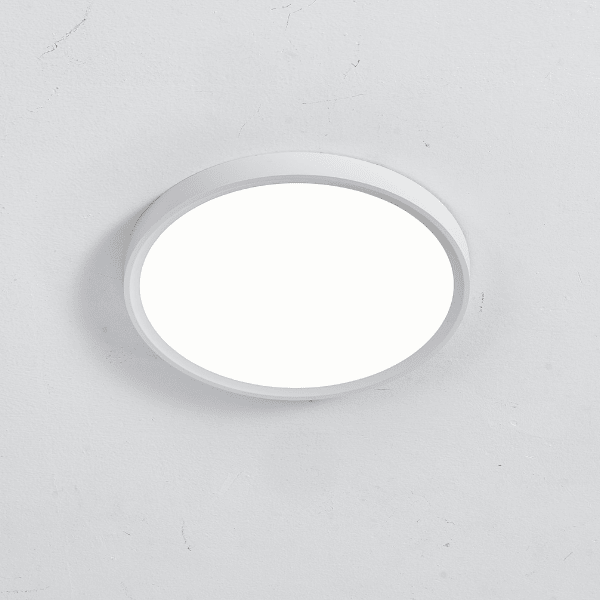
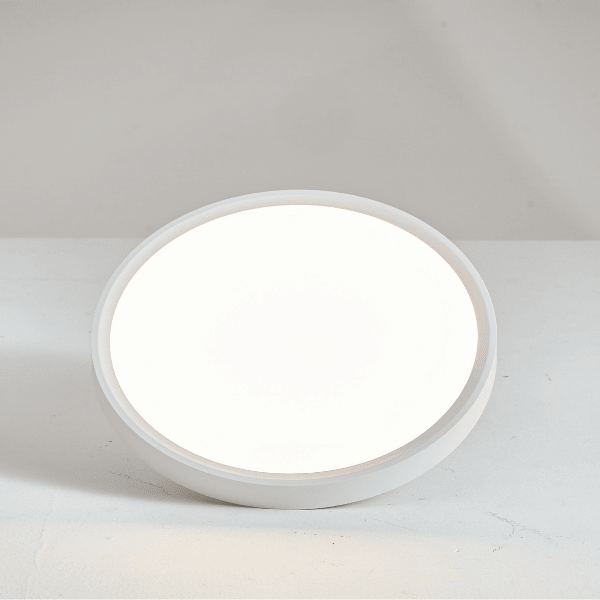
The world of recessed lighting offers several distinct types of fixtures. Each type serves a different installation need, from new construction to simple upgrades. Understanding these main categories helps consumers and professionals choose the right solution for any project.
Integrated LED Can Lights
Integrated fixtures represent a complete, all-in-one approach to modern lighting. They combine the housing, driver, LED module, and trim into a single, pre-assembled unit.
All-in-One Fixtures
These fixtures are designed for streamlined installation, particularly in new construction projects. The manufacturer engineers all components to work together seamlessly. This unified design eliminates the guesswork of matching separate parts, ensuring optimal performance right out of the box.
Pros and Cons of Integrated Models
Integrated led ceiling lights offer significant advantages but also come with specific trade-offs.
Pros: Manufacturers maintain excellent quality control over the entire system. This leads to better electrical compatibility, higher lumen output, and access to advanced controls like deep dimming.
Cons: The primary drawback is the non-replaceable light source. If a single component like the driver fails, the entire fixture often requires replacement. Lower-quality models can also suffer from premature failure due to poor heat dissipation.
LED Retrofit Kits
LED retrofit kits provide a simple and cost-effective way to upgrade outdated can lights without tearing open the ceiling.
Upgrading Existing Can Housings
These kits are specifically designed to fit inside existing incandescent or halogen can housings. They replace the old, inefficient bulb and trim with a modern, energy-saving LED module. This allows homeowners to gain the benefits of LED technology quickly.
How They Install
The installation process is straightforward and can often be completed in minutes.
First, remove the old bulb and trim from the existing fixture.
Next, screw the kit's pigtail adapter into the bulb socket.
Connect the adapter to the new LED module.
Finally, compress the kit's torsion springs and slide the module into the housing until it sits flush against the ceiling.
Note: Always turn off power at the circuit breaker before beginning any electrical work. This simple step is crucial for safety.
Canless LED Wafer Lights
Canless wafer lights are an innovative evolution in recessed lighting. Their ultra-slim profile eliminates the need for a bulky metal housing altogether.
The Ultra-Thin Profile Advantage
These fixtures are incredibly thin, often less than an inch thick. They consist of a flat LED panel and a separate, compact driver box that sits above the ceiling. This space-saving design simplifies installation, reduces labor costs, and allows them to fit in tight spaces where traditional can lights cannot, such as ceilings with low clearance or obstructions.
Where to Use Them
The versatility of canless wafer lights makes them suitable for nearly any room. Their sleek, modern aesthetic is perfect for kitchens, bathrooms, living rooms, and hallways. They provide excellent general illumination and can be installed in both new construction and remodel projects, offering a clean and seamless look.
How to Understand LED Light Specifications
Choosing the right LED can light requires understanding a few key technical terms. These specifications—lumens, color temperature, and CRI—determine the fixture's brightness, color appearance, and ability to render colors accurately. Mastering these concepts empowers consumers to select the perfect lighting for any environment.
Lumens (Brightness)
Lumens (lm) are the modern standard for measuring a light's brightness. This unit quantifies the total amount of visible light emitted by a source.
Moving Beyond Watts
For decades, consumers associated brightness with wattage. However, watts measure energy consumption, not light output. With highly efficient LEDs, this correlation is no longer useful. A 10-watt LED can easily produce the same brightness as a 60-watt incandescent bulb. Focusing on lumens ensures you get the brightness you need.
How Many Lumens Do You Need?
The required brightness depends on the room's size and purpose. General living areas often need around 20 lumens per square foot. Task-oriented spaces like kitchens and bathrooms may require 50-70 lumens per square foot for clear visibility.
Color Temperature (Kelvins)
Color temperature describes the appearance of the light, from warm to cool. It is measured on the Kelvin (K) scale. Lower Kelvin values produce a warm, yellowish glow, while higher values create a cool, bluish-white light.
Warm White vs. Cool White
Manufacturers categorize LED light into distinct ranges on the Kelvin scale. Understanding these categories helps in selecting the right ambiance.
Warm White: 2700K–3000K
Neutral White: 3500K–4100K
Cool White: 5000K–6500K
Choosing the Right Mood
The color temperature of a can light dramatically influences a room's atmosphere. Different temperatures are better suited for specific activities and settings.
Color Temperature | Best Suited For | Desired Atmosphere |
|---|---|---|
Living rooms, bedrooms, dining rooms | Creates a warm, cozy, and inviting feel. | |
5000K | Garages, workshops, commercial offices | Promotes alertness and high visibility for tasks. |
Color Rendering Index (CRI)
The Color Rendering Index (CRI) measures how accurately a light source reveals the true colors of objects. The scale runs from 0 to 100, with 100 representing the fidelity of natural daylight.
How Colors Appear Under the Light
A low CRI light can make colors appear dull, washed out, or distorted. For example, a vibrant red apple might look muted. A high CRI light produces a full spectrum, allowing objects to appear just as they would in natural sunlight.
Why a High CRI Matters
For residential spaces, a high CRI is essential for creating a comfortable and visually appealing environment. A CRI of 90 or higher ensures that colors are rendered accurately.
A light with a CRI of 90+ makes a clear difference. Skin tones look natural and healthy. Wood grains appear warm and rich. Food looks fresh and appetizing. In contrast, a CRI of 80 is functional but can leave colors looking slightly flat.
Choosing a can light with a high CRI is crucial for kitchens, bathrooms, and living rooms where color accuracy enhances the daily experience.
Are LED Can Lights Dimmable?
Yes, the vast majority of modern LED can lights are dimmable, but their dimming process is more sophisticated than that of older incandescent bulbs. Achieving smooth, flicker-free performance depends on the compatibility between the fixture's internal driver and the wall-mounted dimmer switch. Understanding the two primary dimming technologies is key to making the right choice.
How LED Dimming Technology Works
LEDs dim not by reducing voltage like an incandescent bulb, but by using advanced digital or analog methods to control the power delivered to the LED chip. The two most common methods are Pulse Width Modulation and Constant Current Reduction.
Pulse Width Modulation (PWM)
Pulse Width Modulation is a digital method that controls brightness by switching the LED on and off at an extremely high frequency. This switching happens so fast that the human eye cannot perceive it. The brightness level is determined by the "duty cycle," which is the percentage of time the LED is in the "on" state during one complete cycle.
A higher duty cycle means the LED is on for a longer period, resulting in greater perceived brightness.
A lower duty cycle means the LED is on for a shorter period, making the light appear dimmer.
Because PWM delivers a consistent current during the "on" phase, it preserves the LED's rated color spectrum, ensuring colors do not shift as the light dims.
Constant Current Reduction (CCR)
Constant Current Reduction, also known as analog dimming, works differently. Instead of switching the power on and off, this method controls brightness by continuously varying the amount of electrical current flowing through the LED. Reducing the current makes the light dimmer, while increasing it makes the light brighter. While effective, this method can sometimes cause a slight shift in the light's color at very low dimming levels.
PWM Dimming | CCR Dimming | |
|---|---|---|
Dimming Method | Digital | Analog |
Current Flow | Rapidly switches current on and off | Continuously varies the current |
Brightness Control | Varies the duty cycle (on/off ratio) | Varies the amount of current |
Choosing a Compatible Dimmer Switch
The most common source of dimming problems is an incompatibility between the dimmer switch and the LED fixture's driver. Using a switch designed for older technology with modern LEDs often leads to poor performance.
The Importance of ELV Dimmers
For the best results, professionals recommend using an Electronic Low Voltage (ELV) dimmer. These dimmers use "trailing-edge" technology specifically engineered for the low-voltage electronic drivers found in LED fixtures. ELV dimmers offer significant advantages:
Smooth, Flicker-Free Dimming: They provide precise control over the power delivered to the driver.
Silent Operation: They eliminate the buzzing or humming sound often heard with incompatible dimmers.
Extended Lifespan: By operating correctly with the LED driver, they reduce stress on the electronic components.
How to Avoid Flickering and Buzzing
Flickering and buzzing are almost always signs of an incompatibility between the dimmer and the LED driver. This mismatch can cause electromagnetic interference (EMI).
Troubleshooting Tip: If your lights flicker or buzz, the first step is to ensure you are using a high-quality, LED-compatible dimmer (such as an ELV model). Many of these dimmers also feature a small adjustment dial to set the minimum dimming level, which can prevent the light from trying to dim below its operational limit.
If issues persist, the dimmer switch itself may be faulty, or the specific model of your lights may require a different type of dimmer. Always check the manufacturer's specifications for both the fixture and the switch.
In short, can lights are advanced recessed lighting fixtures that create light efficiently by passing electricity through a semiconductor. Their essential parts—the housing, driver, LED module, and heat sink—unite to form a durable recessed light fixture. This modern led technology offers clear advantages.
These led ceiling lights provide superior energy savings, an extended lifespan, and enhanced safety compared to traditional recessed lighting.
FAQ
Can I install LED can lights myself?
Homeowners with electrical experience can often install these fixtures. However, safety is paramount. Many people hire a qualified electrician for installation. This ensures the work meets local building codes and is done correctly.
Safety First! ⚠️ Always turn off power at the circuit breaker before beginning any electrical work.
How long do LED can lights really last?
A quality LED can light has a lifespan of 25,000 to 60,000 hours. This translates to over 20 years of use under normal household conditions. Their longevity makes them a very low-maintenance lighting solution.
Do all LED can lights work with any dimmer?
No, not all fixtures are compatible with every dimmer. Using an incompatible switch often causes flickering or buzzing. Homeowners should use a modern, LED-compatible dimmer, such as an ELV model, for smooth performance.
What is the difference between a retrofit and an integrated fixture?
These two types serve different purposes.
Retrofit Kits: Upgrade existing can light housings to LED technology.
Integrated Fixtures: Are complete, all-in-one units for new installations.
Are canless wafer lights better than traditional can lights?
Canless lights offer a unique advantage with their ultra-slim profile. They fit in tight ceiling spaces where traditional cans cannot. The "better" choice depends entirely on the specific installation requirements of the project.
Why do my LED can lights flicker?
Flickering is most often a sign of incompatibility between the dimmer switch and the light's driver. The dimmer cannot properly regulate the power. Replacing the switch with a recommended LED-compatible model usually solves the problem.