

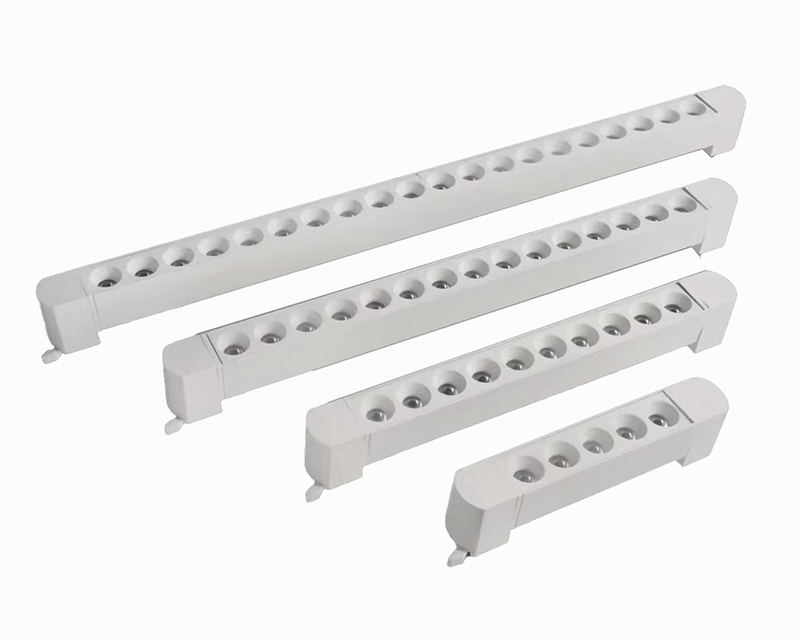
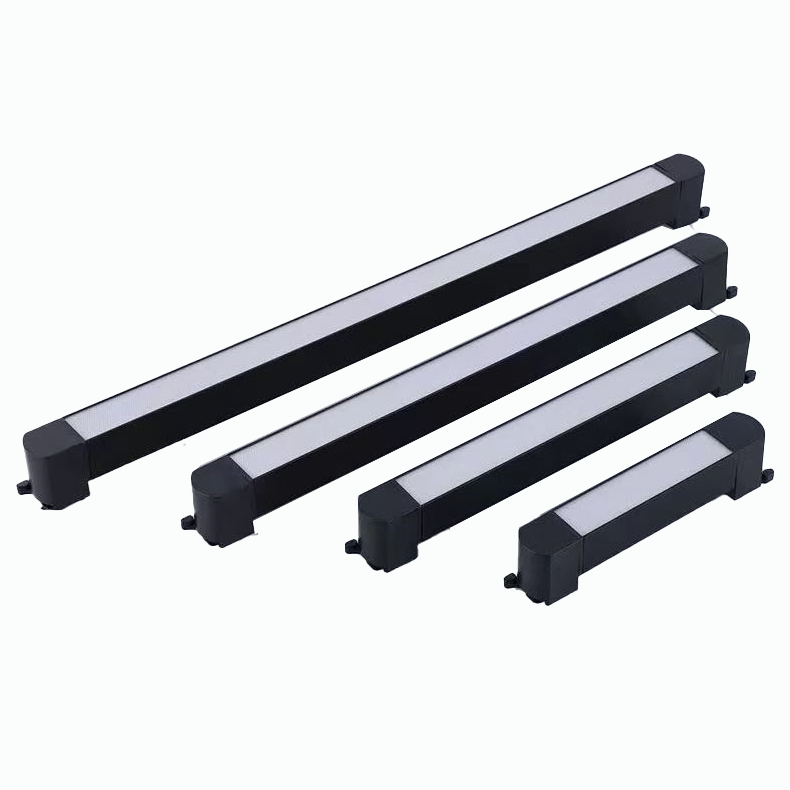
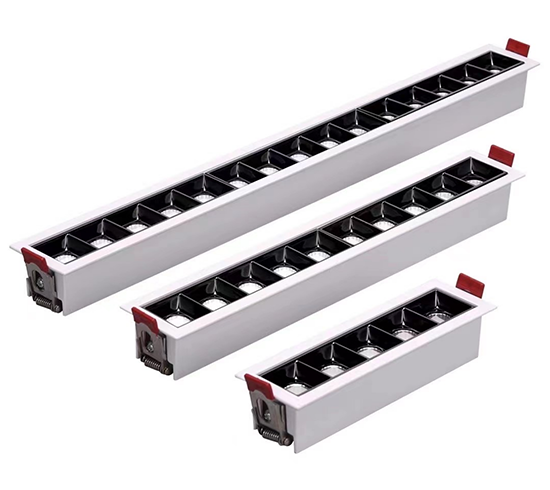
This guide from a leading LED Panel Light Manufacturer details innovative uses for LED panel lights. The technology enables new lighting applications. This guide provides tips for broadcast studio lights and other studio lights. Another guide offers tips for broadcast studio lights. This guide has tips for broadcast studio lights and other studio lights. This guide shares tips for broadcast studio lights. LED light manufacturers see many applications. This guide gives tips for broadcast studio lights and other studio lights. This guide covers broadcast studio lights and other studio lights. The LED Panel Light creates innovative effects. Consider these broadcast studio lights and other studio lights. These led light fixtures and panel lights show the future.
Dynamic 'Digital Sky' Ceilings for Circadian Rhythm Regulation
Interactive, Touch-Sensitive Wall Art and Information Displays
Integrated Smart Home 'Notification Ceilings'
Virtual Windows in Interior and Subterranean Spaces
Biophilic 'Living Walls' with Integrated Grow Lights
Architectural Accent Lighting for 'Floating' Structures
Customizable Retail Backdrops and Digital Signage
Vehicle Interior Ambient and Safety Lighting Systems
Portable, Battery-Powered Panels for Event and Field Work
Health and Wellness 'Light Therapy' Rooms
The Technology Driving 2026 LED Innovations
The incredible applications on our list are not science fiction. They are the direct result of rapid advancements in led hardware and software. The core technology behind led panels is evolving, making them smarter, more efficient, and more integrated than ever before. This evolution is the engine of innovation, enabling the shift from simple illumination to dynamic environmental systems. This section explores the key developments making these futuristic uses a reality.
Smarter, More Efficient LED Panels
The physical led panel itself is undergoing a significant transformation. Manufacturers are creating high-performance lighting solutions that are more powerful and intelligent. This progress in core components is fundamental to creating advanced lighting experiences, from a professional studio to a smart home.
AI-Powered Lighting Adjustments
Artificial intelligence is moving into our lighting systems. AI algorithms analyze data from sensors and user habits to automate lighting adjustments. This technology can detect the number of people in a room, measure the amount of natural light, and even learn a user's preferences over time. The system then optimizes the lights for comfort, task performance, and energy savings without any manual input.
Enhanced Energy Efficiency
At the heart of modern led systems are major improvements in chip-level design, which dramatically boost energy efficiency. These advancements are key to creating powerful yet sustainable energy-efficient lighting. Key developments include:
Chip Miniaturization: Smaller, more powerful led chips allow for denser and more uniform panel designs.
Higher Luminous Efficacy: Panels produce more light (lumens) for each watt of energy consumed, reducing overall energy use.
Improved Color Rendering: Innovations in phosphor materials and quantum dot enhancements allow lights to reproduce colors more accurately.
Micro-LED Integration: The rise of micro-LEDs enables ultra-high-resolution displays and superior lighting control.
Human-Centric Lighting Principles
Modern lighting design now prioritizes human well-being. Human-centric lighting uses tunable led panels to mimic the natural progression of daylight. This approach helps regulate the body's internal clock, improving sleep cycles, mood, and productivity. This principle is essential for creating healthier indoor environments, especially in a home office or studio.
Advanced Control and Integration
An led panel's true power is unlocked through its ability to connect and communicate. Advanced control systems turn static fixtures into responsive parts of a larger digital ecosystem, including specialized led studio lights.
IoT and Voice Control Capabilities
The Internet of Things (IoT) allows every led panel to become a smart device. Users can control their lights with simple voice commands through popular smart assistants. This hands-free control adds a layer of convenience, making it easy to change colors, dim the lights, or activate a preset lighting scene.
Integration with Smart Home Hubs
Seamless integration is crucial. By 2026, led panels and led studio lights will connect effortlessly with major smart home hubs. This allows them to work in concert with other smart devices. For example, your led studio lights could automatically adjust when you start a video call, or your ceiling lights could flash when a security camera detects motion. This makes the entire studio or home smarter.
Note: This deep integration allows for complex automation routines. A single command like "movie night" can dim the lights, lower the blinds, and turn on the television, creating a complete ambient experience in any studio or living space. This is the future of energy-efficient lighting.
Sustainable and Eco-Friendly Materials
The innovation extends to the materials used in manufacturing. Companies are increasingly using recycled and sustainable components to build led fixtures. This focus on the entire product lifecycle reduces the environmental impact, from production to disposal, ensuring the future of lighting is not just smart but also responsible. This is a key focus for any modern studio.
1. Dynamic 'Digital Sky' Ceilings
Imagine a ceiling that is no longer a static surface but a vibrant canvas of light. Dynamic 'Digital Sky' ceilings use large-format led panel arrays to replicate the natural light of the sky. This innovation transforms indoor environments, moving far beyond simple illumination. The technology creates a powerful connection to the outdoors, enhancing well-being and productivity in any space, from a corporate office to a home studio. This advanced lighting is a game-changer.
Mimicking Nature's Light
The core of a digital sky is its ability to accurately reproduce the subtle shifts of daylight. This requires sophisticated led technology and intelligent programming to create a believable and beneficial effect. The goal is to make the indoor lighting feel as natural as the sun itself.
The Technology of Tunable White LEDs
Tunable white led technology makes this realism possible. These systems are not just dimmable; they change color temperature throughout the day.
Simple systems use a mix of warm white (around 2700K) and cool white (around 6500K) led chips, cross-dimming between them to simulate different times of day.
Advanced systems utilize 'multi-chip' modules that combine several tiny led chips at the source for superior color mixing.
The most precise systems even add green light to the mix. This ensures the lighting perfectly matches the sun's daily progression along the Blackbody Locus, which defines true white light.
Programming Natural Light Cycles
These advanced led lights follow pre-programmed schedules that mirror a 24-hour solar cycle. The lighting begins with the warm, gentle tones of sunrise, transitions to bright, cool-white light at midday, and finishes with the warm, relaxing hues of sunset. This cycle can be customized for any geographic location or season, providing a truly natural experience. This is a key feature for professional led studio lights.
Smart Home Integration
Digital sky ceilings achieve their full potential when integrated into a smart home or building ecosystem. This connectivity allows for seamless automation and effortless control, making the technology both powerful and user-friendly for any studio.
Automating with Sensors and Schedules
Modern lighting platforms offer powerful automation. Systems can use astronomic timeclock algorithms that automatically adjust for seasonal sunrise and sunset times based on geographic coordinates. Users can also create conditional triggers. For example, the lights in a studio could brighten when an occupancy sensor detects a person entering the room. This makes the system responsive and energy-efficient.
Voice and App Control
Users can easily manage their digital sky with voice commands or a smartphone app. Major smart home platforms provide robust control over these advanced led studio lights.
Platform | Protocol | Control Method |
|---|---|---|
Apple HomeKit | Thread/Matter | Siri voice, Home app automation |
Amazon Alexa | Cloud API | Voice commands, routines, scenes |
Google Home | Cloud API | Assistant voice, app control |
Pro Tip: Advanced integrations, like those offered by Yeelight or Lutron, allow for complex scene deployment. A single command can trigger multi-room presets, custom fade rates for led studio lights, and even priority overrides for security alerts.
Benefits for Health and Productivity
This human-centric lighting offers significant advantages for both mental and physical well-being. By syncing our indoor environment with the natural world, these led lights can have a profound impact on daily life. This is especially true in a modern studio.
Regulating Circadian Rhythms
Exposure to this natural light cycle helps regulate the body's internal clock, or circadian rhythm. A field study demonstrated that specific circadian lighting patterns led to a 1.5-fold increase in average melatonin secretion compared to static lighting. This helps maintain healthy sleep-wake cycles, reducing fatigue and long-term health risks. The right led studio lights can make a huge difference.
Enhancing Focus in Workspaces
Properly timed lighting directly impacts performance. Research shows that circadian lighting can boost productivity by up to 12%. The benefits are clear:
Increased alertness and focus, leading to fewer errors.
Lowered stress levels and improved mood.
Reduced absenteeism due to better overall well-being.
This technology is transforming spaces like home theaters, windowless basements, medical offices, and car showrooms by bringing the benefits of natural light indoors. It is a key innovation for any modern studio or workspace.
2. Interactive Touch-Sensitive Walls
By 2026, walls will transform from static architectural elements into dynamic, interactive surfaces. Interactive touch-sensitive walls merge brilliant led illumination with responsive sensor technology. This fusion creates immersive environments where users can directly engage with digital content by touching the wall itself. These systems are finding powerful applications in corporate, educational, and entertainment settings, turning any space into an engaging experience.
The Fusion of Light and Touch
The magic of these walls lies in the seamless integration of display and sensor technologies. An advanced led panel provides the visual output, while a transparent overlay or embedded grid detects user input. This combination allows the lights to react instantly to touch.
How Touch-Sensor Grids Work
Two primary technologies enable these responsive surfaces. Each method detects touch without obstructing the visual quality of the led display.
Infrared (IR) Grids: These systems create an invisible grid of light beams across the surface of the display. When a finger or object touches the wall, it breaks the beams at a specific X and Y coordinate, registering the touch location.
Projected Capacitive (PCAP) Grids: This technology uses a conductive layer that maintains a consistent electrical field. A touch from a finger draws a small electrical charge to that point, and sensors detect this change to pinpoint the location with high precision.
Creating Responsive Surfaces
A successful interactive wall delivers a captivating experience that invites participation. Beyond simple touch, these systems can recognize gestures, allow multiple users to interact simultaneously, and even incorporate haptic feedback. The goal is to create an emotionally charged experience, allowing users to make decisions, connect with others, or orchestrate content in real time. The underlying led technology ensures the visual quality is spotless, with natural and dynamic content displayed across a high-resolution screen.
Applications in Different Environments
The versatility of interactive led walls makes them suitable for a wide range of professional and public spaces. From a creative studio to a corporate headquarters, these systems redefine how people interact with information.
Engaging Children's Play Walls
Museums and schools use interactive walls to create hands-on learning zones. These educational displays present layered information, such as historical timelines or complex biological processes, in an explorable format. Children can engage with quizzes, games, and animations, which leads to increased knowledge retention compared to passive displays. These unique applications make learning fun.
Dynamic Corporate Lobby Art
Companies use large-scale interactive walls to make a powerful first impression. For example, a multi-display wall can support up to 100 simultaneous touch points, allowing multiple visitors to collaborate or explore brand content. A car manufacturer might use one at a trade show, letting attendees customize a vehicle's color and features in real time on a massive, brilliant led screen. This turns a waiting area into a memorable brand experience, far beyond what typical led studio lights can offer.
Interactive Data Visualization
In a corporate or studio setting, these walls serve as powerful tools for data analysis. Teams can display complex charts, project timelines, or sales dashboards on a large, touch-enabled surface. This allows for direct manipulation of data, making it easier to identify trends and collaborate on strategy. The clarity of modern led studio lights ensures every detail is visible.
Pro Tip: The best interactive walls support a wide variety of content, including APIs, live video feeds, and web embeds. This flexibility allows organizations to create truly dynamic and responsive displays that can be updated instantly.
Installation and Technology
Deploying an interactive led wall requires careful planning, from structural support to software management. The technology is sophisticated, but modular designs simplify the process for a professional studio or commercial space.
Modular Panel Systems
These large displays are constructed from smaller, interlocking led cabinets. Installers mount these cabinets onto a secure frame, ensuring perfect alignment for a completely seamless final image. The mounting structure must be engineered to handle the total weight and provide adequate ventilation for the lights. This modularity allows for custom sizes and shapes, fitting any architectural vision.
Software and Content Management
A Content Management System (CMS) is the brain of the operation. This software controls everything from content playlists and scheduling to the interactive elements. The controller configuration is vital for the performance of the led studio lights, ensuring all connections are secure to prevent signal issues. Professional setup and calibration are critical to guarantee flawless visual quality, color uniformity, and responsiveness for all the lights in the studio system. This ensures the led studio lights perform perfectly.
3. Smart Home 'Notification Ceilings'
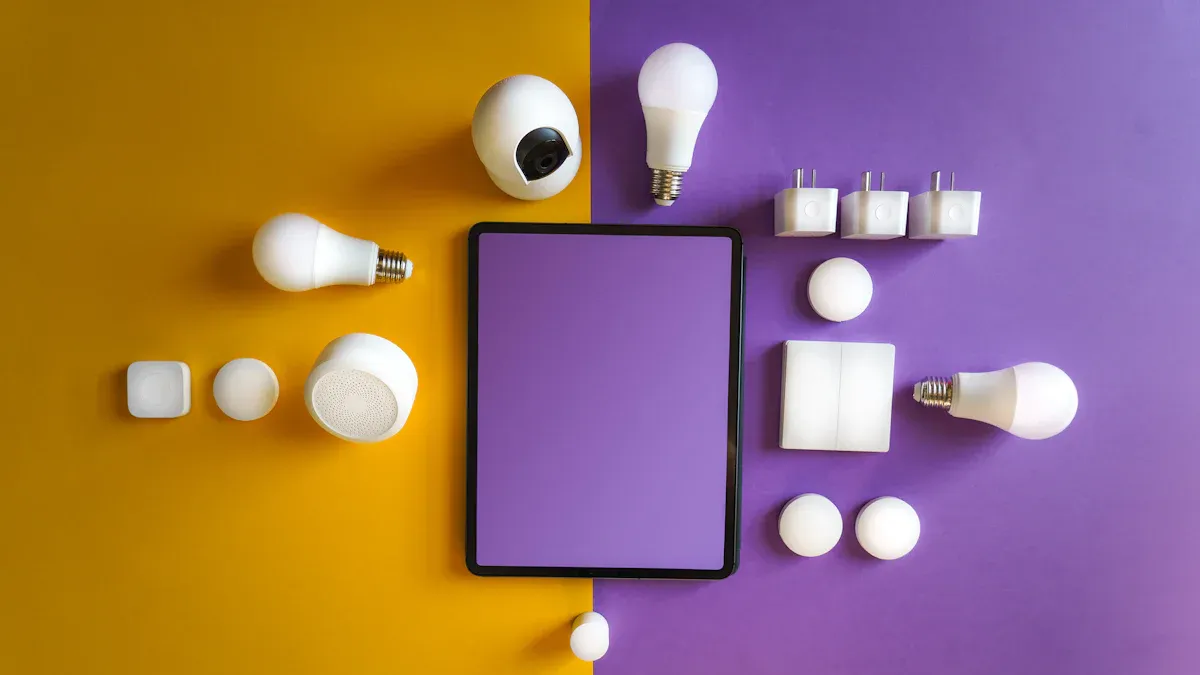
In 2026, ceilings will do more than just hold lights; they will become a central hub for home communication. Smart home 'notification ceilings' use integrated led panels to provide visual alerts for everything from a delivered package to a weather warning. This innovation transforms the entire ceiling into a dynamic, non-intrusive display, offering a new way to stay informed without adding to the noise of daily life. This is a fantastic application for any modern home or studio.
A New Visual Alert System
The core idea is to replace audible chimes and buzzes with silent, colorful light cues. An led panel system can communicate information at a glance, making it an intuitive and elegant solution for the modern smart home. These lights offer a new channel for information.
How Panels Signal Events
Smart led panels signal events by changing color, flashing, or pulsing gently. For instance, a soft blue pulse could indicate incoming rain, while a quick green flash might confirm the garage door has closed. This system provides immediate, ambient feedback. Several smart lighting platforms enable this functionality:
Yeelight: These smart lights can flash or change colors to signal triggered alerts, like motion detection.
Philips Hue: This popular system integrates with major smart home hubs to create visual notifications.
LIFX: These WiFi-enabled lights connect directly to a network, offering advanced color-changing effects for alerts.
Nanoleaf: Its unique led panels can display colorful animations for various notifications.
Color-Coding Your Notifications
Users can assign specific colors to different types of alerts, creating a personalized visual language. A homeowner might program their led system to glow orange when the oven preheats or turn red if a security camera detects an unknown person. This color-coding makes the notifications instantly recognizable, even from across the room in a busy studio. The right led studio lights can serve this dual purpose.
Customization and Control
The true power of a notification ceiling lies in its deep customization. Users can tailor every aspect of their visual alerts using powerful automation tools and apps. This control ensures the lights deliver useful information without becoming a distraction.
Programming via IFTTT and Apps
Services like IFTTT (If This Then That) unlock advanced programming for these led systems. Users can create 'applets' that connect their lights to other apps and devices. IFTTT's 'Filter Code' feature allows for even greater flexibility using JavaScript. For example, a user can write code to make their LIFX lights change to a random color with a button press. Another script could use the Meta.currentTime.hour() function to adjust the led color temperature hourly, mimicking the outdoor light as evening approaches in their studio.
Pro Tip: With filter code, you can programmatically set the color, brightness, and duration of your lights. The code
Lifx.color.setAdvancedOptions('color: #00FF00; brightness: 0.5; duration: 5')could create a gentle, 5-second green pulse for a specific notification, making your led studio lights highly functional.
Benefits for the Hearing Impaired
Visual notification systems offer a profound benefit for individuals who are deaf or hard of hearing. These led lights provide a reliable and clear alternative to audible alarms for smoke detectors, doorbells, and phone calls. This makes the home environment safer and more accessible for everyone. A well-lit studio becomes a safer studio.
Creating Non-Intrusive Alerts
Effective design ensures that visual alerts inform without overwhelming. The goal is to create a system that respects the home's ambiance and the user's attention. The best led studio lights are those you control completely.
Subtle Pulses vs. Audible Alarms
A key principle is to match the alert's intensity with the message's importance. Instead of a sudden, jarring flash, a notification ceiling can use a subtle pulse or a soft color change to convey information. For example, the lights in a home studio might slowly brighten as a scheduled video call approaches. This method provides ambient awareness without causing disruption, a core feature of advanced led studio lights.
Maintaining a Calm Ambiance
A well-designed system is respectful, contextual, and configurable. The alerts should be passive, requiring no direct action from the user. The system learns behaviors and adjusts to context, knowing the difference between a busy weekday and a quiet weekend. Users must also have the ability to easily override or pause the system, ensuring they remain in control of their environment and their lights.
4. Virtual Windows for Interior Spaces
Virtual windows use advanced led technology to bring the beauty of the outdoors inside. These systems are not just screens; they are dynamic installations that create a convincing illusion of a real window. They offer a view of anything from a serene forest to a bustling cityscape. This innovation is poised to revolutionize interior design, especially in spaces lacking natural light. For any professional studio, these lights are a game-changer.
Creating Illusions of the Outdoors
The realism of a virtual window depends on two key factors: the quality of the display and the dynamism of the content. The goal is to create an experience so believable that the mind accepts it as real. This requires cutting-edge led hardware.
High-Resolution LED Panel Technology
High-resolution led panel technology makes these virtual windows possible. The clarity and color accuracy must be flawless to mimic reality. Advanced manufacturers are leading this charge. For example, Sony's Crystal LED VERONA displays offer exceptional brightness and reproduce over 97% of the DCI-P3 color gamut, ideal for virtual production in a studio. Other key players include:
Planar: This company provides DirectLight Ultra Series video walls with MicroLED models, featuring pixel pitches as fine as 0.7mm for incredible detail.
SiliconCore: A leader in fine pixel pitch displays, their products like the Lotus 0.83mm and Camellia 0.95mm are designed for close viewing, making them perfect for these applications.
Displaying Realistic Scenery
These immersive displays show ultra-high-definition (4K or 8K) video content. The scenes are not static images. They are dynamic loops that show subtle changes over time, like clouds drifting across the sky or leaves rustling in the wind. The lighting within the scene can even sync with the time of day, creating a truly convincing effect. These lights bring the outside world into any room.
Key Applications for These Lights
Virtual windows offer practical solutions for a variety of environments. They are especially valuable in spaces that are underground, windowless, or otherwise disconnected from the natural world. These unique applications improve the quality of life indoors.
Transforming Windowless Basements
A basement can feel dark and confined. A virtual window instantly makes the space feel larger and more inviting. Homeowners can install these led lights to create a bright home office, a cheerful playroom, or a home theater studio with a beautiful view.
Improving Patient Rooms in Hospitals
Hospital rooms often lack pleasant views, which can negatively impact patient recovery. Virtual windows provide a connection to nature. The calming scenery and simulated daylight can help reduce stress and create a more healing environment. These led lights offer a simple way to improve patient well-being.
Use in Subterranean Offices
Employees in underground or windowless offices can suffer from a lack of natural light. Installing virtual windows can boost morale, enhance focus, and increase productivity. A vibrant, sunlit view makes any corporate studio a more pleasant place to work.
Psychological and Wellness Benefits
The impact of these led lights goes beyond aesthetics. Simulating a view of the outdoors provides measurable psychological and wellness advantages. This human-centric lighting directly supports mental health.
Reducing Claustrophobia
Confined spaces can trigger feelings of anxiety and claustrophobia. A virtual window creates a powerful sense of depth and openness. Research on virtual reality shows that immersive natural environments allow people to "escape" from stressors, and these led displays provide a similar psychological release.
Simulating Natural Light Exposure
Simulated natural views have a profound effect on well-being. Studies show that experiencing virtual nature environments can significantly reduce stress and promote calmness.
Immersive experiences with vivid graphics and sounds contribute to an elevated mood and relaxation. Research confirms that these virtual environments help shift a person's attention away from stressors, allowing for mental restoration and even a reduction in heart rate.
5. Biophilic 'Living Walls' with Integrated LED
Biophilic design connects building occupants more closely to nature. In 2026, this concept evolves with living walls that merge lush greenery with advanced led technology. These installations are not just decorative; they are self-sustaining ecosystems. They use integrated grow lights to bring vibrant plant life into any indoor space, from a corporate studio to a modern home.
Merging Nature and Technology
The success of a living wall depends on the seamless fusion of horticulture and engineering. Specialized led panels provide the necessary light for photosynthesis, while clever design integrates these fixtures directly into the vertical garden structure.
Full-Spectrum Grow Light Panels
Full-spectrum led grow lights are essential for indoor plant health. They mimic the properties of natural sunlight. Companies like Fluortronix design moisture-resistant lights specifically for these high-humidity environments. These systems provide the correct light intensity and spectrum to encourage robust root development and dense foliage. The technology is powerful yet efficient.
Specification | High-Efficiency Model (e.g., CTV-185) | High-Output Model (e.g., CTB-6) |
|---|---|---|
Efficacy | 2.33 μmol/J | 2.68 µmol/J |
Input Power | 200 W | 720 W |
Spectra | Patented full-spectrum white | Full Spectrum |
Dimming | 0-10 V / PWM / Manual | Integrated |
Key Feature | Architectural build, low heat | Integrated Driver-on-Board |
Embedding Panels within Vertical Gardens
Designers embed these slim led panels directly within the living wall's structure. This integration ensures that all plants receive uniform light, preventing shadows that could hinder growth. The lights become an invisible, life-sustaining part of the installation. This approach maintains a clean aesthetic, making the greenery the star of the show in any professional studio.
Supporting Indoor Ecosystems
A modern living wall is a smart ecosystem. It uses automation to manage plant health with minimal human intervention. These systems create the perfect environment for plants to thrive indoors.
Providing Optimal Light for Plant Health
The integrated led lights deliver a precise photoperiod, typically running for 12 to 16 hours daily. This consistency ensures plants can perform photosynthesis year-round. The high energy efficiency of modern led lights (up to 2.9 µmol/J) and their low heat output make them ideal for these applications. The lights are positioned carefully to provide optimal coverage without damaging the plants.
Automating Watering and Light Cycles
Smart systems completely automate the cultivation cycle. For example, Gardyn's technology uses a virtual assistant to notify users when to add water or plant food. Other key IoT features include:
Real-time Monitoring: Networked sensors track soil moisture, pH levels, and nutrient concentrations.
Precision Irrigation: Automated systems can reduce water usage by 30% by activating only when needed.
Remote Management: Users can monitor and adjust conditions from anywhere using a mobile app, a useful feature for a busy studio owner.
Design and Application
Living walls are becoming statement pieces in commercial and residential design. They purify the air, improve acoustics, and create a powerful connection to nature. These unique applications transform indoor environments.
Corporate and Hospitality Spaces
Hotels and offices use living walls to create a calming atmosphere and make a memorable impression.
The Miami Centurion Lounge greets visitors with a breathtaking plant wall, while the Slate Theory Winery in Texas features two massive 20-foot-tall living walls. Companies like Pageant Media install these green features to boost employee well-being in their studio environments.
Residential Green Installations
Homeowners are also adopting this trend. They install smaller-scale living walls in kitchens, living rooms, or home offices. These installations serve as both a source of fresh herbs and a beautiful, dynamic piece of art. The integrated lights ensure the plants flourish even in rooms with little natural sunlight.
6. Architectural 'Floating' Structures
Architectural design in 2026 uses light to redefine form and space. Designers create 'floating' structures by cleverly backlighting surfaces with advanced led technology. This technique separates objects from their surroundings, producing a dramatic, weightless effect. This innovative lighting approach turns ordinary fixtures into extraordinary focal points in any home or professional studio.
The Art of Backlighting
Backlighting is a sophisticated lighting method that places the light source behind an object. This technique emphasizes silhouette and form rather than surface detail. The result is a soft, ethereal glow that transforms the perception of mass and gravity.
Using Ultra-Slim LED Panels
Ultra-slim led panels are the key to this illusion. Their minimal thickness allows designers to conceal the light source completely. These panels fit into tight spaces behind stairs, beneath countertops, or within shelving. The uniform illumination from a quality led panel eliminates hot spots, ensuring a smooth, consistent glow.
Creating a Weightless Illusion
The human eye perceives backlit objects as detached from their background. The light creates a halo effect, visually lifting the structure and making it appear to float. This lighting technique adds a sense of lightness and elegance to heavy materials like stone or wood. The right lights can completely alter a room's feel.
Design Applications
This backlighting method has numerous applications in modern interior design. It brings a futuristic and luxurious feel to residential and commercial spaces, including any design studio.
Backlit 'Floating' Stairs
Designers install slim led panels underneath each stair tread. The resulting illumination makes the staircase appear to hover in mid-air. This application not only adds a stunning visual element but also improves safety by clearly defining each step with soft lights.
Illuminated Kitchen Countertops
Translucent materials like quartz, onyx, or recycled glass become breathtaking features with backlighting. An led panel placed beneath the countertop transforms it into a radiant surface. This lighting creates an ambient centerpiece perfect for a modern kitchen.
Glowing Shelving Units
Backlit shelves appear to float against the wall. This design highlights displayed items, such as art or collectibles, turning them into a curated exhibit. This is an excellent strategy for a retail space or a creative studio to showcase products or projects with impactful lights.
Achieving a Modern Aesthetic
This use of led lighting aligns perfectly with minimalist design principles. It focuses on clean lines, uncluttered spaces, and the interplay of light and shadow. A design studio can use this to create a sleek, modern portfolio space.
Principles of Minimalist Design
Minimalism values simplicity and function. Backlighting contributes to this aesthetic by integrating the lighting directly into the architecture. The light source is hidden, and the effect is the focus. This approach removes visual clutter, allowing the form of the structure to speak for itself.
Choosing the Right Color Temperature
The color temperature of the led lights is critical for setting the desired mood. The choice depends on the materials and the overall design intent of the studio or home.
Color Temperature | Kelvin (K) | Typical Vibe | Best For |
|---|---|---|---|
Warm White | 2700K - 3000K | Cozy, inviting | Residential spaces, hospitality |
Neutral White | 3500K - 4100K | Clean, modern | Kitchens, offices, studio work |
Cool White | 5000K - 6500K | Crisp, energizing | Commercial spaces, task lighting |
Pro Tip: Using tunable white led panels allows for dynamic adjustments. A homeowner can change the lighting from a cool, energizing white during the day to a warm, relaxing glow in the evening.
7. Customizable Retail Environments
Retail spaces in 2026 are transforming into highly adaptable, immersive destinations. Advanced led panel systems are at the forefront of this revolution, allowing stores to become dynamic brand experiences. Retailers now use these technologies to customize their environments in real time, moving far beyond the capabilities of a traditional photo studio. These responsive led systems create engaging atmospheres that captivate customers and drive sales.
Dynamic Digital Backdrops
Large-format led walls serve as powerful digital canvases. They empower retailers to completely alter a store's look and feel with the click of a button, creating a fresh experience for every visit. These lights make the retail floor as versatile as a professional production studio.
Instantly Changing Store Ambiance
A store's atmosphere is no longer static. Retailers can deploy led displays to showcase brand stories, seasonal visuals, or curated artistic content. This capability allows a single space to shift from a bright, energetic environment during the day to a sophisticated, moody setting in the evening. The right led lights set the perfect tone.
Creating Themed Promotional Walls
Promotional campaigns become more vibrant and effective with dynamic led backdrops. Retailers can instantly update messaging for flash sales or special events. This flexibility is crucial for seasonal marketing.
Spring Launches: Stores introduce new collections with motion graphics and lifestyle visuals on large led screens.
Summer Sales: The lights can display countdown timers and highlight rotating offers for holiday promotions.
Back-to-School: Displays near entrances showcase product bundles and student discounts, guiding shoppers effectively.
Smart Retail Integration
The most innovative retail environments connect their led lighting systems to operational data. This integration creates a smart ecosystem where the lights respond directly to business needs, turning the store into an intelligent sales studio.
Linking Panels to Inventory Systems
Smart led systems integrate with inventory management platforms to improve efficiency. This connection allows retailers to refine merchandising strategies using data collected from the lighting itself. In the near future, products with Bluetooth Low Energy (BLE) trackers will communicate with the lights, helping staff locate items and monitor stock levels in real time.
Highlighting Products with Light
Retailers use focused lights to direct customer attention strategically. Brighter illumination can draw the eye to high-margin items or new arrivals. A premium perception is created around luxury goods by using dimmed ambient lights with sharp spotlights. This technique turns a simple display into a curated studio exhibit.
Crafting Immersive Experiences
Modern retail is about creating memorable moments. Interactive led technologies help build these experiences, making shopping more personal and engaging.
Building Interactive Fitting Rooms
Fitting rooms are evolving into interactive spaces. Imagine a customer trying on a jacket and using a touch-screen to change the led wall behind them to a snowy mountain scene. These immersive lights allow shoppers to visualize products in different contexts, creating a fun and personalized studio-like experience.
Pro Tip: These interactive fitting rooms can also suggest complementary items on a side screen, using the led system to create a seamless upselling opportunity. This turns a simple try-on into a full styling session.
Digital Signage and Wayfinding
Throughout the store, led panels serve as dynamic signs. They can provide clear wayfinding to different departments, display real-time promotions, or offer helpful product information. These smart lights ensure customers can easily navigate the space and access the information they need, enhancing the overall shopping journey in any retail studio.
8. Advanced Vehicle Lighting Systems
By 2026, vehicle interiors will be transformed into intelligent, responsive environments. Advanced led panel systems are moving beyond simple dome lights to become integral components of the driving experience. This sophisticated lighting enhances cabin ambiance, integrates with vehicle functions, and improves passenger safety, turning cars, RVs, and even aircraft into personalized spaces.
Enhancing the Cabin Experience
Modern vehicle lighting focuses on creating a comfortable and customizable atmosphere. The goal is to make the cabin feel like a premium, personalized extension of one's living space.
Customizable Ambient Lighting
Drivers and passengers can now tailor the interior lighting to suit their mood or preference. Full-color led strips and panels allow for millions of color combinations. Users can select a single static color or choose dynamic themes that shift and flow, creating a truly unique cabin experience. These advanced lights offer unparalleled control.
Application in Cars, RVs, and Aircraft
This trend is visible across all vehicle types. In RVs, for example, manufacturers use various led lights to create a home-like feel.
Vanity Lights add an elegant touch with low power demands.
Pancake Lights provide a warm, bright glow for general illumination.
Surface Mount Lamps offer stylish, energy-efficient lighting.
The benefits seen in RVs, such as up to 75% less energy use and a lifespan of over 50,000 hours, are driving the adoption of led technology in all vehicles. The low heat output of these lights also contributes to a cooler and more comfortable interior.
Integrating Light with Vehicle Functions
Smart lighting systems now communicate directly with the vehicle's core systems. This integration allows the lights to provide intuitive feedback and critical safety information.
Safety Warnings for Open Doors
Vehicle lighting acts as a silent co-pilot. For instance, an led system can direct a driver's attention toward a potential hazard, like a cyclist in a blind spot, by subtly illuminating that side of the cabin. This method is less intrusive than audible alarms. The lights can also highlight the seatbelt buckle when a person first enters the car.
Linking Light to Driving Modes
The cabin's ambient lighting can dynamically change to reflect the selected driving mode. This feature enhances the sensory experience of driving. A vehicle might switch its interior led theme to a vibrant red in "Sport" mode to convey excitement or shift to a calming blue in "Eco" mode to encourage efficient driving.
Improving Passenger Comfort and Safety
Beyond aesthetics, advanced led systems play a crucial role in passenger well-being. Thoughtful lighting design makes travel safer and more pleasant.
Reducing Glare and Eye Strain
Indirect led lighting sources and carefully placed panels reduce glare, which is a major cause of eye strain during night driving. This creates a visually comfortable environment, allowing the driver to stay focused on the road.
Emergency Interior Illumination
In an emergency, the vehicle's lighting can automatically switch to a high-visibility mode. This function ensures the cabin is fully illuminated for a safe exit. Some systems even allow a standard vehicle to adopt emergency lighting patterns, improving its visibility to others in a disaster response scenario.
9. Portable, Battery-Powered Panels: Innovative Uses in the Field
The freedom to create high-quality content anywhere is a hallmark of 2026. Portable, battery-powered led panels are no longer just accessories; they are essential tools for professionals in the field. These innovative uses extend far beyond the traditional studio, offering powerful lighting solutions for film, broadcast, and event production on the move. The technology provides creators with the flexibility to bring a professional studio setup to any location.
Lighting on the Go
Mobility in professional lighting has been redefined by significant advancements in led technology. The cumbersome, power-hungry equipment of the past has given way to lightweight, efficient, and powerful alternatives. This shift enables new creative possibilities for any mobile studio.
The Rise of Modular, Lightweight Panels
Manufacturers now produce compact high-output led studio lights that deliver incredible brightness from a small footprint. These modular led panels are designed for easy transport and quick setup. Their power-to-size ratio allows a small crew to achieve results that once required a large truck of gear. This makes them ideal for dynamic film and broadcast work.
Battery Technology and Power Management
Modern led studio lights run on efficient, rechargeable power sources. Many models use industry-standard batteries, such as the NP-F series, allowing professionals to share power packs among different devices. Others feature integrated high-capacity batteries, further simplifying the mobile studio kit. This reliable battery tech is crucial for long shoots in remote locations.
Professional Use Cases for LED Studio Lights
The applications for these portable lights are diverse. They serve the demanding needs of broadcast news teams, independent film creators, and event planners who require professional-grade lighting without a fixed power source. These innovative uses are changing how content is made outside the studio.
Field Photography and Videography
For film and broadcast professionals, portable led studio lights are indispensable. They provide the primary or fill lights needed to capture perfect shots on location. These lights offer excellent color accuracy for a professional studio look.
The GVM SD80D offers a powerful 80W output, making it a versatile choice for a mobile film studio.
The Litepanels Astra 6X is a top choice for broadcast videographers, delivering high output and exceptional color accuracy.
The Rotolight AEOS 2 provides beautiful soft-light solutions, perfect for on-location interviews and portrait work.
Mobile Setups for Event Planners
Event planners use portable led studio lights to create pop-up photo booths, illuminate speakers, or add dramatic uplighting at venues with limited power. These lights allow for the rapid deployment of a professional-looking setup, enhancing the ambiance of any event. This is one of the most practical innovative uses for a mobile studio.
Illumination for Emergency Response
First responders and broadcast journalists rely on durable, battery-powered led lights in critical situations. These lights illuminate accident scenes for emergency crews or provide the necessary lighting for on-the-scene news reports. Their reliability makes them a vital tool when covering breaking news for a broadcast. The right led studio lights are essential for any field film crew.
Key Features for Portability
Several key features make these led panels ideal for fieldwork. These characteristics ensure the lights perform reliably under the demanding conditions found outside a controlled studio environment.
Durability and Weather Resistance
Field equipment must be tough. Many portable led studio lights feature robust construction and some level of weather resistance. This durability ensures the lights can withstand the bumps, drops, and occasional bad weather encountered during on-location film and broadcast shoots.
High Color Rendering Index (CRI)
Color accuracy is non-negotiable for professional film and broadcast work. The best portable led studio lights boast a high CRI, ensuring they render skin tones and colors faithfully. This feature is what separates amateur gear from professional compact high-output led studio lights.
A high CRI ensures that what the camera captures matches what the human eye sees. This level of color accuracy is fundamental to achieving a cinematic, high-quality look, turning any location into a potential studio. These soft-light solutions provide flattering, natural-looking results.
10. Health and Wellness 'Light Therapy' Rooms
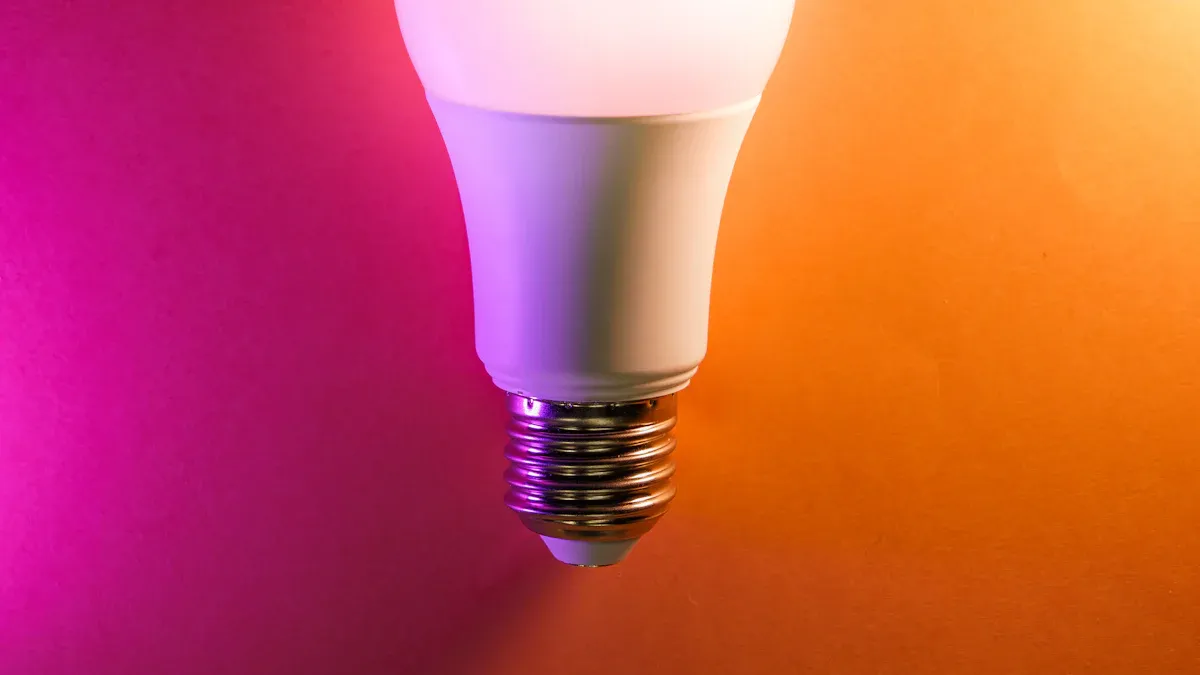
In 2026, dedicated light therapy rooms are becoming a key feature in homes and wellness centers. These spaces use advanced led panel systems to deliver specific wavelengths and intensities of light. This targeted approach promotes mental and physical well-being. The technology transforms a simple room into a powerful therapeutic environment.
Creating Therapeutic Spaces
The design of these rooms focuses on creating an immersive and controlled experience. The goal is to harness the power of light for health benefits.
Designing a Home Light Therapy Room
Homeowners can create their own wellness sanctuaries. A home light therapy room often uses tunable white and full-color led panels on ceilings or walls. Users can program these lights to simulate natural daylight or create specific color scapes. A comfortable chair and a simple, uncluttered design complete the space, making it an ideal retreat for daily light sessions.
Applications in Spas and Wellness Centers
Spas and wellness centers are integrating led therapy rooms to offer advanced treatments. These professional setups provide clients with curated light experiences designed to reduce stress, boost energy, or improve mood. The controlled environment ensures clients receive the optimal dosage of therapeutic lights for maximum benefit.
The Science of Light Therapy
The effectiveness of light therapy is rooted in scientific principles. Specific colors and intensities of light trigger biological responses in the body, influencing everything from mood to sleep cycles.
Using Color for Chromotherapy
Chromotherapy uses color to help balance the body's energy. While still an emerging field, practitioners use different hues of led lights to target specific wellness goals. For example, blue light is often associated with calmness, while yellow may be used to evoke feelings of happiness.
Treating Seasonal Affective Disorder (SAD)
Light therapy is a well-established treatment for Seasonal Affective Disorder (SAD). Specific wavelengths of light are particularly effective. White light is a composite light that safely mimics natural sunlight, making it highly suitable for SAD patients. Blue light also shows significant improvement in depressive symptoms because it strongly affects brain regions linked to emotion.
Light Type | Efficacy in Alleviating SAD Symptoms |
|---|---|
White Light | Most effective |
Green Light | Second most effective |
Blue Light | Third most effective |
Red Light | Least effective (placebo effect) |
Programming for Well-Being
The intelligence of modern led lighting systems allows for precise control over therapy sessions. Users can program dynamic sequences to achieve specific wellness outcomes.
Creating Light 'Sessions' for Energy
An energizing session might start with warm, low-intensity led lights that gradually shift to a bright, cool-white light. This sequence mimics the progression from sunrise to midday. It helps stimulate alertness and can improve focus at the start of the day.
Designing Sequences for Relaxation
A relaxation sequence works in reverse. It could begin with a neutral white light and slowly transition to the warm, dim tones of a sunset. This progression signals the body to wind down, helping to reduce stress and prepare for a restful night's sleep. These programmed led lights offer a natural way to manage energy levels.
By 2026, led panels will be fully integrated, interactive, and intelligent components of our environments. These led systems move far beyond simple illumination. The future of lighting is its fusion with technology. This led technology is designed to actively enhance health, productivity, and daily experiences.
The future is not just bright; it's smart and responsive. These innovative uses for led lighting create beautifully illuminated and innovative effects in every space.
FAQ
What is a 'Digital Sky' ceiling?
A 'Digital Sky' ceiling uses large arrays of tunable LED panels. These systems mimic the natural color and intensity of daylight. This technology helps regulate human circadian rhythms and improves well-being in indoor environments like a home studio.
How do 'Virtual Windows' work?
Virtual windows use high-resolution LED panels to display realistic, dynamic outdoor scenery. The technology creates a convincing illusion of a real window. It is ideal for windowless spaces, reducing feelings of claustrophobia and simulating natural light exposure.
Why do 'Living Walls' need integrated LEDs?
Biophilic 'living walls' integrate full-spectrum LED grow lights. These lights provide the specific wavelengths necessary for photosynthesis. This allows lush, healthy plants to thrive indoors, even in areas with little to no natural sunlight.
How does a 'Notification Ceiling' provide alerts?
A notification ceiling uses smart LED panels to deliver silent, visual alerts. The lights change color or pulse to signal events like a package delivery or a security warning. Users can customize these color-coded cues through apps.
What creates the 'floating' effect in architecture?
Designers achieve a 'floating' effect by backlighting structures with ultra-slim LED panels. The light source remains hidden, creating a halo that visually separates the object from its background. This technique makes heavy materials like stairs or countertops appear weightless.
Pro Tip: The color temperature of these LEDs is crucial. Warm white (2700K) creates a cozy feel, while neutral white (4000K) is excellent for modern, task-oriented spaces like a professional studio.
What is a 'Light Therapy' room?
A light therapy room is a space designed for wellness. It uses programmable LED panels to deliver specific colors and intensities of light. These controlled light sessions can help treat conditions like SAD, boost energy, or promote relaxation.