

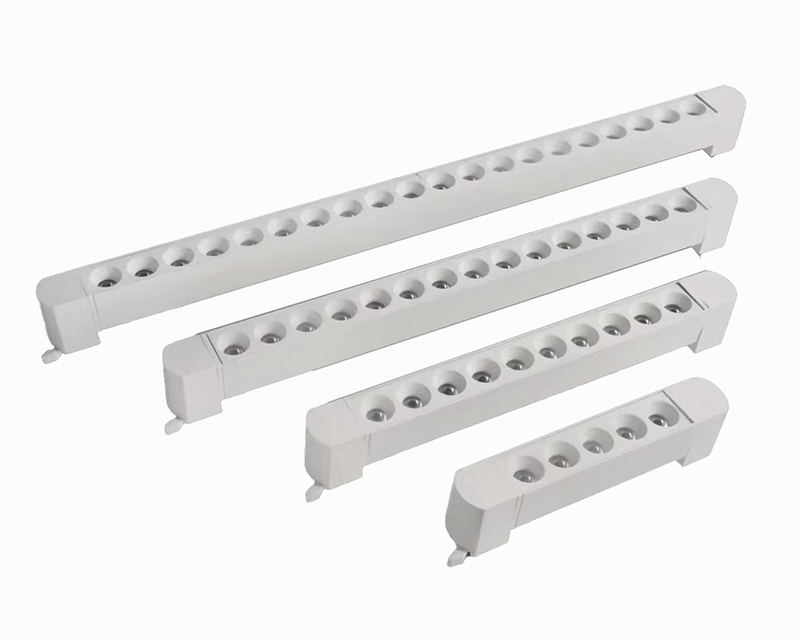
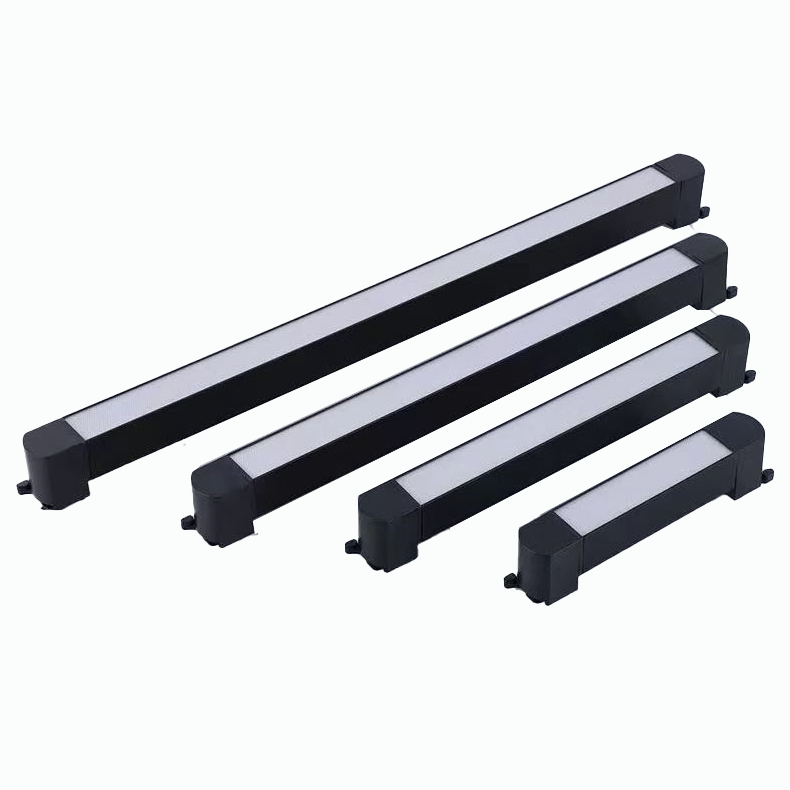
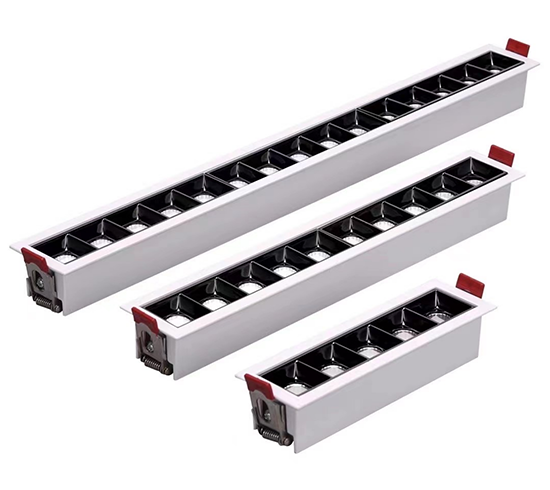
An installer must prioritize safety to install LED ceiling lights correctly. The first critical action is to turn off power at the circuit breaker. This step prevents electrical shock. After flipping the breaker, a voltage tester is essential. One must use it on the ceiling fixture's wires. This confirms the power is completely off before touching anything. This verification is a non-negotiable part of the process for any new LED ceiling light. Following this protocol ensures personal safety and a successful installation of your new LED light fixtures. A reputable LED Ceiling Light Manufacturer or any quality led light manufacturers would endorse these safety measures.
Your First Step to Safety: How to Turn Off Power Correctly
Properly de-energizing the circuit is the most important step for any electrical project. An installer must turn off power at the source before beginning work. This action is a fundamental part of all electrical precautions and ensures personal safety.
Locate and Operate Your Circuit Breaker
Finding Your Home's Breaker Box
An installer first needs to find the home's main electrical panel, or breaker box. These panels are typically located in out-of-the-way areas. Common locations include a basement, garage, utility closet, or hallway. The panel is a metal box, usually gray, set into or mounted on a wall.
Identifying and Flipping the Correct Circuit
Once the panel is located, the installer must identify the correct circuit. An ideal panel has a clearly labeled directory inside the door, indicating which breaker controls which room or appliance. If the panel is not labeled, a two-person method is effective. One person watches the light fixture while the other flips breakers one by one until the light goes out. The installer should understand common breaker types.
Breaker Type | Amperage Indication | Functional Markings/Labels |
|---|---|---|
Single-Pole | 15- or 20-amps | Single switch for lights and outlets. |
Double-Pole | 30 to 60+ amps | Two connected switches for large appliances. |
GFCI | Varies by use | "Test" and "Reset" buttons, "GFCI" label. |
AFCI | Varies by use | "Test" button, "AFCI" label. |
After identifying the correct breaker, the installer must move its switch firmly to the "OFF" position.
Verify the Power is Off with a Voltage Tester
Flipping the breaker is not enough. An installer must always verify that the power is off at the fixture itself. This step is one of the most critical safety requirements.
How to Properly Use a Non-Contact Voltage Tester
A non-contact voltage tester is an essential tool. Before checking the ceiling fixture, an installer must confirm the tester works correctly.
Test the device on a known live source, like a working outlet. The tester should light up or beep.
At the fixture, ensure the wall switch is in the "ON" position.
Carefully remove the old fixture's cover and bulb.
Place the tip of the tester near each wire inside the electrical box.
Important Note: Non-contact testers can sometimes give false readings. For absolute certainty, especially before touching wires, an installer should always follow up with a contact-style multimeter to confirm zero voltage.
What to Do If Voltage Is Still Detected
If the tester indicates voltage, the installer must stop immediately. He or she should return to the breaker box to ensure the correct circuit was shut off. Work must not continue until the tester confirms the wires at the ceiling are completely de-energized.
Prepare Your Work Area for a Safe Job
Final precautions involve preparing the physical workspace. A clean and secure environment prevents accidents.
Select a Sturdy and Stable Ladder
The choice of ladder is crucial for safety.
An installer must use a ladder made from a non-conductive material, such as fiberglass.
Portable metal ladders should never be used for electrical work due to shock hazards.
The ladder must be placed on a flat, stable surface and inspected for damage before use.
Ensure the Area is Dry and Well-Lit
The work area must be completely dry, as water and electricity are a dangerous combination. An installer should also set up supplemental lighting, like a headlamp or work light. Good visibility is necessary to see wires and connections clearly, reducing the chance of errors.
Gathering the Right Tools and Materials to Install LED Ceiling Lights

An installer ensures a smooth and safe project by gathering all necessary equipment before beginning. Having the right tools and materials on hand prevents interruptions and reduces the risk of using improper substitutes. This preparation is a key step to properly install led ceiling lights.
Essential Tools for the Installation
A prepared installer has a dedicated toolkit for electrical work. The following items are essential for this task.
Voltage Tester
A non-contact voltage tester is a critical safety device. An installer uses it to confirm that no electrical current is present in the wires before touching them. This tool provides the final verification that the circuit is de-energized.
Phillips and Flathead Screwdrivers
A set of screwdrivers is necessary for the mechanical parts of the job. An installer will need them to remove the screws holding the old fixture and to attach the new mounting bracket to the ceiling junction box.
Wire Strippers and Pliers
Wire strippers cleanly remove the outer plastic insulation from electrical wires to expose the copper for connection. Pliers, particularly needle-nose pliers, help an installer bend wire ends and securely twist wires together before capping them.
A Sturdy Ladder or Step Stool
Safe access to the ceiling fixture is paramount. An installer must use a sturdy ladder, preferably made of a non-conductive material like fiberglass. The ladder should be placed on a flat, solid floor to prevent wobbling or tipping.
Necessary Materials for Your New Fixture
In addition to tools, an installer needs the specific materials for the new led fixture.
The New LED Ceiling Light Fixture
The primary component is the new fixture itself. An installer should unpack it and check that all parts, including the mounting bracket and screws, are included and undamaged.
Correctly Sized Wire Nuts
Wire nuts create secure electrical connections. Using the correct size is crucial for safety. A nut that is too small leaves exposed wire, while one that is too large creates a loose connection. An installer determines the right size with a simple process:
Identify the gauge (thickness) of the household and fixture wires.
Count the total number of wires being joined together.
Consult the wire nut packaging, which specifies the number and gauge of wires it can safely accommodate.
Professional Tip: Wire nut packaging provides the minimum and maximum wire combinations. Always stay within this specified range for a secure fit.
The color of a wire nut often indicates its size. While this can vary by manufacturer, a general guide is helpful.
Wire Nut Color | Typical Wire Combination |
|---|---|
Blue/Gray | Smaller gauge wires (e.g., two 22 AWG) |
Orange | Medium connections (e.g., two 18 AWG) |
Yellow | Standard connections (e.g., two 12 AWG) |
Red | Larger connections (e.g., three 12 AWG) |
Electrical Tape for Extra Security
After securing the wire nuts, an installer can wrap electrical tape around the nuts and wires. This action adds an extra layer of security and insulation, helping to ensure the wire nuts do not vibrate loose over time.
A Step-by-Step Guide for Safe Installation
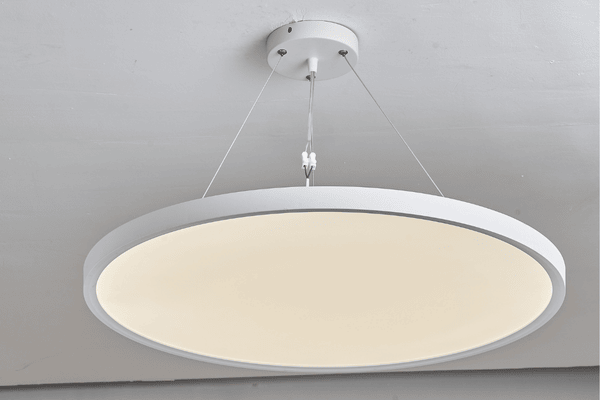
Step 1: Remove the Old Light Fixture
Removing the existing fixture requires care to avoid damaging the ceiling or wiring. An installer should support the fixture's weight at all times until it is completely disconnected.
Taking Off the Glass Globe or Cover
The first action is to remove the fixture's cover. Many glass globes twist off counter-clockwise. Other designs use small thumbscrews or decorative nuts that an installer must loosen to release the cover. He or she should place the cover in a safe location away from the ladder.
Unscrewing the Fixture from the Ceiling
With the cover removed, the fixture's base is visible. An installer will see two or more screws holding the fixture base to the mounting bracket in the ceiling. He or she should use a screwdriver to loosen these screws. It is important to support the fixture with one hand while removing the final screw to prevent it from falling.
Safely Disconnecting the Old Wires
The installer lowers the fixture slightly to expose the wire connections. He or she will find the fixture's wires connected to the house wires with wire nuts. The installer must unscrew these nuts by twisting them counter-clockwise. After removing the nuts, he or she can gently untwist and separate the wires to free the old fixture completely.
Step 2: Inspect the Ceiling Junction Box and Wiring
Before installing the new fixture, a thorough inspection of the existing electrical components is a critical safety measure. This check can reveal hidden dangers that must be addressed.
Checking the Box for Damage or Looseness
An installer must first inspect the junction box in the ceiling. He or she should gently push on the box to ensure it is securely fastened to a ceiling joist. A loose box cannot support the weight of a new fixture and must be re-secured. The installer should also look for any cracks, charring, or rust on the box itself.
Examining Wires for Fraying or Brittleness
Next, the installer must carefully examine the household wiring coming into the box. The insulation should be flexible and intact. Old wiring can become brittle, cracked, or frayed over time, creating a serious fire hazard. Connecting a modern fixture to compromised wiring is extremely dangerous.
Warning: Signs of Unsafe Wiring An installer must stop work and consult a licensed electrician if he or she observes any of the following red flags. Ignoring these signs compromises the safety of the entire electrical system.
Wire insulation that is cloth-wrapped, brittle, or flakes away when touched.
Aluminum wiring, common in homes built from the mid-1960s to early 1970s.
A persistent burning smell or visible char marks around the junction box.
Frequent issues like flickering lights or circuit breakers that trip for no clear reason.
Step 3: Wire the New LED Fixture
Properly wiring led lights ensures the fixture functions correctly and safely. This step involves making secure, color-coded connections between the new led fixture and the home's electrical system.
Installing the New Mounting Bracket
Most new fixtures come with a universal mounting bracket. An installer attaches this bracket to the junction box using the screws provided. The bracket should be oriented according to the fixture's instructions, ensuring the fixture will hang straight.
Connecting Wires: Hot, Neutral, and Ground
An installer connects the wires by matching the colors from the fixture to the corresponding wires in the junction box. This color-coding is standard in North America and is essential for a safe circuit.
Wire Type | Function | |
|---|---|---|
Hot | Black or Red | Carries live electrical current from the panel. |
Neutral | White | Completes the circuit, carrying current back to the panel. |
Ground | Green, Green/Yellow, or Bare Copper | A safety wire that diverts excess current to the earth. |
The process is straightforward: connect the black fixture wire to the black house wire, the white fixture wire to the white house wire, and the green or bare copper ground wire to the corresponding ground wire in the box.
Securing Connections Firmly with Wire Nuts
To create a connection, an installer holds the bare ends of the two matching wires together. He or she then uses pliers to twist the copper ends together clockwise. Finally, the installer screws a correctly sized wire nut over the twisted wires until it is tight. A gentle tug on each wire confirms the connection is secure. This final step is crucial when you install led ceiling lights.
Step 4: Mount the New LED Fixture
With the wiring complete, the next step is to physically mount the fixture to the ceiling. An installer performs this step carefully to ensure a secure and professional-looking result.
Neatly Tucking Wires into the Junction Box
An installer must first gently push all the connected wires and wire nuts up into the junction box. He or she should arrange them carefully to avoid pinching or damaging the insulation. The wires must not obstruct the mounting screws or prevent the fixture base from sitting flush against the ceiling. Forcing the wires can loosen connections and create a safety hazard.
Securing the Fixture Base to the Bracket
The installer aligns the fixture base with the mounting bracket. He or she then inserts the provided mounting screws through the base and into the corresponding holes on the bracket. Proper installation of the bracket is crucial for safety.
Safety Alert: An incorrectly installed bracket can lead to fixture instability. An installer must ensure the bracket is securely anchored to a stable surface, following all manufacturer guidelines.
Before an installer proceeds to mount the fixture, he or she must confirm several key safety points.
All metal brackets, boxes, and fixtures must be grounded. An installer uses special green-colored grounding screws (10-32 machine screws) for a positive connection.
The junction box must support the fixture's weight. Most standard boxes are rated for 50 pounds; a heavier fixture requires a fan-rated box.
The installer gives the fixture a gentle tug after tightening the screws. This action ensures it is securely mounted and does not wobble.
Attaching the Final Cover or Trim
The final action is to attach the fixture's decorative cover or globe. An installer follows the manufacturer's instructions for this step. Many designs require twisting the cover clockwise until it is snug. Others use small thumbscrews or nuts that he or she tightens by hand to hold the trim in place.
Step 5: Restore Power and Test Your Work
The installation is complete. An installer must now safely restore power and verify that the new light functions correctly. This final check confirms the success of the project.
Turning the Circuit Breaker Back On
The installer returns to the home's main electrical panel. He or she locates the circuit breaker that was previously turned off. The installer then moves the breaker switch firmly from the "OFF" position back to the "ON" position.
Testing the Light with the Wall Switch
With power restored, the final test can begin. This simple sequence verifies that the project to install led ceiling lights was successful. An installer follows these steps:
Return to the room with the new led fixture.
Ensure the area below the ceiling light is clear.
Flip the wall switch to the "ON" position.
Observe the fixture to confirm it illuminates properly without any flickering.
Common Mistakes That Compromise Installation Safety
Even a straightforward installation can become hazardous if an installer overlooks common errors. Avoiding these pitfalls is essential for ensuring personal safety and the long-term reliability of the new fixture. An installer must recognize and prevent these frequent mistakes.
Assuming the Power Is Off Without Testing
The most critical error in any electrical project is making assumptions about power. An installer must never assume a circuit is de-energized without absolute verification.
The Danger of Only Using the Wall Switch
Relying on a wall switch alone is a dangerous shortcut. Switches can fail, or the home's wiring may not be configured as expected. Proper procedure is non-negotiable.
An installer must never rely solely on the wall switch.
He or she must always turn off power at the circuit breaker controlling the fixture.
A voltage tester must be used to confirm zero electrical flow before work begins.
Why You Must Always Test Before You Touch
A voltage tester provides the definitive proof that a circuit is safe. This simple action is the final barrier between the installer and a live electrical current. Testing before touching is a fundamental rule of electrical work that prevents severe injury.
Using Incorrect Wire Connectors
The small plastic wire nuts that join wires play a huge role in electrical safety. Using the wrong size or making a poor connection can lead to significant problems.
Matching Wire Nut Size to Wire Gauge
Wire nuts are not one-size-fits-all. An undersized connector can leave exposed wire, while an oversized one will not create a tight connection. Poor wire connections create resistance, which leads to overheating and a potential fire hazard. If an exposed conductor protrudes from the wire nut, it signals an improper termination that compromises the connection.
How to Confirm a Tight, Secure Connection
A secure connection prevents electrical arcing and overheating. An installer can confirm a solid connection with a few simple checks.
Twist the bare wire ends together clockwise before applying the nut.
Tighten the wire nut until it feels firm and the wires are held snugly.
Visually inspect the connection to ensure no bare copper is exposed.
Give each wire a gentle tug to confirm it is securely held inside the nut.
Failing to Secure the Fixture Properly
A new light fixture must be anchored securely to the ceiling structure. A loose fixture is a falling hazard that can cause injury and property damage.
The Risk of a Loose Mounting Bracket
The mounting bracket is the foundation of the installation. If this bracket is loose or attached only to drywall, it cannot support the fixture's weight. An installer must ensure the bracket is screwed firmly into a solid junction box that is itself anchored to a ceiling joist.
Dangers of an Overloaded or Damaged Junction Box
An installer must respect the structural limits of the ceiling junction box. Standard boxes are typically rated for fixtures up to 50 pounds. Attaching a heavier fixture to an unsupported box can cause it to detach from the ceiling, leading to significant damage and creating a serious safety risk. A damaged or rusted box lacks the integrity to support any fixture and must be replaced.
Ignoring or Improperly Connecting the Ground Wire
An installer must treat the ground wire with the same importance as the hot and neutral wires. Overlooking this connection or making it improperly negates a critical safety feature of the home's electrical system.
The Critical Safety Role of the Ground Wire
The ground wire functions as a crucial safety net. Under normal conditions, it carries no electrical current. Its job begins only when a problem occurs, such as a frayed hot wire touching a metal part of the fixture. In this event, the ground wire provides a secure, low-resistance path for the stray electricity to travel directly to the earth. This sudden surge of current trips the circuit breaker, instantly shutting off power.
Key Takeaway: The ground wire's primary purpose is to protect people from electric shock and to prevent electrical fires. It acts as an emergency exit for dangerous fault currents.
Without a proper ground connection, a faulty fixture's metal casing could become energized. Anyone who touches the fixture would then become the path to ground, resulting in a severe or fatal electric shock. This single connection is a non-negotiable component of electrical safety.
How to Correctly Ground Your Fixture
An installer must follow a specific procedure to ground a fixture correctly, especially when working with a metal junction box. The goal is to connect the fixture, the junction box, and the home's supply ground wire into a single, continuous system.
The standard connection involves joining the fixture's ground wire (green or bare copper) to the corresponding ground wire from the ceiling using a wire nut. If the junction box is metal, an installer must also ground the box itself.
An installer achieves a proper ground connection in a metal box with these steps:
He or she first connects the home's supply ground wire to the metal box. This is done by wrapping the wire around a green grounding screw and tightening it into a dedicated threaded hole in the box.
Next, the installer creates a "pigtail." He or she takes a separate, 6-inch piece of bare copper or green insulated wire and connects it to the same grounding screw.
Finally, the installer joins the end of this pigtail, the fixture's ground wire, and the supply ground wire together using a single wire nut.
This method ensures the box and the fixture are both safely grounded. An installer must never use cable clamp screws or fixture mounting screws for grounding purposes.
Troubleshooting Common Post-Installation Issues
An installer may encounter issues even after a careful installation. Addressing these common problems methodically can resolve them quickly and safely. This section covers the most frequent post-installation challenges.
Why Is My New LED Light Flickering?
Flickering is a common annoyance with new light installations. An installer can usually trace the cause to one of two sources: the wiring connections or the wall switch.
Checking for Loose Wire Connections
A primary cause of flickering is a poor electrical connection. A loose wire nut or an improperly joined wire can interrupt the flow of current, causing the light to flicker. An installer must first turn off the power at the circuit breaker and verify it is off with a voltage tester. He or she then re-examines each wire nut connection, ensuring all wires are twisted together securely and the nuts are tight.
Incompatibility with an Old Dimmer Switch
Many flickering issues stem from the wall switch itself, especially if it is an older dimmer.
Traditional dimmers were designed for incandescent bulbs and are often incompatible with modern led technology.
These older switches can cause flickering because they are not built to handle the low power draw of LEDs.
If flickering occurs when adjusting the brightness, the dimmer switch is the likely culprit.
Solution: An installer should replace the old dimmer with a new model specifically rated for LED fixtures. This ensures smooth, flicker-free operation across all brightness levels.
The Light Doesn't Turn On at All
If the new fixture fails to illuminate, an installer should follow a logical diagnostic sequence. The problem is often simple to fix.
Re-Checking Your Breaker and Switch
The first step is to check the most obvious culprits. An installer should return to the electrical panel to confirm the circuit breaker is firmly in the "ON" position. He or she must also ensure the wall switch for the fixture is on. Sometimes a breaker can look like it is on but may need to be flipped completely off and then on again to reset it.
Verifying All Wire Connections Are Secure
If the breaker and switch are not the issue, the problem likely lies with the wiring. The installer must again de-energize the circuit and use a voltage tester. He or she then inspects the wire connections inside the junction box. A wire may have slipped out of a nut, or the hot and neutral wires might have been reversed. Correcting these connections should restore power to the fixture.
The Fixture Base Is Not Flush with the Ceiling
A gap between the fixture base and the ceiling detracts from the finished look and can indicate an insecure mount. An installer can usually correct this with minor adjustments.
Adjusting the Mounting Bracket Screws
Sometimes the mounting screws that hold the fixture to the bracket are too long. They may bottom out before pulling the fixture base tight against the ceiling. An installer can often fix this by slightly backing out the screws on the mounting bracket itself, allowing the fixture to sit closer.
Ensuring Wires Are Not Obstructing the Base
The most common cause of a gap is bunched-up wiring. If the wires and wire nuts are not tucked neatly into the junction box, they can prevent the fixture base from sitting flat. An installer should carefully arrange the wires to the sides of the box, creating a clear space for the fixture base to mount flush against the ceiling surface.
When to Call a Professional Electrician for Your Safety
An installer must know when a DIY project exceeds his or her expertise. Certain situations require the skill of a licensed professional to ensure safety and code compliance. Recognizing these red flags is just as important as knowing how to perform the installation itself.
Signs of Old or Unsafe Household Wiring
Old wiring presents significant fire and shock hazards. An installer who encounters these signs must stop work immediately and consult an electrician.
Identifying Outdated Aluminum Wiring
Homes built or expanded between 1965 and 1973 may contain solid aluminum wiring. This type of wiring requires special handling due to its tendency to expand, contract, and oxidize, creating loose and hazardous connections. An installer can identify it by looking for specific clues.
The wire itself has a distinct silver or gray color, unlike copper.
The plastic wire jacket may be marked with the word "aluminum" or the initials "AL".
Switch plates or outlets that feel warm to the touch often signal overheating connections.
Flickering lights that are not caused by a loose bulb can indicate an unstable connection somewhere in the circuit.
Warning: A burning plastic smell near outlets is a critical sign of overheating insulation. An installer must treat this as an emergency and call a professional immediately.
Recognizing Brittle, Cracked, or Frayed Insulation
Wire insulation protects against short circuits and electric shock. If the insulation on the wires in the ceiling junction box is compromised, the entire circuit is unsafe. Degraded insulation exposes live conductors, creating a severe fire hazard. This damage can lead to sparks or excessive heat, igniting nearby materials. An installer must look for insulation that flakes, cracks, or crumbles when touched. Connecting a new fixture to such wiring is extremely dangerous.
The Ceiling Junction Box Is Missing or Damaged
The junction box is a non-negotiable safety component. It contains the wiring and provides a secure anchor for the fixture.
Why a Secure Junction Box Is Non-Negotiable
A junction box serves two critical functions. It contains all wire connections to prevent sparks from igniting flammable materials in the ceiling cavity. It also provides the structural support needed to hold the weight of the light fixture. A fixture mounted directly to drywall or plaster will eventually fall, creating a significant hazard.
When a New Box Installation Is Required
An installer must call an electrician if the existing junction box is damaged, rusted, or loose. A professional is also required if there is no box at all, a situation sometimes found in older homes. An electrician can securely mount a new, code-compliant box to the ceiling joists, providing a safe foundation for the new LED fixture.
If You Are Unsure About Any Step
DIY electrical work leaves no room for uncertainty. If an installer feels hesitant or confused at any point, it is a clear signal to stop and seek professional help.
Trusting Your Gut Feeling
An installer's intuition is a valuable tool. If a situation feels wrong or looks different from the instructions, he or she should trust that feeling. Pushing forward with uncertainty can lead to dangerous mistakes. There is no shame in recognizing the limits of one's knowledge.
The Value of Professional Expertise and Safety
A licensed electrician brings years of training, experience, and knowledge of local electrical codes. Hiring a professional provides peace of mind, ensuring the work is done correctly and safely. For complex issues like rewiring, troubleshooting frequent breaker trips, or working with outdated systems, professional expertise is invaluable.
An installer's safety is the top priority. He or she must always remember to turn off power, test wires before touching, and ensure all connections are secure. This guide empowers an installer to install led ceiling lights correctly. However, an installer should never hesitate to call a professional for a damaged ceiling box or old wiring. The cost for a professional to install a new led ceiling fixture, typically ranging from $228 to $577, is a worthwhile investment for a secure installation and peace of mind.
FAQ
Can an installer reuse the old mounting bracket?
An installer should always use the new bracket provided with the fixture. This action guarantees compatibility and a secure fit for the new light's specific weight and design. Reusing an old bracket risks an unstable installation and is not recommended for safety.
Do LED lights require a special wall switch?
Standard on/off switches work perfectly with LED fixtures. If the circuit has a dimmer, an installer must ensure it is a modern, LED-compatible model. Using an older dimmer designed for incandescent bulbs often causes flickering or buzzing.
Professional Tip 💡 An installer should always check the dimmer switch's packaging for "LED" or "CFL/LED" compatibility to ensure smooth operation.
What if the house wires are the same color?
An installer must stop work immediately if he or she cannot distinguish the hot and neutral wires. He or she should use a multimeter to safely identify each wire's function. Guessing is extremely dangerous and may require a professional electrician's help.
How long does a typical LED fixture last?
LED fixtures offer exceptional longevity. Most are rated for 25,000 to 50,000 hours of use. This translates to many years of maintenance-free operation, far outlasting traditional incandescent bulbs and reducing the need for frequent replacements.
Is it safe to install an LED fixture in a bathroom?
Yes, if the installer uses the correct type of fixture. He or she must select a light that is specifically rated for "damp" or "wet" locations. This rating ensures the fixture is sealed to protect its internal components from moisture and humidity.
Why is my new LED light making a buzzing sound?
A buzzing noise often points to an incompatible dimmer switch. An installer should first verify the dimmer is LED-rated. In rare cases, loose internal fixture wiring could be the cause, which would require a warranty replacement or professional inspection.
What do "lumens" and "watts" mean on the packaging?
An installer should understand these key terms to select the right light.
Lumens (lm): Measure the light's brightness. More lumens mean a brighter light.
Watts (W): Measure the energy the light consumes. LEDs produce high lumens with low wattage.