
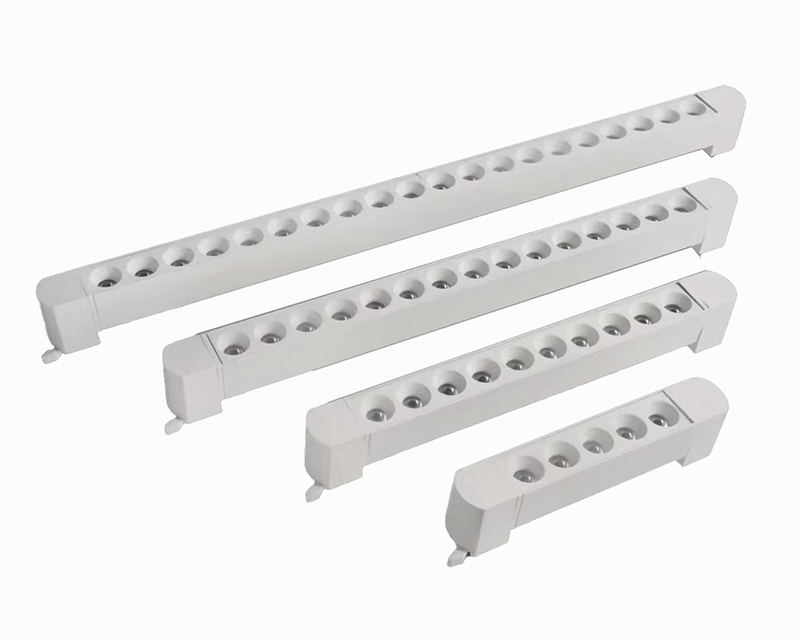
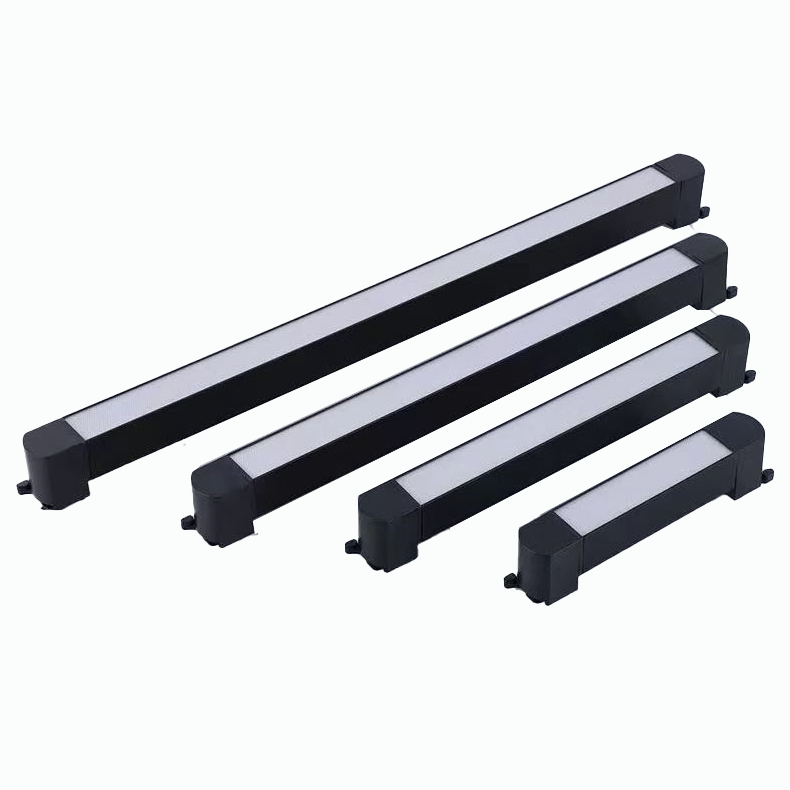
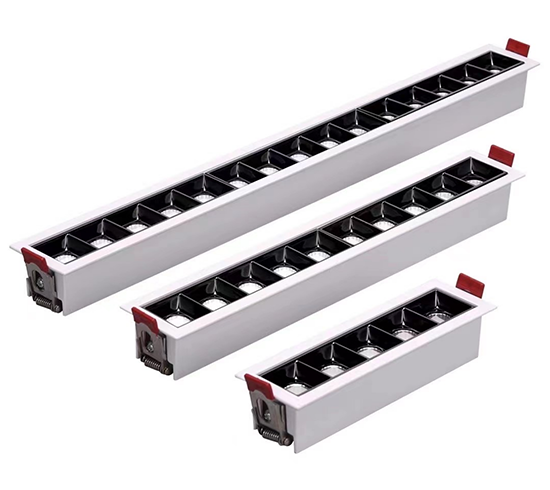
Selecting the right led ceiling light manufacturer begins with a critical step. This initial diligence is vital when choosing led lights for home. Buyers must verify safety certifications on all led light fixtures. They should also investigate the quality control processes of potential led light manufacturers. This foundation ensures a safe, reliable partnership for any led ceiling installation.
A quality LED Ceiling Light for any ceiling begins with a thoroughly vetted supplier.
Start with Certifications and Quality Control

A manufacturer's commitment to quality is not a matter of chance; it is a deliberate system of verification and control. Before evaluating a single product, a buyer must scrutinize the foundational pillars of safety certifications and quality management. This initial investigation separates professional operations from unreliable suppliers and is the most important step in sourcing a dependable led ceiling light.
Confirm Essential Safety Certifications
Safety certifications are non-negotiable. They act as a third-party guarantee that a product meets stringent electrical and safety standards, protecting both property and people.
North American Standards (UL & ETL)
While not a federal law, UL or ETL certification is a practical necessity for led lighting sold in the United States. Local building codes and commercial clients often mandate it. Importing non-certified products can lead to confiscation or fines. These marks signify:
Safety Assurance: The product passed rigorous tests to prevent electrical hazards.
Insurance Requirements: Many insurers require certified products for policy coverage.
Quality Indicator: The certification serves as a benchmark for performance and durability.
Regulatory Compliance: It is essential for meeting local building codes.
European Standards (CE)
The CE mark is a mandatory declaration for products sold within the European Economic Area (EEA). It confirms the product complies with EU health, safety, and environmental protection standards. A manufacturer selling a ceiling light without this mark faces severe consequences.
Note: Selling non-CE marked electronics in the EU can result in product recalls, fines, a ban on sales, and significant damage to a company's reputation.
The Role of Third-Party Verification
Not all certifications carry the same weight. A manufacturer's self-declaration is faster and cheaper, but third-party verification by an accredited lab like UL or Intertek (ETL) offers far greater credibility and is often required for high-risk products like electricals.
Feature | Manufacturer's Self-Declaration | Third-Party Verification |
|---|---|---|
Credibility | Lower (subject to regulatory scrutiny) | Greater (certified by independent labs) |
Risk | Higher (legal consequences if incorrect) | Lower (ensures compliance with strict rules) |
Cost | Lower (no external assessment fees) | Higher (testing fees can be expensive) |
Investigate Quality Management Systems
A robust Quality Management System (QMS) demonstrates a manufacturer's dedication to consistency and improvement across its entire operation.
Look for ISO 9001 Compliance
ISO 9001 is the international standard for a QMS. A certified manufacturer builds its processes around key principles to ensure consistent quality for every led product. These principles include:
Customer focus
Leadership and engagement of people
A systematic process approach
Continuous improvement
Evidence-based decision making
Ensure Environmental Compliance (RoHS)
The Restriction of Hazardous Substances (RoHS) directive limits the use of specific hazardous materials found in electrical and electronic products. Compliance is mandatory for selling in the EU and shows a manufacturer's commitment to environmental responsibility.
Analyze the Quality Control Process
A manufacturer should have a multi-stage quality control process to catch defects before a product ever ships.
Incoming Quality Control (IQC)
This first step involves inspecting all raw materials and components—like led chips, drivers, and housings—upon arrival. This prevents faulty parts from ever entering the production line for a ceiling fixture.
In-Process Quality Control (IPQC)
During assembly, inspectors monitor processes and conduct tests, such as automated optical inspection (AOI). This catches manufacturing defects as they happen, reducing waste and ensuring the integrity of each ceiling light.
Final Quality Control (FQC)
Before packaging, every finished led lighting product undergoes comprehensive final testing. This includes functional tests, burn-in stress tests, and safety checks to validate performance and durability.
Assess LED Product Quality and Performance
After verifying certifications, a buyer must shift focus to the product itself. The performance of an LED ceiling light depends entirely on its technical specifications and the quality of its internal components. A detailed assessment reveals the true value behind the price tag.
Evaluate Key Technical Specifications
Data sheets provide critical performance metrics. Understanding these numbers helps a buyer compare products objectively and select the right led lighting for a specific application.
Brightness and Efficiency (Lumens & Lumens/Watt)
Brightness is measured in lumens, not watts. Efficiency, measured in lumens per watt (lm/W), shows how effectively a fixture converts electricity into light. Higher efficiency means lower energy costs. For example, high-efficiency commercial led ceiling lights often produce between 130 and 180 lumens per watt. This level of performance makes them an excellent choice for energy-efficient lighting solutions.
Light Quality (CRI & CCT)
Light quality determines how colors and atmosphere appear under the led bulbs.
Color Rendering Index (CRI): This measures how accurately the led bulbs render colors on a scale of 0-100. A CRI above 90 makes objects appear natural, which is vital for residential spaces like living rooms. A CRI of 95 makes colors nearly identical to their appearance in natural light, a key detail for interior designers.
Correlated Color Temperature (CCT): Measured in Kelvin (K), CCT describes the light's color appearance, from warm (2700K) to cool (5000K+). The choice affects the mood of a room.
Durability and Lifespan (Rated Hours & IP Rating)
A quality ceiling light is a long-term investment. Rated hours (e.g., L70 at 50,000 hours) indicate how long the led bulbs will maintain at least 70% of their initial brightness. The Ingress Protection (IP) rating shows the fixture's resistance to dust and water, a crucial factor for a ceiling in damp locations.
Scrutinize Core Components
The performance of a ceiling light is only as good as its weakest part. The brand and quality of the LED chips and driver are paramount.
Impact of LED Chip Brands
Top-tier chip manufacturers like Osram, Samsung, and Lumileds invest heavily in research to deliver superior performance, longevity, and energy savings. A manufacturer using reputable led chips signals a commitment to quality. Less-known brands may offer lower costs but often at the expense of reliability.
Reliability of LED Drivers
The LED driver is the heart of the fixture, converting AC power to the DC power the led needs. A poor-quality driver is the most common point of failure in led lighting. It can cause flickering, poor dimming, and premature failure of the entire ceiling fixture.
Request and Test Product Samples
Never place a bulk order without first testing a sample. A physical sample provides undeniable proof of a manufacturer's claims.
Conducting a Physical Inspection
A buyer should examine the sample for build quality. Check the housing material, the finish, and the sturdiness of the assembly. A well-made product feels solid and has no visible defects. This inspection applies to the entire ceiling unit.
Testing Light Output and Color Consistency
Use professional tools to verify the manufacturer's data sheet.
Key testing equipment includes:
Light Meters: To measure illuminance (lux).
Integrating Spheres: For precise measurement of total luminous flux in a lab setting.
Spectrometers: To verify CRI and CCT values.
Evaluating Dimming and Functionality
Test all advertised features. If the ceiling light is dimmable, connect it to a compatible dimmer. Check for smooth operation without any flickering or buzzing noises across the entire dimming range.
Vet the LED Ceiling Light Manufacturer’s Credibility
A manufacturer’s product quality is directly tied to its experience and reputation. A buyer must verify a company’s background to ensure it is a stable and reliable partner. This vetting process protects the investment and guarantees the final ceiling light meets project standards.
Investigate Manufacturing Experience
Experience provides insight into a manufacturer's stability and expertise. However, a buyer needs to look beyond the founding date and examine the company's specific history with led technology.
Years in Business vs. Years in LED Production
A company with 30 years in business may have only five years of experience producing led lighting. A buyer should prioritize a manufacturer's tenure in the led sector. Deep experience with led components and thermal management is more valuable than general manufacturing history. This focus ensures the partner understands the nuances of modern lighting for any ceiling.
Specialization in Ceiling Lights
A generalist manufacturer produces many product types. A specialist focuses on a specific category, like the ceiling light. A specialized led ceiling light manufacturer often possesses superior design knowledge, understands common installation challenges for a ceiling, and has a more refined supply chain for relevant components. This specialization typically results in a higher-quality product for the ceiling.
Review Their Project Portfolio and Reputation
Past performance is a strong indicator of future results. A buyer should review a manufacturer’s portfolio and market standing to confirm its claims. This step builds confidence in their ability to deliver.
Look for Relevant Case Studies
Case studies offer a window into a manufacturer's problem-solving capabilities. A buyer should seek out detailed project summaries, not just glossy photos. A strong case study demonstrates capability by including:
Customer Profile: It introduces the client and their industry.
Challenge Introduction: It details the specific problems the client faced.
Solution Spotlight: It explains how the manufacturer’s led products solved the challenge.
Quantifiable Results: It presents hard data, such as energy savings or performance improvements.
Ask for Client References
Direct feedback from past customers provides invaluable insight. When requesting references, a buyer should follow best practices to get the most useful information. It is wise to ask for multiple contacts from clients who ordered a similar ceiling light. A phone call is often more revealing than an email.
Some manufacturers may hesitate to provide direct client contacts due to privacy agreements. This is a normal aspect of B2B relationships. In such cases, a buyer should rely on other forms of verification.
Check Online Reviews and Industry Standing
A buyer can gather information from multiple sources. B2B platforms, industry trade publications, and participation in lighting fairs all speak to a company's standing. Checking these resources helps create a complete picture of the led ceiling light manufacturer, confirming its reputation for quality and service for every ceiling, ceiling, and ceiling installation.
Analyze Production and Customization Capabilities

A buyer must evaluate a manufacturer's operational power. Production capacity, innovation, and customization services reveal if a supplier can meet specific project demands. This analysis ensures the chosen partner can deliver the right ceiling light on time and to specification.
Gauge Production Scale and Lead Times
Understanding a manufacturer's production rhythm is essential for project planning. It prevents delays and manages expectations for delivery.
Verify Monthly Production Capacity
A buyer should confirm the manufacturer's monthly output. This figure indicates if the factory can handle large-volume orders or scale up for future needs. A high capacity ensures a stable supply chain for any ceiling project.
Clarify Standard Production Lead Times
Lead times can vary significantly between standard and custom orders. A buyer must get clear timelines upfront. Made-to-order fixtures often require a few weeks, while rush options can shorten this period.
Order Type | Typical Lead Time |
|---|---|
Standard Fixtures (Made-to-Order) | |
Rush Production Orders | |
Custom Design Projects |
Understand Shipping and Logistics (FOB, CIF)
A buyer needs to clarify international shipping terms. Common incoterms like FOB (Free On Board) and CIF (Cost, Insurance, and Freight) define who is responsible for the goods during transit. This knowledge helps calculate final costs for each ceiling light.
Assess Research & Development Strength
A strong Research & Development (R&D) department signals a manufacturer's commitment to innovation and quality. It shows they are a leader, not a follower.
Inquire About the R&D Team
A buyer should ask about the size and expertise of the R&D team. A dedicated team of engineers ensures the led products are designed with the latest technology and high efficiency.
Ask About New Product Development
An innovative led ceiling light manufacturer constantly improves its products. A buyer should inquire about recent advancements.
Key innovations in modern led lighting include:
Smart Technology: Integration with mobile apps, voice commands, and occupancy sensors.
Improved Efficiency: New led chips deliver more lumens per watt, reducing energy use.
Human-Centric Lighting: Features like tunable white light and circadian rhythm support well-being.
Sustainable Materials: Use of recycled and eco-friendly components for the ceiling fixture.
Determine OEM/ODM Service Offerings
A buyer must understand the difference between OEM and ODM to choose the right service. This decision impacts design control, intellectual property, and time-to-market.
OEM (Original Equipment Manufacturer) Capabilities
OEM service allows a buyer to provide their own unique design. The manufacturer builds the product to exact specifications. This path offers complete brand differentiation for a custom ceiling light but requires a larger upfront investment in design and tooling.
ODM (Original Design Manufacturer) Capabilities
ODM service allows a buyer to select a pre-designed product from the manufacturer's catalog. The buyer can then rebrand it as their own. This approach is faster and more cost-effective, making it ideal for quick market entry.
The Process for Custom Orders
A custom order follows a structured path from idea to reality. Understanding this process helps a buyer manage the project timeline for their ceiling fixture.
Consultation & Design Brief: Define project requirements and specifications.
Design & Engineering: Develop 3D models and technical drawings for the led fixture.
Prototype Development: Create a functional sample for testing and validation.
Testing & Certification: Conduct performance tests and obtain necessary market certifications.
Mass Production: Begin full-scale manufacturing after prototype approval.
Packaging & Shipping: Arrange custom packaging and manage logistics for final delivery.
Evaluate Support, Warranty, and Pricing
A manufacturer's value extends beyond the product itself. A buyer must carefully examine the support structures, warranty policies, and pricing models. These elements define the long-term health of the partnership and protect the investment.
Review the Warranty and After-Sales Policy
A strong warranty is a manufacturer's promise of quality. It provides a safety net against defects and premature failure.
Standard Warranty Period (3-5 Years)
The industry standard for a quality led ceiling light is a warranty period of three to five years. This duration reflects confidence in the product's components and construction. A shorter warranty may signal the use of lower-grade materials.
Understanding Warranty Coverage
A buyer must read the fine print to understand what a warranty covers and, more importantly, what it excludes. Most policies protect against manufacturing defects but not issues caused by external factors.
Common warranty exclusions include:
Damage from improper installation or misuse.
Failures caused by power surges or other electrical anomalies.
Normal wear and tear or cosmetic changes.
Labor costs for removal and reinstallation.
The Warranty Claim Process
A clear and straightforward claim process is essential. A buyer should know exactly what documentation is required to file a claim successfully. This preparation prevents delays when a replacement is needed.
Proof of Purchase: The original invoice or order confirmation.
Product Identification: Model and serial numbers.
Detailed Description: A clear explanation of the defect.
Visual Evidence: Photos or videos showing the faulty product in its installed environment.
Assess Customer and Technical Support
Reliable support ensures that questions are answered and problems are solved quickly. It is a critical component of a good supplier relationship.
Responsiveness of Support Teams
A buyer should test a potential supplier's responsiveness. In the B2B sector, a response time of 4-8 hours is a reasonable expectation for inquiries. Slow or unhelpful communication during the sales process often predicts poor after-sales support.
Availability of Technical Documentation
Professional manufacturers provide comprehensive technical resources. This documentation is vital for architects, installers, and maintenance teams. A buyer should confirm the availability of files like:
Specification Sheets (PDFs)
IES files for lighting design software
Installation Instructions and Wiring Diagrams
Dimming Compatibility Lists
Analyze the Pricing and Payment Structure
Price is always a factor, but it should be weighed against overall value. A transparent pricing and payment structure builds trust.
Requesting a Detailed Quotation
A buyer should request a formal quotation that breaks down all costs. This document should clearly state the price per unit, tooling fees for custom orders, and shipping terms.
Understanding Minimum Order Quantity (MOQ)
Most manufacturers have a Minimum Order Quantity (MOQ). This is the smallest order they are willing to produce. A buyer must confirm the MOQ aligns with their project needs before proceeding.
Comparing Price vs. Overall Value
A low price can be tempting, but it often comes at a hidden cost. Premium-priced fixtures typically use superior components, offer better light quality (high CRI), and have longer lifespans. The higher initial investment often results in lower long-term operating and replacement costs.
Clarifying Payment Terms
For new international buyers, manufacturers often require secure payment terms. A common arrangement is a deposit to start production with the balance due before shipping. Methods like a Letter of Credit (L/C) offer security for both parties by involving a bank as a guarantor.
Choosing the right led ceiling light manufacturer is about building a long-term partnership, not just completing a transaction. A buyer can use a final checklist to solidify their decision and ensure all criteria are met.
Final Verification Checklist ✅
Certifications are verified.
Product sample is approved.
Credibility is confirmed.
Capabilities match project needs.
Warranty and pricing are clear.
This thorough evaluation process mitigates risk. It guarantees the delivery of high-quality products that meet all project standards.
FAQ
Why is ISO 9001 certification important?
ISO 9001 certification shows a manufacturer has a strong quality management system. It ensures consistent production processes and a commitment to customer satisfaction. This standard signals reliability for buyers.
What is the difference between OEM and ODM?
OEM (Original Equipment Manufacturer): The factory builds a product from the buyer's unique design. ODM (Original Design Manufacturer): The buyer rebrands a product from the factory's existing catalog.
How long should an LED ceiling light warranty be?
A quality manufacturer typically offers a 3- to 5-year warranty. This period reflects confidence in the product's components and lifespan. A shorter warranty may indicate lower-quality materials.
Does the warranty cover installation costs?
Most warranties do not cover labor costs for removal or reinstallation. The policy typically covers only the replacement of the defective product itself. A buyer should always confirm these details.
What are IES files used for?
IES files contain photometric data about a light fixture. Lighting designers use these files in software to simulate how a light will perform in a space. They are essential for professional lighting plans.
Why should a buyer test a sample first?
A sample provides physical proof of a manufacturer's quality claims. It allows a buyer to inspect build quality, test light output, and verify functionality before placing a large order.
What does a high CRI value mean?
A high Color Rendering Index (CRI), typically above 90, means the light shows colors accurately. Objects appear natural and vibrant, similar to their appearance in daylight. This is crucial for residential and retail spaces.