

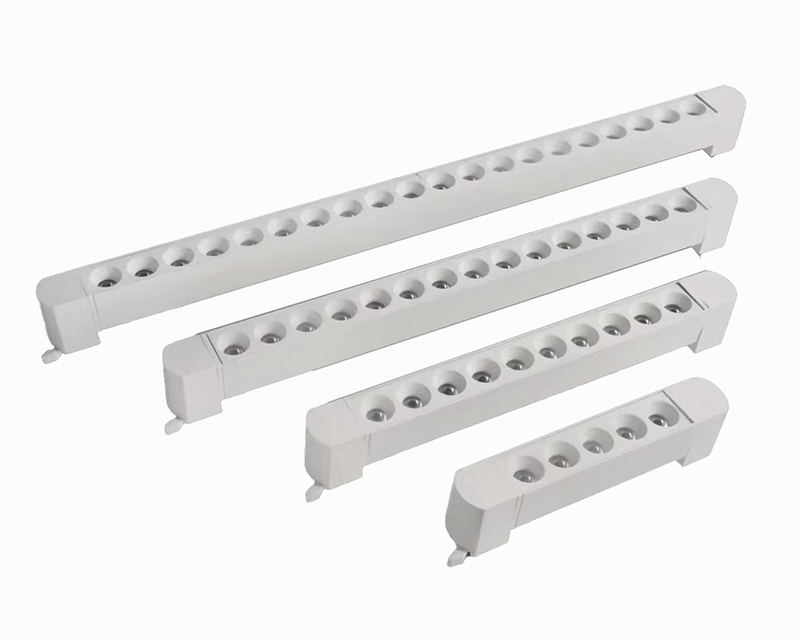
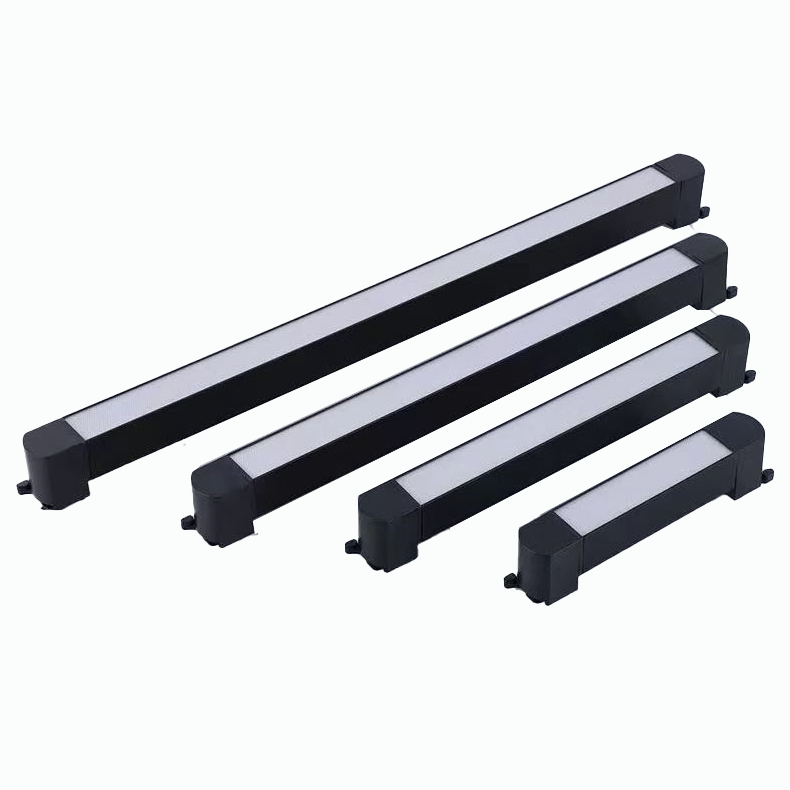
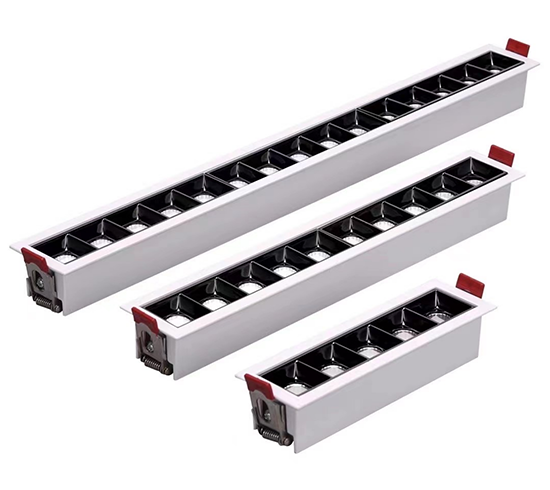
An LED Panel Light is a modern fixture using light emitting diodes (LEDs). This led flat panel light produces a perfectly uniform light from a slim panel. An external driver powers the LED, converting AC to DC for the led light fixtures. The market for these led panel lights is growing rapidly, with some projections showing a CAGR exceeding 10% in the coming years. This growth drives innovation among every LED Panel Light Manufacturer and all led light manufacturers. The superior LED lighting from each LED panel delivers excellent light, making these led panel lights a top choice for modern lighting.
How Do LED Panel Lights Work?
The magic of an LED panel light lies in its sophisticated, layered construction. Each component works in harmony to transform the pinpoint brightness of an individual LED into a smooth, uniform sheet of illumination. Understanding these parts and processes reveals why these fixtures are so effective.
The Core Components Inside
A typical panel is a sandwich of several critical layers, all held together by a sturdy frame. Each layer has a distinct purpose in shaping and directing the light.
The Aluminum Frame
The frame provides the structural integrity for the entire panel assembly. It holds all the internal components securely in place. Critically, it also functions as a heat sink, drawing thermal energy away from the LED chips to ensure a long and stable operational life.
This frame is typically constructed from high-grade T6063 aluminum for its excellent thermal conductivity and durability.
The LED Chips
At the heart of the fixture are the LED chips. These semiconductor devices are the actual led light sources. When an electrical current passes through them, they emit a powerful, concentrated light. In led panel lights, these chips are usually arranged in a strip along the inside edge of the frame or in an array across the back plate.
The Light Guide Plate (LGP)
The Light Guide Plate is arguably the most crucial component for achieving uniformity in edge-lit led panel lights. This is a sheet of advanced optical-grade material etched with a precise grid of dots or lines. Its job is to take the light fired from the side-mounted LED chips and redirect it downward, out of the panel's face.
The Diffuser
The diffuser is the final layer the light passes through before entering the room. It is a translucent sheet that perfects the illumination by softening and spreading the light evenly. This process eliminates any remaining bright spots or patterns from the LGP, ensuring a glare-free and homogenous output.
Material Matters: LGP vs. Diffuser The LGP and diffuser are made from different materials, each chosen for specific optical and physical properties.
Component
Primary Material
Light Guide Plate
PMMA (Acrylic)
Diffuser Plate
PC (Polycarbonate)
PMMA offers superior light transmission, which is essential for the LGP's function.
PC provides better moisture resistance and impact durability, making it ideal for the external-facing diffuser.
The Reflector Sheet
Placed directly behind the LGP, the reflector sheet is a simple but effective component. It is a highly reflective film, often bright white or silver. Any light that travels backward from the LGP is captured by this sheet and bounced forward, maximizing the panel's efficiency by preventing light loss.
The Back Plate
The back plate seals the rear of the panel, protecting the internal components from dust, moisture, and physical damage. It also contributes to heat dissipation and adds to the overall rigidity of the fixture.
Common materials for the back plate include 1060 aluminum, an iron plate, or an aluminum-plastic composite plate.
The Illumination Process
The illumination process begins when the external driver converts AC power from the wall into the low-voltage DC power that the LED chips require. This conversion happens in a few key steps:
Rectification: The driver converts the incoming AC voltage into a pulsating DC voltage.
Filtering: A capacitor smooths out the pulses to create a more stable DC voltage.
Voltage Regulation: The voltage is stabilized to the precise level needed by the LED.
Current Control: The driver ensures a constant current flows to the LEDs, which maintains consistent brightness and protects the LED from damage.
Once powered, the arrangement of the led light sources determines how the panel creates light.
Edge-Lit Technology
In edge-lit led panel lights, the LEDs are mounted along the interior edges of the aluminum frame, firing light horizontally into the Light Guide Plate. This design allows for an exceptionally thin and lightweight panel, making edge-lit led panel lights a popular choice for modern, minimalist installations.
Direct-Lit Technology
In a direct-lit led panel, an array of LEDs is mounted on the back plate, shining straight through the diffuser. This method does not require a Light Guide Plate. While this makes the panel thicker and heavier, it can produce higher brightness levels and excellent uniformity without the risk of yellowing that can affect some LGP materials over time.
How Light Travels to Create Uniformity
The path light takes is what defines the quality of an LED panel. The technology used dictates this path and results in different performance characteristics. The choice between an edge-lit and direct-lit design involves trade-offs in thickness, efficiency, and cost.
Feature | Edge-Lit LED Panel | Direct-Lit LED Panel |
|---|---|---|
Panel Thickness | Thinner and lighter | Thicker and heavier |
Light Distribution | LEDs on the edge; light travels through an LGP | LEDs behind the screen, shining directly forward |
Key Component | Light Guide Plate (LGP) | Diffuser is primary optic |
Power Consumption | Generally lower due to fewer LEDs | Generally higher due to more LEDs |
Cost | Typically less expensive | More expensive to manufacture |
Heat Management | Easier to manage heat from edge-mounted LEDs | More challenging due to a dense array of LEDs |
Ultimately, both technologies leverage a system of layers to manage and refine the output from the powerful LED chips. This meticulous process is what allows led panel lights to produce their signature flawless and comfortable illumination.
What Are the Key Benefits of LED Panel Lights?
LED panel lights offer a compelling suite of advantages over traditional lighting technologies. Their design directly translates into superior performance, making them a smart investment for both new construction and retrofitting projects. These benefits span energy savings, visual comfort, and long-term operational costs.
Superior Energy Efficiency
The primary driver for adopting LED technology is its remarkable efficiency. An LED panel consumes significantly less electricity to produce the same amount of light as its predecessors, leading to immediate and substantial cost reductions.
Lower Power Consumption
LED panel lights achieve high efficiency by converting more electrical energy into visible light and less into wasted heat. This low power consumption is a defining feature. A typical LED panel might use only 30 to 50 watts, while older fluorescent fixtures require much more power to operate. This fundamental difference allows for energy savings between 50% and 80% when replacing fluorescent troffers. For example, replacing 100 traditional 40-watt lamps with 10-watt LED equivalents can reduce total consumption from 4,000 watts to just 1,000 watts—a 75% decrease in energy use.
Impact on Electricity Bills
Reduced power consumption directly translates to lower electricity bills. For commercial buildings, where lighting can account for up to 30% of total energy costs, the savings are profound. A retrofit to energy-efficient lighting can reduce a building's lighting energy costs by 30–50%.
Real-World Savings Example 🏢 Consider a 75,000-square-foot office space with an annual electricity bill of $120,000. Lighting accounts for $36,000 of that total. By switching to LED lighting, the facility could save between $18,000 and $21,600 per year. This represents a 50–60% reduction in lighting expenses alone.
Exceptional Light Quality
Beyond savings, LED panel lights deliver a vastly improved visual experience. Their construction is engineered to produce light that is comfortable, consistent, and free from the harsh artifacts of older technologies.
Uniform and Consistent Illumination
The layered design of an LED panel ensures a perfectly smooth and even distribution of light. The diffuser and Light Guide Plate work together to eliminate hotspots, shadows, and dark spots. This creates a soft, consistent glow across the entire surface of the panel, which enhances visual comfort and gives spaces a clean, modern look.
Flicker-Free and Glare-Free Output
Traditional fluorescent lighting often produces imperceptible flicker, which can cause eye strain, headaches, and fatigue. High-quality LED drivers provide a constant current to the LED chips, virtually eliminating this issue.
Flicker: Industry standards like IEEE 1789-2015 provide guidelines for low-risk lighting. A quality LED panel operates at a high frequency (often above 1250 Hz) with minimal light modulation, placing it in the "No Observable Effect Level" (NOEL) range.
Glare: Glare is measured using the Unified Glare Rating (UGR). For office, school, and hospital environments, a UGR of 19 or lower is the recommended standard for visual comfort. An LED panel with a good diffuser easily achieves this, preventing the distracting reflections and discomfort associated with harsh lighting.
Longevity and Low Maintenance
A key financial benefit of LED technology is its exceptionally long operational life. This durability dramatically reduces the need for maintenance and replacement, saving both time and money over the long term.
Extended Lifespan vs. Traditional Lights
The lifespan of an LED is measured in tens of thousands of hours, far surpassing traditional options. This longevity makes them an ideal "fit and forget" lighting solution.
Light Source | Average Rated Lifespan |
|---|---|
LED Panel | |
Fluorescent Tube |
An LED can last two to five times longer than a fluorescent tube, providing years of reliable service without degradation in light quality.
Reduced Replacement Costs
The extended lifespan of an LED panel means fewer replacements. This not only saves money on purchasing new fixtures but also eliminates the labor costs associated with changing bulbs and ballasts. For large facilities with hundreds of lights, these maintenance savings accumulate quickly, contributing to a lower total cost of ownership and a faster return on investment for the initial upgrade.
Sleek Design and Versatility
The physical form of a lighting fixture is as important as the light it produces. LED panel lights excel in this area, offering a design that is both functional and aesthetically pleasing. Their inherent structure allows for a level of design flexibility that older technologies cannot match.
Slim, Minimalist Profile
The engineering behind an led panel, particularly the edge-lit design, enables an incredibly thin and lightweight construction. This slim profile is a significant departure from the bulky fluorescent troffers of the past. The led components are compact, eliminating the need for deep housings. This design allows the fixture to sit nearly flush with the ceiling surface, creating a clean and unobtrusive look.
Modern slim-profile panels are remarkably thin, often measuring less than half an inch in height. This minimal depth makes them highly adaptable for various installation scenarios.
Feature | Typical Measurement |
|---|---|
Panel Height | 0.39 Inches |
Profile Height | Under 0.40 Inches |
Example Dimensions | 0.92" W x 0.39" H |
This ultra-thin design is especially beneficial in spaces with low ceiling clearance. It maximizes headroom and contributes to an open, spacious feeling.
Modern Aesthetic for Any Space
The minimalist design of led panel lights makes them exceptionally versatile. Their clean lines and uniform light surface integrate seamlessly into contemporary architectural and interior design schemes. The fixture itself does not draw attention, allowing the focus to remain on the space it illuminates.
This modern aesthetic is suitable for a wide range of applications.
In offices, they provide a professional, clean appearance.
In retail stores, they create a high-end ambiance that highlights products effectively.
In homes, they offer a sophisticated lighting solution for kitchens, basements, and home offices.
Design Principle in Action 🖼️ The goal of modern lighting is often to make the light source disappear. An led panel achieves this by becoming part of the ceiling plane. It delivers beautiful, even illumination without the visual clutter of a traditional fixture, enhancing the overall design of the room.
How to Choose the Right LED Panel Light
Selecting the right led panel lights involves more than just size and shape. To achieve the perfect atmosphere and functionality, one must understand three key metrics: brightness (lumens), color temperature (CCT), and color rendering (CRI). These factors determine how the light looks and feels in a space.
Understanding Brightness (Lumens)
What Are Lumens?
A lumen is the standard unit measuring the total amount of visible light a source emits. It is the foundational metric for brightness. A higher lumen count simply means a brighter led light. This measurement is crucial for ensuring a space has adequate illumination for its intended purpose.
Recommended Lumens for Different Rooms
The required brightness, often measured in lux (one lumen per square meter), varies by application. Task-oriented areas need more intense light, while ambient spaces require less. The right led panel provides the correct output for each environment.
Space | Recommended Brightness (Lux) |
|---|---|
Workstation / Kitchen | 500 lux |
Open Plan Office | 400 lux |
Conference Room | 300 lux |
Internal Corridor | 200 lux |
Lobby / Lounge | 100-200 lux |
Selecting the Right Color Temperature (CCT)
Correlated Color Temperature (CCT) describes the color appearance of the white light from an led, measured in Kelvin (K). It sets the mood of a room, from warm and cozy to cool and energizing.
Warm White (Under 3000K)
This CCT range produces a soft, yellowish glow similar to an incandescent bulb. It evokes feelings of comfort and intimacy, making this lighting ideal for living rooms, bedrooms, and restaurants.
Neutral White (3500K-4500K)
Neutral white offers a balanced and clean light that is neither too yellow nor too blue. This versatile option is excellent for kitchens, offices, and retail spaces where a clear but inviting atmosphere is desired.
Cool White (5000K and Above)
Cool white light appears crisp and bluish, mimicking natural daylight. It promotes focus, alertness, and concentration. This makes it a great choice for workspaces, garages, and healthcare facilities where mental clarity is important.
Considering the Color Rendering Index (CRI)
What is CRI?
The Color Rendering Index (CRI) measures an led light source's ability to accurately reveal the true colors of objects. It is rated on a scale of 0 to 100, with 100 representing perfect color fidelity, like that of natural sunlight.
Why a High CRI Matters
A high CRI is essential in environments where color accuracy is critical. A quality led panel with a high CRI ensures objects appear vibrant and natural.
Why It's Critical 🎯
Retail: A CRI of 90+ makes products look more appealing, helping customers see true colors. This can increase sales and reduce returns.
Healthcare: In hospitals, a high CRI (90+) is crucial for accurate diagnosis, allowing doctors to see subtle variations in skin tones.
Choosing led panel lights with the right CRI, CCT, and lumens ensures the best possible lighting performance for any application. Each panel is a key part of a complete lighting system.
Types of LED Panel Lights and Installation
The versatility of LED panel lights extends to their installation methods. Manufacturers design these fixtures for three primary mounting styles. Each method suits different ceiling types and aesthetic goals, making it easy to integrate this modern lighting into any environment.
Recessed Installation
Recessed mounting is the most common method for installing led panel lights. It offers a clean, integrated appearance that is popular in commercial and professional settings.
For Drop or Suspended Ceilings
This installation is perfect for standard grid ceilings, often called drop or suspended ceilings. The led panel is designed to fit directly into the T-bar grid system. Installers simply remove an existing ceiling tile and drop the new led fixture into its place. LED panels for this purpose commonly come in a 2x4 foot dimension, a size that aligns perfectly with typical grid systems in commercial spaces.
Creating a Seamless Look
A recessed led panel sits flush with the ceiling plane. This creates a smooth, uninterrupted surface that looks modern and minimalist. The fixture itself becomes almost invisible. The result is a space illuminated by a clean sheet of light, free from the visual clutter of traditional fixtures.
Surface-Mounted Installation
Surface mounting provides a solution for solid ceilings where a recessed installation is not possible. This method uses an external frame to attach the panel directly to the ceiling surface.
Using a Mounting Frame
A surface-mount kit consists of a shallow aluminum frame. The installer assembles this frame and secures it to the ceiling. The led panel then slides into the frame, and a final piece closes it off. This creates a neat, box-like enclosure for the fixture.
Tools for the Job 🛠️ A standard surface-mounted installation requires a few essential tools.
Drill and Screwdriver Set
Measuring Tape and Pencil
Level
Wire Strippers and Connectors
Voltage Tester
Ideal for Solid Ceilings
This method is the go-to choice for concrete, plaster, or drywall ceilings. It allows property owners to upgrade to efficient led lighting without undertaking major structural changes. It is a practical solution for basements, garages, and older buildings.
Suspended Installation
Suspended installation hangs the led panel lights from the ceiling using a kit of wires or cables. This method adds a distinct architectural element to a room.
Hanging from Wires or Cables
A suspension kit includes steel cables, ceiling anchors, and adjustable fasteners. These components attach to the back of the panel and to the ceiling structure. This allows the installer to set the fixture at a desired height, bringing the light source closer to the workspace.
For High Ceilings and Architectural Style
Suspended fixtures are ideal for spaces with high or vaulted ceilings, such as atriums, lobbies, and modern offices. This style turns the light fixture into a design feature. Safety is paramount for this type of installation.
Installers must ensure the suspension system is securely attached to ceiling joists to prevent collapse.
A qualified electrician should handle all wiring to avoid shock hazards.
Regular inspections of the cables and attachments ensure long-term stability and safety.
Advanced Features in Modern LED Panels
Modern led panel lights go beyond simple illumination. They now incorporate advanced technologies that offer unprecedented control over the lighting environment. These features enhance functionality, improve user well-being, and allow for seamless integration into smart ecosystems.
Dimmable LED Panels
Dimming capabilities allow users to adjust light intensity, saving energy and setting the mood. The technology used for dimming typically varies between commercial and residential applications.
0-10V Dimming for Commercial Use
Commercial spaces often use 0-10V dimming for its precise and smooth control. This system operates on a simple principle.
A low-voltage signal between 0 and 10 volts is sent to the led driver.
The led driver interprets this signal to set the brightness. A 10V signal means 100% brightness, while a 1V signal means 10% brightness.
A separate pair of low-voltage wires connects the dimmer to the driver, ensuring reliable control.
This method requires a compatible led panel, driver, and wall dimmer to function correctly.
Triac Dimming for Residential Use
Triac dimming is common in homes because it works with standard wiring. This system rapidly cuts off the AC power waveform, which reduces the total energy delivered to the led driver. This makes it a cost-effective retrofit solution for existing residential lighting setups.
Tunable White and RGBW Panels
Some of the most exciting innovations involve control over light color. A modern led panel can change its color temperature or even produce a full spectrum of colors.
Adjusting Color Temperature on Demand
Tunable white led panel lights allow users to adjust the Correlated Color Temperature (CCT) on demand. This feature supports human-centric lighting, which aims to mimic the natural patterns of daylight.
Circadian Rhythm Support: The panel can shift from cool, energizing light in the morning to warm, relaxing light in the evening.
Mood Enhancement: Users can select a warm tone for relaxation or a cool tone for focus.
Task Optimization: The lighting can be tailored for specific activities like reading or working.
A Department of Energy report found that tunable-white lighting in schools was an effective tool for teachers. It helped cue students for different activities and improved the overall learning environment, especially for students with special needs.
Creating Colorful Lighting Scenes
RGBW (Red, Green, Blue, White) panels add another layer of creativity. These fixtures contain a dedicated white led chip alongside the three primary color chips. This allows the panel to produce millions of vibrant colors for branding or decorative purposes, as well as high-quality white light for general illumination.
Smart LED Panels
The ultimate level of control comes from smart technology. A smart led panel connects to a network, enabling remote operation and automation.
Wi-Fi and Bluetooth Control
Smart panels use Wi-Fi or Bluetooth to connect directly to a smartphone app. This gives users the power to control brightness, color temperature, and schedules from anywhere. This wireless control eliminates the need for dedicated wall switches or complex wiring.
Integration with Smart Home Systems
Many smart lighting systems integrate with popular smart home platforms. This allows for voice control and advanced automation. For example, users can command Amazon Alexa or Google Assistant to adjust their lights. This ecosystem includes well-known brands like Philips Hue and LIFX, making it easy to build a cohesive smart home experience.
Common Applications for LED Panel Lights
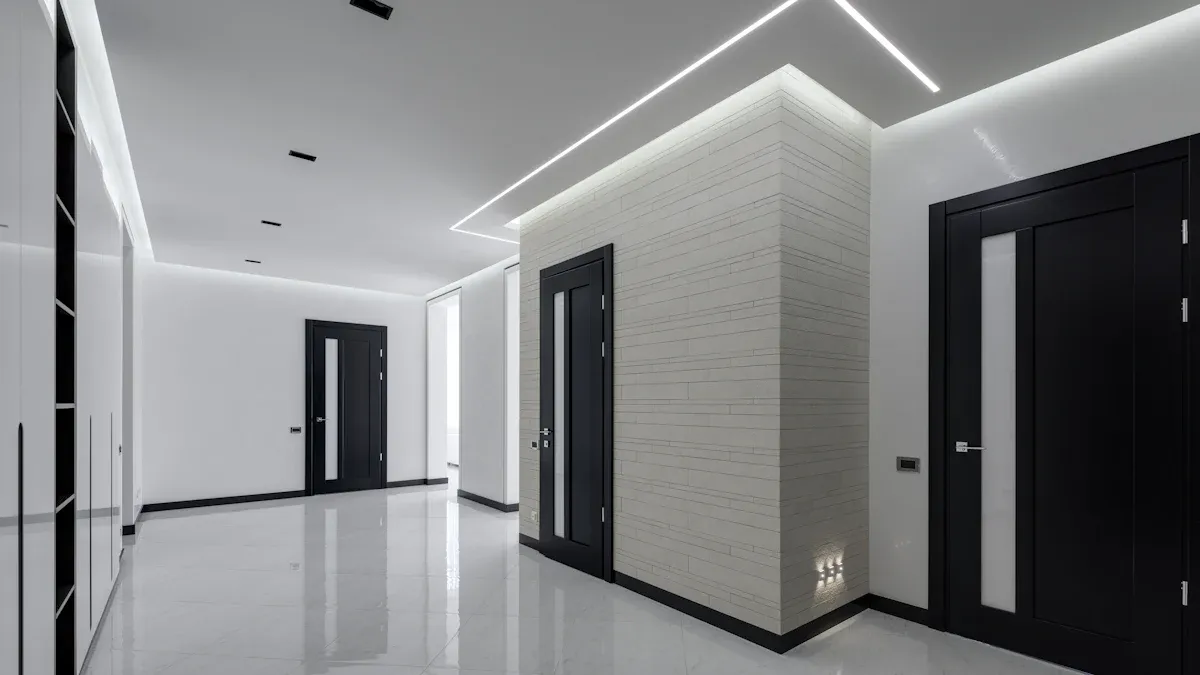
The sleek design and superior performance of LED panel lights make them a versatile solution for countless environments. Their ability to deliver uniform, high-quality illumination enhances functionality and aesthetics across commercial, residential, and institutional settings.
Commercial and Office Spaces
Modern businesses rely on efficient and comfortable lighting to foster productivity and create welcoming environments for customers.
Conference Rooms and Workstations
In office settings, proper lighting directly impacts employee well-being and performance. An LED panel provides bright, glare-free light that reduces eye strain and fatigue. A leading tech company demonstrated this by implementing a dynamic LED lighting system. The system adjusted to natural light, which helped regulate employee circadian rhythms. The company reported a notable increase in overall productivity, attributing the success to the new lighting.
Retail Stores and Showrooms
Retail environments require lighting that makes products look their best. The high Color Rendering Index (CRI) of a quality LED panel ensures that colors appear true and vibrant. This accurate color representation helps customers make confident purchasing decisions. The even illumination eliminates distracting shadows, creating a clean and high-end shopping experience that highlights merchandise effectively.
Residential Settings
Homeowners increasingly choose LED panel lights for their energy efficiency and modern aesthetic, especially in functional areas of the house.
Kitchens and Basements
Kitchens and basements benefit immensely from bright, even illumination. In kitchens, an LED panel provides the shadow-free light essential for safe food preparation. For basements, recessed LED fixtures are a popular choice. They offer a sleek look that maximizes ceiling height while eliminating dark corners.
Homeowners often use a combination of lighting techniques for these spaces.
Under-cabinet lighting provides focused task illumination for countertops.
Cove lighting creates a soft, inviting ambiance by washing walls with a warm glow.
Garages and Home Offices
Garages and home offices are task-oriented spaces that demand clear, consistent light. An LED panel delivers the high-lumen output needed for detailed work, from DIY projects to focused desk tasks. The long lifespan of an LED fixture also means less maintenance in these hard-to-reach or frequently used areas.
Institutional Buildings
Public institutions like schools and hospitals require reliable, high-performance lighting to ensure safety and support their core functions.
Schools and Classrooms
A positive learning environment depends on good lighting. Flicker-free LED panel lights help prevent the headaches and eye strain that can affect student concentration. The uniform light distribution ensures that every desk in a classroom is well-lit, creating an equitable and effective space for learning.
Hospitals and Healthcare Facilities
In healthcare, light quality is critical for patient care. Hospitals use LED fixtures to provide the clear, high-CRI illumination necessary for accurate diagnoses and medical procedures. The clean, sealed design of an LED panel is also easy to sanitize, helping to maintain a sterile environment.
LED Panels vs. Traditional Fluorescent Troffers
When comparing modern lighting solutions, LED panel lights consistently outperform traditional fluorescent troffers across several key metrics. The advantages span energy use, visual comfort, and long-term operational expenses, making the LED a clear winner for most applications.
Energy Consumption Comparison
Wattage and Efficiency
The most significant difference lies in energy efficiency. An LED panel consumes far less power to produce the same amount of light as a fluorescent fixture. This superior efficiency translates directly into lower electricity costs. For example, a 40-watt LED panel can effectively replace a 96-watt fluorescent troffer while providing equivalent or better illumination.
The wattage gap between these two technologies is substantial.
Fixture Type | Wattage Range (W) |
|---|---|
LED 2x4 Panel Light | 30-50 |
Fluorescent Troffer | 80-128 |
This reduction in energy consumption makes the LED a more sustainable and cost-effective choice.
Light Quality and Performance
Glare, Flicker, and Uniformity
LED technology delivers a vastly superior quality of light. An LED panel produces stable, flicker-free illumination, which is essential for environments that demand visual precision and comfort. In contrast, fluorescent lights often flicker, especially as they age. This flickering can cause eye strain and headaches.
| Feature | LED Lighting | Fluorescent Lighting | | :--- | :--- | | Flickering | Minimal to none | Common, especially as bulbs age |
The layered design of an LED panel also ensures perfectly uniform light distribution. It eliminates the harsh glare and uneven bright spots common with fluorescent troffers, creating a more comfortable and visually appealing space.
Lifespan and Maintenance Costs
Bulb and Ballast Replacements
The long-term value of LED panel lights becomes evident when considering maintenance. An LED fixture has a lifespan that is two to five times longer than a fluorescent tube. This durability drastically reduces the need for replacements.
The Hidden Costs of Fluorescents 💸 Fluorescent systems require frequent maintenance. Facility managers must regularly replace not only the bulbs but also the ballasts that power them. These recurring material and labor costs add up significantly over time.
An LED panel is a solid-state device with no bulbs or ballasts to fail. This "fit and forget" nature eliminates the constant cycle of replacement, saving considerable time and money on maintenance.
Environmental Impact
Beyond performance and cost, the environmental benefits of LED technology present a compelling reason for making the switch from fluorescent lighting. An led panel offers a much cleaner and safer alternative, primarily due to the materials used in its construction.
Absence of Hazardous Mercury
The most critical environmental advantage of an led fixture is the complete absence of mercury. Fluorescent bulbs, in contrast, contain small amounts of this toxic heavy metal. Mercury is a potent neurotoxin that poses a significant threat to both human health and ecosystems if it is released into the environment.
A study from the American Council for an Energy-Efficient Economy (ACEEE) now frames fluorescent bulbs as a "needless toxic health risk." The report strongly recommends phasing them out to prevent mercury contamination and reduce greenhouse gas emissions.
The disposal of fluorescent bulbs creates a major environmental challenge. When these bulbs break in landfills or are incinerated, the mercury vapor escapes. This contaminates the air, water, and soil. The scale of this problem is vast, as an estimated 75% of fluorescent bulbs in the United States are not recycled properly. A rapid phase-out of these older lights would prevent an incredible 16,000 pounds of mercury from entering the market through 2050.
The table below clearly illustrates the environmental differences.
Feature | Fluorescent Bulbs | LED Panels |
|---|---|---|
Mercury Content | Contains hazardous mercury. | Mercury-free. |
Energy Consumption | Higher power consumption. | Low energy use, smaller carbon footprint. |
Disposal | Complicated and environmentally risky. | Simpler and safer disposal. |
Overall Impact | Significant hazard if broken. | A much lower environmental impact. |
Ultimately, choosing an LED panel is a responsible decision for the planet. These fixtures reduce your carbon footprint through their superior energy efficiency and eliminate the risk of mercury pollution. This makes them the clear eco-friendly choice for modern lighting.
LED panel lights represent a superior lighting solution, defined by their ability to produce perfectly even, efficient light from a slim profile. The core function of each led panel relies on guiding and diffusing light from powerful leds. This advanced led technology eliminates the glare and hotspots common in older lighting.
The key benefits of this led panel lighting make it a smart and modern choice for nearly any application.
Energy Savings: The efficient led consumes less power.
Light Quality: The panel delivers uniform, high-quality illumination.
Longevity: The leds and panel offer a long, low-maintenance lifespan.
Ultimately, these advantages confirm that led panel lights are a top-tier lighting investment.
FAQ
How long do LED panel lights really last?
An LED panel light offers a long operational life. Most quality fixtures have a rated lifespan between 15,000 and 50,000 hours. This longevity provides years of consistent, maintenance-free illumination, far surpassing traditional fluorescent bulbs.
Can I install an LED panel light myself?
A person with electrical knowledge can often install an LED panel. Recessed panels for drop ceilings are the simplest. However, a qualified electrician should handle all hardwired installations. This ensures the work meets safety codes and functions correctly.
Are all LED panel lights dimmable?
No, not all LED panels are dimmable. Dimming requires a compatible LED driver and dimmer switch. A user must check the product specifications to confirm dimming capability and the required dimming system, such as 0-10V or Triac.
Do LED panels get hot?
LED panels produce some heat, but much less than traditional lights. The aluminum frame acts as a heat sink, drawing warmth away from the LED chips. The fixture remains cool enough to touch, making it a safer lighting option.
What is an LED driver and why is it separate?
An LED driver is an external power supply. It converts high-voltage AC power from the wall into the low-voltage DC power that LEDs require. Keeping the driver separate helps with heat management and makes replacement easier if the component fails.
How do I clean an LED panel light?
Cleaning an LED panel is simple. First, turn off the power to the fixture. Then, wipe the diffuser surface gently with a soft, dry, or slightly damp microfiber cloth. Avoid using harsh chemical cleaners, as they can damage the panel's surface.