

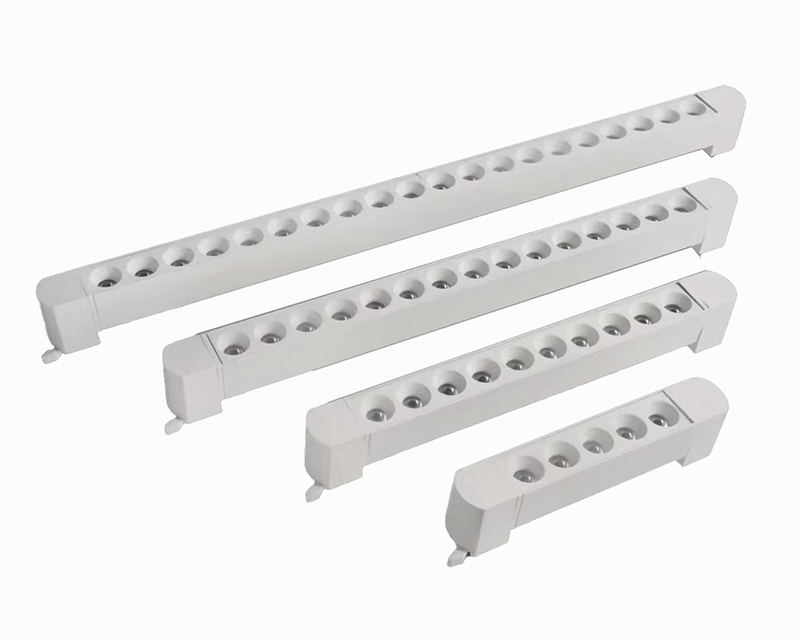
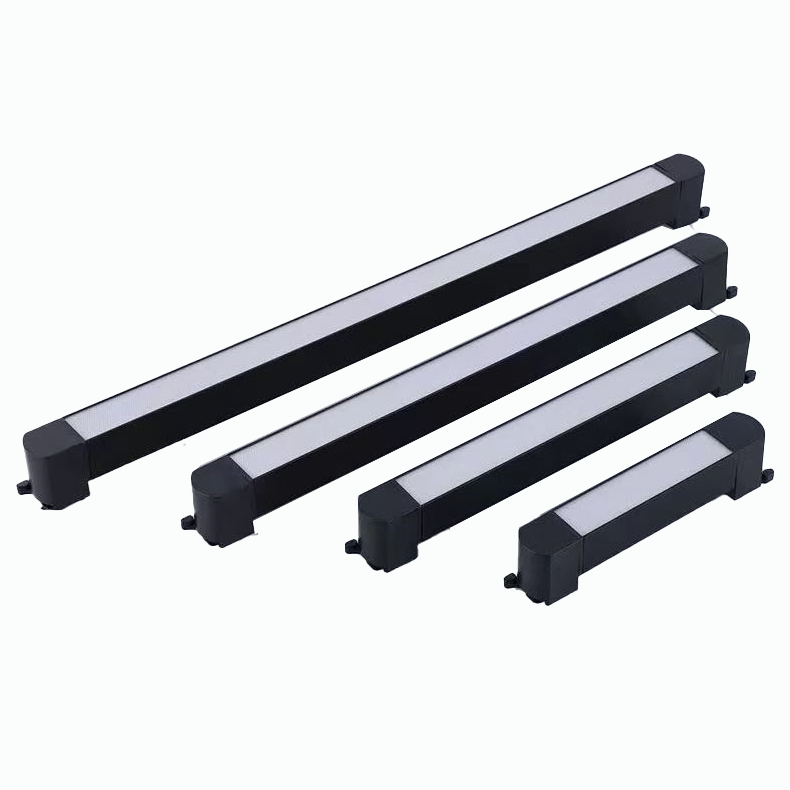
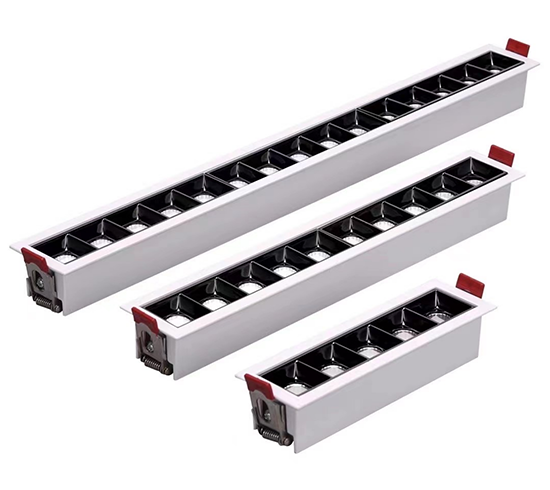
The debate over LED panel lights vs troffer lights reveals key differences in modern LED lighting. An LED Panel Light is an ultra-slim, edge-lit LED fixture creating a perfectly flat, uniform light surface. A troffer is a deeper, recessed LED fixture that houses the LED light source within a reflective casing. This design provides more directed light. This choice of LED light fixtures directly impacts a space's appearance and long-term energy expenses. Many led light manufacturers and any quality LED Panel Light Manufacturer will confirm the benefits. Upgrading an old fluorescent troffer to a new LED troffer provides major cost reductions.
Energy Savings Spotlight 💡
Replacing fluorescent troffer units with LED alternatives yields over 68% savings.
Optional occupancy sensors can boost these savings to approximately 84%.
What Is an LED Panel Light? A Closer Look
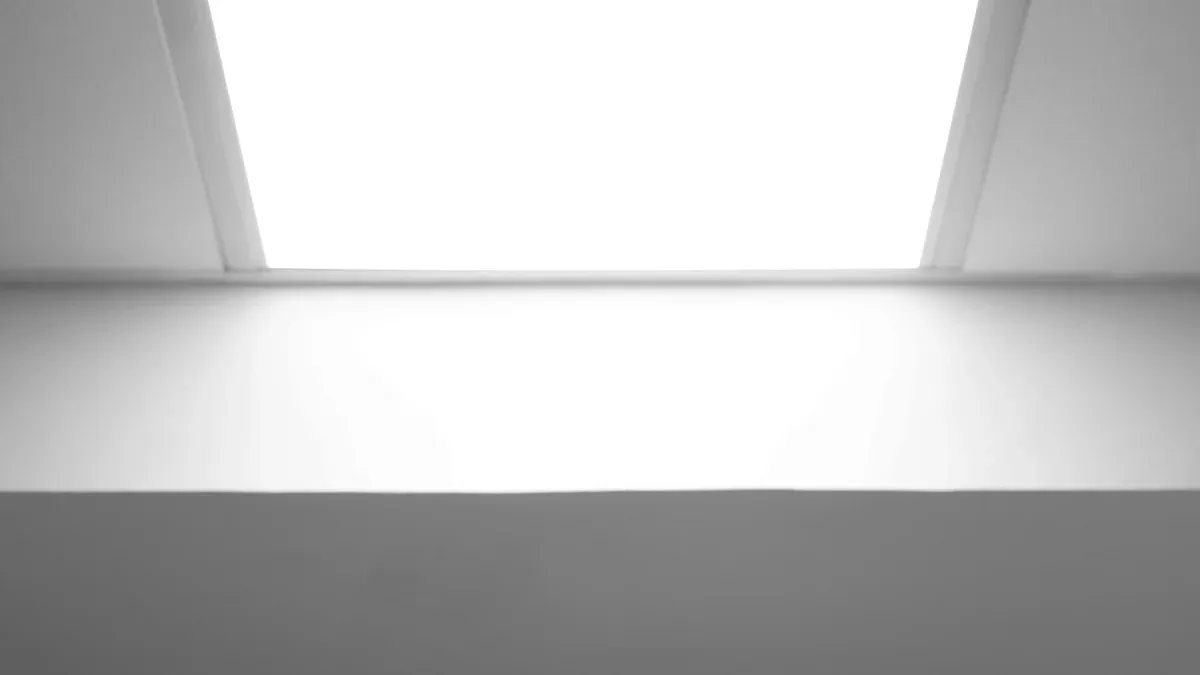
An LED panel light represents a significant evolution in interior lighting technology. Its design prioritizes a clean aesthetic and uniform light output. Understanding its internal components and core features reveals why this fixture has become a staple in modern commercial and residential spaces. The technology inside an LED flat panel is what delivers its signature look and performance.
The Anatomy of a Modern LED Panel
The sophisticated, slim design of an LED flat panel is made possible by several interconnected layers working in harmony. Each component plays a critical role in transforming the point source of an LED into a broad, even surface of light.
The Light Guide Plate (LGP)
The Light Guide Plate is the heart of an LED panel. This specialized sheet of transparent material directs light from the fixture's edge across its entire surface. Manufacturers construct LGPs from high-quality materials to ensure maximum light transmission and longevity.
Primary material: Optical grade PMMA (acrylic) sheet
Substrate type: High-quality optical grade acrylic
Advanced versions: May include embedded optical materials for enhanced diffusion
Edge-Lit LED Technology
Unlike traditional fixtures that shine light downwards, an LED flat panel uses edge-lit technology. LED chips are mounted along the interior perimeter of the fixture's frame. These powerful LED sources project light horizontally into the Light Guide Plate. This method is fundamental to achieving the fixture's ultra-thin profile.
The Diffuser and Reflector Layers
A diffuser sheet is placed on the front of the LGP. It softens the light, eliminating glare and ensuring even illumination. A reflector sheet sits behind the LGP. This layer prevents light from escaping through the back of the fixture, redirecting it forward to maximize output and efficiency.
Frame and Backplate
The frame houses the LED chips and provides structural integrity for the entire assembly. The backplate seals the fixture and acts as a heat sink, drawing thermal energy away from the sensitive LED components. This thermal management is crucial for the long lifespan of 2x2 led panel lights.
Core Characteristics of the LED Panel Light
The unique anatomy of the LED panel light results in three defining characteristics that set it apart from other lighting options. These traits influence its best-use applications.
Ultra-Slim Profile
The most noticeable feature of an LED flat panel is its incredibly thin design. Many 2x2 led panel lights are less than half an inch thick. This minimal depth allows for installation in tight ceiling plenums where deeper fixtures cannot fit. The slimness of an LED flat panel contributes directly to its modern appeal.
Seamless and Modern Aesthetic
An LED flat panel provides a sleek, minimalist appearance. When installed in a grid ceiling, 2x2 led panel lights sit perfectly flush, creating the impression of a luminous ceiling tile. This seamless integration is highly desirable in contemporary offices, healthcare facilities, and high-end retail spaces. The 2x2 led panel lights offer a clean look.
Soft, Glare-Free Illumination
The multi-layer construction of the LED panel light produces a gentle, comfortable light. The combination of edge-lighting, the LGP, and the diffuser creates exceptionally even illumination without hot spots or harsh glare. This quality makes 2x2 led panel lights ideal for task-oriented environments. Furthermore, the LED technology ensures a long operational life.
Long-Term Performance 💡 A quality LED flat panel offers remarkable longevity, significantly reducing maintenance needs. Lifespans for 2x2 led panel lights can range from 30,000 hours to over 100,000 hours.
Lighting Type
Typical Lifespan (Hours)
LED Panel Light
50,000
High-Performance LED Panel
100,000+
What Is an LED Troffer Light? Understanding the Classic
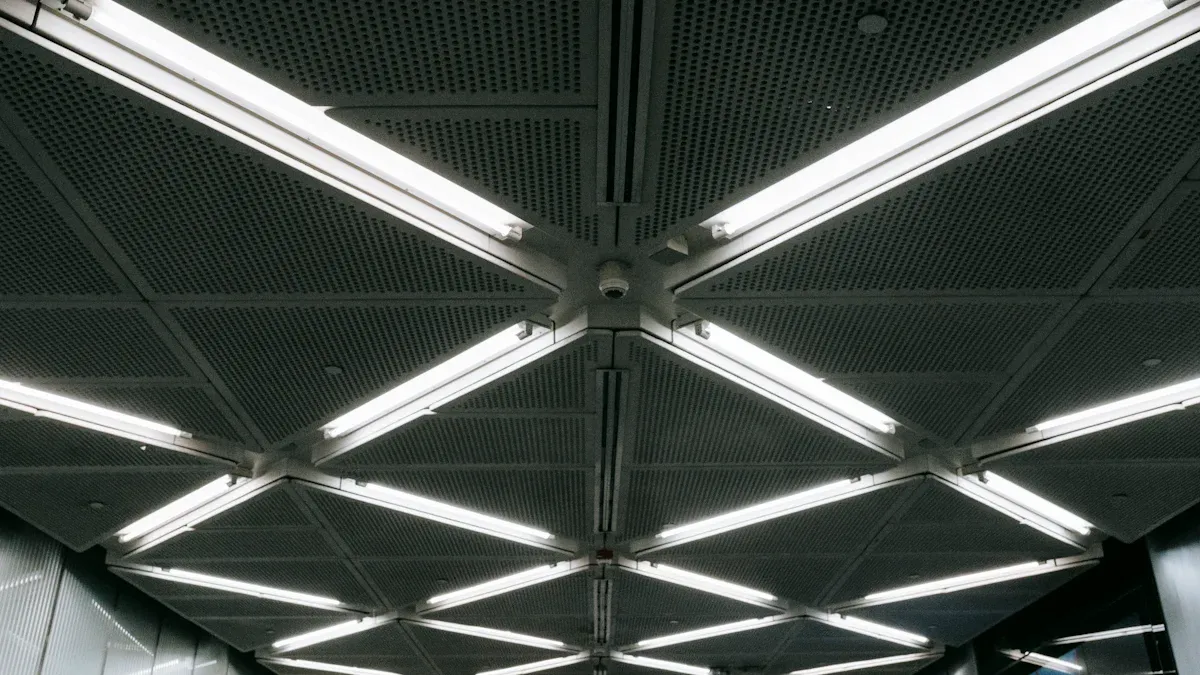
The LED troffer is a recessed lighting fixture that has long been the standard for commercial ceilings. While panel lights offer a modern, flat appearance, the LED troffer light is built for power and efficiency. It updates a classic design with advanced LED technology, making it a workhorse for general illumination. The troffer remains a top choice for spaces needing bright, functional lighting.
The Anatomy of a High-Performance LED Troffer
An LED troffer combines a sturdy housing with powerful, direct-lit LED components. Its construction is focused on maximizing light output and ensuring durability in commercial environments.
The Troffer Housing
The troffer housing is a rectangular, box-like structure, typically made of durable steel. This deep pan is designed to fit securely into the grid of a suspended T-bar ceiling. The housing contains all the internal components and helps manage heat dissipation for the LED elements.
Direct-Lit LED Arrays
Unlike edge-lit panels, a modern LED troffer uses a direct-lit design. Strips or boards of LED chips are mounted directly on the back of the troffer, facing downwards. This arrangement allows the LED sources to project light straight through the lens, a highly efficient method for delivering a high lumen output. This design is fundamental to the power of an LED troffer.
Reflectors and Lenses
Inside the troffer, high-quality reflectors line the interior walls. These reflective surfaces capture stray light from the LED array and redirect it downwards, minimizing wasted light and boosting efficiency. A lens or diffuser then covers the opening of the troffer to shape the light and reduce glare.
Volumetric vs. Parabolic Designs
Modern LED troffer fixtures come in two primary styles:
Volumetric Troffer: This design uses a curved or shaped lens to distribute light broadly and evenly, filling the entire volume of a space with soft, comfortable illumination.
Parabolic Troffer: This troffer uses shiny, grid-like louvers to create sharp cutoffs and direct light straight down. It is excellent for controlling glare on computer screens. A quality
UL and DLC certified LED troffer lightoften features these advanced optical designs.
Core Characteristics of Troffer Lights
The design of an LED troffer gives it a distinct set of characteristics that define its best applications. These features prioritize performance and functionality.
Deep, Recessed Structure
A troffer has a significantly deeper profile than an LED panel. This depth is necessary to house the direct-lit LED arrays and optical components. Installers must ensure there is sufficient clearance in the ceiling plenum to accommodate the troffer body.
High-Intensity Light Output
The primary advantage of an LED troffer is its powerful performance. The direct-lit LED configuration is inherently efficient, enabling a very high lumen output. A standard 2x4 LED troffer typically produces between 3,900 and 9,000 lumens, making it ideal for spaces with high ceilings or areas requiring bright task lighting. This high lumen output is a key feature of the 2x4 LED troffer. The design ensures a high lumen output for any application. A 2x4 LED troffer delivers this high lumen output efficiently.
Traditional Commercial Look
The 2x4 LED troffer provides a functional, traditional look that is familiar in many commercial buildings. While not as minimalist as a flat panel, the recessed design of the LED troffer integrates cleanly into standard grid ceilings, offering a classic and professional appearance.
LED Panel Lights vs Troffer Lights: A Head-to-Head Comparison
Choosing between an LED panel light and an LED troffer light requires a direct comparison of their core attributes. The decision of LED panel lights vs troffer lights impacts everything from visual comfort to operational costs. This head-to-head analysis breaks down the key differences in design, light quality, and performance to clarify which fixture is superior for specific needs.
Design, Profile, and Aesthetics
The most immediate difference between these two fixtures is their physical form and visual impact on a space.
Panel: The Minimalist Choice
The LED flat panel is the champion of modern, minimalist design. Its defining feature is an ultra-slim profile. An LED panel light typically measures less than one inch thick, with many models ranging from just ½ inch to 1.25 inches. This allows the LED flat panel to sit perfectly flush within a ceiling grid, creating a clean, unobtrusive look. The seamless appearance makes the LED flat panel an ideal choice for contemporary offices and high-end commercial environments where aesthetics are a top priority.
Troffer: The Functional Standard
The troffer represents a more traditional and functional approach to commercial lighting. A troffer is a deeper, boxier fixture, often measuring up to 3 inches in depth. This recessed structure integrates well into standard T-bar ceilings, providing a classic look that is familiar in many buildings. While less sleek than an LED flat panel, the troffer's design is purposeful, housing powerful components for high light output. The LED troffer remains the functional standard for general illumination.
Light Quality and Distribution
How a fixture delivers light is just as important as how it looks. The debate of LED panel vs LED troffer light often comes down to the quality of illumination.
Panel: Unmatched Uniformity
An LED panel light excels at producing perfectly uniform, soft illumination. Its edge-lit technology and multi-layer diffusion system scatter light evenly across the entire surface of the fixture. This process eliminates hot spots, shadows, and harsh glare. The result is a comfortable, gentle light that reduces eye strain, making the LED flat panel perfect for schools, offices, and healthcare settings where visual tasks are common.
Troffer: Powerful Downlighting
An LED troffer is built for powerful, directed downlighting. Its direct-lit LED array projects light straight downwards, a method designed for maximum intensity. High-quality reflectors inside the troffer capture and aim every possible lumen, making it exceptionally effective for illuminating large areas or spaces with high ceilings. Both a quality LED troffer and LED panel light can deliver excellent color accuracy. For applications requiring true-to-life colors, a fixture with a Color Rendering Index (CRI) over 90 is essential. Top-tier LED fixtures often achieve a CRI between 95-98, ensuring vibrant and accurate color representation.
Performance and Luminous Efficacy
Performance metrics reveal the true efficiency of a lighting fixture. When comparing LED panel lights vs troffer lights, luminous efficacy is a critical factor.
Luminous Efficacy Explained
Luminous efficacy measures how efficiently a light source converts electrical power (watts) into visible light (lumens). It is expressed in lumens per watt (lm/W). A higher lumen efficacy number indicates greater efficiency, meaning the fixture produces more light for less energy. This metric is fundamental to calculating long-term energy savings and the overall performance of any LED lighting system.
Why Troffers Often Have Higher Lumens Per Watt
Generally, an LED troffer demonstrates a higher lumen efficacy than an LED panel light. This performance difference stems from their core designs.
Direct-Lit (Troffer): The LED chips in a troffer shine light directly downwards through a lens. This path is very direct, resulting in minimal light loss.
Edge-Lit (Panel): The LED chips in an LED flat panel shine light sideways into a guide plate. The light must then be redirected downwards. This indirect path causes some inherent loss of light, slightly reducing its overall efficacy.
The Role of Optics in Efficiency
The superior efficacy of the LED troffer is further enhanced by its advanced optical components. The design of a modern LED troffer is a masterclass in efficiency. High-performance models use precisely engineered reflectors and lenses to maximize output. A 2x4 LED troffer can achieve an impressive lumen efficacy of up to 139 lumens per watt. Many premium LED troffer fixtures now meet or exceed 125 lm/W. This high level of efficacy makes the troffer an excellent choice for projects where maximizing lumen output and minimizing energy consumption are the primary goals.
Installation and Mounting: What You Need to Know
The installation process for an LED fixture is a critical factor in project planning. The versatility of 2x2 LED panel lights contrasts with the specific needs of a 2x4 LED troffer. Understanding these differences ensures a smooth and efficient installation.
Installing 2x2 LED Panel Lights and Other Sizes
The slim design of 2x2 LED panel lights allows for remarkable installation flexibility. This adaptability makes the LED fixture suitable for a wide range of ceiling types. Installers have three primary methods for mounting these versatile LED lights.
Recessed Mounting in Grid Ceilings
Recessed mounting is the most common method for 2x2 LED panel lights. The fixture is designed to simply drop into a standard suspended T-bar ceiling grid. This "lay-in" style makes installation fast and straightforward. The 2x2 LED panel lights replace a standard ceiling tile. Common sizes for this type of LED installation include:
1x4
2x2
2x4
This simple process makes upgrading to 2x2 LED panel lights an easy choice.
Surface Mounting Kits
For spaces without a grid ceiling, such as those with drywall or concrete, surface mounting kits provide a solution. These kits create a frame that attaches directly to the ceiling surface. The 2x2 LED panel lights then slide into the frame, creating a clean, low-profile look. This method extends the use of 2x2 LED panel lights to nearly any room.
Suspended (Pendant) Mounting
Suspended mounting uses aircraft cables to hang 2x2 LED panel lights from the structural ceiling. This technique creates a modern, floating appearance and allows for precise height adjustment. It is an excellent option for rooms with high or open ceilings, adding a stylish architectural element. This method showcases the design appeal of 2x2 LED panel lights.
Installing a 2x4 LED Troffer
The installation of a 2x4 LED troffer is more specialized. Its design is optimized for performance within traditional commercial ceiling systems. A 2x4 LED troffer is a powerful LED fixture.
Designed for T-Grid Ceilings
A 2x4 LED troffer is purpose-built for recessed installation in suspended T-grid ceilings. The deep housing of the troffer fits securely into the grid, much like a panel light. However, the troffer body contains the direct-lit LED array and optics. The 2x4 LED troffer is a classic choice for this application. This troffer provides powerful LED light.
Retrofitting Existing Fixtures
Upgrading from older fluorescent fixtures is a primary use for the 2x4 LED troffer. A new 2x4 LED troffer is often designed to fit the exact dimensions of an old fluorescent troffer. This simplifies the retrofitting process, allowing for a quick swap. The new LED troffer provides superior light and efficiency.
Installation Depth Requirements
The depth of a 2x4 LED troffer is a key consideration. A standard troffer requires significant space in the ceiling plenum to accommodate its housing.
Plenum Clearance Tip 💡 For ceilings with minimal space, a shallow plenum troffer is an ideal solution. A PT Shallow Plenum Troffer, for example, has an ultra-slim profile of just 2-3/8 inches. This special troffer is designed specifically for these challenging installations.
This makes the 2x4 LED troffer a great option even in constrained spaces. The right 2x4 LED troffer fits almost any commercial project. The LED technology in a 2x4 LED troffer is highly efficient.
Cost Analysis: Upfront Investment vs. Long-Term Value
A thorough cost analysis reveals the true value of an LED fixture beyond its sticker price. Decision-makers must weigh initial expenses against long-term operational savings to select the most economical lighting. This evaluation is crucial for both LED panels and the LED troffer.
Initial Purchase and Installation Costs
Comparing Fixture Prices
Initially, a standard LED panel may have a slightly lower purchase price than a high-performance LED troffer. The advanced optics and robust construction of a premium troffer often command a higher upfront cost. However, this initial difference is just one part of the financial picture for these energy efficient fixtures.
Labor Costs for Installation
For new construction with grid ceilings, installation labor for both an LED panel and an LED troffer is quite similar. Both are designed for lay-in applications. In retrofit projects, an LED troffer designed for this purpose can sometimes be installed faster than a panel, potentially reducing labor expenses.
Lifetime Operating Costs
Energy Consumption and Savings
Lifetime costs are where the benefits of energy efficient lighting become clear. The superior efficiency of an LED troffer often translates to lower energy bills over time. While both are energy efficient options, the direct-lit design of the troffer maximizes light output per watt. This increased energy efficiency makes the troffer a powerful tool for reducing operational expenses. These energy-saving lighting solutions deliver significant long-term value.
Maintenance and Replacement Cycles
Modern LED technology drastically reduces maintenance. A high-quality LED troffer offers exceptional longevity. For example, a premium LT Troffer can have an L70 lifespan rated for over 72,000 hours. High-efficiency models can even achieve an L80 rating of over 102,000 hours. Manufacturers back this durability with strong warranties.
Typical Commercial LED Warranties 🛡️ Many manufacturers offer multi-year warranties, underscoring the reliability of their LED products.
Product Type
Common Warranty Period (Years)
LED Panels & Troffers
5
Premium LED Panels & Troffers
Calculating Total Cost of Ownership
Calculating the Total Cost of Ownership (TCO) provides a complete financial overview. An online ROI calculator can simplify this process.
TCO Calculation Steps 📝
Start with the total number of fixtures and their initial cost.
Calculate annual energy costs (wattage x hours x energy rate).
Factor in maintenance and expected replacement costs over a 5 or 10-year period.
A Sample Cost Scenario: Office Space
In an office, an energy efficient LED troffer may have a higher initial cost. However, its higher efficiency reduces energy consumption, leading to a lower TCO over a 10-year span. This makes the troffer an excellent long-term investment.
A Sample Cost Scenario: Retail Store
For a retail store, the calculation is similar. A business owner might choose an energy efficient LED panel for its modern look. The TCO for the troffer might still be lower, but the aesthetic value of the panel could justify its selection.
Which Light is Right for Your Application?
Selecting the ideal fixture in the LED panel lights vs troffer lights debate depends entirely on the specific needs of the space. The aesthetic goals, performance requirements, and environmental conditions of an application dictate the best choice. An LED panel excels in creating a modern, comfortable atmosphere, while an LED troffer delivers raw power and efficiency.
Best Uses for an LED Panel
The LED panel's sleek design and soft, uniform light make it the premier choice for spaces where aesthetics and visual comfort are paramount.
Modern Corporate Offices
Modern offices require lighting that enhances both productivity and design. An LED panel provides the clean, minimalist look that complements contemporary architecture. Its glare-free illumination is crucial for employee well-being. For most office tasks, illumination levels should be between 30 and 50 foot-candles to prevent eye strain and maintain focus. The even light from an LED panel helps achieve these targets consistently across workstations.
IES Recommended Office Light Levels 💡 The Illuminating Engineering Society (IES) provides guidelines to ensure optimal lighting for various spaces within an office. Adhering to these recommendations promotes a safe and productive environment.
Room Type
Light Level (Foot-Candles)
Open Office
30-50 FC
Conference Room
30-50 FC
Lobby / Reception
20-30 FC
Corridor
5-10 FC
Breakroom / Lounge
10-30 FC
Healthcare and Medical Facilities
In healthcare settings, the quality of light directly impacts patient safety and care. LED panels are ideal for these environments.
The bright, uniform LED illumination reduces shadows and visual confusion, which helps decrease the risk of accidents. A 2022 study found that replacing standard lighting with high-intensity LED light reduced patient falls by 43%.
This type of fixture creates a calming atmosphere that can aid in patient recovery and well-being.
Accurate color rendering is critical for medical assessments. A high-CRI LED panel ensures that healthcare professionals see true-to-life colors, enhancing diagnostic accuracy.
Educational Institutions and Classrooms
A positive learning environment requires high-quality, comfortable light. LED panels distribute gentle illumination that minimizes glare on screens, whiteboards, and textbooks. This reduces eye fatigue for students and teachers, helping to improve concentration and focus throughout the school day. The modern, clean look of an LED panel also updates classroom aesthetics.
High-End Retail and Showrooms
For high-end retail, presentation is everything. LED panels provide a sophisticated and uniform wash of light that makes products look their best without creating distracting hot spots. The seamless, integrated appearance of the panels contributes to a luxurious and modern store atmosphere, enhancing the overall customer experience.
Home Basements and Kitchens
Homeowners increasingly choose LED panels for residential applications, especially in basements and kitchens. Their slim profile is perfect for rooms with low ceilings. In kitchens, the broad, even light illuminates countertops for safe and easy meal preparation. In basements, they transform dark spaces into bright, usable living areas.
Best Uses for an LED Troffer
The LED troffer is a robust workhorse built for performance. Its powerful output and high efficiency make it the go-to solution for large, demanding commercial and industrial spaces.
Large-Scale Commercial Buildings
For large commercial properties, a 2x4 LED troffer offers an unbeatable combination of high lumen output and energy efficiency. This fixture can effectively illuminate vast open-plan offices, lobbies, and public areas. The powerful downlighting from a troffer ensures that every corner of a large space is adequately lit, and its efficiency helps building managers reduce long-term operating costs.
Warehouses and Industrial Spaces
Industrial environments demand durable and powerful lighting. An LED troffer is built to withstand these conditions. Fixtures in these settings often require a high Ingress Protection (IP) rating to protect against dust and moisture.
IP Ratings Explained: The first digit indicates protection against solids (dust), while the second indicates protection against liquids.
Application Needs: A warehouse might require an IP54-rated troffer for protection against dust and water splashes. Harsher industrial facilities often need an IP65 or IP66-rated troffer, which is completely dust-tight and can withstand water jets. This durability makes the troffer a reliable choice.
Supermarkets and Big-Box Retail
Supermarkets and big-box stores need bright, powerful lighting to cover large floor areas and high shelving. A 2x4 LED troffer excels in this application. The high lumen output from a 2x4 LED troffer ensures that aisles are bright and products are clearly visible from top to bottom. The direct-lit design of the LED troffer pushes a massive volume of light downward, making it a cost-effective way to illuminate these expansive retail spaces. A 2x4 LED troffer is the standard for this reason.
Traditional Office Environments
In traditional office buildings with standard grid ceilings, the LED troffer remains a popular and practical choice. It provides a familiar, functional look while delivering the significant energy savings and performance benefits of modern LED technology. A volumetric troffer is an excellent option here, as it distributes light broadly to create a comfortable and well-lit workspace.
Storage Rooms and Utility Corridors
Functionality is the top priority in storage rooms, mechanical rooms, and utility corridors. An LED troffer provides the bright, no-frills illumination needed for safety and visibility in these back-of-house areas. The robust construction of a troffer ensures it can handle the demands of these spaces, providing reliable light for years with minimal maintenance.
Advanced Features and Customization Options
Modern LED fixtures offer more than just illumination. Both LED panels and troffers can be equipped with advanced features that enhance functionality, improve user comfort, and ensure safety. These customization options allow facility managers to tailor their lighting systems to precise operational needs.
Dimming and Smart Controls
Controlling light output is essential for creating dynamic and energy-efficient spaces. Modern LED technology provides sophisticated control options.
0-10V Dimming Standard
The 0-10V dimming system is a commercial standard that offers flexible control over light levels. This system allows users to adjust brightness to create a desired ambiance or meet specific task requirements. Integrating 0-10V dimming with smart building technologies enables automated adjustments based on occupancy or time of day. This capability significantly reduces energy consumption and improves the overall user experience. A dimmable LED fixture is a key component of an efficient building.
Smart Controls and Wireless Systems
Wireless systems offer even greater control over an LED lighting network. Systems like MaxLite’s c-Max EasyRF provide features such as granular dimming, zoning, and scheduling through a simple remote or app. These smart controls allow for easy commissioning and management of an entire LED system. They are compatible with a wide range of fixtures, including:
FlatMax Flat Panels G5
ArcMax Troffer G2
Troffer Retrofit Kit G2
LSU Utility Wrap
Color Temperature (CCT) Selection
The color of light, or Correlated Color Temperature (CCT), dramatically affects a space's atmosphere and the perceived alertness of its occupants.
Choosing the Right CCT for Your Space
Selecting the right CCT is crucial for matching the lighting to the application. Different environments benefit from different color temperatures, measured in Kelvin (K). A warmer CCT creates a relaxed feel, while a cooler CCT promotes focus.
CCT Recommendations by Environment 🌡️
Environment
Recommended CCT Range
Office Space
3000K to 4000K
Retail (General)
2700K to 4000K
Hospitals
3500K to 5000K
Tunable White Technology
Tunable white LED technology allows users to adjust the CCT of a single fixture. This system works by blending the output of multiple LED chips that emit light at different color temperatures. Wireless controls guide this blending process, enabling the fixture to shift from warm to cool white on demand. This feature is perfect for multi-use spaces where the lighting needs may change throughout the day.
Emergency and Battery Backup
Safety is a non-negotiable aspect of commercial building design. Integrated emergency backups ensure that LED fixtures provide light during a power failure.
Integrated Emergency Drivers
Many commercial LED fixtures can be ordered with an integrated emergency battery backup driver. This component automatically provides power to the LED fixture when it detects a loss of normal power, illuminating a path of egress for occupants.
Compliance with Safety Codes
Emergency lighting must comply with strict safety codes. The NFPA 101 Life Safety Code mandates that all emergency LED lights operate for a minimum of 90 minutes during a power outage. Furthermore, standards like UL 924 ensure that emergency components are reliable and activate within 10 seconds of a power failure. Facilities must perform a 30-second test monthly and a 90-minute test annually to ensure compliance.
The decision in the LED panel lights vs troffer lights debate hinges on balancing aesthetics with performance. An LED panel light is the definitive choice for modern design. Its minimalist form creates an uncluttered look, making the architecture itself seem to glow. For spaces needing a sleek, contemporary look and comfortable light, the LED panel light is ideal. Conversely, the LED troffer remains the powerhouse for applications demanding maximum brightness. A high-efficacy LED troffer delivers significant energy savings, as seen in large facilities. For raw power and high-ceiling performance, the LED troffer is the superior lighting choice. This troffer provides powerful light. The troffer is a workhorse. A troffer is efficient. The troffer is a classic. A troffer is powerful. The troffer is a standard. A troffer is a great choice. The troffer is a good lighting option. The troffer is a solid pick.
FAQ
What is the main difference between an LED panel and a troffer?
An LED panel light uses edge-lit technology to create a thin, uniform surface of light. An LED troffer is a deeper, recessed fixture that uses a direct-lit design for powerful, downward illumination. The primary distinction lies in their physical profile and method of light delivery.
Which fixture is better for a modern look?
LED panel lights are the superior choice for a modern aesthetic. Their ultra-slim profile allows them to sit flush with the ceiling, creating a clean, minimalist appearance. This seamless integration is ideal for contemporary offices, high-end retail, and healthcare facilities.
Is an LED troffer more efficient than an LED panel?
Yes, an LED troffer often demonstrates higher luminous efficacy (lumens per watt). Its direct-lit design sends light straight down with minimal loss. The indirect path in an edge-lit panel results in slightly lower efficiency, though both are excellent energy-saving options compared to fluorescent lights.
Can LED panels and troffers be dimmed?
Most commercial-grade LED panels and troffers offer dimming capabilities. The 0-10V dimming standard allows for smooth brightness adjustments. Many fixtures also integrate with advanced wireless systems for smart scheduling, zoning, and greater energy savings.
What is CCT and why does it matter?
CCT stands for Correlated Color Temperature. It measures the color appearance of the light, from warm (yellowish) to cool (bluish). Choosing the right CCT is crucial for setting the mood of a space, such as a warm 3000K for a lounge or a cool 4000K for an office.
What is the typical lifespan of these LED fixtures? 💡
High-quality LED panels and troffers have a remarkable lifespan.
Standard Lifespan: 50,000 hours
Premium Lifespan: 100,000+ hours
This longevity drastically reduces maintenance costs and replacement frequency, providing excellent long-term value for any facility.