

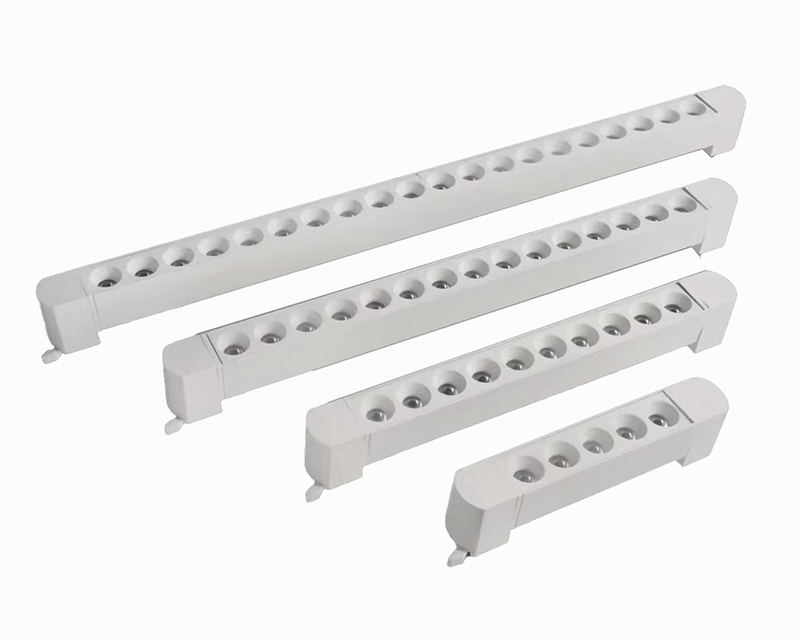
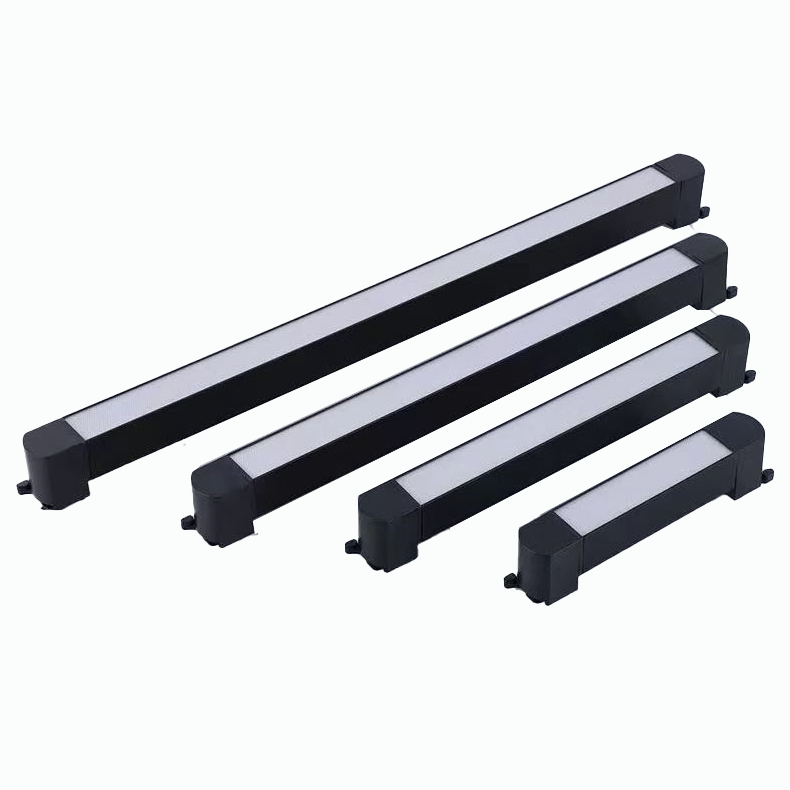
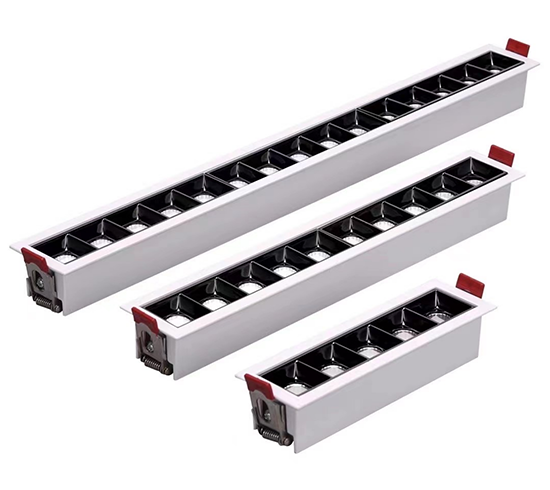
The primary benefits of led recessed ceiling lights are significant cost savings and superior performance. These modern led light fixtures use up to 90% less energy than traditional bulbs. This efficiency can reduce annual household energy costs by approximately $225. The longevity of this recessed lighting is another major advantage.
A single LED Ceiling Light has a long lifetime, often exceeding 50,000 hours, whereas incandescent bulbs last only about 1,000 hours.
Beyond efficiency, recessed led ceiling lights provide a clean look and operate at cooler, safer temperatures. Leading led light manufacturers and any expert LED Ceiling Light Manufacturer design these reliable led recessed lights, making this recessed lighting a smart investment with a long lifetime.
The Financial Perks: An Energy-Saving Lighting Solution
One of the most compelling reasons to upgrade to recessed led ceiling lights is the significant financial benefit they offer. These fixtures are an investment that pays for itself through remarkable energy efficiency and reduced long-term expenses. Homeowners can achieve substantial cost savings by embracing this modern, energy-saving lighting technology. The core of these savings lies in the superior design and efficiency of LED technology.
Maximizing Energy Efficiency
The primary financial advantage of recessed led ceiling lights stems from their exceptional energy efficiency. This efficiency directly translates into lower power consumption without sacrificing brightness, making them a smart choice for any budget-conscious household.
How LEDs Lower Power Consumption
LEDs operate on a fundamentally different principle than traditional bulbs. They are highly efficient at converting electricity into light, losing very little energy as heat. This process allows them to consume up to 80% less energy than their incandescent counterparts. This incredible efficiency means you get the same amount of light for a fraction of the power, which is the foundation of their financial appeal.
Comparing Energy Use to Traditional Bulbs
The difference in power consumption becomes clear when comparing wattage. An LED bulb needs far fewer watts to produce the same brightness (lumens) as an incandescent bulb. For example, a 60-watt incandescent bulb can be replaced with an LED that uses only 6 to 8 watts.
Light Output (Lumens) | LED (Watts) | Incandescent (Watts) |
|---|---|---|
450 | 4-5 | 40 |
750-900 | 6-8 | 60 |
1100-1300 | 9-13 | 75-100 |
1600-1800 | 16-20 | 100 |
This dramatic reduction in wattage is a key factor in the overall energy-efficiency of led recessed lights.
Long-Term Cost Reduction
The benefits of high efficiency extend beyond simple energy use. They create a ripple effect that lowers household expenses over many years, impacting both monthly bills and long-term maintenance budgets.
Slashing Monthly Utility Bills
Lower energy consumption directly reduces your monthly electricity bill. A home can save between $8 and $15 annually for each traditional fixture replaced with an LED.
For a living room with eight recessed lights, this translates to annual savings of $64 to $120. Over the fixture's entire lifespan, these savings can easily exceed $1,500 for just one room.
Minimizing Replacement and Maintenance Costs
LEDs boast an incredible lifespan, often rated for 50,000 hours or more. In contrast, an incandescent bulb typically lasts only about 1,000 hours. This durability drastically cuts down on replacement costs.
Over a 50,000-hour period, you might replace an incandescent bulb 50 times, while the original LED fixture continues to perform. This reliability eliminates the recurring expense and hassle of buying and installing new bulbs, making recessed led ceiling lights a truly low-maintenance solution.
Key Benefits of LED Recessed Ceiling Lights for Modern Homes
Beyond financial savings, the benefits of led recessed ceiling lights extend to superior performance and safety. These modern fixtures offer exceptional light quality, design flexibility, and a safer home environment. Homeowners gain full control over their home's atmosphere, making recessed led ceiling lights a truly intelligent upgrade.
Superior Lighting Quality and Versatility
The quality of light dramatically impacts a room's feel and function. Recessed led ceiling lights provide unparalleled versatility, allowing you to tailor the illumination to fit any mood or task.
Achieving True Colors with High CRI
A high Color Rendering Index (CRI) ensures that colors in your home appear vibrant and true to life, much like they would under natural sunlight. LEDs with a CRI of 90 or higher render colors accurately. This quality is essential for several reasons:
It ensures artwork and photographs display their intended hues.
It accurately renders skin tones, preventing people from looking pale.
It reduces eye fatigue by creating a more natural and comfortable visual environment.
A low CRI can make colors appear dull or washed out, diminishing the beauty of your interior decor. High-CRI recessed lighting brings your home to life.
Customizing Ambiance with Color Temperatures
LEDs offer a range of color temperatures, measured in Kelvin (K), to create the perfect ambiance. You can choose the right light for any space, from a cozy bedroom to a productive home office.
Kelvin (K) | Light Appearance | Ambiance / Best For |
|---|---|---|
2700K | Soft White | Creates a relaxing, cozy, and inviting feel, perfect for living rooms and bedrooms. |
4000K | Cool White | Provides a bright, clean, and precise light ideal for kitchens, bathrooms, and workspaces. |
5000K | Daylight | Mimics midday sun, offering a crisp and invigorating light for garages or task-heavy areas. |
Full Control with Dimmable Options
Many recessed led ceiling lights are compatible with dimmers. This feature gives you complete control over brightness levels. You can transition from bright, general illumination to soft, atmospheric light with a simple adjustment, personalizing your space for any occasion.
Enhanced Safety in Your Home
The advanced technology behind the benefits of led recessed ceiling lights also makes them a safer choice. Their unique construction and cool operation minimize common household hazards associated with traditional lighting.
The Advantage of Cooler Operation
LEDs produce very little heat, operating at significantly lower temperatures than older bulb types. This cool operation drastically reduces the risk of fire, especially in ceilings with insulation. An IC (Insulation Contact) rating on recessed lighting fixtures means they are certified for direct contact with insulation.
Light Type | Average Operating Temperature |
|---|---|
LED | 50° Celsius |
Halogen | 250° Celsius |
Durable and Shock-Resistant Construction
The impressive longevity and durability of LEDs contribute to their safety profile. Unlike fragile glass bulbs, LEDs are solid-state devices resistant to shock and vibration. This durability reduces the risk of breakage and the need for frequent replacements. Their long lifetime ensures reliable, maintenance-free performance, and certifications like UL or ETL confirm they meet strict safety standards.
Elevate Your Home's Style with Recessed LED Ceiling Lights
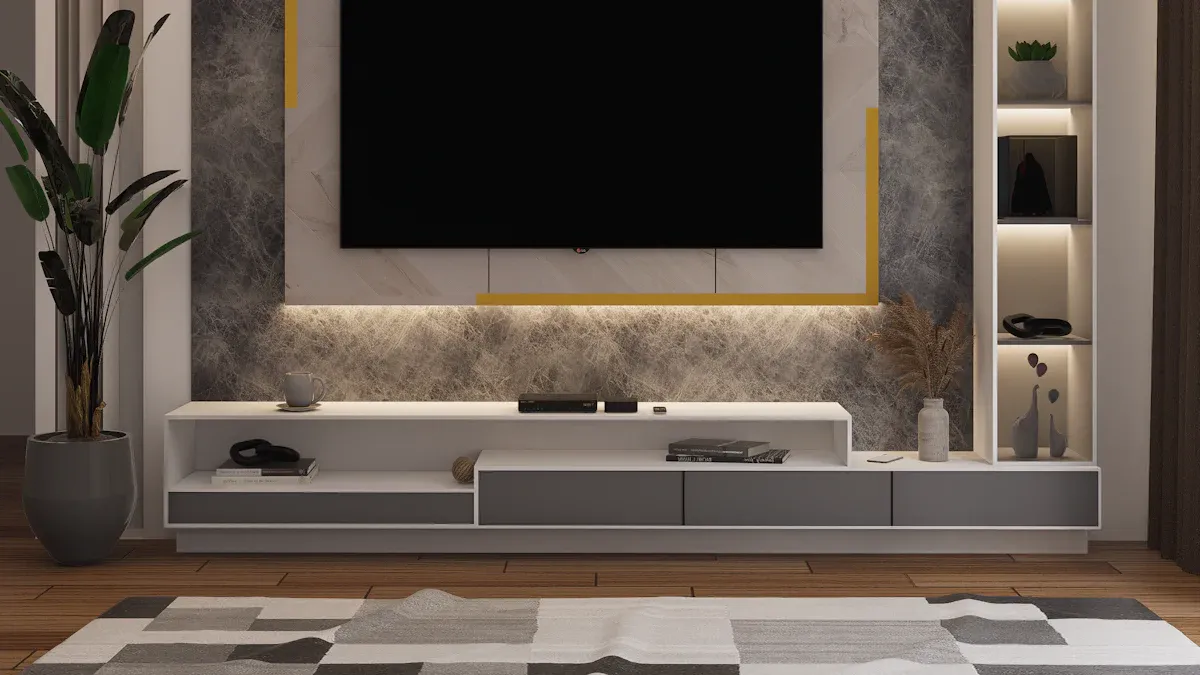
Beyond performance and efficiency, recessed led ceiling lights are a powerful tool for interior design. They offer a sophisticated way to enhance a home's style, creating clean lines and an open atmosphere. Their ability to blend into the architecture makes them a favorite for modern, minimalist aesthetics.
Creating a Sleek, Uncluttered Aesthetic
The primary stylistic benefit of recessed lighting is its ability to deliver illumination without adding visual clutter. This quality is essential for achieving a polished and contemporary feel in any room.
The Appeal of a Flush-Mount Design
The flush-mount design is central to the appeal of recessed lighting. Fixtures install directly into the ceiling, leaving only a minimal trim visible. This unobtrusive profile eliminates the bulk of traditional hanging lights. The result is a clean, uninterrupted ceiling plane that contributes to a more streamlined and organized appearance. Ultra-thin models sit almost perfectly flat, making the light source itself nearly invisible.
Designers often use hidden lights to highlight art or architectural features. This technique adds drama and focus without making the light fixtures the center of attention. The lighting seems to emerge organically from the structure itself.
Achieving a Minimalist and Modern Look
Minimalism prioritizes simplicity and function. Recessed led ceiling lights align perfectly with this philosophy by providing effective illumination from a concealed source. To achieve this look, designers often follow key principles:
Select sleek, unobtrusive fixtures that integrate seamlessly.
Eliminate visual clutter by choosing trimless models that blend into the drywall.
Use the lighting to enhance the room's architecture, not overpower it.
Layer light to create depth while maintaining a clean aesthetic.
Making Rooms Feel Larger and More Open
The design of recessed led ceiling lights has a profound impact on the perception of space. Their low-profile nature helps make rooms feel more expansive and airy.
The Space-Enhancing Effect of Recessed Lighting
Traditional fixtures hang down, visually lowering the ceiling and encroaching on the open space in a room. In contrast, recessed lighting maximizes vertical space. By drawing the eye upward to an unbroken ceiling, it creates an illusion of greater height and volume. This effect makes any room feel larger and less confined, enhancing open-concept floor plans and smaller areas alike.
A Perfect Solution for Rooms with Low Ceilings
Rooms with low ceilings present a unique design challenge. Pendants or chandeliers can make the space feel cramped and obstruct movement. Recessed lighting is the ideal solution. Since the fixtures sit inside the ceiling cavity, they preserve every inch of headroom. This functionality provides bright, even illumination without sacrificing the feeling of openness, transforming a potentially claustrophobic room into a comfortable and inviting space.
Versatile Applications for LED Recessed Lights
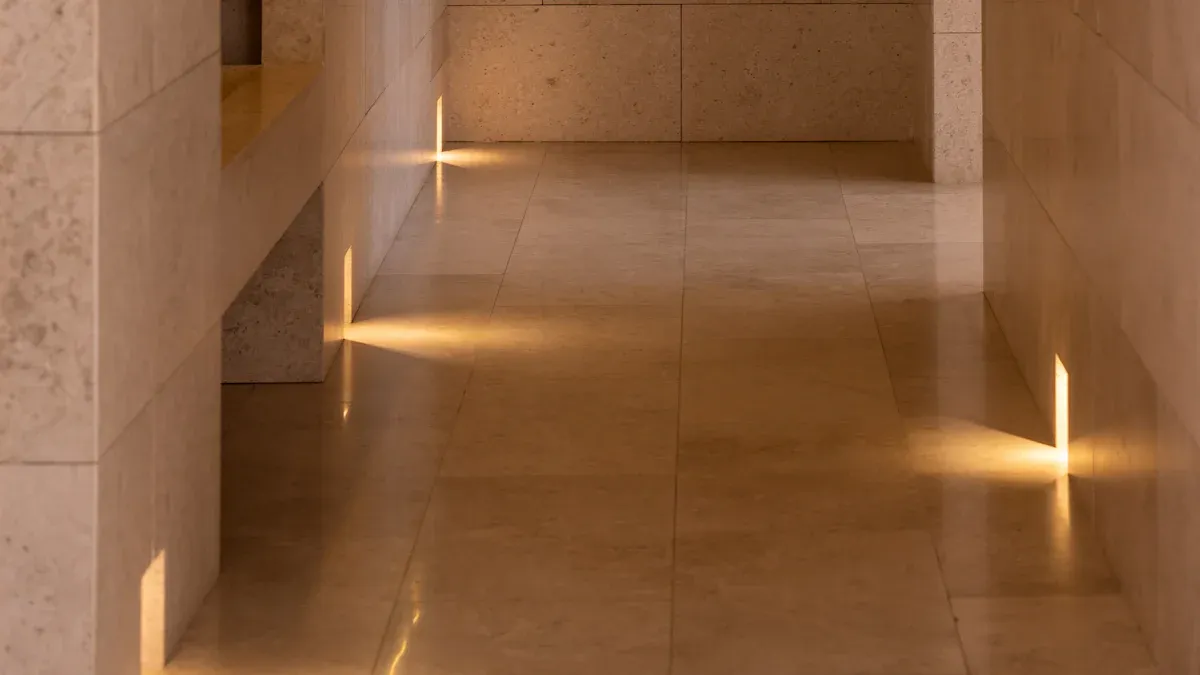
The true strength of recessed led ceiling lights lies in their incredible versatility. These fixtures are not limited to one purpose; they can provide ambient, task, and accent lighting. This adaptability allows homeowners to layer light, creating a space that balances both design and function. From brightening entire rooms to highlighting specific features, recessed lighting offers a solution for every illumination need.
General Ambient Illumination
Ambient light is the foundational layer of a room's lighting plan. It provides overall, non-directional illumination. Recessed led ceiling lights excel at this, creating a comfortable and well-lit environment.
Creating Even, Room-Filling Light
For general illumination, recessed fixtures evenly project light across a space. This prevents dark corners and ensures consistent brightness.
Pro Tip: Fixtures with a 5- or 6-inch diameter are ideal for this purpose. They offer a great coverage area, making them perfect for living rooms, offices, and other large spaces where broad, even light is essential.
Best Practices for Layout and Spacing
Proper spacing is crucial for achieving uniform ambient light. A professional layout prevents spotting and shadows. A simple rule helps guide placement:
The distance between each light should be half the ceiling height.
For a room with an 8-foot ceiling, space the lights 4 feet apart.
For a 10-foot ceiling, space them 5 feet apart. This guideline ensures a seamless and professional lighting effect.
Focused Task Lighting
Task lighting provides concentrated light for specific activities like cooking, reading, or working. The focused beam of led recessed lighting makes it a superior choice for these applications.
Illuminating Kitchens and Workspaces
In kitchens, proper task lighting is a matter of safety and precision. Placing recessed lighting directly over countertops or a kitchen island provides bright, direct light for food preparation. For detailed prep work, a focused beam angle between 30° and 45° is highly effective. This ensures the light is concentrated exactly where it is needed most.
Perfecting Light for Reading Nooks
A single recessed fixture can transform a simple chair into a cozy reading nook. By installing an adjustable fixture directly overhead, you can aim the light precisely onto your book. This eliminates the need for a bulky floor or table lamp, preserving floor space and maintaining a clean, minimalist look.
Dramatic Accent Lighting
Accent lighting adds depth and drama to a room by drawing attention to specific features. It is the final layer that brings a design to life.
Highlighting Artwork and Decor
Adjustable recessed fixtures, also known as gimbal lights, are perfect for accent lighting. Homeowners can aim them to spotlight a painting, sculpture, or architectural detail.
For the most vibrant and true-to-life colors, select recessed led ceiling lights with a high Color Rendering Index (CRI) of 90 or more.
Using Wall Washing Techniques
Wall washing is a technique where fixtures are installed near a wall to cast a soft, uniform glow down its surface. This method eliminates shadows, makes the room feel larger, and creates a gentle, sophisticated ambiance. It is an excellent way to highlight textured walls or create a serene backdrop.
The Environmental Advantage of Choosing LEDs
Choosing recessed led ceiling lights offers significant environmental and health advantages. Their design prioritizes sustainability, reducing both your carbon footprint and exposure to hazardous materials. This makes them a responsible choice for the planet and a healthier option for your home.
Reducing Your Carbon Footprint
The superior energy efficiency of LEDs directly translates to a smaller environmental impact. These fixtures help conserve natural resources and lower greenhouse gas emissions associated with power generation.
The Impact of Lower Energy Use
LEDs consume up to 75% less energy than incandescent bulbs to produce the same amount of light. This remarkable efficiency reduces demand on power plants, which often rely on burning fossil fuels. Lower energy consumption means fewer harmful emissions are released into the atmosphere. The impact on a household's annual carbon footprint is substantial.
Bulb Type | CO2 Emissions (lbs/year) |
|---|---|
Incandescent | 4,500 |
CFL | 1,051 |
LED | 451 |
This table clearly shows how switching to LED technology dramatically cuts down on CO2 emissions, supporting a cleaner environment. The long lifespan of LEDs also minimizes waste from manufacturing and transportation, further enhancing their environmental benefits.
A Healthier Choice for Your Home
Beyond their impressive energy efficiency, recessed led ceiling lights create a safer indoor environment. They eliminate risks associated with the materials and emissions of older lighting technologies.
Mercury-Free and Safe Disposal
A key health benefit is that LEDs are completely mercury-free. In contrast, compact fluorescent lamps (CFLs) contain mercury, a potent neurotoxin. A broken CFL can release mercury vapor, posing a health risk.
An estimated 75% of fluorescent bulbs are not disposed of properly. This leads to mercury leaching from landfills into waterways, where it can contaminate the food chain.
The absence of mercury in LEDs eliminates this hazard. Homeowners do not need to worry about toxic exposure from a broken bulb or special disposal procedures, making them a much safer and more convenient option.
No Harmful UV or IR Radiation
Some traditional lighting sources, like halogen and fluorescent bulbs, can emit small amounts of ultraviolet (UV) and infrared (IR) radiation. While the risk from normal use is low, prolonged exposure to UV radiation is linked to skin and eye damage. LEDs are designed for maximum efficiency in producing visible light. They do not emit harmful UV or IR radiation, making them a safer illumination source for any room in your home.
The combined benefits of cost savings, superior aesthetics, and reliability make led recessed lights an excellent investment. The versatility of recessed led ceiling lights allows homeowners to enhance both function and style, creating a modern appeal. By choosing recessed led ceiling lights, homeowners select a safer, more efficient, and environmentally responsible recessed lighting solution. Ultimately, the benefits of led recessed ceiling lights provide a modern recessed lighting upgrade that adds lasting value and appeal to any home, positively influencing its marketability.
FAQ
How many recessed lights are needed for a room?
A general rule helps determine placement. Homeowners should divide the ceiling height by two. This number is the recommended distance between each light. For an 8-foot ceiling, space the lights 4 feet apart to ensure even, overlapping illumination without creating dark spots.
Can homeowners install recessed LED lights themselves?
While some experienced DIYers can handle the installation, professional installation is highly recommended. Electricians ensure all wiring meets safety codes. They also guarantee the fixtures are installed correctly for optimal performance and longevity, preventing potential hazards.
Are all recessed LED lights dimmable?
No, not all recessed LEDs are dimmable. Homeowners must check the product specifications for this feature.
Important Note: For dimmable fixtures to work correctly, they require a compatible dimmer switch. Using an incompatible switch can cause flickering or damage to the light.
What is an IC rating on a recessed light?
An IC (Insulation Contact) rating is a critical safety certification. It means the fixture is safe for direct contact with ceiling insulation.
IC-Rated: Approved for use with insulation.
Non-IC-Rated: Requires at least 3 inches of clearance from insulation to prevent fire risk.
How long do recessed LED lights really last?
Most recessed LED lights have a rated lifespan of 25,000 to 50,000 hours. This longevity translates to over 20 years of use with average daily operation. Their durability far exceeds that of traditional incandescent bulbs, which typically last only 1,000 hours.
What are "smart" recessed lights?
Smart recessed lights connect to a home's Wi-Fi network. They allow users to control lighting through a smartphone app or voice commands. Features often include scheduling, color-changing capabilities, and remote operation, offering advanced customization and convenience for modern homes.