

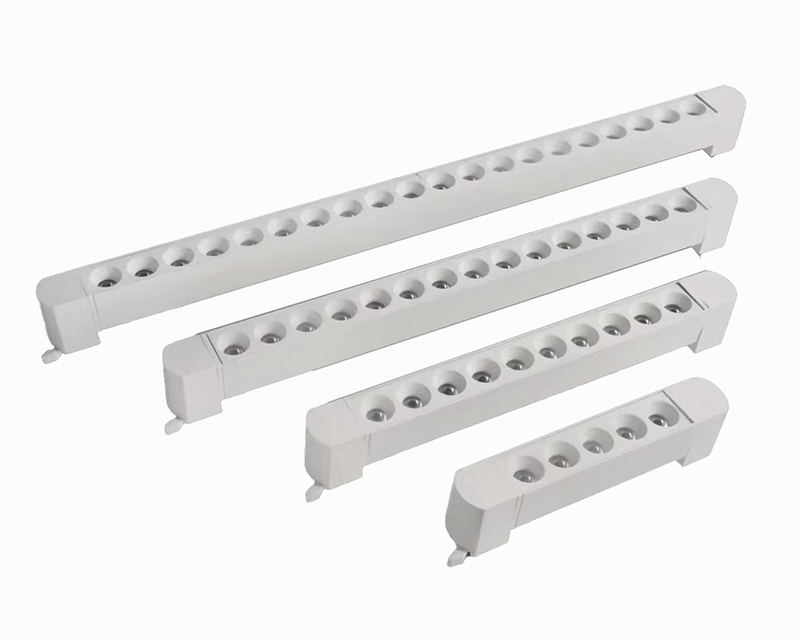
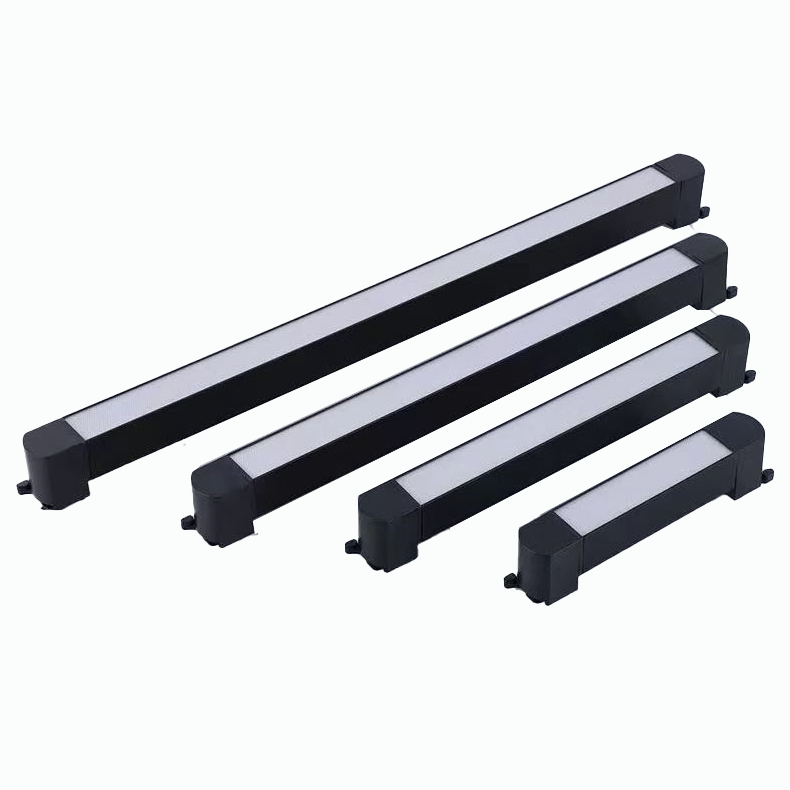
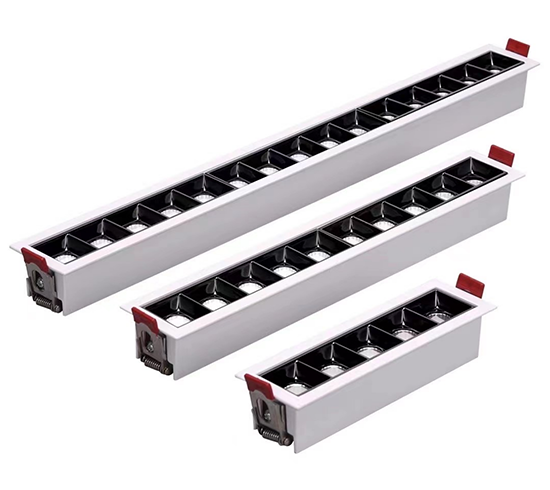
Switching to led ceiling lights offers the single most impactful change for reducing household lighting costs. While lighting accounts for 3-9% of home energy use, modern led lighting provides a powerful solution, delivering substantial energy savings.
LEDs use up to 75% less energy and can last 25 times longer than traditional incandescent bulbs, offering an efficiency improvement of 80-90%.
Leading led light manufacturers and any quality LED Ceiling Light Manufacturer design efficient led light fixtures. Homeowners unlock maximum savings by selecting the right LED Ceiling Light and adopting smart usage habits.
The Fundamental Savings: Why LEDs Are Inherently Efficient
The financial benefits of LED ceiling lights stem from their fundamentally superior technology. Unlike older lighting methods, LEDs are engineered from the ground up for efficiency, longevity, and performance. This inherent design advantage translates directly into lower electricity bills and reduced maintenance.
Superior Energy Conversion
LEDs excel at their primary function: converting electricity into light. This highly energy efficient process minimizes waste, a stark contrast to the technology it replaces.
Understanding Lumens vs. Watts
A critical concept in lighting is luminous efficacy, measured in lumens per watt (lm/W). Lumens quantify brightness, while watts measure energy consumption. A higher lm/W ratio indicates better efficiency. LEDs produce more light for every watt of energy consumed.
Light Type | |
|---|---|
Incandescent | ~13 lm/W |
CFL | ~53 lm/W |
LED | >50 lm/W |
How LEDs Produce More Light, Less Heat
Traditional incandescent bulbs work by heating a filament until it glows, wasting approximately 90% of their energy as heat. LEDs, however, use a semiconductor to create light, a process that generates very little heat. A 60-watt incandescent bulb and a 9-watt LED bulb can both produce around 800 lumens, but the LED does so with significantly less wasted energy.
Unmatched Longevity and Durability
LEDs not only save energy during operation but also reduce long-term costs through their exceptional lifespan and robust construction.
The 25,000-Hour Lifespan Advantage
The operational life of an LED is exponentially longer than that of traditional bulbs. This durability dramatically cuts down on the frequency of replacements.
Bulb Type | Projected Lifespan (hours) |
|---|---|
LED | 25,000 - 50,000 |
Incandescent | 1,200 |
Reducing Replacement Costs and Maintenance
Longer lifespans mean fewer purchases and less time spent on maintenance. Furthermore, LEDs are solid-state devices, making them resistant to vibrations and impact.
A key advantage of LEDs is their resilience to frequent on-off cycling. This action has a minimal impact on their lifespan, whereas it can significantly shorten the life of fluorescent lights.
The Cooling Effect: Lowering AC Load
The low heat output of energy efficient lighting provides a secondary, often overlooked, financial benefit. By introducing less heat into a room, LEDs can reduce the strain on cooling systems.
Minimal Heat Generation Explained
Because LEDs convert most of their energy directly into light, they remain cool to the touch. This minimal thermal output helps maintain a more stable and comfortable ambient room temperature.
The Impact on Overall Home Energy Use
In homes with air conditioning, the heat from incandescent bulbs adds to the thermal load, forcing the AC unit to work harder and consume more power. Switching to cooler LED ceiling lights can lessen this burden, contributing to overall home energy savings, particularly during warmer months.
Precision Lighting by Design
LED technology offers an inherent advantage in how it distributes light. Unlike traditional bulbs that scatter light in all directions (omnidirectional), LEDs emit light in a specific direction. This directional nature is a core component of their efficiency, ensuring light goes exactly where it is needed and minimizing energy waste.
How Directional Light Prevents Waste
Traditional incandescent and fluorescent bulbs emit light in a 360-degree pattern. When placed in a ceiling fixture, a significant portion of this light gets trapped inside the fixture or reflects upward, never reaching the intended area. This requires reflectors and diffusers to redirect the light, a process that causes significant lumen loss.
LEDs, by contrast, produce directional light from the start. This feature is especially effective in recessed ceiling fixtures. Directional recessed lighting improves light efficiency by allowing the light to be precisely aimed at specific areas. This targeted illumination reduces wasted light by ensuring the output is concentrated where it is most needed. The design enhances both functionality and the room's aesthetic appeal.
By focusing light directly onto a task area or an architectural feature, homeowners avoid paying to illuminate unoccupied or unimportant spaces like the upper corners of a room.
This fundamental difference means more of the lumens an LED produces translate into useful, visible light, maximizing the energy consumed.
Ideal Applications for Focused Illumination
The directional quality of LED ceiling lights makes them perfect for a variety of strategic lighting applications. Homeowners can leverage this precision to create both functional and beautiful spaces while saving energy.
Ideal uses include:
Task Lighting: Position recessed or track lights directly over kitchen counters, workbenches, or home office desks. This provides bright, focused light for tasks without needing to illuminate the entire room at full power.
Accent Lighting: 🖼️ Use adjustable spotlights or gimbal recessed lights to highlight artwork, architectural details, or decorative objects. This creates visual interest and depth in a room.
Wall Washing: Install fixtures to cast a smooth, even layer of light across a vertical surface. This technique can make a small room feel larger and more open.
Pathway Illumination: Direct low-level light along hallways or staircases. This ensures safe navigation without the high energy cost of general overhead lighting.
By implementing these focused strategies, users can achieve their lighting goals with fewer fixtures and lower wattages, compounding their energy savings.
How to Choose the Right LED Ceiling Lights for Maximum Savings
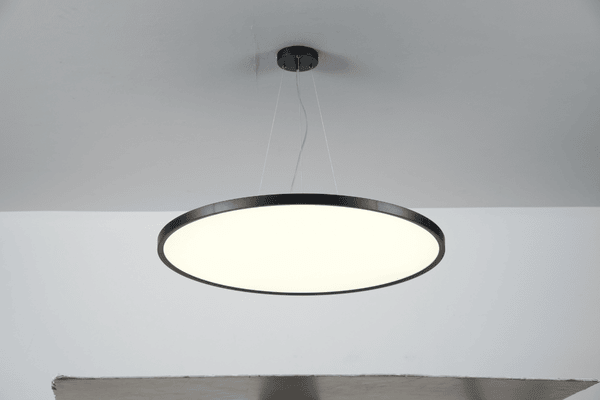
Selecting the right features is paramount to maximizing the financial benefits of an LED upgrade. Beyond the initial switch, choices regarding brightness, dimmability, and color temperature directly influence both energy consumption and the quality of light in a space. Making informed decisions ensures homeowners achieve the greatest possible savings.
Prioritize Lumens for Brightness, Not Watts
The old habit of shopping for watts is obsolete in the age of LEDs. Watts measure energy use, while lumens (lm) measure light output or brightness. An energy efficient LED produces high lumen counts with very low wattage. Homeowners should always use lumens as the primary metric for choosing a bulb's brightness.
How to Read the Lighting Facts Label
The U.S. Department of Energy created the "Lighting Facts" label to help consumers make direct comparisons. This label, found on all LED packaging, provides essential information at a glance.
The most important number on the label is Brightness, measured in lumens. This figure tells a user exactly how much light the bulb will produce. Other key details include the estimated yearly energy cost, lifespan, and light appearance (color temperature).
A Room-by-Room Guide to Lumen Needs
Determining the right lumen count for a room ensures adequate illumination without wasting energy. The process involves a simple calculation. First, homeowners find the room's square footage by multiplying its length by its width. Next, they multiply that square footage by the recommended foot-candles (a measure of light intensity) for that room type.
Room Square Footage × Recommended Foot-Candles = Total Lumens Needed
For example, a 150-square-foot living room needing 20 foot-candles requires 3,000 lumens. This total can be achieved with multiple bulbs.
The following table provides general foot-candle recommendations for residential spaces.
Room Type | Recommended Brightness (Lm/ft²) |
|---|---|
Living rooms general | 45 |
Casual reading | 70 |
Study | 70 |
Bedroom general | 35 |
Kitchen general | 35 |
Kitchen working areas | 70 |
Bathrooms | 35 |
Halls and landings | 15 |
Stairs | 15 |
Dining rooms | 45 |
Several variables can influence a room's lumen requirements:
Ceiling Height: Rooms with ceilings taller than 10 feet need more lumens to ensure light effectively reaches the floor level.
Wall Color: Dark-colored walls, ceilings, and furniture absorb light. Spaces with medium-to-dark surfaces may require doubling the calculated lumen total to achieve the desired brightness.
Unlock Deeper Savings with Dimmable LEDs
Dimmable led ceiling lights offer a powerful tool for controlling both ambiance and energy costs. The ability to adjust light levels provides flexibility and unlocks significant additional savings beyond the baseline efficiency of LEDs.
How Dimming Directly Cuts Energy Use
Unlike older technologies, dimming an LED has a direct, proportional impact on its power consumption. When an LED bulb is dimmed to 50% of its maximum brightness, it uses approximately 50% less energy. This linear relationship means that any reduction in light output translates directly into electricity savings. Setting lights to 75% brightness, for instance, cuts energy use by about 25%.
Selecting a Compatible Dimmer Switch
Achieving smooth, flicker-free performance requires pairing dimmable LEDs with a compatible dimmer switch. Mismatches can cause buzzing, flickering, or poor dimming range.
Modern Dimmers: Most modern dimmers designed for LEDs are trailing-edge models. They offer smoother control and silent operation, making them the preferred choice. Older leading-edge dimmers, designed for incandescent bulbs, are generally less compatible.
Check the Packaging: Manufacturers clearly state compatibility on the packaging of both the bulbs and the dimmer switch. Homeowners should always verify that the dimmer is rated for LED use and that the bulb is marked as "dimmable."
Calculate the Load: A dimmer switch has a maximum wattage rating. A common rule is to divide the dimmer's maximum rating by 10 to find its effective LED load. For example, a 600W-rated dimmer can typically handle a 60W load of LED bulbs.
Extending Bulb Lifespan Through Dimming
Operating an LED at less than full power reduces stress on its internal components. Dimming lowers the operating temperature of the semiconductor and driver, which are the primary factors that degrade over time. Consistently using lights at a dimmed level can extend their already long lifespan even further, delaying replacement costs.
Select the Perfect Color Temperature (Kelvin)
Color temperature, measured on the Kelvin (K) scale, describes the appearance of light, from warm to cool. This choice significantly impacts a room's atmosphere and can even influence how bright the light feels.
Understanding the Kelvin Scale (Warm to Cool)
The Kelvin scale for lighting typically ranges from 2000K to 6500K.
Warm Light (2200K - 3000K): This range produces a cozy, inviting glow similar to a traditional incandescent bulb. It is ideal for ambient lighting in bedrooms and living rooms to promote relaxation.
Neutral/Cool White (3500K - 4500K): This light is crisp and vibrant. It is excellent for task-oriented spaces like kitchens, home offices, and bathrooms where clarity and focus are important.
Daylight (5000K - 6500K): This range mimics natural daylight, providing a very bright, bluish-white light. It is best suited for workspaces, garages, and security lighting where maximum visibility is needed.
How Color Choice Affects Perceived Brightness
Interestingly, color temperature affects how humans perceive brightness. Many people intuitively feel that a higher Kelvin temperature light source is 'brighter' than a warmer one, even if both emit the exact same number of lumens. This perception is partly due to our association of dimming with warmer light in old incandescent bulbs.
However, research shows a more complex relationship. People generally find low brightness levels more pleasing with warm color temperatures (e.g., a cozy lamp) and high brightness levels more comfortable with cooler temperatures (e.g., a bright workshop). Using a high Kelvin temperature in a dimly lit room can appear unnatural and cold. Therefore, homeowners should select a color temperature that complements the room's function and intended brightness level to create a comfortable and effective lighting environment.
Insist on ENERGY STAR Certification
For homeowners seeking guaranteed performance and savings, the ENERGY STAR label is the most reliable indicator of a quality, energy efficient product. This government-backed symbol simplifies the shopping process, allowing consumers to easily identify products that meet high standards of efficiency and durability.
What the ENERGY STAR Label Guarantees
The blue ENERGY STAR logo is more than just a sticker; it is a promise of proven performance. Products certified with the ENERGY STAR label undergo long-term reliability testing. This process ensures they meet the Environmental Protection Agency’s (EPA) strict energy performance standards.
The certification guarantees that an LED bulb delivers on its claims for brightness, color quality, and lifespan. This third-party verification protects consumers from substandard products.
Key performance metrics required for certification include:
A Color Rendering Index (CRI) of 80 or greater, ensuring that colors under the light appear natural and vibrant.
A minimum rated lifetime of 25,000 hours, providing long-term value and reducing replacement frequency.
The financial benefits are also clearly defined. The following table illustrates the potential savings of a single certified bulb compared to a traditional one.
Performance Metric | ENERGY STAR LED |
|---|---|
Light Output (Lumen) | 800 |
Input Power (Watt) | 11 |
Annual Energy Use (kWh) | 43 |
Annual Energy Cost | $4.25 |
Lifetime Energy Cost | $23.19 |
Lifetime Cost Savings | $14.76 |
Finding Certified Products for Proven Performance
Locating ENERGY STAR certified LED ceiling lights is straightforward. Homeowners should look for the official blue logo on product packaging when shopping in stores. For online purchases, most retailers provide filters to display only certified products. The ENERGY STAR website also maintains a comprehensive database of qualified items.
The program has specific requirements for the types of products that can earn the label. This helps consumers know what to look for. Certified lamps must have integrated ballasts or drivers and typically fall into these categories:
Lamp Shapes: Includes common omnidirectional (A-shape), decorative (globe), and directional (PAR, MR) bulbs.
Connection Types: Supports standard base types like E26 (standard screw-in), GU24, and various pin bases.
Operating Voltages: Covers standard household voltages of 120V as well as other ratings like 240V, 277V, 12V, and 24V.
Choosing a certified product ensures that a homeowner's investment in LED lighting yields the maximum possible return in both energy savings and reliable performance.
Smart Habits: Everyday Tips for Lowering Energy Use
While LED technology provides the foundation for savings, daily habits determine the final impact on an electricity bill. Adopting simple, conscious behaviors can amplify the benefits of an energy efficient lighting system without any additional cost.
Leverage Natural Light Strategically
The brightest and most affordable light source is the sun. Maximizing its use is a fundamental energy-saving strategy. Studies show that more daylighting means less need for artificial lighting.
Optimizing Room Layouts for Daylight
Homeowners can significantly reduce their reliance on artificial lights by arranging rooms thoughtfully. Placing desks, reading chairs, and other high-activity areas near windows takes full advantage of natural illumination. Ample windows may reduce artificial lighting needs throughout the day, especially in common areas.
Using Light-Colored Decor to Reflect Light
The color of a room's surfaces plays a crucial role in its brightness.
Walls and Ceilings: Light-colored paints like white, beige, or pastels reflect daylight, making the entire space feel brighter.
Mirrors: Strategically placing mirrors opposite windows can bounce natural light deeper into a room.
Furniture: Lighter-colored furniture and decor absorb less light than dark items, contributing to a brighter overall environment.
Master the Manual Switch
The simplest habit offers one of the most direct ways to save energy: turning lights off. This manual action remains a cornerstone of responsible energy consumption.
Reinforcing the Habit of Turning Lights Off
Making a conscious effort to flip the switch when leaving a room is a powerful behavior. Homeowners can place small reminders near light switches to help build this habit for everyone in the household. The goal is to make it an automatic action rather than an afterthought.
The Cumulative Impact of a Simple Action
Leaving a single light on may seem insignificant, but the costs accumulate over time. Even a low-wattage LED bulb contributes to the monthly bill if left running unnecessarily. The cost of leaving one 10W LED on for eight hours a day can add up.
Forgetting to turn off just one 10-watt LED bulb for 8 hours daily can cost approximately $0.38 per month, or over $4.50 per year. Multiplying that across several lights reveals a significant, yet avoidable, expense.
Clean Fixtures for Better Performance
A clean light fixture is a more efficient light fixture. Over time, dust and grime can accumulate on bulbs and covers, diminishing their performance and wasting energy.
How Dust Buildup Reduces Light Output
A layer of dust on an LED bulb or fixture cover can absorb a surprising amount of light, reducing its output. This can force a user to turn up a dimmer or use more lights than necessary to achieve the desired brightness, negating some of the bulb's efficiency.
A Simple Cleaning and Maintenance Routine
Regular cleaning ensures that homeowners get every lumen they pay for. A safe and effective routine is easy to follow.
Safety First: 🛑 Always turn off the power to the light fixture at the switch and the circuit breaker. Allow the bulb to cool completely before touching it.
Gather Supplies: Use a stable ladder and have a soft, dry microfiber cloth ready. For deeper cleaning, a mild soap and water solution can be used on removable covers.
Clean the Bulb: Gently wipe the LED bulb with the dry microfiber cloth. Never apply liquid directly to the bulb or its electrical components.
Clean the Fixture: If the fixture has a removable cover, clean it with a damp cloth or the soap solution. Ensure it is completely dry before reattaching it to prevent electrical hazards.
Automate Your Savings with Smart Technology
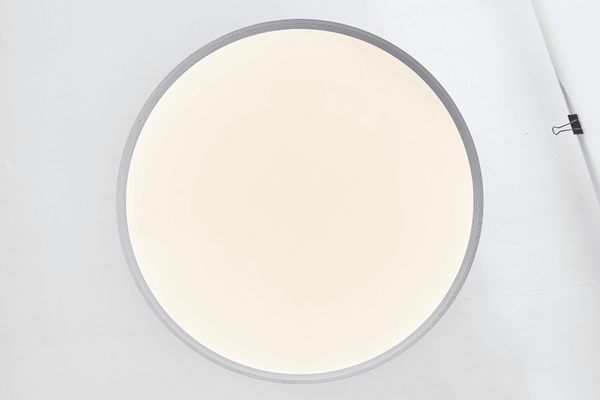
Automating a home's lighting system offers the ultimate energy efficient solution. Smart technology removes the element of human error, ensuring lights are only on when needed. This hands-off approach maximizes savings and adds a layer of modern convenience.
Install Motion and Occupancy Sensors
Sensors provide a simple yet powerful form of automation. They detect movement and automatically control the lights, eliminating the energy wasted when someone forgets to flip a switch. This technology is particularly effective in rooms with transient traffic.
Best Locations for Motion Sensors
Placing sensors in the right locations yields the greatest benefit. They are most effective in areas where people frequently enter and exit without staying for long periods.
Ideal locations include:
Hallways and Staircases: Lights turn on for safe passage and off after the person has left.
Bathrooms: 🚽 These are common areas where lights are accidentally left on.
Closets and Pantries: The light is only needed for the brief moment someone is inside.
Laundry Rooms and Garages: These utility spaces often have lights left on for hours by mistake.
The Difference Between Occupancy and Vacancy Sensors
Homeowners can choose between two main types of sensors, each offering a different level of control. The choice depends on the room's function and user preference.
An occupancy sensor is fully automatic. It turns lights on when a person enters a room and off after it detects no motion for a set period. A vacancy sensor requires manual action to turn the lights on but will automatically turn them off when the room is empty.
The table below outlines the key differences.
Feature | Occupancy Sensor | Vacancy Sensor |
|---|---|---|
Activation | Automatic On | Manual On |
Deactivation | Automatic Off | Automatic Off |
Energy Savings | High | Very High (prevents accidental activation) |
Best For | Hallways, closets, utility rooms | Bedrooms, offices, living rooms |
Vacancy sensors often provide greater savings because they prevent lights from turning on unnecessarily, such as when a person is just passing by an open door.
Use Timers and Smart Plugs for Scheduling
Timers and smart plugs allow homeowners to program their LED ceiling lights to operate on a set schedule. This method provides precise control over lighting, ensuring energy is never wasted on lights that are not needed.
Setting "Away From Home" Schedules
A key feature of timers is the ability to create "away" or "vacation" modes. Users can program lights in different rooms to turn on and off at various intervals. This mimics the natural patterns of an occupied house, deterring potential intruders. It also guarantees that all lights are off during the day when the home is empty.
Automating Lights for Security and Convenience
Scheduling extends beyond vacation modes. Homeowners can automate exterior lights to enhance security and convenience. For example, a porch light can be scheduled to turn on at sunset and off at sunrise. This simple automation ensures the home is always well-lit and welcoming after dark without any daily effort.
Zone Your Lighting for Efficiency
Lighting zoning is an advanced strategy that involves dividing a larger space, like an open-plan living area, into smaller, distinct zones. Each zone has its own lighting controls. This approach allows users to illuminate only the areas in use, preventing the high cost of lighting an entire large room for a single activity.
Creating Lighting Zones for Different Activities
Creating effective zones involves layering different types of light sources. This method provides practical illumination while also building an inviting atmosphere. Homeowners can combine various fixtures to define specific areas.
Use dimmable pendant or cluster lights to provide general ambient light and define a central living area.
Introduce softer, diffused light with wall sconces to create a relaxing zone away from the main activity.
Place floor lamps next to armchairs to establish dedicated reading nooks. 🛋️
Add a large feature pendant light above a dining table to act as a focal point for the dining zone.
Supplement the main dining light with wall lights to add warmth and intimacy during meals.
Using Task Lighting to Avoid Over-Illuminating
The core principle of zoning is to use focused task lighting for specific activities. This avoids the need to blast the entire room with bright overhead light. Placing a directional LED light over a kitchen counter for food prep or a desk lamp in a study area are perfect examples. This targeted approach delivers bright light exactly where it is needed.
Dimmable lights are essential for flexibility in both living and dining zones. They allow adjustment for various activities and help create different atmospheres throughout the day, from bright and functional to dim and relaxing. This control ensures that no more energy than necessary is ever used.
Advanced Savings with Smart LED Ceiling Lights
Smart technology elevates energy savings from a manual effort to an automated, intelligent process. Smart LEDs integrate connectivity and sensors to create a lighting system that actively works to reduce consumption, offering convenience and deeper cost reductions.
The Core Features of Smart Lighting
The foundation of smart lighting rests on its ability to connect and be controlled remotely. This connectivity unlocks a host of advanced functions.
Wi-Fi and Bluetooth Connectivity
Smart bulbs connect directly to a home's network via Wi-Fi or create a mesh network using Bluetooth. This connection is the gateway that allows the lights to communicate with other devices, from a smartphone to a central smart home hub.
Control via Apps and Voice Assistants
Users gain precise control through dedicated smartphone apps or voice commands. Homeowners can manage their lighting using popular voice assistants like Amazon Alexa, Google Assistant, or Apple Siri, making adjustments effortless.
Energy-Saving Functions of Smart LEDs
Smart LEDs move beyond basic efficiency with functions designed specifically to eliminate wasted energy. These features automate the best energy-saving habits.
Remote On/Off and Dimming Control
The most fundamental feature is remote control. A homeowner can turn lights on or off and adjust brightness from anywhere with an internet connection, ensuring a forgotten light is never left running.
Advanced Scheduling and Scene Creation
AI-powered systems enable the creation of sophisticated schedules and "scenes." Users can program lights to operate based on time of day or specific activities. AI can even learn user preferences to optimize these schedules automatically.
Advanced systems can process information from multiple sensors to create dynamic scenes. This automation can cut energy use by up to 90% by ensuring lights are never on when they are not needed.
For example, a hallway scene could follow this logic:
The lamp remains off when natural light is sufficient.
The lamp turns on when light dims and someone passes by.
It stays at 100% brightness for a set time.
It then dims to a lower level for a "waiting" period.
Finally, the lamp turns off completely.
Automatic Brightness Adjustment with Sensors
Many smart lights include built-in ambient light sensors (ALS). These sensors measure the amount of natural light in a room and adjust the artificial light accordingly. This process, known as daylight harvesting, is a highly energy efficient strategy. ☀️
On a bright day, the sensor will automatically dim the lights or turn them off. As clouds roll in or evening approaches, it will increase the brightness to maintain a consistent light level. This intelligent regulation can achieve up to 30% energy savings compared to lights without sensors.
Integrating Lights into a Smart Home Ecosystem
The true power of smart lighting is realized when it is integrated into a broader smart home ecosystem. This allows the lights to interact with other connected devices.
Linking Lights with Other Smart Devices
Smart lights can be linked to thermostats, security cameras, and motorized blinds. For instance, if a security camera detects motion in the backyard at night, it can trigger the exterior lights to turn on automatically.
Creating "Good Morning" or "Movie Night" Scenes
Homeowners can create complex scenes that control multiple devices with a single command.
A "Good Morning" scene could slowly brighten the bedroom led ceiling lights, raise the smart blinds, and turn on the coffee maker.
A "Movie Night" scene 🎬 might dim the living room lights to 20%, turn on the TV, and lower the thermostat by a few degrees.
Calculate Your Potential Savings
Translating the efficiency of LED lighting into real dollars is a straightforward process. Homeowners can quantify their potential cost reductions by performing a simple energy audit and calculation.
A Step-by-Step Guide to Estimating Your Savings
Following a clear, four-step method allows anyone to accurately estimate their financial benefits. This process compares current energy expenditures with the projected costs of a new LED system.
Step 1: Audit Your Current Bulbs and Wattage
First, a homeowner should conduct an inventory of their home's current ceiling lights. They need to walk through each room and record the type (e.g., incandescent, halogen, CFL) and wattage of every bulb. This initial data forms the baseline for all calculations.
Step 2: Calculate Your Current Annual Cost
Next, one can calculate the annual operating cost for each bulb. The calculation requires the bulb's wattage, the average hours it is used per day, and the local electricity rate, which is found on a utility bill and measured in dollars per kilowatt-hour (kWh).
The formula provides a clear path to the annual cost:
(Bulb Wattage × Daily Hours of Use × 365) / 1000 × Electricity Rate = Annual Cost
For example, a single 60-watt incandescent bulb used 5 hours daily with an electricity rate of $0.15/kWh would cost approximately $16.43 per year to operate.
Step 3: Calculate Your Future LED Annual Cost
The homeowner then repeats the calculation using the wattage of the replacement LED bulb. A 9-watt LED that produces the same brightness as the 60-watt incandescent would be used in the formula.
(9W × 5 hours/day × 365) / 1000 × $0.15/kWh = $2.46 per year
This step highlights the dramatic reduction in operational expense.
Step 4: Determine Your Total Savings
Finally, one determines the total annual energy savings by subtracting the future LED cost from the current annual cost. In the example above, the savings for a single bulb would be $13.97 per year. Multiplying this figure by the number of bulbs replaced reveals the substantial overall savings. Over the LED's long lifespan, these savings are compounded by eliminating the cost of frequent bulb replacements.
Using Online Energy Savings Calculators
For those who prefer a quicker method, numerous online calculators can provide a reliable estimate.
How to Find and Use a Reliable Calculator
Homeowners can find trustworthy calculators on the websites of utility companies, government energy agencies, and major lighting manufacturers. These tools are designed to provide accurate projections based on standard data.
Inputting the Right Data for an Accurate Estimate
To get a precise result from an online calculator, a user must input accurate information. The essential data points typically include:
The wattage of the current bulbs.
The wattage of the new LED bulbs.
The number of bulbs being replaced.
The average number of hours the lights are used each day.
The cost of electricity per kilowatt-hour (kWh) from a recent utility bill.
The switch to led ceiling lights offers immediate and substantial energy savings. Their superior efficiency and unmatched lifespan provide a clear financial advantage. Homeowners maximize these returns by selecting the right dimmable, ENERGY STAR certified products. Adopting smart habits and integrating automation like sensors further amplifies cost reductions.
Homeowners can begin upgrading their lighting today. This action secures a lower electricity bill and contributes to a more sustainable home. 💡
FAQ
Do LEDs really save that much money?
Yes. LEDs use up to 75% less energy than traditional bulbs. This efficiency directly lowers electricity bills. Their long lifespan also reduces replacement costs, providing homeowners with significant long-term financial benefits.
Can I use my old dimmer switch with new LEDs?
Not always. Many older dimmers are incompatible with LED technology and can cause flickering or buzzing. Homeowners should install a modern, LED-compatible dimmer. Always check product packaging to ensure compatibility for smooth performance.
What happens when an LED bulb "burns out"?
LEDs rarely burn out suddenly. Instead, they experience "lumen depreciation," meaning they gradually lose brightness over their lifespan. The bulb will continue to work but will produce less light toward the end of its life.
Are smart LEDs worth the extra cost?
For many homeowners, the investment is worthwhile. Smart LEDs provide advanced energy-saving features like scheduling, remote control, and automation. These functions prevent wasted energy and offer superior convenience, often offsetting the initial cost.
Is it difficult to install new led ceiling lights?
Replacing screw-in bulbs is simple. Installing new integrated fixtures is similar to any standard light fixture project.
Homeowners with basic electrical knowledge can often handle the task. However, consulting a professional electrician is the safest choice for complex wiring or new installations.
Why is my new LED bulb buzzing?
A buzzing sound usually points to an incompatibility issue. This often occurs when a non-dimmable bulb is used with a dimmer switch or when an older dimmer is paired with a new LED bulb.