

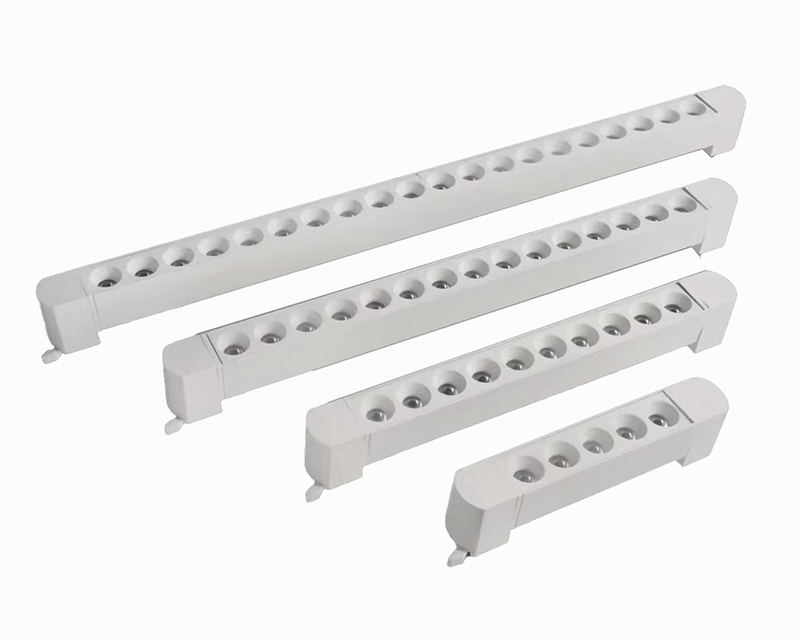
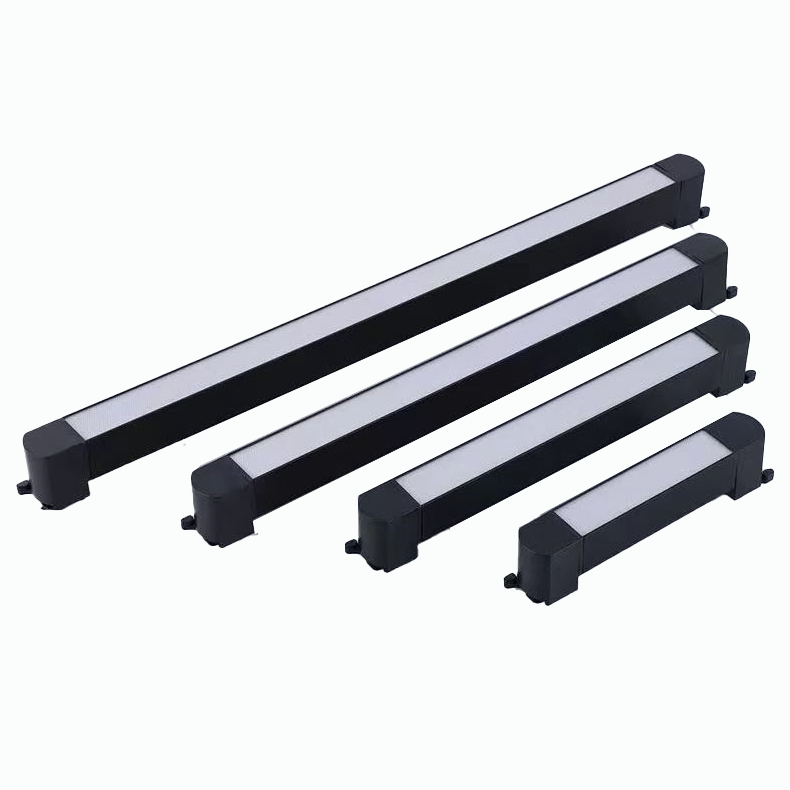
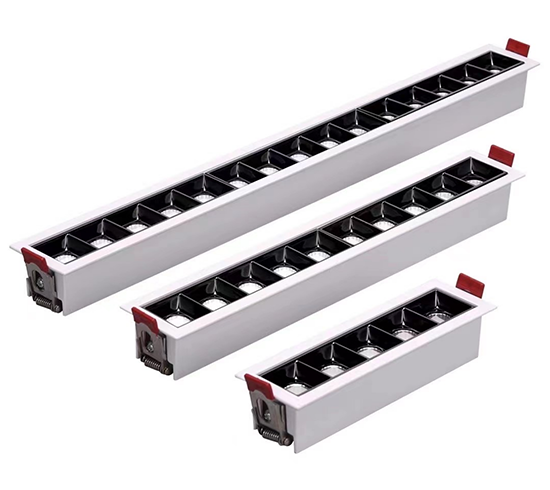
A modern kitchen deserves lighting that blends brilliant function with beautiful design. The right LED Ceiling Light can transform a space from merely practical to a stunning focal point. Excellent led kitchen ceiling light ideas from a trusted LED Ceiling Light Manufacturer or other led light manufacturers can instantly elevate your kitchen's aesthetic. Modern lighting has evolved into a design driver, with led light fixtures playing a key role.
Today's best lighting ideas focus on flexibility and layering. This human-centric approach adapts to different tasks and times of day, significantly enhancing a room's perceived value and functionality.
1. Recessed LED Downlights for a Minimalist Kitchen Look
Recessed lighting is a cornerstone of many led kitchen ceiling light ideas, especially for those seeking a clean and minimalist aesthetic. These fixtures install directly into the ceiling, offering powerful illumination without any visual clutter. Their low-profile nature makes them an essential tool for creating a sophisticated and streamlined modern kitchen.
Why Recessed Lighting Defines Modern Kitchens
Creating a Clean, Uncluttered Ceiling
Recessed fixtures excel at creating an open and airy feeling. By sitting flush with the ceiling, they eliminate the visual weight of hanging lights. This design choice results in an uninterrupted ceiling plane that makes the entire kitchen feel larger and more organized. The focus shifts from the light fixtures themselves to the beautiful cabinetry, countertops, and architectural details of the space.
The Power of Seamless Integration
For ultimate minimalism, trimless recessed lights offer unparalleled integration. These fixtures are plastered directly into the ceiling, making the light source appear as if it is an organic part of the architecture. This seamless effect removes all visible edges, creating a smooth, continuous surface that enhances the perception of height and space. The light seems to emanate from the ceiling itself, providing a high-end, custom look.
Best Applications for Recessed LEDs
Achieving Perfect Ambient Lighting
A grid of recessed downlights is the most effective way to establish a base layer of ambient lighting. When spaced correctly, they wash the entire kitchen in even, shadow-free light. This foundational illumination ensures the room is functional and welcoming, providing general brightness for everyday activities. These versatile lighting ideas support all other layers of light in the room.
Using Gimbal Fixtures for Accent
Not all recessed lights have to point straight down. Gimbal fixtures feature an adjustable head that can be tilted and swiveled. This flexibility allows you to direct light precisely where it is needed. Use them to highlight a piece of art, accentuate textured tile on a backsplash, or wash a wall of cabinetry in light, adding depth and visual interest.
Choosing the Right Recessed Lights
Trim vs. Trimless Styles
The choice between a trim or trimless style significantly impacts the final look of your ceiling. A standard trim is easier to install and covers any imperfections in the drywall cut, while a trimless style delivers a flawless, high-end appearance.
Feature | Trim Recessed Lights | Trimless Recessed Lights |
|---|---|---|
Visual Appearance | Visible bezel or ring around the light | No visible trim; appears flush with the ceiling |
Integration | Sits on the ceiling surface | Plastered in to become part of the ceiling |
Installation | Simpler and faster to install | Requires more skill for a seamless finish |
Understanding Color Temperature (Kelvins)
The color of the light itself plays a huge role in the kitchen's atmosphere. Color temperature is measured in Kelvins (K). Lower numbers produce a warmer, cozier light, while higher numbers create a cooler, more energizing light.
Pro Tip: For most kitchen applications, a color temperature between 3000K (soft white) and 4000K (cool white) is ideal. This range provides clear, bright light for tasks without feeling sterile or overly yellow.
Spacing and Layout for Even Coverage
Proper spacing is critical for avoiding dark spots. A general rule is to space 4-inch fixtures about 4 feet apart and 6-inch fixtures about 6 feet apart. You should also position them approximately 24-30 inches away from the walls to illuminate vertical surfaces without creating harsh shadows or "scalloping."
2. Statement LED Pendants: Stylish Light Fixtures Over an Island
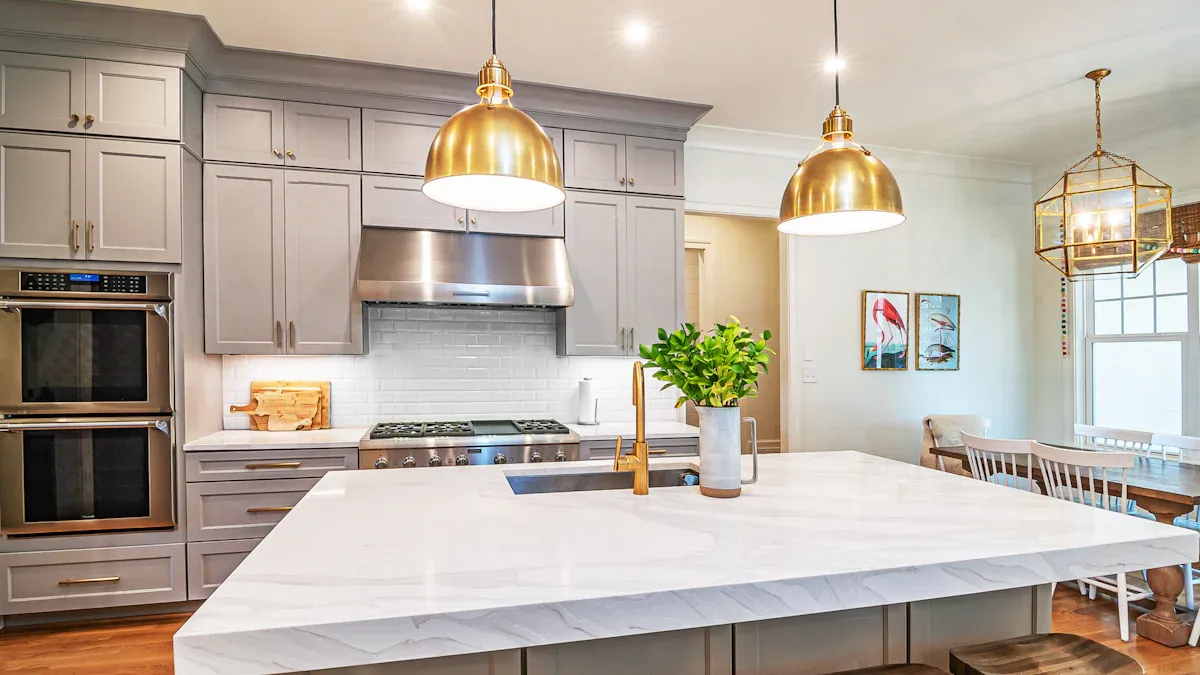
Statement pendants do more than just illuminate a kitchen; they act as jewelry for the room. Hanging over an island, these fixtures become an immediate focal point, drawing the eye and defining the kitchen's character. They are one of the most popular lighting ideas for a modern home.
Pendants as a Functional Focal Point
Why the Kitchen Island is the Perfect Stage
The kitchen island is the hub of activity. It serves as a workspace, a dining area, and a social gathering spot. Placing pendants here anchors the space visually. This central placement makes the island a deliberate and powerful design element within the overall kitchen layout.
Combining Task Lighting with High Style
Pendants are the perfect fusion of form and function. Task lighting focuses on illuminating areas for clear visibility during work. Centering pendants over an island provides focused illumination for tasks like chopping vegetables or preparing meals. This placement also reduces shadows and glare, creating a more comfortable and functional workspace. These stylish light fixtures deliver essential light exactly where it is needed most.
How to Choose the Perfect Pendant
Single Large vs. Multiple Small Pendants
The size of your island dictates the number and scale of the pendants. A common mistake is choosing fixtures that are too small for the space. The goal is to achieve balanced visual weight and adequate light coverage.
Recommended Pendants | |
|---|---|
Under 5 ft | 1 large pendant or 2 small pendants |
5–7 ft | 2 medium pendants |
7–10 ft | 2–3 medium or large pendants |
Over 10 ft | 3 large pendants or 4 smaller pendants |
A single, oversized modern pendant can create a dramatic, minimalist statement. Multiple smaller pendants offer a more traditional rhythm and distribute light more broadly.
Matching Metals and Materials
Create a cohesive look by coordinating your pendant's materials with other finishes in the kitchen. Match the metal of your pendants to your cabinet hardware, faucet, or appliances. Finishes like matte black, brushed brass, and polished nickel are popular choices that complement a modern aesthetic.
Getting the Height and Spacing Right
Proper installation is key to the success of island lighting. Incorrect height can either block sightlines or fail to provide adequate light.
Installation Tip: Hang pendants so the bottom of the fixture is 30 to 36 inches above the countertop. If hanging multiple pendants, ensure there are at least 24 to 30 inches of space between each fixture to prevent a cluttered look.
Popular Styles for Modern Homes
Globe and Orb Pendants
Globe or orb pendants feature a spherical shape, often made of clear, frosted, or smoked glass.
They provide a soft, diffused glow.
Their simple geometry feels both timeless and contemporary.
They work well in a variety of modern kitchen styles.
Industrial-Inspired Designs
Industrial pendants often feature raw materials and utilitarian shapes.
Look for designs with metal shades, cage details, or exposed-filament LED bulbs.
Finishes like aged iron, bronze, and galvanized steel add an edgy, urban character.
Sleek Cylinder Pendants
For a truly minimalist look, cylinder pendants offer a clean and understated option.
These long, narrow fixtures direct a focused beam of light downward.
They are perfect for creating a precise pool of task lighting without adding visual bulk.
Grouping them at varying heights can create a dynamic, sculptural effect.
3. Sleek LED Track Lighting for Ultimate Flexibility
Track lighting offers unparalleled adaptability, making it one of the most versatile kitchen lighting ideas for a modern home. These systems consist of a linear track containing electrical conductors. Individual light fixtures, or "heads," can be positioned anywhere along the track and aimed precisely. This design provides a customized lighting solution that can evolve with the needs of the space. A modern kitchen benefits greatly from this level of control.
The Best in Adjustable Kitchen Lighting Ideas
Why Flexibility Matters in a Kitchen
A kitchen is a dynamic environment. Its function shifts from a bright task zone for meal prep to a warm, inviting space for dining or entertaining. Flexible lighting allows the room's atmosphere to change accordingly. The ability to modify light settings for any occasion contributes significantly to the overall ambiance and functionality of the kitchen.
Directing Light Exactly Where You Need It
The primary advantage of track lighting is its ability to deliver focused light exactly where it is needed. This improves both safety and aesthetics in the kitchen.
Enhanced Functionality: Users can easily reposition fixtures to illuminate specific workspaces, minimizing shadows on countertops during food prep.
Improved Meal Presentation: Strategic lighting can highlight key dishes on an island or table, making them more visually appealing.
Dynamic Atmosphere: Layering light by directing some heads at work areas and others at walls or cabinetry creates a more inviting and visually interesting atmosphere.
Modern Track Lighting Systems
Modern systems offer more than just basic functionality; they are design elements in their own right. The two main types are standard track and monorail systems, each with distinct characteristics.
Monorail vs. Standard Tracks
Choosing between a monorail and a standard track system depends on budget, aesthetic goals, and installation complexity. Monorail systems offer more design freedom, while standard tracks provide a more functional, budget-friendly solution.
Feature | Standard Track Lighting | Monorail Lighting |
|---|---|---|
Aesthetics | Functional, straight lines; can blend into the ceiling | Decorative, can be curved; acts as a design feature |
Flexibility | Track is rigid; flexibility is in moving the heads | Rail is hand-bendable for custom curves and shapes |
Voltage | Typically line-voltage (120V) | Often low-voltage (12V), requiring a transformer |
Cost | More budget-friendly | Generally a higher-end, more expensive option |
Choosing Your Track Heads
The style of the track head also impacts the lighting effect. Cylinder heads provide a focused, narrow beam perfect for tasks. Gimbal heads offer maximum adjustability, with heads that can pivot and rotate to direct light in nearly any direction. These ideas help customize the system.
Smart Placement Strategies
Highlighting Workstations
Proper placement is crucial for effective task lighting. Center tracks directly above the edge of a countertop. This prevents a person's body from casting a shadow on the work surface. Angling the heads at a 30-degree angle can also beautifully reveal the texture and pattern of countertop materials.
Accentuating Cabinetry or Artwork
Use adjustable track heads to create accent lighting. Aiming a light at a wall of cabinetry adds depth and prevents the upper part of the room from feeling dark. This same technique works wonderfully for highlighting a piece of artwork or an architectural feature.
Illuminating Galley Kitchens
Track lighting is an excellent solution for long, narrow galley kitchens. Running a single track along the length of the ceiling provides consistent, even illumination across all the work surfaces. This approach makes the narrow space feel brighter and more expansive.
4. Modern LED Flush Mounts for Low Ceilings
Kitchens with ceilings under eight feet present a unique design challenge. Modern LED flush mounts offer a brilliant solution, delivering powerful illumination without compromising precious headroom. These fixtures mount directly against the ceiling, making them an ideal choice for compact spaces.
Maximizing Style in Compact Spaces
The Benefit of Low-Profile Design
Flush mounts maximize style by offering a low-profile design that preserves an open, airy feeling. Their aesthetic versatility allows them to adapt to any decor. These fixtures provide visual interest without consuming significant physical or visual space, a key benefit in a smaller kitchen. The result is a clean ceiling line that makes the room feel larger.
Providing Ample Light Without Sacrificing Headroom
Despite their compact size, high-quality flush mounts are engineered to provide broad, diffused light. This ensures even lighting distribution across the entire kitchen, eliminating dark corners. They serve as a functional and stylish anchor, delivering ample ambient lighting without creating obstructions. This makes them one of the most practical lighting ideas for rooms with limited vertical space.
Stylish Light Fixtures Beyond the Basics
Today’s flush mounts have evolved far beyond simple, utilitarian domes. Designers now offer a wide range of sophisticated options.
Sleek Drum-Shaped Fixtures
Drum-shaped flush mounts offer a soft, contemporary look. Often wrapped in fabric or framed with metal accents like brushed brass or matte black, they diffuse light beautifully. This style adds a touch of warmth and elegance to the kitchen ceiling.
Geometric and Square Designs
For a bolder statement, geometric and square fixtures introduce clean lines and architectural interest. These designs complement a modern aesthetic perfectly. They break away from traditional round shapes to become a subtle yet impactful design element.
Ultra-Thin LED Panel Lights
Ultra-thin LED panels represent the pinnacle of minimalist lighting. These fixtures are incredibly slim and deliver a seamless sheet of uniform light. They almost disappear into the ceiling, providing excellent brightness with an exceptionally clean look.
Where to Use Flush Mounts Effectively
Primary Light Source in Smaller Kitchens
In a smaller kitchen, a large, centrally located flush mount can serve as the primary source of ambient lighting. A single powerful fixture can illuminate the entire space effectively, providing a strong foundation for other lighting layers.
Lighting for Pantries and Nooks
Flush mounts also excel in specific zones that require focused, unobtrusive light. Their compact nature makes them perfect for various applications.
Directly over a sink for task lighting
In galley-style kitchens without an island
Inside walk-in pantries or storage closets
5. Linear LED Suspension for Broad Illumination
Linear suspension lighting introduces a bold, horizontal element that perfectly complements the clean lines of a contemporary kitchen. These long, singular fixtures provide a powerful statement and exceptional function, making them one of the most sophisticated lighting ideas available. They hang gracefully from the ceiling, offering broad, seamless illumination over key areas.
The Power of the Linear Form
A Contemporary Edge for Your Kitchen
The elongated shape of a linear fixture creates a strong visual line that draws the eye and enhances the architectural feel of a space. This simple geometry provides a distinct modern edge. It acts as a sculptural piece that defines the area below it, bringing a sense of order and sleekness to the entire kitchen design.
Ideal for Rectangular Islands and Tables
Linear suspension lights are purpose-built for rectangular surfaces. A single fixture can illuminate the full length of a long kitchen island or dining table. This creates a cohesive look that a series of individual pendants cannot always achieve, ensuring balanced light coverage from end to end.
Design and Functionality
Providing Uninterrupted, Even Light
The primary functional benefit of a linear fixture is its ability to cast a wide, uninterrupted plane of light. This eliminates the pools of light and shadow that can occur between multiple pendants. The result is consistent, even task lighting across the entire work surface, which is ideal for food preparation and dining in the kitchen.
Up-and-Down Lighting Models
Advanced linear fixtures offer multi-directional lighting for a layered effect. These models combine direct and indirect light to create a balanced and inviting atmosphere.
Downlight: This component casts light downward, providing bright, focused task lighting directly onto the island or table. It ensures excellent visibility for all kitchen activities.
Uplight: This feature directs light upward toward the ceiling. The reflected light creates a soft, ambient glow that makes the kitchen feel larger and more open while highlighting architectural details.
Selecting a Linear Fixture
Sizing Your Fixture to Your Island
Correctly sizing the fixture is crucial for visual balance. An improperly scaled light can overwhelm or underwhelm the space.
Sizing Tip: A linear fixture should be approximately one-third to one-half the length of the kitchen island. This ensures the scale is appropriate and the lighting is effective. Leave at least 6 inches of space on either end of the island to avoid a cramped look.
Material Choices: Wood, Metal, Acrylic
Linear fixtures come in a variety of materials to match any decor. Sleek metal finishes like matte black or brushed brass reinforce a minimalist aesthetic. Fixtures with wood accents can add warmth and organic texture. Acrylic diffusers provide a soft, even glow.
Dimmable Features for Mood Control
For ultimate versatility, select a fixture with dimmable LEDs. This feature allows you to transition the lighting from bright and functional for cooking to a soft, warm glow for dining or entertaining. Adjusting the brightness gives you complete control over the kitchen's ambiance.
6. Under-Cabinet LED Strips for Essential Task Clarity
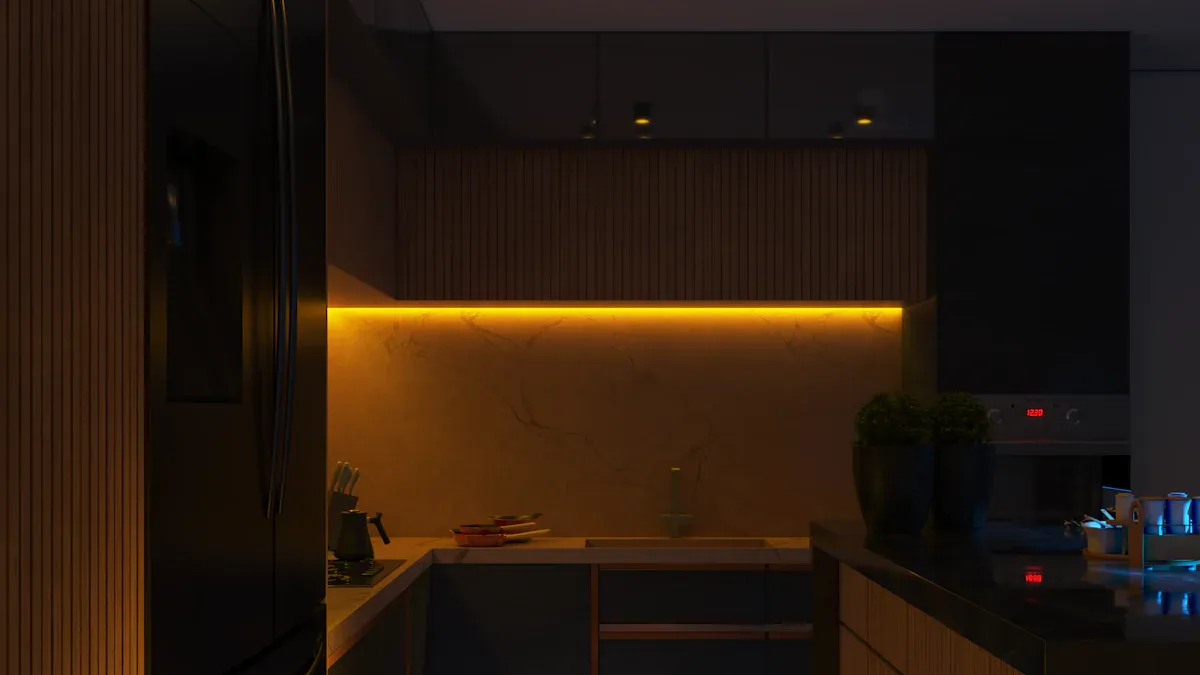
Under-cabinet lighting is the unsung hero of modern kitchen design. While it lacks the dramatic presence of a pendant, its impact on functionality is immense. This layer of lighting provides targeted illumination directly onto countertops, making it one of the most practical kitchen lighting ideas. It transforms a kitchen from a merely stylish space into a highly efficient work zone.
The Unsung Hero of Kitchen Lighting Ideas
Eliminating Countertop Shadows
Overhead fixtures often cast shadows on work surfaces, exactly where clear vision is most needed. A person standing at the counter blocks the light from above. Under-cabinet lighting solves this problem by placing the light source below the upper cabinets. This provides targeted light on kitchen counters, brightening the entire work area and eliminating frustrating shadows. This is especially beneficial in a kitchen with limited natural light.
Making Food Prep Safer and Easier
Clear visibility is paramount for safety and precision during meal preparation. This focused lighting assists with activities like slicing, stirring, and measuring.
One of the primary advantages of under cabinet lighting is improved visibility. Bright, focused light illuminates countertops, making it easier to see what you are doing while cooking or preparing food. The clarity provided ensures that every detail is visible, reducing the likelihood of accidents and mistakes.
Types of Under-Cabinet LED Lighting
Modern under-cabinet lighting comes in two primary forms: flexible LED tape strips and rigid hardwired bars. The best choice depends on the specific kitchen layout and installation preference.
Flexible LED Tape Strips
These are thin, flexible strips with an adhesive backing, allowing them to be cut to size. They are excellent for navigating corners and creating a continuous, even wash of light.
Hardwired LED Bars
These are rigid, encased fixtures that offer a more durable and professional-looking installation. They provide strong, consistent light output.
Feature | Flexible LED Tape Strips | Hardwired LED Bars |
|---|---|---|
Pros | Flexible and cut-to-size; easy adhesive installation; provides even, continuous light. | More durable with protective housing; offers a sleek, professional look; strong light output. |
Cons | Adhesive can wear over time; may be less durable due to exposed design. | More complex installation; less flexible and cannot be cut to custom lengths. |
Best For | Curved or irregular cabinet layouts; DIY-friendly projects. | Long, straight cabinet runs; achieving a high-end, permanent look. |
Installation and Control Tips
Hiding Wires for a Clean Look
A professional installation hides all wiring for a seamless appearance. Wires can be run through small holes drilled between cabinets or concealed behind a light rail molding attached to the bottom of the upper cabinets.
Connecting to a Wall Switch
For the most integrated experience, hardwiring the under-cabinet lighting to a dedicated wall switch is ideal. Adding a dimmer switch provides excellent control, allowing users to adjust brightness for tasks or for a softer ambient glow in the evening. These ideas enhance both function and aesthetic appeal.
Choosing Warm vs. Cool White Light
The color temperature of the light impacts the kitchen atmosphere. A cool white light (around 4000K) is excellent for task-heavy areas, providing crisp, clear illumination. A warm white light (around 3000K) creates a cozier feel, which may be preferable if the kitchen is also used for dining and entertaining.
7. Architectural Cove Lighting with LEDs
Architectural cove lighting offers one of the most elegant lighting ideas for a modern kitchen. This technique involves placing light fixtures in a ledge, recess, or shelf high up on a wall. The light is directed upward toward the ceiling and reflects down into the room. This creates a soft, diffuse illumination that adds a layer of luxury and visual comfort to the kitchen environment.
Creating an Indirect Ambient Glow
How Cove Lighting Adds Sophistication
Cove lighting elevates a kitchen from a purely functional room to a sophisticated space. The indirect glow washes the ceiling in light, creating an atmosphere of understated elegance. This method enhances the kitchen in several ways:
It provides soft, uniform light that reduces harsh shadows, improving visibility and safety.
The lighting emphasizes design elements like beautiful cabinetry or unique ceiling architecture.
It highlights the textures of materials such as tiled backsplashes or stone countertops, adding depth and visual interest.
Making the Kitchen Feel Larger and Taller
The upward direction of cove lighting has a powerful effect on spatial perception. By illuminating the ceiling plane, it draws the eye upward. This technique creates an illusion of height, making the kitchen feel more open and expansive. The soft, borderless glow eliminates dark upper corners, which can make a room feel closed-in.
Implementing Cove Lighting in Your Kitchen
Building into Soffits or Ceiling Trays
For a truly integrated look, designers often build cove lighting into architectural features. A ceiling tray or soffit provides the perfect hidden ledge for the fixtures. This approach makes the lighting appear as a natural part of the room's design, delivering a high-end, custom-built aesthetic.
Placing on Top of Cabinets
A simpler yet highly effective method is to place LED strips on top of upper wall cabinets. This application is ideal for a kitchen with space between the cabinet tops and the ceiling. The light bounces off the ceiling, providing a beautiful ambient glow that enhances the entire room.
Pro Tip: Ensure there is at least 6-12 inches of space above the cabinets for the light to spread effectively. This prevents a "hot spot" of intense light directly above the fixture.
Achieving the Desired Effect
Using LED Strips for a Continuous Glow
LED strips are the ideal choice for cove lighting because they provide a continuous, seamless line of light. Unlike individual bulbs, they eliminate spotting and create an even, unbroken wash of illumination. For a bright, dramatic effect, high-density LED strips offer impressive output. For a softer ambient look, standard density strips are sufficient.
Pairing with Dimmers for Ambiance
Integrating a dimmer switch is essential for maximizing the versatility of cove lighting. This allows users to adjust the brightness to suit any occasion.
Bright Setting: Full brightness provides excellent ambient light that supports other layers in the kitchen.
Dimmed Setting: A lower setting creates a warm, relaxing mood perfect for evening entertaining or a quiet dinner. Choosing a warm white color temperature (2700K–3000K) will further enhance this cozy, inviting atmosphere.
8. Smart LED Systems for Ultimate Control
Smart technology has revolutionized the modern home, and kitchen lighting is no exception. These advanced systems offer unparalleled control over a room's atmosphere, transforming a kitchen into a highly responsive and personalized environment. Smart lighting moves beyond a simple on/off switch, providing dynamic control that adapts to any task or time of day.
The Future of Kitchen Lighting is Here
What is a Smart Lighting System?
A smart lighting system is a network of LED fixtures and bulbs connected wirelessly to a central hub or directly to a Wi-Fi network. This connectivity allows users to manage their lights through a dedicated application or a smart home assistant. These systems can integrate with other IoT devices, creating a fully automated and interconnected experience.
The Convenience of App and Voice Control
The primary benefit of a smart system is ultimate convenience. Users can adjust their kitchen lighting from anywhere using a smartphone app.
Voice control offers a new level of hands-free operation, which is especially useful in a kitchen. A simple command can change the lighting while a person is busy cooking, cleaning, or carrying groceries.
Key Features of Smart LEDs
Adjusting Brightness on Demand
Every smart LED fixture is inherently dimmable. This allows for precise control over light intensity. Users can set the lights to full brightness for detailed food prep and then dim them down for a relaxed dinner, all without touching a physical switch.
Tuning Color Temperature (Warm to Cool)
Many smart systems offer color-tuning capabilities. This feature allows users to adjust the light from a warm, cozy yellow (around 2700K) to a crisp, energizing cool white (up to 5000K). A cooler light can improve focus during tasks, while a warmer tone creates a more inviting ambiance for entertaining.
Setting Scenes for Cooking, Dining, or Relaxing
One of the most powerful smart lighting ideas is the creation of "scenes." A scene is a saved lighting preset that adjusts multiple fixtures to a specific brightness and color temperature with a single tap or command. Homeowners can create custom scenes for any activity:
"Cooking Mode": Bright, cool-toned task lighting over countertops.
"Dinner Party": Warm, dimmed light from pendants and cove fixtures.
"Morning Coffee": Soft, warm ambient light to ease into the day.
Integrating Smart Tech
Smart Bulbs in Standard Fixtures
The easiest entry point into smart lighting is using smart LED bulbs. These bulbs can be screwed into existing fixtures, instantly adding smart capabilities to standard pendants or flush mounts.
Fully Integrated Smart Fixtures
For a more seamless look, fully integrated smart fixtures have the technology built directly into the light. This includes smart recessed lights, pendants, and under-cabinet systems that are designed from the ground up for smart control.
Compatibility with Smart Home Hubs
To maximize functionality, users should ensure their chosen system is compatible with major smart home hubs like Amazon Alexa, Google Assistant, or Apple HomeKit. This allows the kitchen lighting to work in concert with other smart devices for comprehensive automation routines.
9. Geometric LED Chandeliers as Functional Art
Geometric LED chandeliers elevate a kitchen from a functional space to a gallery of personal style. These fixtures are more than just light sources; they are sculptural installations that serve as a primary focal point. They offer one of the most dramatic lighting ideas for a home.
Combining Light and Sculpture
Making a Bold Design Statement
Sculptural lighting makes a bold design statement with awe-inspiring shapes and surprising textures. These fixtures are strikingly beautiful in their design and material, allowing them to serve as both a light source and a piece of art. For example, a fixture with angular crystal towers uses integrated LEDs to reflect and refract light. This creates a sparkling canopy that many people would mistake for a dedicated art installation.
The Chandelier as a Centerpiece
A geometric chandelier immediately becomes the centerpiece of any kitchen. Its unique form draws the eye upward, adding visual interest and a sense of luxury. This single element can define the entire room's aesthetic, tying together various design components into a cohesive and impactful look. It transforms the kitchen into a space for both cooking and admiration.
Popular Geometric Forms
Sputnik and Starburst Designs
Mid-century modern designs remain incredibly popular for their dynamic energy. Sputnik and starburst chandeliers are iconic examples.
Sputnik Chandeliers: These feature arms radiating from a central point in a uniform, satellite-like pattern.
Starburst Chandeliers: These have a more organic quality, with arms that may curve or vary in length for a free-form feel.
Interlocking Rings and Squares
Fixtures composed of interlocking rings or squares offer a sleek, contemporary look. The overlapping shapes create a sense of depth and movement. Often finished in matte black, gold, or chrome, these designs provide diffuse light while adding a sophisticated architectural element to the kitchen.
Asymmetrical and Abstract Shapes
For the boldest statement, asymmetrical and abstract chandeliers act as true functional art. These fixtures defy traditional shapes, presenting unique, free-flowing forms that become instant conversation starters. They are perfect for a modern kitchen that embraces creativity and individuality.
Placement and Sizing
Centering Over an Island or Dining Nook
Proper placement is essential for maximizing a chandelier's impact. Centering a single large fixture over the midpoint of a kitchen island or dining nook anchors the space. This creates a clear focal point and ensures balanced illumination for tasks and dining.
Ensuring It Doesn't Overwhelm the Space
Choosing the right size prevents the fixture from visually overwhelming the room. A well-proportioned chandelier complements the space instead of dominating it.
Sizing Tip: To find the ideal diameter, add the room's length and width in feet (e.g., a 12ft x 14ft room suggests a 26-inch diameter fixture). For an 8-foot ceiling, the bottom of the chandelier should hang at least 7 feet from the floor.
10. A Layered Strategy for the Best LED Kitchen Ceiling Light Ideas
A truly exceptional kitchen design relies on more than just one type of light. The most effective kitchen lighting ideas combine multiple sources into a cohesive, layered strategy. This approach ensures the kitchen is both beautiful and highly functional, adapting to any activity or time of day.
Tying It All Together for a Cohesive Look
Why One Light Source is Never Enough
A single overhead fixture casts flat, uninteresting light and creates shadows in key work areas. A layered lighting plan, however, adds depth, dimension, and versatility. It transforms a kitchen from a simple room into a dynamic environment. This enhanced versatility allows the space to transition seamlessly from a bright work zone to a relaxed setting for dining and entertaining.
The Three Layers: Ambient, Task, and Accent
A successful plan strategically combines three distinct types of lighting. Each layer serves a specific purpose, and together they create a balanced and complete design.
Ambient Lighting: This is the general, overall illumination that fills the room. It provides comfortable brightness for basic visibility and sets the foundational mood of the kitchen.
Task Lighting: This provides focused, bright light for specific activities. It eliminates shadows over countertops and sinks, making food preparation safer and easier.
Accent Lighting: This layer adds visual interest by highlighting architectural details, artwork, or beautiful cabinetry. It creates focal points and adds a touch of drama to the kitchen.
How to Create a Layered Lighting Plan
Start with Ambient: Recessed or Flush Mounts
The foundation of any plan is ambient light. Designers typically start here, using a grid of recessed downlights or stylish flush mounts to provide even, room-filling illumination. This base layer ensures the entire kitchen is welcoming and easy to navigate.
Add Task Lighting: Pendants and Under-Cabinet Lights
Next, designers add focused task lighting. This is where pendants over an island and under-cabinet LED strips become essential. These fixtures direct bright light exactly where it is needed for chopping, cooking, and cleaning, improving both safety and efficiency.
Finish with Accent: Track Lights or Cove Lighting
The final layer adds personality and flair. Accent lighting, such as adjustable track heads aimed at a feature wall or cove lighting placed above cabinets, draws attention to the kitchen's best features and creates a sophisticated atmosphere.
A Sample Layered Kitchen Recipe
The distinction between a pleasant kitchen and an outstanding one often hinges on its layered lighting. These sample ideas show how to combine fixtures for a specific style.
The Minimalist: Recessed + Under-Cabinet + Linear Pendant
This combination creates a clean, highly functional look. A grid of trimless recessed lights provides ambient glow, under-cabinet strips offer shadow-free task lighting, and a single linear pendant over the island adds a sleek, modern focal point.
The Entertainer: Dimmable Pendants + Cove + Recessed Lights
This recipe focuses on flexibility and mood. A pair of dimmable pendant lights over the island sets the scene, cove lighting provides a soft, luxurious glow, and recessed lights offer supplemental ambient light when needed. This is one of the best led kitchen ceiling light ideas for a multi-functional kitchen.
A modern kitchen's brilliance comes from a thoughtful, layered lighting strategy. Homeowners can combine ambient, task, and accent lighting to create a kitchen that is both functional and beautiful. These led kitchen ceiling light ideas serve as a starting point for any home.
A person can begin their home's lighting transformation to create an ambiance they will love for years to come.
FAQ
What is the best color temperature for a kitchen?
A color temperature between 3000K (soft white) and 4000K (cool white) is ideal for most kitchens. This range provides clear, bright light for tasks. It avoids the harshness of daylight bulbs while remaining functional. A homeowner can choose based on their preference for warmth or crispness.
How many lumens does a kitchen need?
Kitchens require significant brightness for safety and function. A general guideline is to aim for 30-40 lumens per square foot for ambient light. Task areas like countertops need more, around 70-80 lumens per square foot.
Lighting Layer | Lumens per Square Foot |
|---|---|
Ambient | 30–40 |
Task | 70–80 |
Can LED lights be used with a dimmer switch?
Yes, many LED fixtures are dimmable. Homeowners must ensure both the LED fixture and the dimmer switch are compatible. Using an incompatible dimmer can cause flickering or damage. Always check the product specifications before purchasing.
How long do LED kitchen lights last?
LED lights offer exceptional longevity. A quality LED fixture can last between 25,000 and 50,000 hours. This translates to over a decade of use for most households. Their long lifespan provides excellent value and reduces the need for frequent replacements.
Is it difficult to install under-cabinet LED lighting?
Installation difficulty varies. LED tape lights with adhesive backing are very DIY-friendly for a quick upgrade. Hardwired LED bars offer a more permanent, professional look but typically require an electrician for proper installation and to conceal wiring.
What is the best lighting for a kitchen with no island?
Kitchens without an island have several great options. A large, stylish flush mount or semi-flush mount can serve as a central ambient source. Sleek track lighting offers flexible task illumination. A geometric chandelier can also create a beautiful focal point over a dining area.
Why should someone choose LED lights over other types?
LED technology is superior for modern kitchens. LEDs are highly energy-efficient, significantly lowering electricity bills. They also have a much longer lifespan than incandescent or fluorescent bulbs and produce very little heat, which helps keep the kitchen cool.
See Also
Effortlessly Replace Your Ceiling Light Fixture: A Step-by-Step Guide