
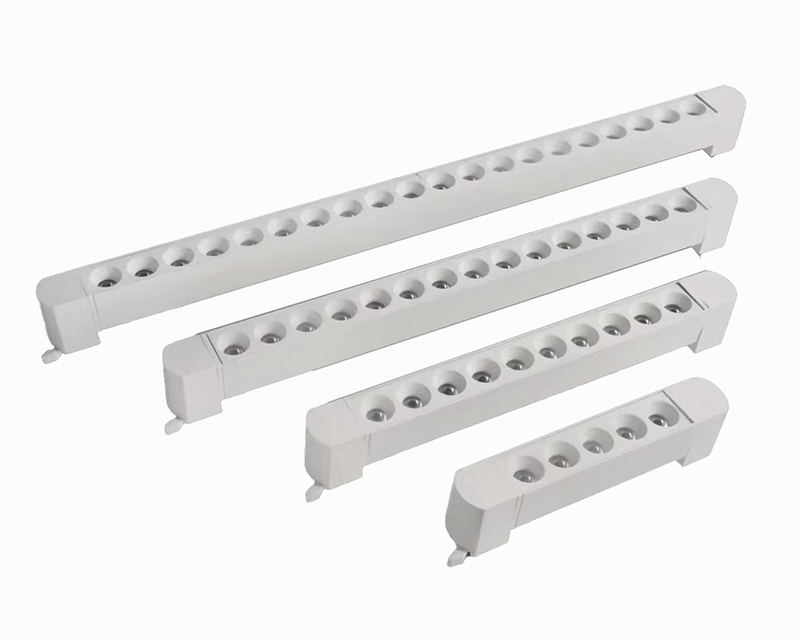
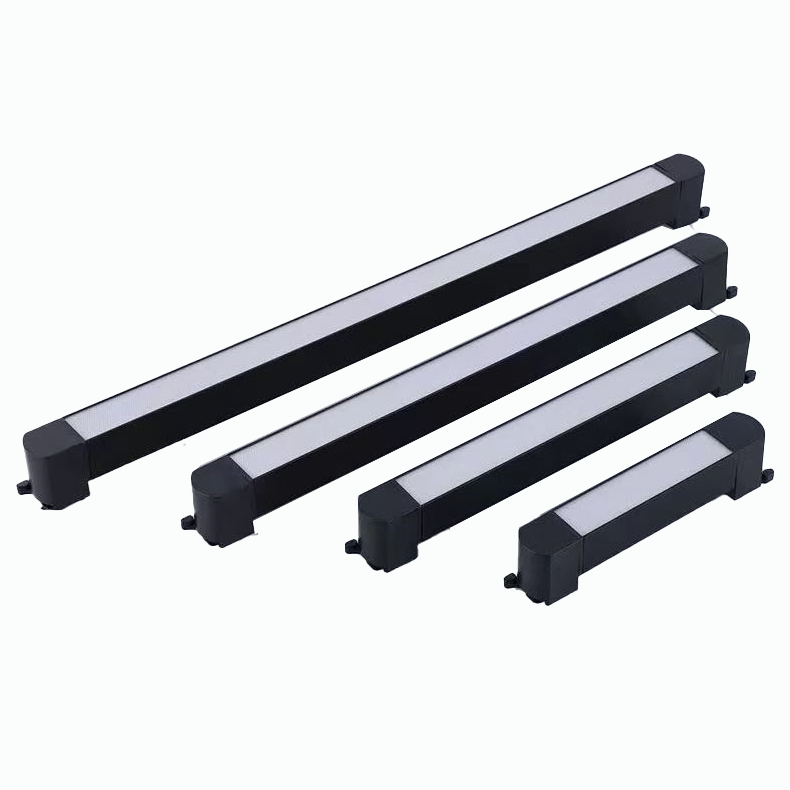
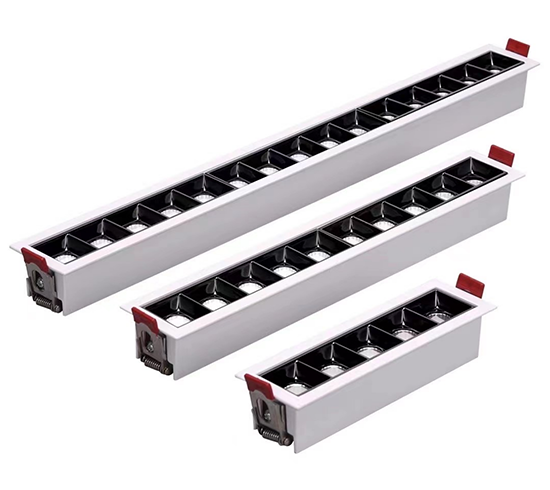
In the complex and competitive world of lighting procurement, buyers are increasingly bypassing intermediaries and turning directly to source factories. This strategic shift is not merely a trend but a calculated move driven by compelling advantages that impact the bottom line, product quality, and long-term business sustainability. Choosing a lighting manufacturer directly offers a suite of benefits that middlemen simply cannot match.
1. Significant Cost Efficiency and Competitive Pricing
The most immediate and powerful incentive is cost reduction. By eliminating distributors, wholesalers, and trading companies, buyers remove multiple layers of markup. This direct line to the manufacturer translates into:
Lower Unit Costs: Factories can offer the lowest possible FOB (Free on Board) or EXW (Ex Works) prices.
Reduced Overhead: The savings are substantial, allowing buyers to either increase their profit margins or offer more competitive retail prices.
Transparency: Buyers gain a clearer understanding of the true cost of production, enabling better financial planning and negotiation.
2. Uncompromising Control Over Quality
For buyers, especially those building a reputable brand, quality is paramount. Sourcing directly from a factory provides unparalleled control over the production process.
Direct Specification Input: Buyers can provide precise specifications for materials, components (like LEDs, drivers, finishes), and craftsmanship.
On-site Quality Checks: It facilitates the arrangement of in-process and pre-shipment inspections by third-party agencies or the buyer's own quality control team. This allows for issues to be identified and rectified before shipment, avoiding costly returns and brand damage.
Building a Quality-Centric Relationship: Direct communication with the factory's production and quality management teams ensures that standards are clearly understood and consistently met.
3. Unmatched Customization and Flexibility
Standard catalog items often don't meet the unique needs of a project or brand identity. Source factories are hubs of innovation and flexibility.
OEM/ODM Services: Buyers can leverage a factory's Original Equipment Manufacturing (OEM) or Original Design Manufacturing (ODM) capabilities to create custom-designed lighting solutions.
Rapid Prototyping: Ideas can be turned into tangible prototypes quickly, allowing for testing and refinement before committing to a full production run.
Adaptability: Factories can often accommodate small changes to existing designs, adjust finishes, or incorporate specific technical features that a distributor would be unable to offer.
4. Streamlined Communication and Operational Efficiency
Direct communication eliminates the "telephone game" effect that can occur with intermediaries.
Faster Response Times: Queries about technical details, production status, or logistics can be answered directly and swiftly by the relevant department.
Fewer Misunderstandings: Communicating specifications, changes, or challenges directly with the factory minimizes the risk of errors and misinterpretations.
Efficient Problem-Solving: When an issue arises on the production line, it can be addressed immediately without going through a third party, saving valuable time and resources.
5. Access to Technical Expertise and Innovation
Lighting factories are not just production facilities; they are centers of technical knowledge.
Expert Guidance: Buyers can tap into the engineers' and designers' expertise for advice on the best materials, manufacturing techniques, and compliance with international standards (e.g., UL, CE, RoHS).
Exposure to New Technologies: Being close to the source means buyers are often among the first to learn about new lighting technologies, materials, and design trends.
6. Strengthened Supply Chain Reliability
In an era of global disruptions, supply chain visibility and reliability are critical.
Direct Oversight: Buyers have a clearer view of production capacity, lead times, and potential bottlenecks.
Stronger Partnerships: Building a direct relationship with a factory fosters mutual trust and loyalty. This often results in the factory prioritizing your orders and being more willing to support you during peak demand or challenging times.
Secured Intellectual Property: With a well-drafted NNN (Non-use, Non-disclosure, Non-circumvention) agreement, working directly with a reputable factory can offer better protection for your designs than working through an intermediary who might share your ideas with multiple manufacturers.
7. Scalability and Production Capacity
Source factories are built for volume. They possess the infrastructure and manpower to handle both small initial runs and large-scale mass production. This scalability ensures that as your business grows, your manufacturing partner can seamlessly scale production up or down to meet fluctuating demand without compromising on quality or delivery timelines.
8. Stronger Intellectual Property (IP) Protection
Working under a direct contractual agreement with a factory often provides clearer terms regarding intellectual property. Reputable factories have protocols in place to protect your proprietary designs, molds, and technical data, reducing the risk of IP infringement—a concern that can be more ambiguous when dealing with intermediaries.
Conclusion
While intermediaries like distributors offer convenience and smaller order quantities, their advantages are often outweighed by the profound benefits of a direct factory relationship. For serious buyers focused on cost control, quality assurance, customization, and building a resilient supply chain, sourcing directly from a lighting manufacturer is not just a preference—it is a strategic imperative. It transforms the buyer-supplier dynamic from a simple transaction into a collaborative partnership, paving the way for innovation, growth, and long-term success in the marketplace.