

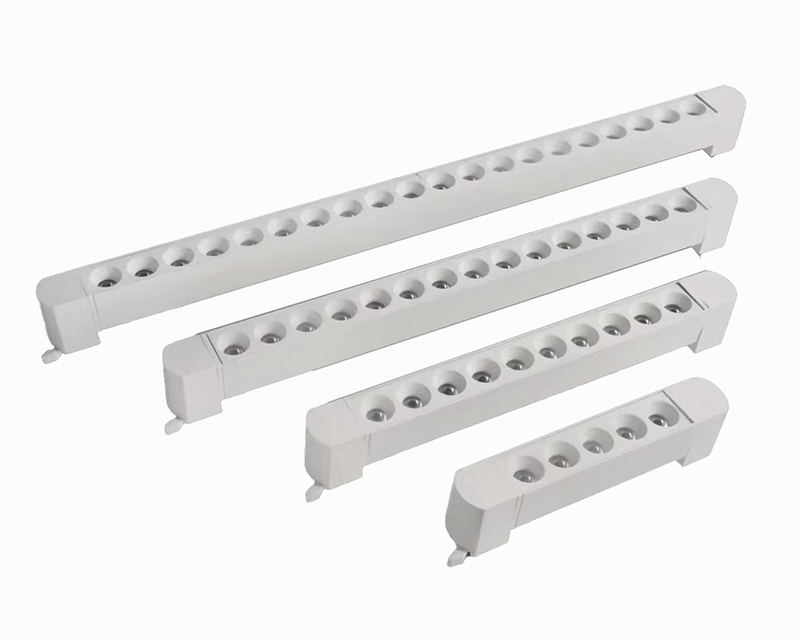
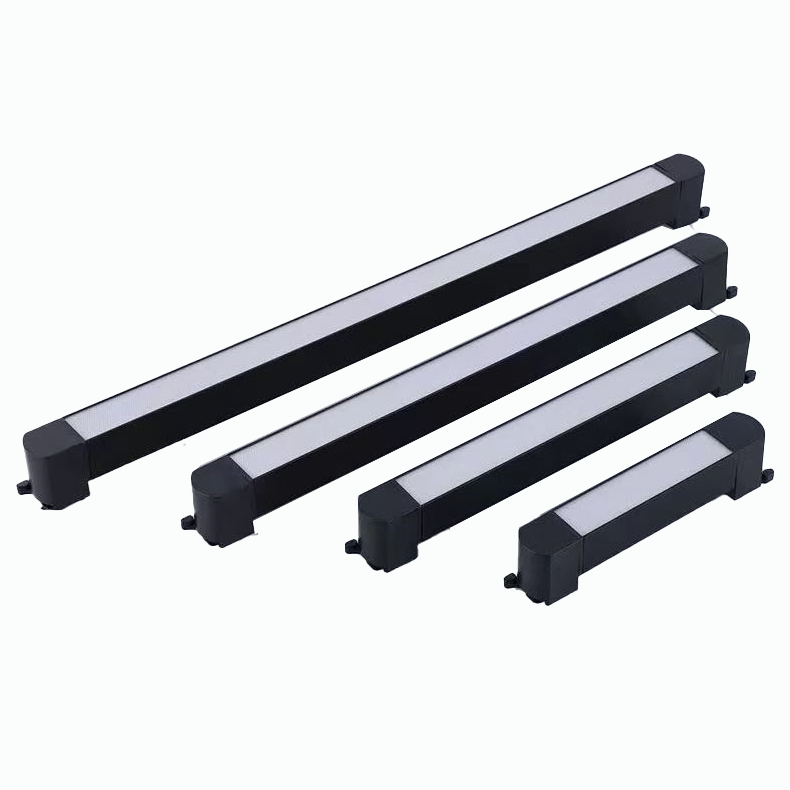
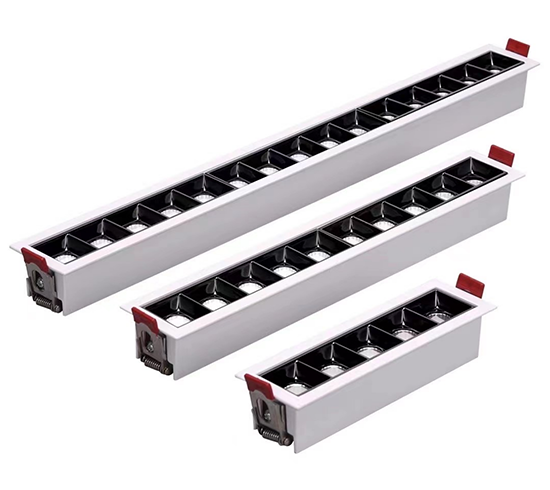
Choosing the right light can warm your home.
In modern homes, lighting not only provides basic illumination but is also a key factor in creating ambiance and influencing quality of life. Statistics show that people spend an average of over 20 hours indoors each day, making the selection of ceiling lights, a core component of home lighting, paramount. Many people focus solely on the aesthetic design of light fixtures during renovations, neglecting professional parameters such as light source quality and color temperature matching, resulting in expensive fixtures failing to achieve their intended effect. This article provides a comprehensive guide to choosing ceiling lights to help you make informed decisions.
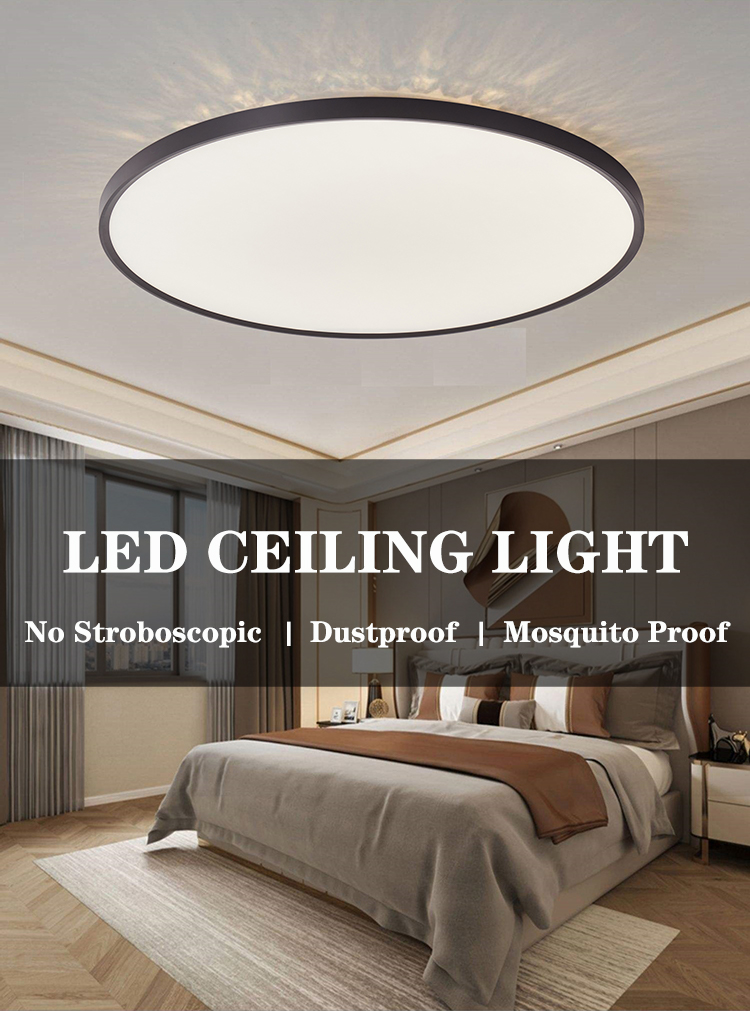
I. Understanding the Basics of Lighting: Perfect Matching of Brightness and Room Temperature
Brightness is the primary factor to consider when choosing a ceiling light. It directly relates to the sufficiency and comfort of lighting in a space, not just the wattage of the fixture. Determining whether the brightness is appropriate requires understanding three key concepts: luminous flux, illuminance, and wattage. Luminous flux (unit: lumen lm) refers to the total amount of light emitted by a light source that is perceptible to the human eye, illuminance (unit: lux lx) represents the luminous flux obtained per unit area, while wattage is simply a unit of power consumption for a light fixture. Modern LED ceiling lights have higher luminous efficacy (lm/W), meaning they can provide brighter light at the same wattage. Calculating the appropriate brightness is crucial. The industry recommends a luminous flux of 200-300 lumens per square meter for home environments. For example, a 12-square-meter bedroom would require a total luminous flux of 2400-3600 lumens. Considering that the luminous efficacy of current high-quality LED ceiling lights is approximately 80-100 lumens per watt, choosing a 24-36 watt ceiling light will provide sufficient and even light. The functional needs of different rooms also influence the choice of brightness. The living room, as the center of family activities, requires 300-400 lumens per square meter; the kitchen, to ensure operational safety, needs a higher 400-500 lumens per square meter; while the study, to protect eyesight, recommends 300-500 lumens per square meter.
National illuminance standards provide a scientific basis for selection. According to the "Standard for Architectural Lighting Design," the general illuminance for bedroom activities is 75 lux, while writing and reading require 300 lux. If your bedroom is also used for reading, you will need to choose brighter light fixtures or add auxiliary light sources.

II. The Art of Color Temperature: Choosing the Right Light Color for Different Spaces
Color temperature is a physical quantity describing the color of light, measured in Kelvin (K). It is not only a technical parameter but also a key factor affecting mood and atmosphere.
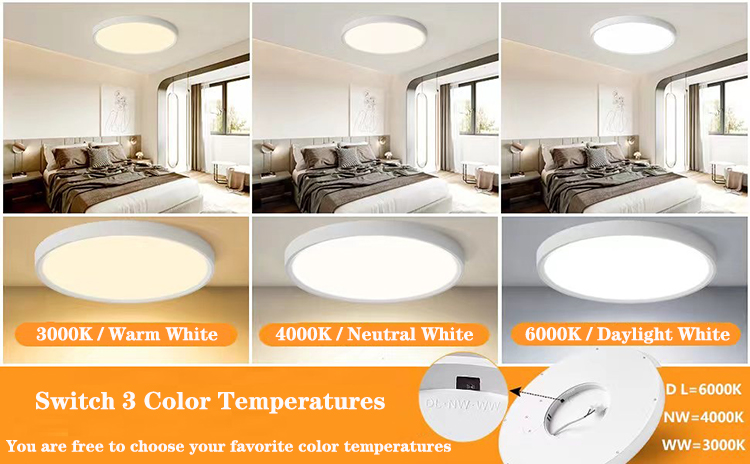
l Low color temperature (2700-3000K) warm light presents an orange-yellow hue, similar to sunset or incandescent light, which can promote melatonin secretion, helping relaxation and sleep, and is especially suitable for spaces that require a warm atmosphere, such as bedrooms. Medium color temperature (4000-4500K) neutral light is closest to natural light, maintaining alertness without being glaring. It's suitable for spaces requiring concentration but where overly cold light is undesirable, such as living rooms, studies, and kitchens.
l High color temperature (5000-6500K) cool light, leaning towards bluish-white, can suppress melatonin secretion, improving alertness and focus. It's suitable for spaces requiring alertness, such as home offices, studios, and bathrooms. The color temperature choice should be tailored to the specific space.
l Bedrooms are recommended to have warm light (2700-3000K) to create a cozy atmosphere; living rooms are best suited to neutral light (3500-4500K) for both comfort and functionality; kitchens require cool white light (4000-5000K) to ensure safety; and studies are recommended to have natural light around 4000K to protect eyesight. Intelligent dimming has become an important feature of modern ceiling lights. Lighting fixtures supporting stepless color temperature adjustment can flexibly adjust to different scenarios and moods. High color temperature can be used during the day to improve efficiency, while switching to a low color temperature at night helps relaxation, achieving multiple uses with a single light.
III. Light Source Quality: Health Considerations Beyond Brightness
LED lighting fixtures have become mainstream in the market, but there are significant differences between "full-spectrum LEDs" and "ordinary LEDs."
l l Full-spectrum LEDs have a spectrum closer to natural light, including ultraviolet, visible, and infrared light spectrum curves. They can reproduce the true colors of objects and are less likely to cause eye fatigue during prolonged use, making them especially suitable for families with children.
l l Color Rendering Index (Ra or CRI) measures the ability of a light source to reproduce the true colors of objects. The higher the index, the more accurate the color reproduction. Ordinary household ceiling lights should have a CRI of no less than Ra80, while high-quality full-spectrum lighting fixtures can reach Ra95 or higher, highly reproducing the true colors of objects, suitable for activities with high color accuracy requirements.
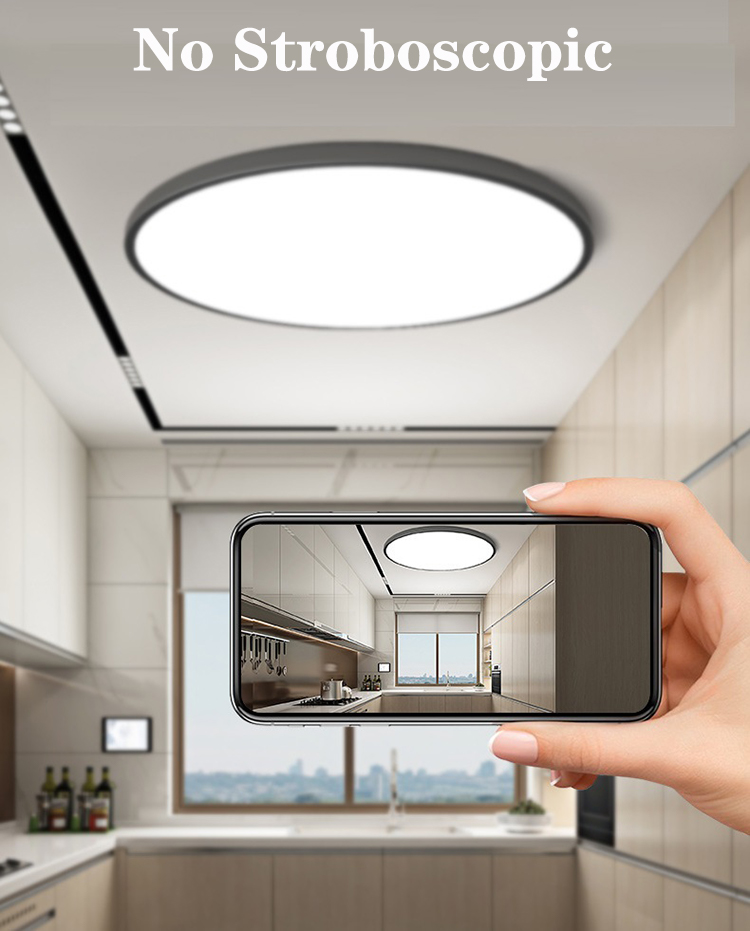
l l Blue light hazard is another factor that needs attention. According to international standards, blue light hazard is classified into four levels: RG0 (no danger), RG1 (low danger), RG2 (moderate danger), and RG3 (high danger). High-quality eye-protection ceiling lights should meet the RG0 exemption level, eliminating harmful blue light peaks from the source of the light source and protecting visual health. Flicker is also a significant issue. Although high-frequency flicker is difficult for the human eye to detect, prolonged exposure to flickering lights can easily lead to visual fatigue, headaches, and other problems. Choosing products with "flicker-free" certification is a basic requirement for ensuring visual health.
IV. Intelligent Control and Convenience: Advanced Functions of Modern Lighting
l With the development of smart homes, smart ceiling lights have become a new market favorite. Diverse control methods bring unprecedented convenience: supporting remote control via mobile app, voice assistant control, and remote control adjustment, allowing you to adjust the light without having to go to the switch. Scene modes are the essence of smart lighting. High-quality smart ceiling lights can preset multiple scene modes, such as a guest mode, cinema mode, reading mode, and night light mode, allowing one-click switching between different brightness and color temperature combinations to meet diverse needs. l Automation further enhances the user experience. For example, the lights can automatically adjust brightness and color temperature based on changes in natural light to maintain the optimal lighting environment; timed switches can be set to simulate someone being home, improving security; and even automatic switching based on sunrise and sunset times achieves a perfect combination of energy saving and convenience.
l l Smart linkage is an advanced feature. Ceiling lights supporting mainstream smart home platforms can be linked with other devices, such as automatically turning on the lights when the door is opened, or automatically closing curtains and adjusting lighting when cinema mode is activated, creating a truly smart living experience.
V. Design and Installation: A Balance of Aesthetics and Practicality
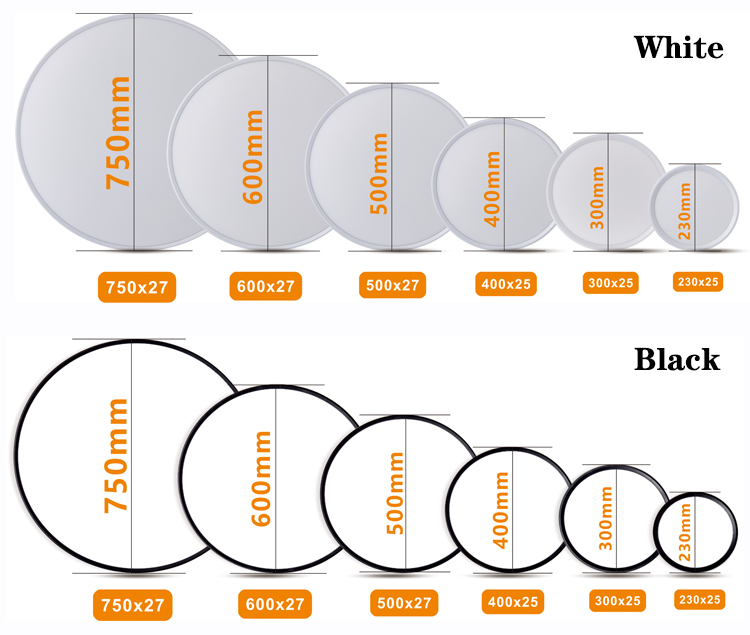
l l Size selection is crucial to the overall effect. Industry experience suggests that the diameter of the ceiling light can be referenced to 1/10 to 1/8 of the room's diagonal length. Alternatively, it can be selected according to room function: small rooms less than 15 square meters are suitable for lights with a diameter of 30-50 cm; medium-sized rooms of 15-25 square meters can choose lights with a diameter of 50-70 cm; and large rooms greater than 25 square meters require large ceiling lights with a diameter of 70 cm or more.
l l The appearance design should coordinate with the overall home decoration style. Modern minimalist style is suitable for lamps with simple lines and modern materials; European classical style can be paired with crystal decorations or carved designs; Chinese style complements wooden elements or traditional patterns. The material of the lampshade affects light quality and lamp life. Acrylic lampshades have high light transmittance and soft light, making them the current mainstream choice; glass lampshades are beautiful but may be glaring; PS material lampshades offer good value but have poor heat resistance. Installation precautions are related to safety. When installing ceiling lights in masonry structures, pre-embedded bolts or expansion bolts should be used for fixing; wooden wedges are strictly prohibited. Before installation, the wire cross-section must be checked; copper core flexible wire should be no less than 0.4mm², and copper core wire no less than 0.5mm². The lamp should be kept at least 0.2 meters away from flammable materials to ensure good heat dissipation.
VI. Ceiling Light Brands and Market Trends in 2025
l The ceiling light market in 2025 shows a trend of deep integration of healthy lighting and intelligent technology. Mainstream brands such as Moonlight Lighting, Opple Lighting, and NVC Lighting have launched products centered on "natural light technology," simulating natural light through full-spectrum technology to reduce visual fatigue. High-end brands such as Berman and Lipro emphasize light source quality and design, employing a right-angled narrow bezel and a flat light-emitting surface, with a lamp body as thin as 3cm, balancing aesthetics and practicality. These products typically boast a high color rendering index of Ra97 or higher, RG0 exemption-level blue light protection, and advanced features such as flicker-free operation.
l Cost-effective options like Yilai and Xiaomi focus on balancing smart features with reasonable prices, supporting access to multiple smart platforms to meet the smart home needs of young consumers. Traditional brands such as Panasonic and Philips maintain a stable position in the market thanks to their technological accumulation and quality assurance.
VII. Practical Application Cases: Ceiling Light Selection for Different Spaces
The living room, as the core area of the home, needs to consider both basic lighting and atmosphere creation.
For a living room of 20-30 square meters, an 80-120W ceiling light with an adjustable color temperature of 3500-4500K is suitable, supporting smart control and multi-layered lighting when combined with light strips or spotlights.
Bedrooms emphasize warmth and relaxation. A 24-36W ceiling light with a color temperature of 2700-3000K is recommended for a master bedroom of 12-15 square meters, supporting brightness adjustment and a night light mode at night.
Children's rooms require special attention to RG0 level blue light protection and flicker-free illumination to protect children's vision development. Kitchens need high-brightness and even lighting to ensure safe operation. In addition to the main light, auxiliary lighting should be installed under the wall cabinets to compensate for shadows on the countertop.
Choose 4000-5000K cool white light to provide a clear and bright visual environment. The study has the highest lighting requirements, needing ample and even light. In addition to the main light, a table lamp should be used for accent lighting.
Choose natural light around 4000K with a color rendering index (Ra) of 90 or higher to reduce eye strain during prolonged reading.

Conclusion: Creating an Ideal Lighting Environment
Choosing the right ceiling light is crucial for enhancing the quality of your home. When purchasing, consider factors such as brightness, color temperature, light source quality, smart features, design, and installation, making a balanced decision based on the needs of family members and the function of the room. Remember the core principle: there is no absolutely "best" ceiling light, only the "most suitable" one. Within your budget, prioritize light source quality and safety, then choose a design that matches your home décor, and finally consider value-added features such as smart functions. With technological advancements, ceiling lights have evolved from simple lighting tools into essential elements for improving quality of life. Choosing the right ceiling light not only illuminates your home but also enhances your living experience.
