

The IP (Ingress Protection) rating system indicates the level of protection an electrical enclosure, such as a light fixture, offers against solids and liquids. With the growing demand for durable and safe lighting, especially in outdoor, bathroom, or industrial settings, many manufacturers now advertise IP ratings. However, not all claims are accurate. Here’s how to tell if an IP-rated light is genuine or counterfeit.
1. Understand the IP Code
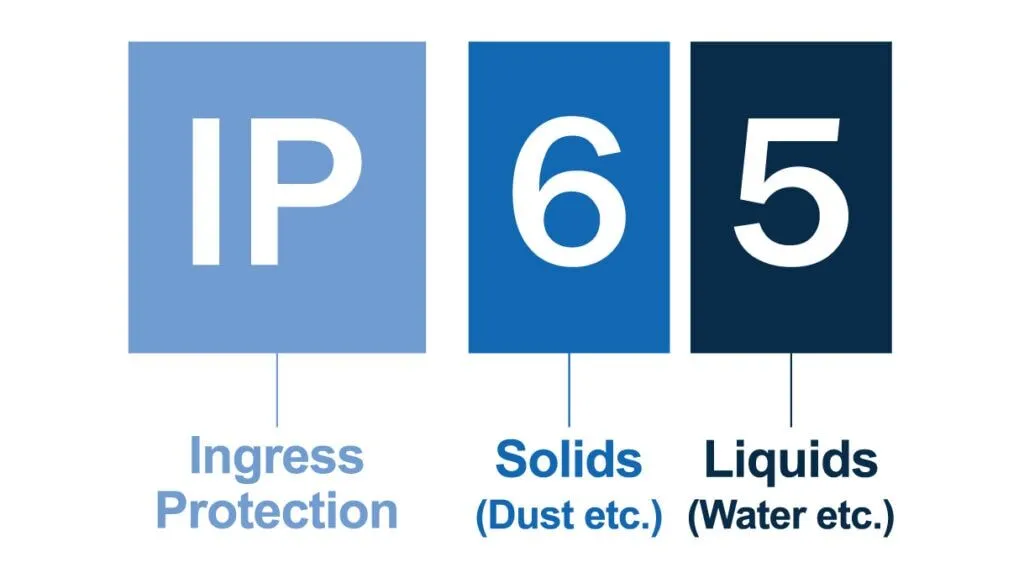
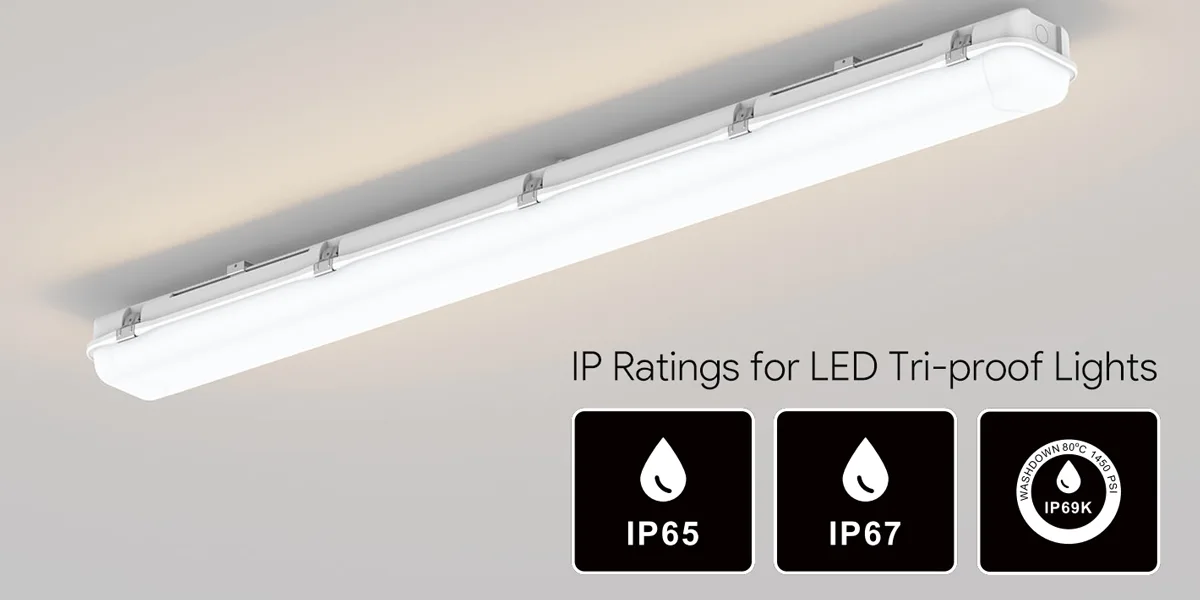
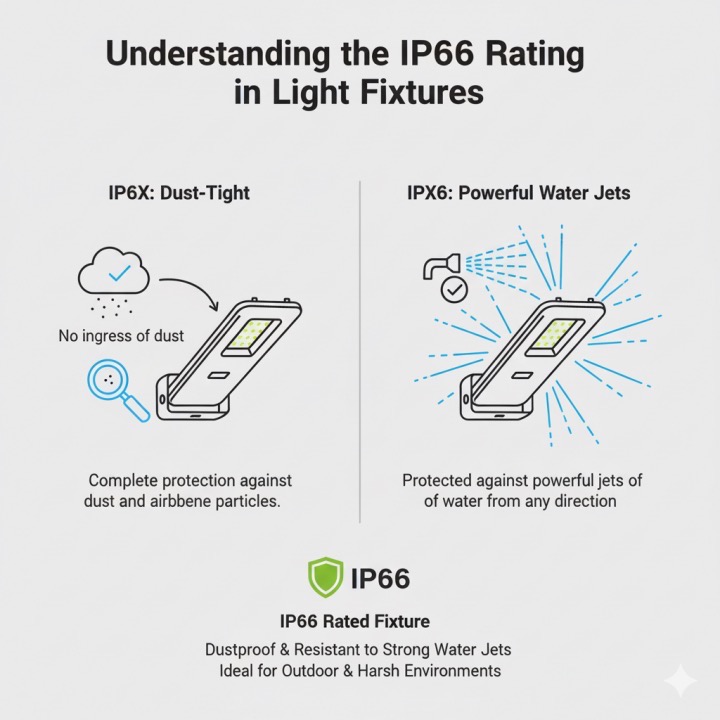
The IP code consists of "IP" followed by two digits (e.g., IP65). The first digit (0–6) represents protection against solid particles, and the second digit (0–9) indicates moisture resistance. For example:
IP44: Splash-resistant
IP65: Dust-tight and protected against water jets
IP68: Submersible in water
Fake products may display incorrect or exaggerated ratings. Always verify what the rating means before purchasing.
2. Check for Certification Marks
Look for independent certification marks from recognized testing laboratories, such as:
UL (Underwriters Laboratories)
CE (Conformité Européenne)
TÜV (Technischer Überwachungsverein)
CSA (Canadian Standards Association)
These marks indicate the product has undergone rigorous testing. Fake products often lack these certifications or display forged logos.
3. Examine the Build Quality
Genuine IP-rated fixtures are built with precision. Key features to check:
Gaskets and Seals: High-quality rubber or silicone gaskets around joints, lenses, and wiring entries.
Material: Robust materials like corrosion-resistant metals or reinforced plastics.
Assembly: Tight, even seams with no gaps. Screws and fasteners should be sturdy and well-fitted.
Counterfeit products often have poor seals, flimsy materials, or uneven gaps that compromise protection.
4. Review the Product Documentation
Authentic products include:
Detailed user manuals
Specification sheets with test references
Warranty cards
Fake products may have poorly printed manuals, spelling errors, or vague technical details.
5. Research the Brand and Seller
Buy from reputable brands and authorized dealers. Check:
Company website and contact information
Customer reviews and ratings
History of compliance with industry standards
Be cautious of unusually low prices or sellers with no verifiable track record.
6. Perform Simple Tests (If Possible)
For moisture-resistant claims (e.g., IP65+), you can conduct a safe, visual test:
Water Spray Test: Lightly spray water on the fixture (while off and disconnected) and check for leaks. Do not submerge unless the rating specifies it.
Always prioritize safety and avoid damaging the product.
7. Look for Model Numbers and Traceability
Genuine products often have unique model numbers etched or printed on the fixture. Verify these numbers on the manufacturer’s website to confirm authenticity.
8. Consult an Expert
When in doubt, consult an electrician or lighting specialist. They can identify design flaws or non-compliant components that untrained eyes might miss.
Red Flags:
Overstated Claims: A product claiming "IP68" but lacking robust seals.
No Certification: Missing or dubious certification marks.
Poor Packaging: Sloppy labeling or cheap packaging materials.
How to Determine the Correct IP Rating for Your Application
Now that you can read the code, follow these steps to choose the right luminaire:
Step 1: Assess the Environment
Ask yourself: Where will the light be installed?
Indoors, Dry Areas (e.g., living room, bedroom, office): IP20 is typically sufficient. It protects against fingers but offers no water protection.
Indoors, Damp/Humid Areas (e.g., bathroom, kitchen, laundry room):
Bathroom Zones: Regulations are strict.
Zone 0 (Inside the bath/shower): IP67 minimum is required.
Zone 1 (Above the bath/shower to 2.25m): IP45 minimum, but IP65 is highly recommended.
Zone 2 (Area stretching 0.6m outside the bath/shower): IP44 minimum is common.
Outdoors:
Protected Areas (e.g., under a covered porch): IP44 or IP54 is a good minimum, protecting against rain splashes.
Exposed Areas (e.g., on a wall, in a garden): IP65 is the standard choice. It is dust-tight and can withstand water jets from rain and sprinklers.
On the Ground or in puddling areas: IP66/IP67 is better as it can handle heavy rain and temporary flooding.
Submerged (e.g., in a pond or fountain): IP68 is required.
Step 2: Check the Manufacturer's Specifications
Once you have identified the general requirement, look for the IP rating on the luminaire's packaging, datasheet, or product listing. It is always clearly marked.
Step 3: Verify Against Local Regulations
For certain applications, especially in commercial or public buildings, electrical codes may mandate a minimum IP rating. Always check these regulations to ensure compliance.
Common IP Ratings at a Glance
IP20: Standard indoor lights. Not for damp or outdoor use.
IP44: Protected outdoors undercover, bathrooms (Zone 2). Resists splashing water.
IP54: Good for most outdoor fixtures in less exposed locations. Dust-protected and splash-proof.
IP65: The go-to for fully exposed outdoor and industrial use. Dust-tight and jet-proof.
IP67: Suitable for temporary immersion (e.g., in-ground lights, some floodlights).
IP68: For permanent submersion (e.g., pond lights, pool lights).
Conclusion
Investing in properly IP-rated lighting ensures safety and longevity. By understanding IP codes, checking certifications, and inspecting build quality, you can avoid counterfeit products and choose fixtures that truly meet your environmental needs.
This guide helps consumers make informed decisions and avoid the risks of substandard lighting products.