

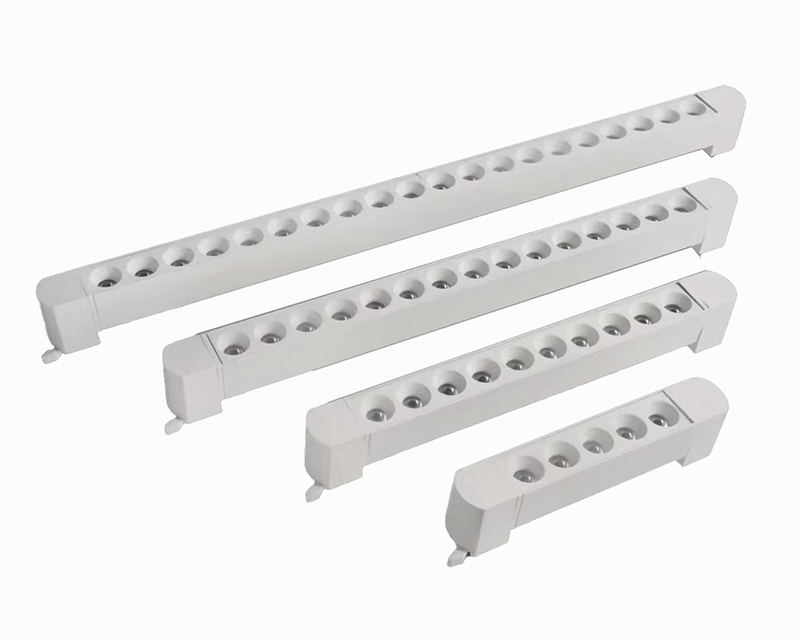
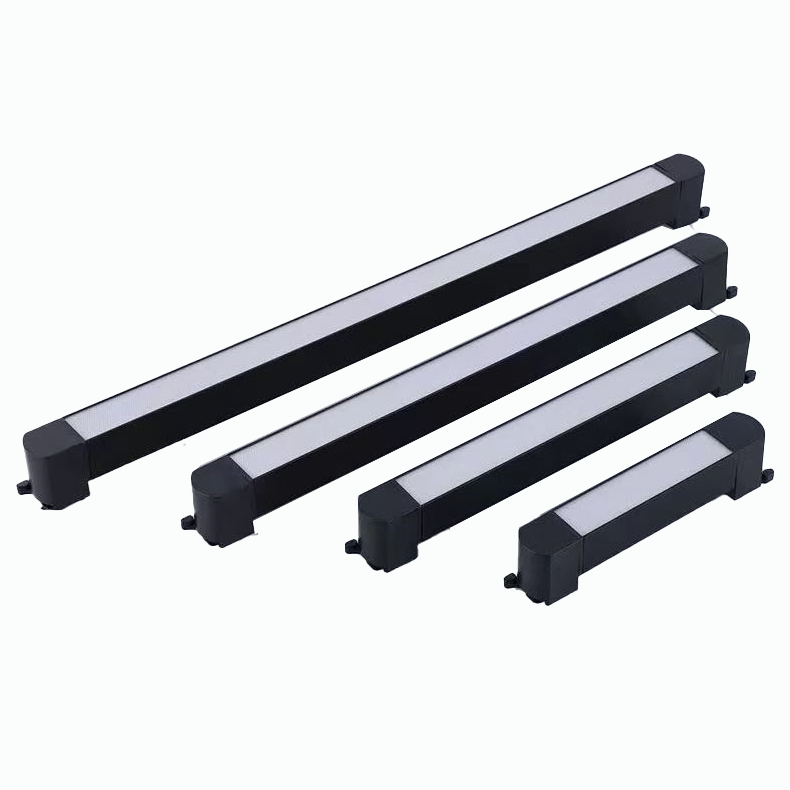
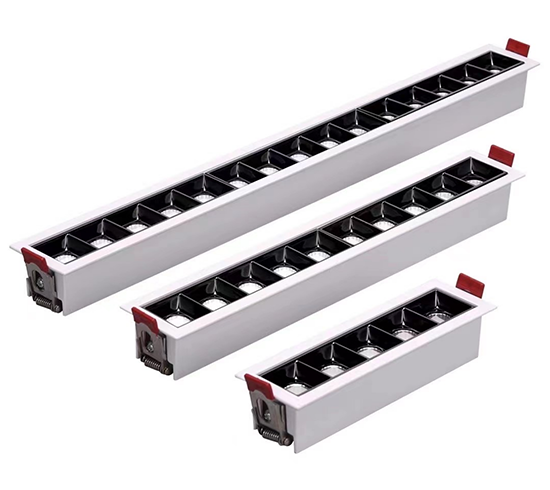
Selecting the correct LED ceiling light fixtures requires careful thought. Homeowners must first determine the necessary brightness and color temperature for their space. Matching the fixture to the room's size, ceiling height, and primary function is crucial for both performance and aesthetics. As a leading LED Ceiling Light Manufacturer, we understand the importance of quality and efficiency. Our led light manufacturers produce a wide range of led light fixtures that offer significant advantages; for instance, an LED Ceiling Light consumes only 20-25% of the energy used by traditional lights to produce the same illumination. Evaluating essential factors like fixture types, styles, and special features ensures the final choice of LED ceiling lights meets all needs. This guide offers practical tips to help select the perfect LED lights for any room.
1. Brightness and Color: The Core of Your Lighting
The foundation of effective lighting rests on two key elements: brightness (lumens) and color temperature (Kelvins). Understanding these concepts is essential for selecting LED ceiling lights that perform optimally. The right combination ensures a space is both functional and inviting. Proper selection of LED lights transforms a room's entire feel.
Understanding Brightness with Lumens
Lumens vs. Watts Explained
For decades, consumers associated brightness with wattage. However, watts measure energy consumption, not light output. Lumens are the modern, accurate metric for the actual brightness a bulb produces. An energy-efficient LED light can produce a high lumen output with very low wattage. This distinction is crucial when choosing new LED lights.
Why Lumens Are the Key Metric
Lumens provide a standard for comparing the output of all lights, including different types of LED lights. The human eye perceives brightness on a logarithmic scale, not a linear one. This means doubling the lumen output is required for a change to be easily noticeable. A small 20% decrease in lumens might be difficult to detect. Therefore, focusing on the lumen rating ensures you get the brightness you expect from your new LED ceiling lights.
Calculating Lumens for Your Space
The Basic Formula: Square Footage x Foot-Candles
A reliable method for determining lighting needs is the lumen method. It uses a simple formula to calculate the total lumens required for a space.
Total Lumens = Room Square Footage × Recommended Foot-Candles
A foot-candle is a unit of illuminance equal to one lumen per square foot. Factors like dark wall colors or high ceilings may require adjusting this number upward, as they absorb more light or cause it to dissipate over a larger area.
Recommended Lumens by Room Type
The recommended foot-candles vary based on the room's function. Areas for detailed work need brighter lights, while relaxation spaces require less.
Location | Recommended Foot-Candles (fc) |
|---|---|
Living Room | 10 - 20 |
Kitchen (General) | 30 - 40 |
Kitchen (Task Areas) | 70 - 80 |
Office Space | 30 - 50 |
Choosing the Right Color Temperature (Kelvins)
The Kelvin Scale: Warm to Daylight
Color temperature, measured in Kelvins (K), describes the appearance of light, from warm to cool.
Warm White (2700K–3000K): Emits a soft, yellowish glow similar to an incandescent bulb.
Neutral White (3500K–4100K): Provides a clean, balanced light that is friendly and inviting.
Cool White/Daylight (5000K+): Produces a crisp, bluish-white light that mimics natural daylight.
Matching Color to Room Ambiance
The color temperature of your LED ceiling lights dramatically influences a room's ambiance. Warmer tones with yellow undertones create a cozy and intimate ambiance, perfect for bedrooms and living rooms. In contrast, cooler tones with blue undertones can make a space feel larger and more formal. These are ideal for kitchens, bathrooms, and home offices where clear, bright LED lights enhance focus and visibility. Choosing the right LED color temperature is key to achieving the desired mood.
The Importance of Color Rendering Index (CRI)
Beyond brightness and warmth, the quality of light itself plays a vital role. The Color Rendering Index (CRI) measures how accurately an artificial light source reveals the true colors of objects. A high-quality led fixture should render colors faithfully, making it a critical factor in your selection process. This metric ensures that what you see indoors under an led light is vibrant and true to life.
What is CRI?
The Color Rendering Index is a quantitative measure of a light's ability to reproduce the colors of various objects faithfully in comparison with an ideal or natural light source. It operates on a scale from 0 to 100. Natural sunlight has a perfect CRI of 100. A higher CRI value indicates better color rendering performance.
An led light with a low CRI can make colors appear dull, washed out, or even shifted in hue. An led with a high CRI brings out the richness and texture of your surroundings, closely mimicking the effect of daylight.
Many standard led lights have a CRI of around 80, which is adequate for general purposes. However, for spaces where color accuracy is important, a higher value is necessary. The quality of the led illumination directly impacts perception.
Why a High CRI (90+) Matters
Choosing led lights with a CRI of 90 or above significantly enhances the visual quality of a space. This premium level of color accuracy makes a noticeable difference in how people perceive skin tones, food, and interior decor. A superior led light makes everything look better. The benefits of a high CRI led are extensive.
Skin Tones: High CRI lighting ensures skin tones appear natural and healthy. It avoids the pale, yellowish, or gray casts that lower-quality lights can create. This is especially beneficial in bathrooms for makeup application or in living spaces for a more flattering environment.
Food: In the kitchen, a high CRI led light helps in accurately judging the freshness of produce and the doneness of cooked meats. It makes meals on the dining table look more appetizing and vibrant. This quality also enhances safety by making it easier to spot any food imperfections.
Interior Decor: High CRI is essential for homeowners who care about design. It ensures that paint colors, wood tones, textiles, and artwork appear exactly as the designer intended. This true-to-life color representation makes decor elements look more vivid and premium, elevating the entire aesthetic of a home.
Ultimately, investing in a high CRI led fixture is an investment in the visual quality and enjoyment of your home.
2. How to Measure the Room for the Right Size Fixture
Selecting the right size fixture is essential for achieving balanced and effective illumination. A proper fit ensures the light complements the room's scale without overwhelming it. Understanding your space begins with accurate measurements. This process simplifies determining fixture size and guarantees a professional result.
Step 1: Measure Room Dimensions
The first step is to measure the room. These foundational numbers guide all subsequent decisions about fixture size and placement.
Calculating Square Footage
Homeowners should measure the length and width of the room in feet. Multiply these two numbers together to find the total square footage. This figure is crucial for calculating the required lumen output, as discussed in the previous section.
Measuring Ceiling Height
Next, measure the distance from the floor to the ceiling. This ceiling height measurement directly impacts the type and size of fixture that is appropriate for the space. A tall room can accommodate a larger, more dramatic fixture, while a low-ceilinged room requires a more compact design.
Sizing Rules for Different Ceiling Heights
Ceiling height dictates how low a fixture can hang. The goal is to provide ample clearance while ensuring the light source is positioned effectively.
Fixture Selection for Low Ceilings (Under 8 ft)
Rooms with ceilings under eight feet require fixtures that sit close to the ceiling. This maximizes headroom and prevents the space from feeling cramped.
Flush mount and semi-flush mount lights are excellent choices.
Recessed lighting offers a clean, unobtrusive look, making it ideal for maintaining a sense of openness.
Pro Tip: Always ensure a minimum clearance of seven feet below any light fixture to allow for safe and comfortable movement throughout the room.
Fixture Selection for Standard Ceilings (8-9 ft)
Standard ceilings offer more flexibility. Homeowners can choose from a wider variety of fixture types, including semi-flush mounts, smaller chandeliers, and pendants. The key is to find the right size that complements the room's proportions.
Fixture Selection for High Ceilings (10+ ft)
High ceilings demand larger, more substantial fixtures to fill the vertical space. Hanging lights like chandeliers and pendants are perfect for this application.
For every foot of height above eight feet, add approximately three inches to the fixture's hanging height.
A good rule of thumb is to position the bottom of the fixture about one-third of the distance from the ceiling to the floor.
Determining the Right Size Diameter
The fixture's diameter should be proportional to the room's overall dimensions. This ensures the light looks visually balanced.
The Room Width + Length Formula
A simple industry formula helps determine the ideal fixture diameter.
Measure the room's length and width in feet.
Add these two numbers together.
Convert that sum into inches. For example, a room that is 12 feet wide and 14 feet long has a sum of 26 feet. Therefore, the ideal fixture diameter is approximately 26 inches. This formula provides a great starting point for selecting the right size.
Visual Proportions and Scale
While formulas provide excellent guidance, visual scale is also important. A fixture's visual weight—its perceived size and bulk—can affect how it fits in a room. A delicate, open-wireframe fixture may appear smaller than a solid, drum-shaped fixture of the same diameter. Always consider the fixture's design and how its form will interact with the space to find the perfect size. Choosing the right size fixture is a critical step.
3. Matching LED Ceiling Lights to Room Function
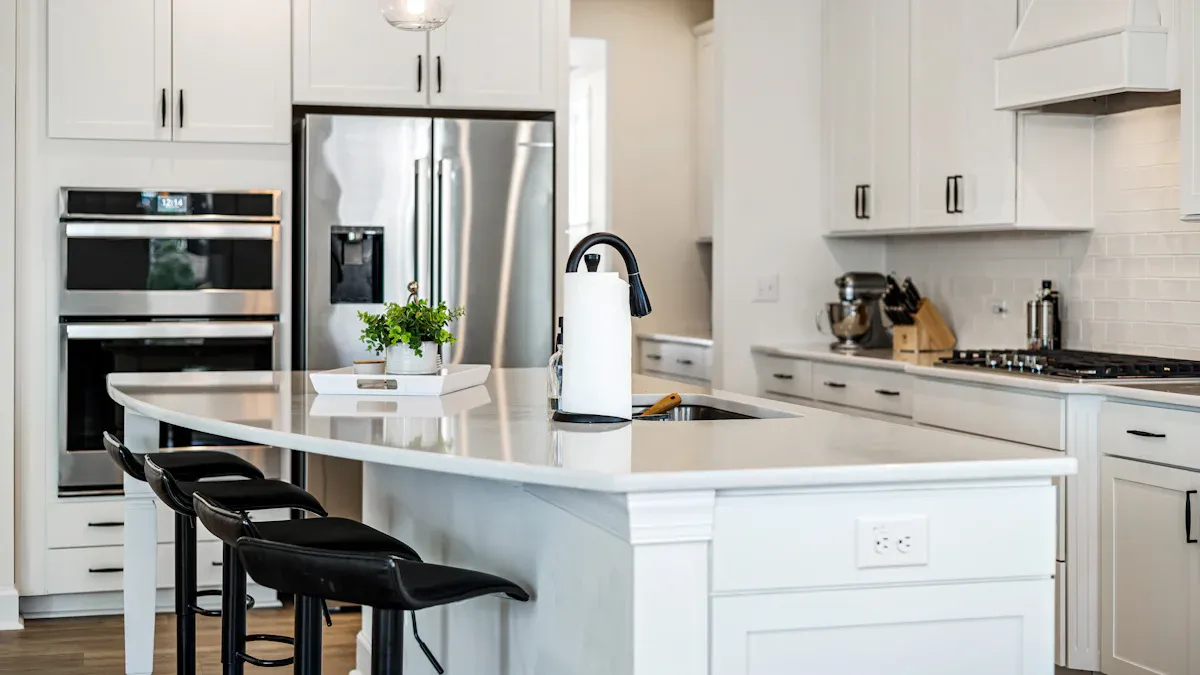
Choosing the right LED ceiling lights goes beyond just brightness and color; it's about matching the fixture to the room's specific purpose. A successful lighting plan considers how you use the space and layers different types of light to create both functionality and atmosphere. Understanding your space and its needs is the first step toward creating the perfect lighting ambiance.
Defining Your Lighting Needs
Effective lighting design combines three distinct layers: ambient, task, and accent. Each layer serves a different purpose, and together they create a well-lit, versatile, and inviting environment.
Ambient Lighting for General Illumination
Ambient light is the foundational layer, providing overall, non-directional illumination for a room. It's the general light that allows you to see and move around safely. This is often the primary role of LED ceiling lights, such as flush mounts, chandeliers, or recessed downlights.
Task Lighting for Focused Activities
Task lighting is directed, brighter light focused on a specific area where activities like reading, cooking, or working take place. It reduces eye strain and improves visibility for detailed work. Examples include under-cabinet lights in the kitchen, a desk lamp in a home office, or a reading lamp beside a chair.
Accent Lighting for Highlighting Decor
Accent lighting is used to draw attention to architectural features, artwork, or decorative objects. It adds depth and visual interest to a room. Track lighting, wall sconces, and picture lights are common forms of accent lighting.
Lighting Type | Purpose | Fixture Examples |
|---|---|---|
Ambient | Provides overall, general illumination for a space. | Chandeliers, flush mounts, recessed downlights, pendant lights. |
Task | Illuminates specific areas for activities like reading or cooking. | Under-cabinet lights, desk lamps, reading lamps, vanity lights. |
Accent | Highlights architectural features, artwork, or decorative items. | Track lights, spotlights, wall sconces, picture lights. |
Room-by-Room Lighting Strategies
Different rooms have different lighting requirements. Tailoring your approach based on room type matters for achieving both functionality and the desired mood.
Kitchens: Bright and Task-Oriented
The kitchen is a workspace that demands bright, clear illumination. A combination of general and task lighting is essential. Use recessed LED lights or a central ceiling fixture for ambient light, and install under-cabinet LED strips to brighten countertops for food preparation. Pendant lights over an island can serve both functional and decorative purposes.
Living Rooms: Flexible and Dimmable
Living rooms are multifunctional spaces used for relaxing, entertaining, and watching TV. Flexibility is key. A central chandelier or a set of recessed lights can provide ambient illumination. Complement these with floor and table lamps for task lighting and a cozy ambiance. Using dimmable LED lights allows you to adjust the brightness to suit any activity.
Bedrooms: Soft and Relaxing
The bedroom should be a sanctuary for rest. Opt for warm, soft lighting to create a calming atmosphere. A central flush mount or a small chandelier can provide general light, while bedside table lamps or wall sconces offer focused light for reading. Dimmable LED ceiling lights are ideal for transitioning from a bright, functional space to a relaxing retreat.
Bathrooms: Clear and Functional
Bathroom lighting needs to be bright and shadow-free, especially around the mirror for grooming tasks. Sconces on either side of the mirror provide even, flattering light on the face. An overhead, moisture-rated LED ceiling fixture ensures the entire room is well-lit.
The Power of Layered Lighting
Layering these three types of light is the secret to a professionally designed space. It creates a dynamic, adaptable, and visually appealing environment.
Combining Ambient, Task, and Accent Lights
A well-lit room rarely relies on a single light source. By combining ambient, task, and accent lights, you can create a balanced and functional space. For example, in a living room, a central ceiling fixture provides general light, a floor lamp next to a sofa offers reading light, and spotlights highlight a piece of art on the wall. This combination ensures the room is ready for any occasion.
Creating Zones within a Single Room
In open-plan living areas, lighting can be used to define different functional zones. For instance, a large pendant light can anchor the dining area, while a cluster of recessed lights illuminates the main living space. A stylish floor lamp can create a cozy reading nook in a corner. This technique helps to structure a large room, making it feel more organized and intimate.
4. Choosing the Perfect Type and Style of LED Ceiling Light Fixtures
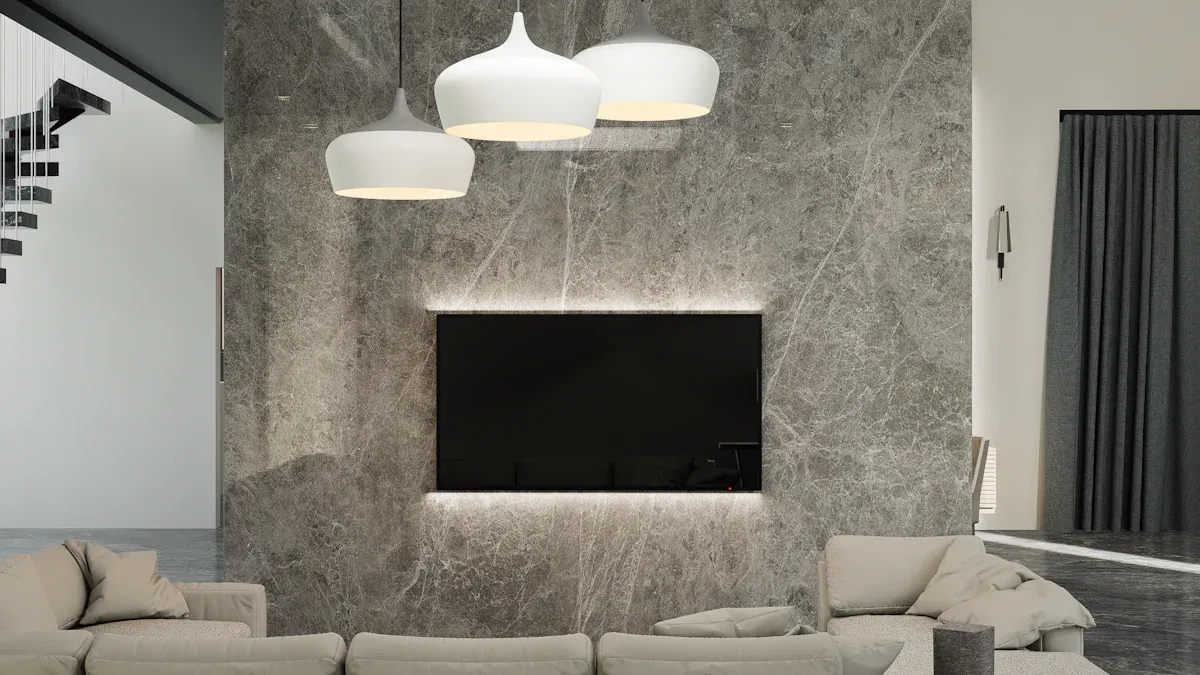
After determining the technical requirements, homeowners can focus on the visual elements. The type and style of a fixture define a room's character. Choosing the right led ceiling light fixtures involves matching the hardware to the home's existing decor. This selection process ensures a cohesive look that achieves both balance and aesthetics.
Common Types of LED Ceiling Light Fixtures
Different fixture types serve distinct functional and decorative purposes. Understanding their applications helps homeowners make an informed choice.
Flush Mount Lights
Flush mount lights attach directly to the ceiling with minimal protrusion. These led flush mount ceiling lights offer a sleek, contemporary appearance. Their space-saving design maximizes headroom. This makes them ideal for spaces with low ceilings under eight feet, such as hallways, closets, and bathrooms. They provide widespread, uniform illumination that reduces shadows.
Semi-Flush Mount Lights
Semi-flush mount lights hang just below the ceiling on a short stem. This design creates a small gap between the fixture and the ceiling, allowing light to cast both up and down. These led flush mount ceiling lights offer more decorative flair than standard flush mounts. They provide a great balance of ambient light and stylistic detail for rooms with standard ceiling heights.
Recessed Lights
Recessed lights, or downlights, are installed directly inside the ceiling. Their sunken housings create a clean, seamless look. This type of led lighting concentrates illumination directionally. Homeowners use recessed lights to provide ambient glow or to create accent lighting. Many models come with adjustable trim kits, enabling further control over the light's direction and focus. Their unobtrusive nature makes them a popular choice over many led flush mount ceiling lights in modern homes.
Pendant Lights
Pendant lights are single fixtures that hang from the ceiling by a cord, chain, or rod. They bring the light source closer to a surface, making them excellent for task lighting. Pendants are commonly used in a series over kitchen islands or as a singular statement piece over a dining table. The size and style of these led ceiling lights can dramatically impact a room's aesthetics.
Track Lighting
Track lighting is a highly versatile and functional solution. It consists of multiple light heads attached to a single track. Each led light can be aimed and positioned independently. This makes track lighting excellent for highlighting artwork or architectural features. It is also highly effective in kitchens for brightening prep zones. In living rooms, these led ceiling lights allow for adjustable brightness to suit various activities.
Chandeliers
Chandeliers are decorative, multi-arm fixtures that serve as a powerful focal point. They are best suited for rooms with high ceilings, such as grand entryways, formal dining rooms, and large living rooms. A chandelier adds a sense of drama and elegance. The size of the fixture should be proportional to the room to avoid overwhelming the space. This type of led fixture makes a bold statement.
Aligning Fixture Style with Your Home Decor
The fixture's style should complement the room's overall design theme. A well-chosen led light fixture enhances the existing decor and completes the visual narrative of the space.
Modern and Minimalist Designs
Modern and minimalist styles prioritize clean lines, simple geometric shapes, and a lack of ornamentation. Fixtures often feature neutral color palettes and materials like metal and glass. The focus is on function and form. Sleek led flush mount ceiling lights, simple pendants, and unobtrusive track lights are excellent choices for these aesthetics. The right led light enhances the uncluttered feel.
Traditional and Classic Styles
Traditional decor embraces elegance and timeless appeal. Fixtures in this style often feature ornate details, graceful curves, and rich materials like brass, bronze, and crystal. Classic chandeliers and decorative semi-flush mount lights work well in these spaces. These led lights add a touch of sophistication and warmth.
Farmhouse and Rustic Aesthetics
Farmhouse style creates a casual, comfortable, and inviting atmosphere. It uses durable materials like distressed wood, wrought iron, and glass. Fixtures often have a handcrafted feel with unique textures. The design of these led lights focuses on functional, rustic aesthetics. Many modern farmhouse designs incorporate sleeker shapes and matte black finishes for a more refined look.
Industrial and Urban Looks
Industrial style draws inspiration from factories and warehouses. Key characteristics include raw materials, exposed hardware, and utilitarian forms. Fixtures often feature black iron finishes, metal shades, and exposed led bulbs. This style creates a bold, edgy look that pairs well with open-concept spaces, brick walls, and concrete floors.
5. Essential Features: Dimmability and Smart Controls
Modern led ceiling lights offer more than just illumination; they provide advanced features that enhance convenience, ambiance, and energy efficiency. Dimmability and smart controls transform a simple fixture into a dynamic part of the home's ecosystem. Homeowners should consider these essential features to maximize the versatility of their new led lights.
The Benefits of Dimmable LED Fixtures
Why Dimmability is a Must-Have Feature
Dimmability is a crucial feature for modern lighting. It allows users to adjust the brightness of their led ceiling lights to suit any activity or mood. Full brightness is perfect for tasks, while lower levels create a relaxed atmosphere for entertaining or watching a movie. This flexibility also saves energy and extends the lifespan of the led fixture.
Ensuring Dimmer Switch Compatibility
Not all dimmer switches work with all led lights. Using an incompatible dimmer can cause flickering, buzzing, or a limited dimming range. Homeowners must ensure the dimmer switch is specifically rated for led technology. Trailing-edge dimmers are the modern standard for led fixtures.
Understanding Leading-Edge Dimmers
Leading-edge dimmers are an older technology designed for incandescent and halogen lights. They have a high minimum load, which makes them largely incompatible with low-wattage led lights. This mismatch often causes flickering and noise, and it can reduce the lifespan of the led.
Understanding Trailing-Edge Dimmers
Trailing-edge dimmers are engineered specifically for led technology. They offer a smooth, silent, and flicker-free dimming experience across the full brightness range. While more expensive, they are the superior choice for any dimmable led installation.
Feature | Trailing-Edge Dimmers | Leading-Edge Dimmers |
|---|---|---|
LED Compatibility | Highly compatible, designed for led | Often incompatible, causes issues |
Minimum Load | Very low, ideal for led lights | High, not suitable for led |
Performance | Silent, smooth, and flicker-free | Can cause buzzing and flickering |
Primary Use | All types of led ceiling lights | Incandescent and halogen lights |
Exploring Smart LED Ceiling Lights
Smart led ceiling lights connect to a home network, unlocking a new level of control and automation.
Wi-Fi and Bluetooth Control
Smart lights use Wi-Fi or Bluetooth to connect to a smartphone or tablet. This allows for remote control of the lights from anywhere. Users can turn lights on or off, dim them, or change colors without touching a switch.
Voice Assistant Integration
Many smart led systems integrate with voice assistants like Amazon Alexa, Google Assistant, or Apple Siri. This enables hands-free control. Users can simply speak commands to adjust their lights, adding a layer of convenience to daily routines.
App-Based Scheduling and Scenes
Mobile apps unlock powerful automation features. Homeowners can create schedules to improve security and convenience.
Wake Up Naturally: Set bedroom lights to brighten gradually in the morning.
Vacation Mode: Program lights to turn on and off at various times to simulate occupancy.
Movie Night: Create a "scene" that automatically dims the lights to 20% brightness.
Advanced Light Customization
Tunable White Technology
Tunable white technology allows users to adjust the color temperature of their led lights, from warm to cool white. This feature mimics the natural progression of sunlight throughout the day. Bright, cool light in the morning supports alertness, while warm, dim light in the evening helps the body wind down for sleep. This synchronization supports the human circadian rhythm, improving well-being.
Full-Color (RGB) Fixtures
Full-color (RGB) led fixtures can produce millions of colors. This feature offers endless creative possibilities for home decor and entertainment. Homeowners can use color to set the mood for holidays, enhance a home theater by mirroring on-screen colors, or simply add a vibrant accent to a room.
Other Practical Features
Beyond smart controls, several other practical features can significantly improve the functionality and safety of led ceiling lights. Homeowners should evaluate these options to ensure their fixtures are perfectly suited for every area of the house. These features add convenience and protect the investment in new lighting.
Motion Sensor Activation
Motion-activated led ceiling lights offer automated, hands-free illumination. An integrated sensor detects movement and turns the light on instantly. The light then turns off automatically after a preset period of inactivity. This technology provides several key advantages.
Convenience: Motion sensors are perfect for areas where hands are often full, such as laundry rooms, garages, and pantries. They eliminate the need to fumble for a light switch in the dark.
Energy Savings: These fixtures prevent energy waste. Lights are never left on by mistake in unoccupied rooms, which can lead to noticeable reductions in electricity bills.
Enhanced Safety: Motion-activated lights improve safety in transitional spaces like hallways, stairwells, and closets. They provide immediate light upon entry, reducing the risk of trips and falls.
Pro Tip: Many motion sensor fixtures allow users to adjust the sensor's sensitivity and the duration the light stays on. This customization helps tailor the fixture's performance to the specific needs of the room.
Wet and Damp Location Ratings
Safety is paramount when installing lighting in areas exposed to moisture. Electrical fixtures carry specific UL (Underwriters Laboratories) ratings that indicate where they can be safely installed. Understanding these ratings is crucial for bathrooms, kitchens, covered porches, and outdoor spaces. An incorrect choice can create a safety hazard and cause the fixture to fail prematurely.
A damp location rating means the fixture can withstand moisture and condensation. However, it cannot endure direct contact with water. These fixtures are ideal for:
Bathrooms (outside of the shower or tub enclosure)
Covered patios and porches
Basements with some humidity
A wet location rating indicates the fixture is sealed to prevent water from entering its internal components. It can handle direct exposure to rain, snow, or water spray. Homeowners should choose wet-rated fixtures for:
Inside a shower enclosure
Uncovered decks and patios
Gazebos and other outdoor structures
Rating Type | Permissible Exposure | Common Installation Areas |
|---|---|---|
Damp-Rated | Protected from direct water; can handle condensation and humidity. | Bathrooms, covered porches, basements. |
Wet-Rated | Can withstand direct contact with rain, snow, or water spray. | Shower interiors, open-air decks, walkways. |
Choosing the correct rating ensures compliance with electrical codes and guarantees the fixture's longevity and safe operation.
6. Installation, Lifespan, and Long-Term Value
Considering the installation process, lifespan, and long-term value is the final step in selecting the right led ceiling light fixtures. These factors ensure a safe, durable, and cost-effective lighting solution. A thoughtful evaluation of these practical aspects guarantees satisfaction for years to come.
Installation: DIY or Professional?
Deciding between a DIY installation and hiring a professional depends on the project's complexity and the homeowner's experience.
Assessing When You Can DIY
A homeowner can often handle simple fixture replacements. If the project involves swapping an old fixture for a new one without altering the existing wiring, a DIY approach can be a cost-effective option. This is especially true in homes with modern, updated electrical systems.
Knowing When to Hire an Electrician
Hiring a licensed electrician is the safest choice for most situations. Professional installation is necessary for complex jobs and ensures compliance with local building codes. Mistakes during a DIY project can lead to costly repairs or even void a home insurance policy. An electrician guarantees the safety and quality of the installation.
When to DIY | When to Hire a Professional |
|---|---|
Simple fixture replacements with no wiring changes. | Installing fixtures in new locations. |
The home has new or recently updated wiring. | Dealing with outdated or complex wiring. |
Saving on labor costs is a primary goal. | Upgrading to smart or recessed led ceiling lights. |
Ensuring compliance with electrical codes and permits. |
Understanding LED Longevity and Quality
The long lifespan of led technology is a significant advantage. Understanding how this lifespan is measured helps in choosing high-quality products.
Decoding LED Lifespan Ratings (L70)
Unlike traditional bulbs that burn out abruptly, led sources dim gradually. The L70 rating indicates the point when an led will produce 70% of its initial brightness. This metric defines the usable lifespan of the led. A fixture with a 50,000-hour L70 rating provides a reliable measure of its long lifespan and quality. This rating is a benchmark for quality integrated led light sources. The long lifespan of a quality led is a key benefit.
The Importance of a Good Warranty
A strong warranty reflects a manufacturer's confidence in their product's quality and long lifespan. It protects the consumer's investment against defects. Choosing led ceiling lights with a comprehensive warranty provides peace of mind and ensures a durable, long-lasting performance. The warranty is a good indicator of the product's expected lifespan.
Evaluating Energy Efficiency and Cost
The superior energy efficiency of led lighting delivers substantial long-term value. This makes the initial investment worthwhile.
What ENERGY STAR Certification Means
The ENERGY STAR label signifies that a product meets strict energy efficiency and quality standards set by the U.S. Environmental Protection Agency. To earn this certification, products must demonstrate excellent performance in light distribution, color quality, and lifespan. This certification is a trusted mark of high energy efficiency.
Calculating Long-Term Energy Savings
The high energy efficiency of led technology translates directly into lower electricity bills. A quality led fixture uses significantly less power than its incandescent or halogen counterparts to produce the same amount of light. Over the fixture's long lifespan, these savings can amount to hundreds of dollars, making the initial cost a smart financial decision. The combination of a long lifespan and high energy efficiency makes led lighting an excellent investment.
Integrated LEDs vs. LED Bulbs
When choosing led ceiling lights, homeowners face a key decision: selecting fixtures with built-in (integrated) LEDs or those that use replaceable LED bulbs. The lighting industry is increasingly moving toward integrated fixtures. Projections show that integrated designs are becoming the standard, as manufacturers prefer them for the enhanced control they offer over light quality, efficiency, and design possibilities. This shift makes understanding the differences between the two types more important than ever.
Pros and Cons of Integrated Fixtures
An integrated LED fixture has the light source built directly into its housing. This all-in-one design offers a seamless look and a remarkably long lifespan, with many modules rated for 50,000 hours or more. The primary drawback is that if the LED source fails, the entire fixture must be replaced. However, their longevity means this is an infrequent concern. These led ceiling lights often feature sleeker, more innovative designs because they do not need to accommodate a bulky bulb and socket.
The table below outlines the key trade-offs.
Factor | Integrated LED | Replaceable Bulbs |
|---|---|---|
Lifespan | Up to 50,000+ hours | 10,000-25,000 hours |
Energy Efficiency | High | Moderate to High |
Initial Cost | Higher | Lower |
Maintenance | No bulb changes | Requires occasional bulb replacement |
Smart Features | Many smart options | Available with smart bulbs |
Design Flexibility | Slim & modern | Requires sockets & bulkier fixtures |
Light Source Replacement | Entire fixture needs replacement | Only bulb needs replacement |
Customization | Limited color/brightness changes | Easy to switch wattages, color temperatures |
Flexibility of Fixtures with Replaceable Bulbs
Fixtures designed for replaceable bulbs offer unmatched flexibility. Homeowners can easily customize their lighting at any time by simply swapping out the bulb. This allows for effortless changes in brightness, color temperature, or even adding smart functionality with a smart LED bulb. This adaptability is a significant advantage for those who enjoy changing their decor or lighting needs over time.
Note: While these fixtures provide great versatility, the bulbs themselves have a shorter lifespan than integrated modules, typically ranging from 10,000 to 25,000 hours. This means homeowners should plan for periodic bulb replacements. The need to house a socket also means these led ceiling lights are often bulkier than their integrated counterparts. Ultimately, the choice between these two types of led ceiling lights depends on a homeowner's priorities regarding design, maintenance, and long-term flexibility.
Homeowners can confidently purchase the best led ceiling lights. They should remember the four pillars for any room. These include calculating brightness, selecting color temperature, and matching the fixture to the room's purpose. Smart features maximize the functionality of all lights. These practical tips help buyers select the perfect led ceiling light fixtures. Following these steps ensures the chosen led ceiling lights are beautiful and efficient. The right led ceiling lights will complete the room.
FAQ
What are lumens and why do they matter?
Lumens measure a light's actual brightness. Homeowners should focus on lumens, not watts, to ensure a fixture provides the desired amount of light for a room. Higher lumens mean a brighter light.
How do I choose the right size fixture?
Add the room's length and width in feet. The sum, converted to inches, is the ideal fixture diameter. For example, a 10'x12' room (22 feet) needs a 22-inch fixture.
What is the difference between a flush mount and a semi-flush mount light?
A flush mount light sits directly against the ceiling, saving space. A semi-flush mount hangs slightly below it on a short stem. This design allows light to shine both up and down.
Why is a high CRI important for an LED light?
A high Color Rendering Index (CRI) ensures an LED light shows colors accurately. A CRI of 90+ makes skin tones, food, and decor appear natural and vibrant, closely mimicking daylight.
Do all LED lights work with dimmer switches?
No, not all dimmers are compatible. Homeowners must use a dimmer switch specifically rated for LED lights, such as a trailing-edge dimmer, to avoid flickering, buzzing, or poor performance.
What is an integrated LED fixture?
An integrated LED fixture has the light source built directly into its housing. This all-in-one design offers a very long lifespan and allows for sleeker, more modern fixture styles.
What does a wet location rating mean?
A wet location rating means a fixture is sealed to withstand direct exposure to water, rain, or snow. It is required for safe installation inside showers or in uncovered outdoor areas.