

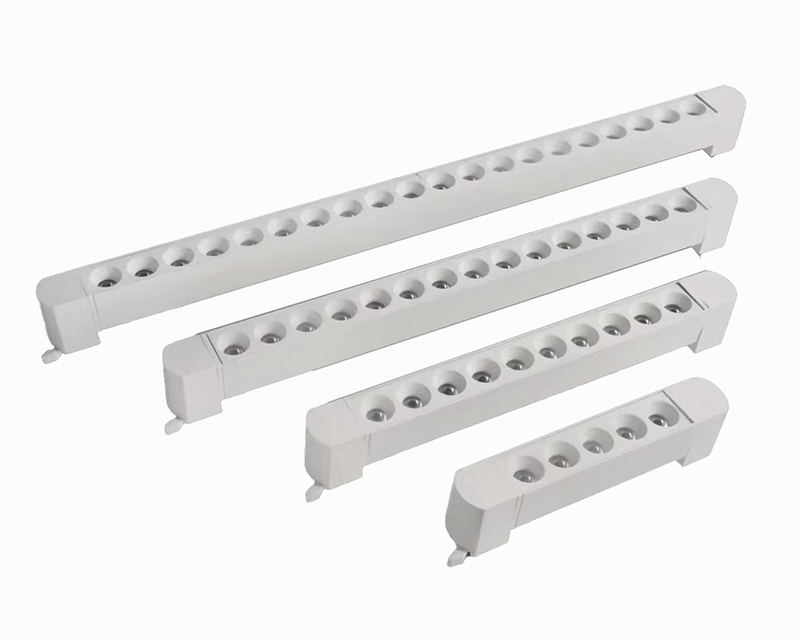
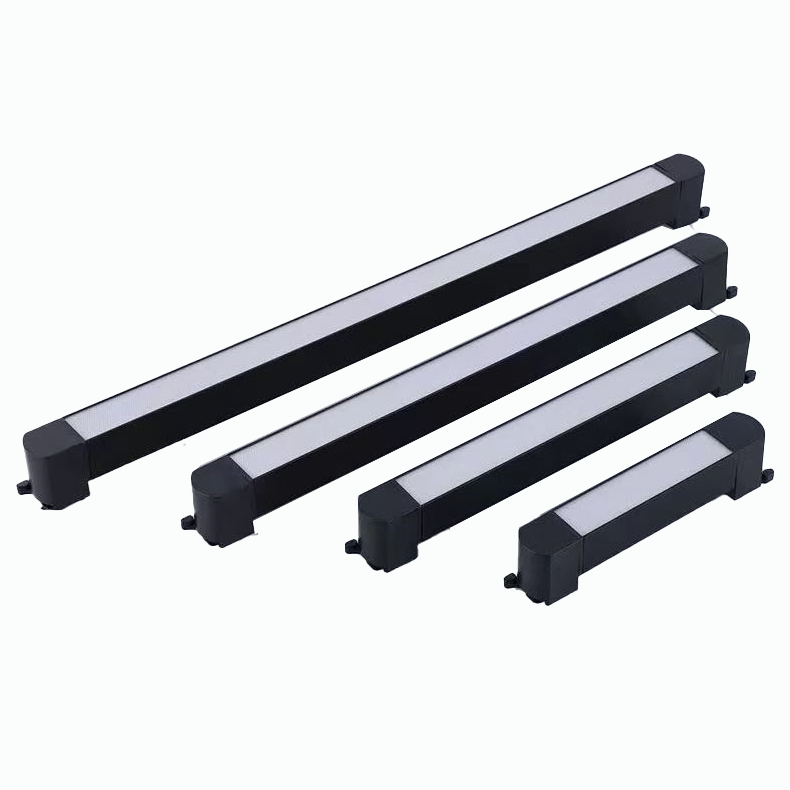
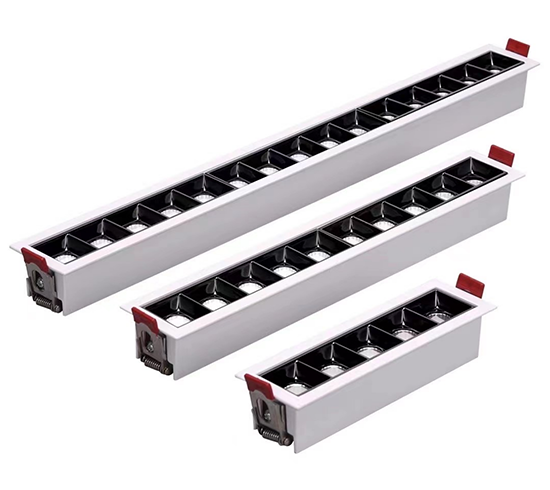
A led flush mount is a specific type of LED Ceiling Light that sits directly against the ceiling surface. An expert LED Ceiling Light Manufacturer designs these led light fixtures with integrated, energy-efficient LEDs, a standard among led light manufacturers.
This design makes led flush mount ceiling lights distinct from semi flush mount ceiling lights. Semi flush mount lighting hangs down on a short stem. This feature of semi flush mount lighting creates a small gap, differentiating these flush mount lighting fixtures.
What Are the Key Features of a Flush Mount Design?
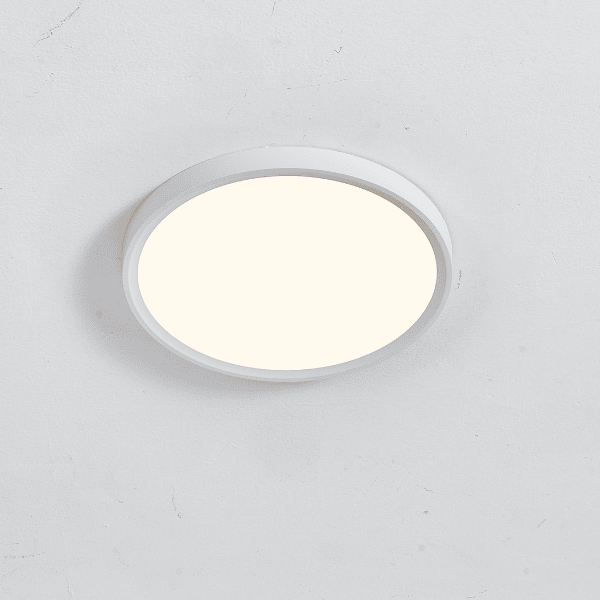
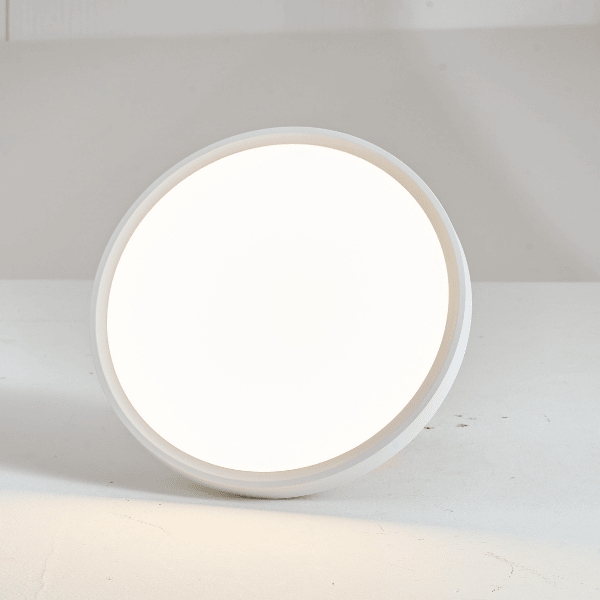
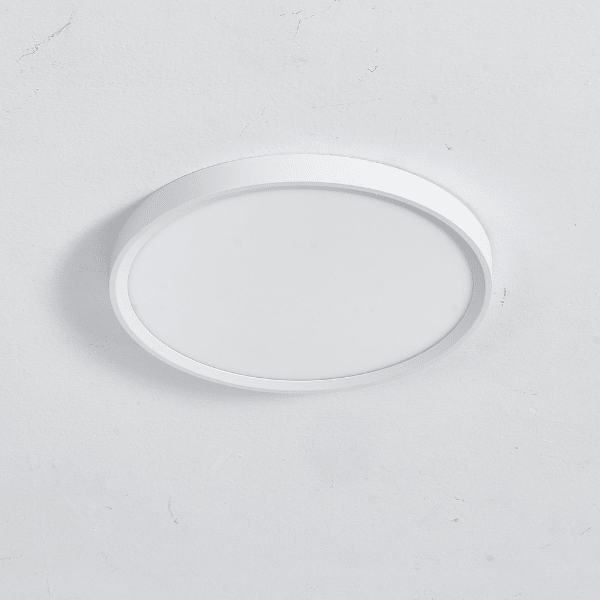
Flush mount fixtures offer distinct advantages rooted in their unique, ceiling-hugging design. These benefits address common household challenges related to space, cleanliness, and overall room perception. The design provides practical solutions that make it a popular choice for modern homes.
Maximizing Headroom in Low Ceilings
One of the most significant benefits of flush mount lighting is its ability to preserve vertical space. This feature is especially critical in rooms where every inch of height matters.
The Perfect Solution for Ceilings Under 8 Feet
Many older homes, basements, and hallways have ceilings lower than the modern standard. While newly constructed homes often feature higher ceilings, the typical heights still present challenges in certain areas.
First floors often have nine-foot ceilings.
Second floors commonly have eight-foot ceilings.
In any room with a ceiling eight feet high or lower, a hanging fixture can feel intrusive and create a physical obstruction. Flush mount lighting solves this problem by sitting directly against the ceiling, maximizing clearance and ensuring no one has to duck under a light.
Creating an Illusion of More Space
Lighting is a crucial tool that shapes how people perceive a room. The placement and direction of light can make a space feel larger or more intimate. A flush mount fixture casts a broad, even layer of light across the ceiling and down into the room. This technique draws the eye upward and outward, reducing visual clutter and creating the impression of a higher ceiling and a more open, airy environment.
A Low-Maintenance and Cleaner Fixture
The practical design of a led flush mount extends beyond aesthetics, offering significant benefits in terms of upkeep. Its enclosed form makes it one of the cleanest lighting options available.
Sealed Design Prevents Dust and Debris
Unlike chandeliers or pendant lights that have exposed surfaces and crevices, a flush mount fixture sits snug against the ceiling. This leaves no gap for dust, cobwebs, or other debris to accumulate on top of the fixture. The result is a cleaner-looking light that requires far less frequent dusting and maintenance.
No More Bugs Inside Your Light Fixture
Nearly every homeowner has experienced the annoyance of finding insects trapped inside a light fixture. The sealed or fully enclosed construction of most flush mount lighting fixtures creates an effective barrier against this common problem.
A Cleaner Glow: This enclosed design means you will not see the unsightly silhouettes of bugs when the light is on. It keeps the light source clear and the illumination consistent, eliminating the need for disassembly and cleaning.
The "LED" Advantage in Flush Mount Lighting
The "flush mount" aspect of the fixture defines its profile and placement, but the "LED" component is what powers its modern performance. Integrated LED technology provides a host of advantages over traditional lighting, transforming a simple fixture into a highly efficient, long-lasting, and superior light source.
Unbeatable Energy Efficiency
Energy efficiency is a primary driver behind the widespread adoption of LED technology. This efficiency translates directly into tangible savings and environmental benefits.
How LEDs Lower Your Electricity Bills
LEDs are masters of converting electricity into light with minimal wasted energy. Residential LEDs, including those in flush mount lighting fixtures, use at least 75% less energy than their incandescent counterparts. This dramatic reduction in energy consumption has a significant impact on household expenses.
Real-World Savings: The U.S. Department of Energy estimates that an average household can save approximately $225 per year by making a complete switch to LED lighting. Each fixture contributes to this total, making every upgrade a smart financial decision.
An Eco-Friendly Lighting Choice
Lower energy consumption means a smaller carbon footprint. By using less electricity, homes reduce their demand from power plants, which often rely on burning fossil fuels. Choosing an LED flush mount is a simple yet effective step toward creating a more sustainable and environmentally friendly home.
Incredible Lifespan and Durability
One of the most remarkable features of integrated LED lighting is its exceptional longevity. This durability makes it a reliable, low-maintenance solution that stands the test of time.
How Long Do Integrated LEDs Really Last?
An integrated led flush mount fixture is built to last. High-quality LEDs are commonly rated for up to 50,000 hours of operation. To put that into perspective:
If a light is used for 6 hours a day, it could last for over 22 years.
If used for 3 hours a day, its lifespan could extend beyond 45 years.
This far surpasses the typical 750 to 2,000-hour lifespan of a traditional incandescent bulb, making LEDs a long-term investment.
Forget About Ever Changing Light Bulbs
The integrated nature of this flush mount lighting means the LEDs are built directly into the fixture. There are no bulbs to replace. This eliminates the recurring cost and hassle of buying and changing bulbs, especially in hard-to-reach places like high hallway ceilings. The following table illustrates how LEDs compare to older technologies.
Bulb Type | Average Lifespan (hours) | Key Characteristics |
|---|---|---|
LED | 25,000 - 50,000 | Extremely long-lasting; dims over time instead of burning out. |
CFL | 8,000 - 10,000 | Lasts longer than incandescent but contains mercury. |
Halogen | 1,000 - 2,000 | Burns at a high temperature; offers no longevity advantage. |
Incandescent | 750 - 2,000 | Shortest lifespan; highly inefficient. |
Superior Light Quality and Control
LEDs offer unparalleled control over the two most important aspects of light: its color and its brightness. This allows homeowners to customize the ambiance of any room with precision.
Understanding Color Temperature in Kelvins
Color temperature measures how "warm" (yellowish) or "cool" (bluish) a white light appears. It is measured in units of Kelvin (K). Different temperatures create distinct moods, making it a powerful design tool.
Color Temperature | Light Appearance | Mood & Ideal Use |
|---|---|---|
2700K - 3000K | Warm White | Creates a cozy, relaxing atmosphere. Perfect for bedrooms and living rooms. |
3500K - 4500K | Neutral/Natural White | Bright and clean, resembling daylight. Great for kitchens, offices, and bathrooms. |
5000K - 6500K | Cool White/Daylight | Crisp and energizing. Stimulates focus, making it ideal for workspaces and garages. |
Many modern flush mount lighting fixtures even offer adjustable color temperatures, allowing users to switch between warm, neutral, and cool light with a simple toggle.
Getting the Brightness Right with Lumens
For decades, people associated brightness with watts. With energy-efficient LEDs, watts are no longer an accurate measure of light output. Instead, brightness is measured in lumens.
Lumens (lm) = A measure of the total amount of visible light from a source.
When choosing a fixture, focus on the lumen rating to ensure it provides the right amount of light for the space. A higher lumen count means a brighter light, while a lower count provides softer, more ambient illumination.
A Style for Every Room: LED Flush Mount Designs
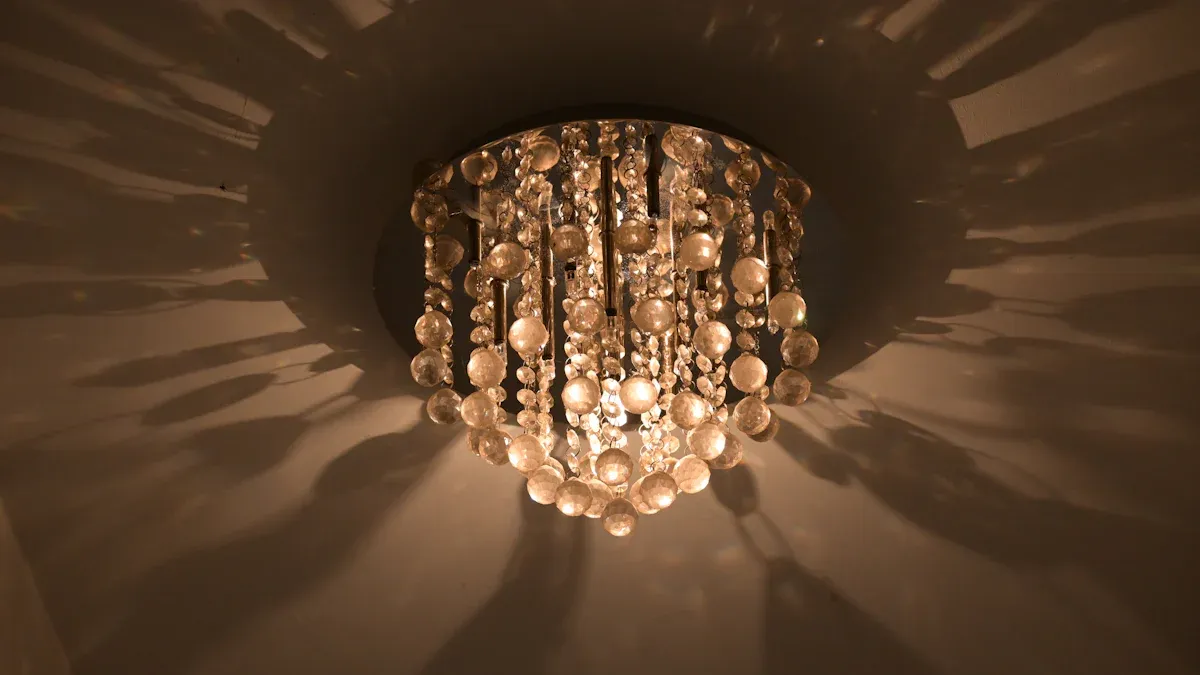
Beyond their practical benefits, LED flush mount lights are versatile design elements. They come in a vast array of shapes, materials, and styles. This variety ensures that homeowners can find the perfect fixture to complement any interior decor, from minimalist to ornate. These indoor lighting fixtures are no longer just a utility; they are a key part of a room's aesthetic.
Exploring Popular Shapes and Forms
The silhouette of a light fixture is its most defining characteristic. The shape sets the tone for the entire room.
Classic Round and Dome Lights
The simple round or dome fixture is the most traditional form of flush mount lighting. Its clean, unobtrusive design makes it a go-to choice for hallways, closets, and utility areas. This timeless shape blends seamlessly into almost any decor without drawing too much attention.
Modern Square and Rectangular Fixtures
For a more contemporary look, square and rectangular fixtures offer crisp, geometric lines. These shapes complement modern and minimalist interiors. They provide a structured, clean appearance that aligns with streamlined furniture and architectural details.
Elegant Drum-Style Lights
A drum-style light features a cylindrical shade, resembling a drum. These fixtures often have decorative metal bands and fabric or frosted glass shades. This style of flush mount lighting adds a touch of elegance and sophistication, making it a popular choice for bedrooms and living rooms.
Unique Decorative and Sculptural Designs
Designers are increasingly treating flush mount lighting fixtures as functional art. Current trends showcase bold, unconventional shapes and integrated decorative elements.
Fixtures with swirling, sculptural forms create a dynamic focal point.
Designs incorporating natural wood or layered materials add texture and visual interest.
Minimalist styles continue to thrive, focusing on simplicity and elegance for a subtle statement.
Materials That Define Your Decor
The material of the fixture's shade and base plays a crucial role in both its appearance and the quality of light it produces.
Glass Shades: Frosted, Clear, and Seeded
Glass is a classic material for light shades. Frosted glass diffuses light evenly, reducing glare and creating a soft glow. Clear glass provides maximum brightness, while seeded glass contains tiny bubbles that add a vintage, handcrafted feel.
Metal Finishes: Bronze, Nickel, and Black
The metal finish anchors the fixture to a specific design style. Oil-rubbed bronze offers a traditional, warm look. Brushed nickel or chrome provides a sleek, contemporary feel. Matte black is a versatile choice that works well in modern, industrial, and farmhouse designs.
Fabric Shades for a Softer Glow
Fabric shades introduce softness and texture into a room's lighting scheme. They are excellent for creating a warm, inviting atmosphere.
Fabric shades may soften the light and add warmth to a space. This effect is ideal for creating a cozy and relaxing environment in bedrooms or family rooms.
Modern Acrylic and Natural Wood Accents
Modern materials offer new design possibilities. Acrylic can be molded into sleek, futuristic shapes and provides excellent light diffusion. Natural wood accents bring organic warmth and texture, connecting the fixture to biophilic design trends and adding a touch of nature indoors.
Smart LED Flush Mount Ceiling Lights: The Future of Lighting
Smart technology transforms a simple light fixture into an interactive part of the home. Modern smart led flush mount ceiling lights integrate advanced features that offer unprecedented control over a room's atmosphere and functionality. These fixtures represent the next step in home lighting evolution.
The Convenience of Dimmability
Dimmability is a foundational feature of smart lighting. It allows users to adjust the brightness of their lights to suit any activity or time of day, moving beyond a simple on/off function.
Setting the Mood with Adjustable Brightness
Adjustable brightness is key to creating the perfect ambiance. A bright setting is ideal for focused tasks, while a lower light level creates a relaxed, intimate mood. Dimmable LEDs also offer practical benefits.
They consume less energy at reduced output levels, lowering electricity costs.
Dimming an LED light can extend its already impressive lifespan, making it an even more sustainable choice.
Ensuring Compatibility with Dimmer Switches
Not all dimmer switches work with all LED fixtures. Using an incompatible dimmer can cause flickering or buzzing. The two main types are leading-edge and trailing-edge dimmers. Trailing-edge dimmers are generally better for LEDs because they are designed for low-wattage loads.
Pro Tip: Always check the fixture's technical specifications to find the recommended dimmer type. To ensure compatibility, calculate the total wattage of the lights on the circuit and confirm it falls within the dimmer's specified load range.
Color-Changing (RGB) Capabilities
Many smart flush mounts go beyond brightness control, offering the ability to change the light's color. This includes adjusting the white light temperature and introducing a full spectrum of vibrant colors.
From Warm White to Cool Daylight on Demand
Tunable white technology allows users to shift the color temperature of their light. One can start the day with a cool, energizing daylight (5000K) and wind down in the evening with a cozy, warm white glow (2700K). This feature helps align home lighting with the body's natural circadian rhythm.
Adding a Splash of Fun with Color
RGB (Red, Green, Blue) capabilities unlock a world of creative lighting. Homeowners can instantly change a room's look for any occasion.
Holiday Themes: Set green and red for Christmas or orange and purple for Halloween.
Accent Lighting: Highlight architectural features or artwork with a specific hue.
Party Mode: Create a dynamic atmosphere with color-fading or strobing effects.
Control at Your Fingertips
The true power of smart lighting lies in its accessibility. Users can manage their lights from anywhere using intuitive digital tools.
App and Voice Control Integration
Most smart fixtures connect to a home's Wi-Fi network. This enables control through a smartphone app or voice commands. These lights are often compatible with major smart home ecosystems, including:
Amazon Alexa
Google Home
Samsung SmartThings
Using Scheduling and Automation Features
Automation adds a layer of convenience and security. Users can program their lights to follow daily routines. For example, lights can be scheduled to turn on at sunset, dim in the evening, or turn off at bedtime. For security, an "away" mode can randomize the on/off times to simulate occupancy and deter potential intruders.
How to Install Your New LED Flush Mount
Installing a new light fixture is a manageable DIY project for many homeowners. Following a clear process and prioritizing safety ensures a successful installation. This guide outlines the essential tools, steps, and safety considerations.
Tools and Materials You'll Need
Proper preparation is the first step toward a smooth installation. Gathering all necessary equipment beforehand prevents interruptions and ensures the job is done correctly and safely.
Gathering Your Safety and Installation Gear
A homeowner should have a specific set of tools ready before starting. This basic toolkit will handle most standard installations.
Stepladder
Non-contact voltage tester
Screwdriver (both Phillips and flathead)
Pliers or wire strippers
Wire nuts (often included with the new fixture)
Step-by-Step Installation Guide
A systematic approach is crucial for electrical work. Each step builds upon the last, from initial safety checks to the final connection.
Turning Off the Power
The most critical step is ensuring the electricity is completely off. A common mistake is relying only on the wall switch.
Safety First: A homeowner must go to the circuit breaker panel and flip the breaker that controls the room's lighting. After flipping the breaker, they should use a non-contact voltage tester on the existing fixture's wires to confirm there is no live current.
Removing the Old Fixture
Once the power is confirmed off, the old fixture can be removed. This usually involves unscrewing a cover to access the mounting screws. After lowering the fixture, the homeowner will see three wires: black (hot), white (neutral), and copper or green (ground). They should carefully unscrew the wire nuts to disconnect these wires.
Wiring and Mounting the New Light
Homeowners should always follow the specific instructions included with their new led flush mount ceiling lights. The standard procedure involves connecting the new fixture's wires to the corresponding wires in the ceiling's junction box.
Connect the black wire to the black wire.
Connect the white wire to the white wire.
Connect the ground wire to the ground wire. Secure each connection with a wire nut. Finally, mount the new fixture base to the junction box and attach the shade or cover.
When to Call a Professional
While many installations are straightforward, some situations require the expertise of a licensed electrician. Attempting complex electrical work without experience is a significant safety risk.
Recognizing Complex Wiring Issues
Certain signs indicate that the home's wiring may be outdated or unsafe. If a homeowner observes any of the following issues, they should stop work immediately and call a professional.
Flickering or dimming lights throughout the house
A distinct burning smell near outlets or the fixture
Buzzing or humming sounds coming from the walls
Aluminum wiring instead of copper
Frequent circuit breaker trips
These symptoms can point to serious problems like overloaded circuits or failing connections that demand professional diagnosis and repair.
Where Is the Best Place for a LED Flush Mount Light?
The versatility of a led flush mount makes it a go-to solution for many areas of a home. Its space-saving design and broad illumination are ideal for rooms that require practical, unobtrusive lighting. Understanding the recommended locations for installing led flush mount ceiling lights helps homeowners make the best choice for each space.
Perfect Placements in Your Home
Certain rooms benefit significantly from the low-profile and even light distribution that flush mount lighting provides. These fixtures excel in areas with low ceilings or high foot traffic.
Hallways and Corridors
Hallways are high-traffic zones where headroom is a primary concern. The ceiling-hugging design of flush mount lighting ensures clear passage without the risk of anyone bumping into a low-hanging fixture. It provides wide, even illumination that makes these narrow spaces feel safer and more open.
Bedrooms and Closets
In bedrooms, these fixtures offer excellent general ambient light. They are especially useful in closets, where safety codes dictate specific requirements for luminaires. The enclosed design of many fixtures meets these standards perfectly.
The National Electrical Code (NEC) Section 410.16 requires that closet fixtures have a completely enclosed light source, such as a surface-mounted LED luminaire. This prevents flammable materials from coming into contact with a hot bulb and mandates specific clearances between the light and storage shelves.
Kitchens and Pantries
While larger kitchens often use a mix of lighting types, a bright flush mount can serve as the primary source of ambient light. In smaller spaces like pantries, its powerful, even glow illuminates shelves from top to bottom, making it easy to find items quickly.
Bathrooms and Laundry Rooms
The functional nature of bathrooms and laundry rooms makes them prime candidates for this lighting style. For general illumination, a central fixture provides bright, clean light. In bathrooms, it is crucial to select the right type. Fixtures installed inside a shower must be wet-rated for safety. A damp-rated fixture is a wise choice for the area over a vanity to withstand moisture.
When to Choose a Different Type of Light
Despite its versatility, flush mount lighting is not the universal solution for every lighting need. Certain spaces call for a different style of fixture to achieve the desired aesthetic or function.
High Ceilings in Foyers or Living Rooms
Rooms with high or vaulted ceilings offer an opportunity for more dramatic lighting. In these spaces, a flush mount can look undersized and lost. A grand chandelier, a large pendant, or even semi flush mount lighting can fill the vertical space more appropriately and create a stronger focal point.
Focused Task Lighting Over a Dining Table
A dining table or kitchen island requires more direct, focused light than a flush mount can typically provide. Pendant lights are better suited for this task, as they hang lower and direct light downward onto the surface. For ceilings that are not high enough for a full pendant, semi flush mount ceiling lights or other forms of semi flush mount lighting offer a stylish compromise.
How to Choose the Right Size and Brightness
Selecting the ideal LED flush mount involves more than just style. Homeowners must consider the fixture's physical size and its light output to ensure it complements the room both visually and functionally. Proper sizing creates visual harmony, while correct brightness levels support the room's intended activities.
Sizing Your Fixture to the Room
The scale of a light fixture has a significant impact on a room's perceived proportions. A correctly sized fixture feels like a natural part of the decor, while an improperly sized one can disrupt the entire space.
A Simple Formula for Calculating Diameter
Interior designers use a straightforward formula to determine the ideal diameter for a ceiling fixture. This calculation provides an excellent starting point for any selection process.
First, a homeowner should measure the room's length and width in feet.
Next, they add these two measurements together.
The resulting sum, converted to inches, represents the recommended diameter for the light fixture.
For example, a room that measures 12 feet long and 10 feet wide has a sum of 22 feet. Therefore, an ideal flush mount fixture for this space would be approximately 22 inches in diameter.
Achieving Visual Balance and Proportion
This formula is a guideline, not an absolute rule. The ultimate goal is to achieve visual balance. A fixture that is too small will look insignificant and may fail to light the room adequately. Conversely, a fixture that is too large can overwhelm the ceiling and make the space feel crowded, especially in rooms with lower ceilings. Finding the right proportion between the room's dimensions and the fixture's scale is essential for a harmonious design.
Matching Lumens to Room Function
The brightness of a fixture, measured in lumens, should align with the function of the room. Task-oriented spaces require more intense light, while relaxation areas benefit from softer, ambient illumination.
Bright Light for Kitchens and Home Offices
Functional spaces like kitchens and home offices demand bright, clear light to ensure safety and reduce eye strain. General kitchen areas require a robust light source for visibility. Specific work zones, such as over a sink or stove, need even more focused illumination, often between 70-80 lumens per square foot.
Softer Light for Bedrooms and Living Areas
Bedrooms and living rooms are primarily spaces for relaxation. A flush mount fixture in these areas provides excellent ambient light. This overhead lighting can be layered with other sources. For instance, homeowners can add table lamps for reading or floor lamps to brighten a specific corner, creating a versatile and comfortable environment.
Using a Lumens-per-Square-Foot Guideline
Professionals often use a guideline based on foot-candles (one foot-candle is the light from one candle falling on a one-square-foot area) to calculate lighting needs. The following table shows recommended levels for different rooms.
Room Type | Best For | |
|---|---|---|
Kitchen (General) | 30–40 | Overall visibility and safety |
Kitchen (Task Areas) | 70–80 | Food prep, cooking, and cleaning |
Bedroom | 10–20 | Relaxing, ambient atmosphere |
Living Room | 10–20 | General comfort and socializing |
Note: 1 foot-candle is approximately equal to 10.76 lumens.
A homeowner can multiply the room's square footage by the recommended foot-candle level to estimate the total lumens needed.
A led flush mount offers a practical, space-saving lighting solution for modern homes, particularly those with lower ceilings. These flush mount lighting fixtures combine exceptional energy efficiency, an extremely long lifespan, and minimal maintenance into one package.
With a vast array of styles available, from simple domes to smart, color-changing models, there is a design for every room. Choosing led flush mount ceiling lights is a smart and stylish decision for achieving a clean, bright, and updated look.
FAQ
Can a homeowner install a flush mount on a sloped ceiling?
Most flush mount fixtures require a flat surface for secure installation. A homeowner should look for models specifically designed with an adjustable swivel or adapter for angled ceilings. Using a standard fixture on a slope can create an unsafe mounting and an uneven appearance.
What is the difference between damp-rated and wet-rated fixtures?
A damp-rated fixture can withstand moisture but not direct water exposure. It is suitable for bathrooms outside the shower. A wet-rated fixture is sealed to handle direct contact with water, making it the required choice for installation inside a shower or in an unprotected outdoor area.
Are the LEDs in an integrated fixture replaceable?
No, the LEDs in an integrated fixture are built directly into the luminaire and are not designed for replacement. The fixture's extremely long lifespan, often exceeding 20 years, means a homeowner will likely replace the entire unit for a style update rather than due to failure.
How does a person clean a LED flush mount light?
A homeowner should first turn off the power at the circuit breaker. They can then wipe the exterior surface with a soft, dry, or slightly damp microfiber cloth. One should avoid using harsh chemical cleaners, as these can damage the fixture's finish or shade material.
Do all LED flush mounts work with dimmer switches?
Not all LED fixtures are dimmable. A homeowner must check the product's specifications to confirm dimming capability.
Compatibility is Key: Using a non-dimmable fixture with a dimmer switch or an incompatible dimmer type can cause performance issues like flickering, buzzing, or damage to the light's internal driver.
Why is my new LED light flickering?
Flickering often points to an incompatibility issue. The most common causes are:
An incompatible dimmer switch.
Loose wiring connections in the junction box.
A faulty internal driver within the fixture itself. A homeowner should first check the wiring and dimmer compatibility before suspecting a defective fixture.