

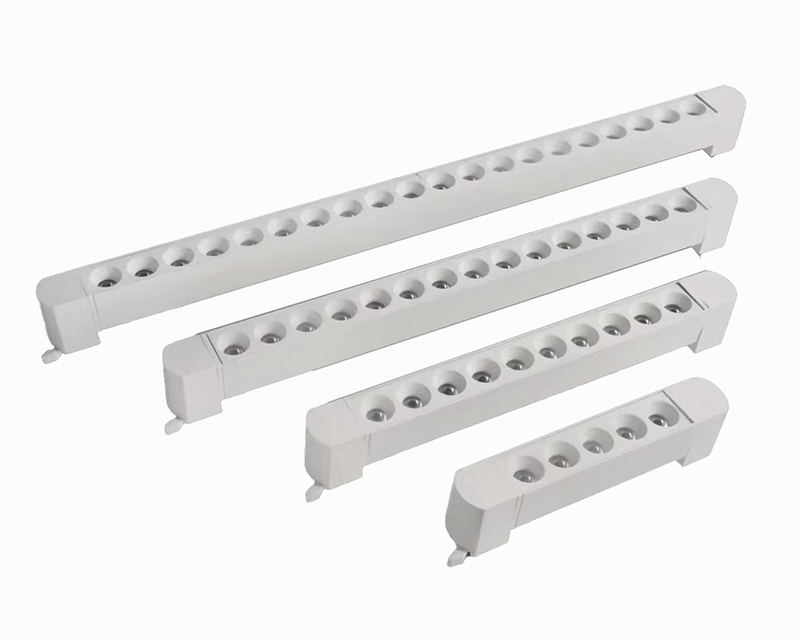
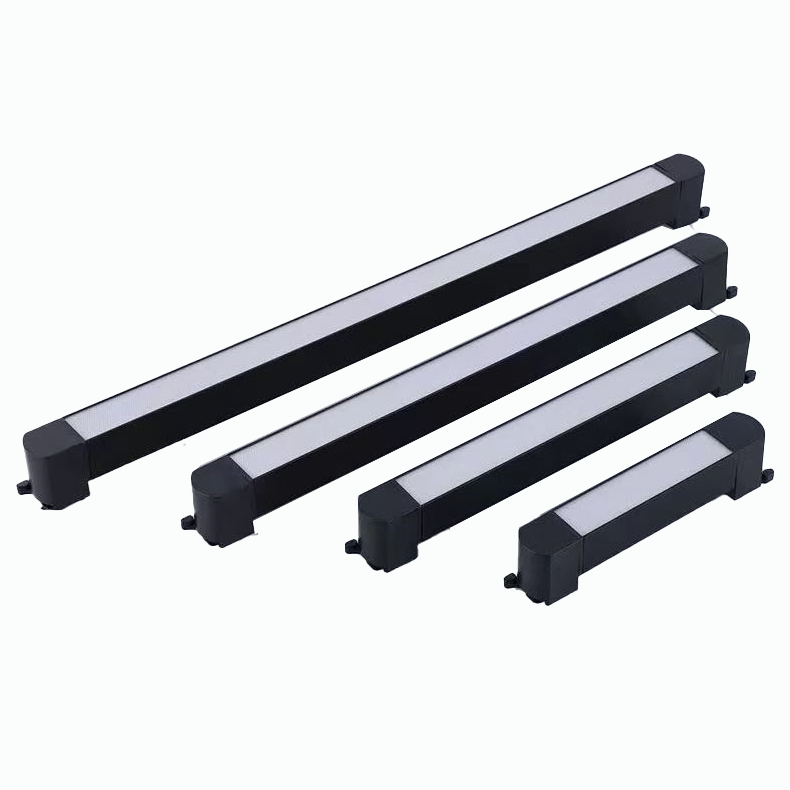
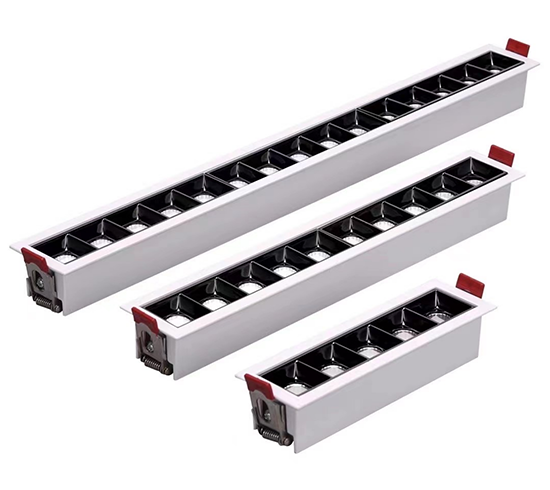
Modern led light fixtures instantly elevate home interiors, blending high style with peak efficiency. Designs transform any room, from minimalist flush mounts to dramatic sculptural pieces. A perfect led ceiling light matches a homeowner's aesthetic while providing beautiful, functional light. The rapid adoption of this technology is clear.
The global LED lighting market, valued at USD 90.3 billion in 2024, is forecasted to reach USD 183.7 billion by 2033. This growth reflects constant innovation from every leading LED Ceiling Light Manufacturer and the broader network of led light manufacturers.
A Showcase of Modern LED Ceiling Light Designs
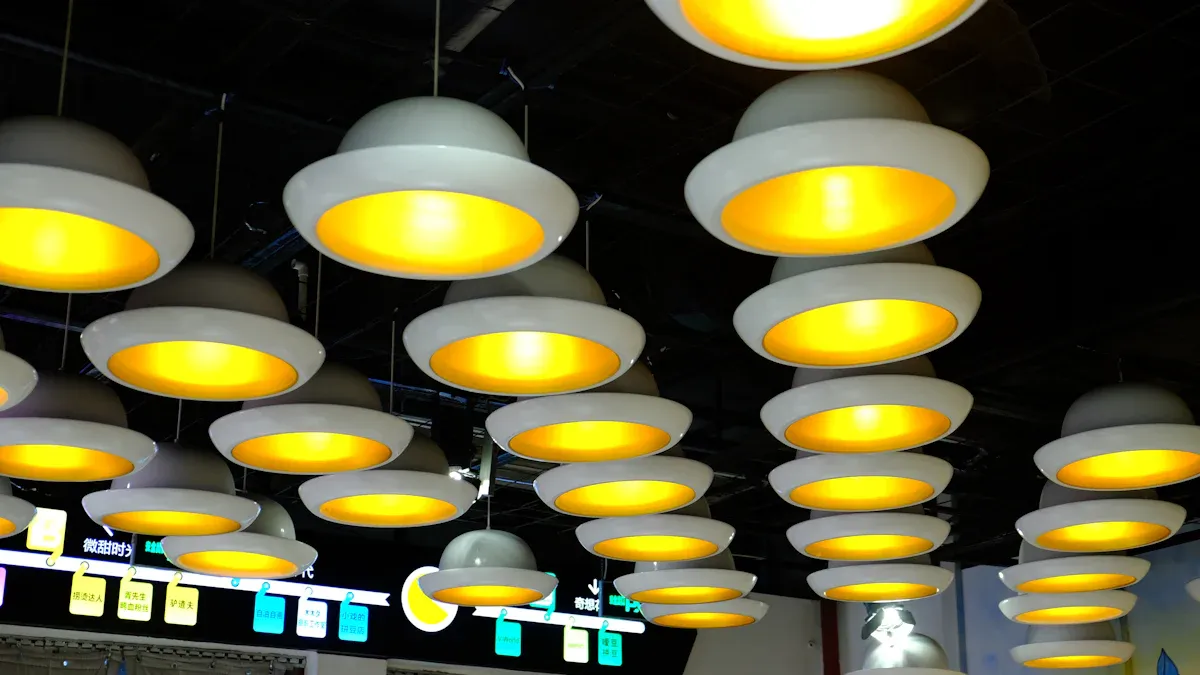
The world of modern lighting is vast and varied. Designers offer an incredible range of fixtures to suit any taste or architectural need. These designs fall into several key categories, each with its own unique aesthetic and functional advantages.
Sleek Flush & Semi-Flush Mounts
These fixtures are the workhorses of modern residential lighting. They mount directly or very close to the ceiling, making them ideal for rooms with standard or low ceiling heights. Their unobtrusive nature provides excellent general illumination without occupying visual space.
Ultra-Thin Round & Square Panels
LED technology enables the creation of incredibly slim light panels. These fixtures provide a clean, even wash of light and are exceptionally popular in minimalist interiors due to their low-profile design. The simple geometry of round and square flush mount fixtures integrates seamlessly into contemporary spaces.
Minimalist Drum Lights
A drum light offers a classic, soft silhouette. Modern LED versions update this timeless shape with fabric, metal, or acrylic diffusers that soften the light. They provide a gentle ambiance while maintaining a clean, uncluttered look that bridges traditional and contemporary styles.
Geometric & Asymmetrical Designs
Designers are moving beyond simple circles and squares. Many modern fixtures feature interlocking shapes, offset elements, or asymmetrical forms. These designs act as subtle sculptural pieces, adding a layer of visual interest to the ceiling plane.
Layered & Tiered Flush Mounts
To create a sense of depth, some fixtures use multiple layers or tiers. These designs stack shapes or plates, often with integrated LEDs on different levels. The result is a more dynamic and dimensional fixture that still maintains a relatively low profile.
Tip: Mixing materials can enhance various interior styles. Fixtures combining wood and metal are ideal for industrial or rustic looks, while stone, metal, and glass complement sleeker, modern interiors. Below are some highly-rated examples that showcase these designs.
Product Name | Rating | Price |
|---|---|---|
13 inch Flush Mount LED Ceiling Light Fixture, 5CCT Adjustable, Brushed Nickel Saturn | 4.6 out of 5 stars (11,290 ratings) | $23.74 |
TALOYA Flush Mount 12 Inch Ceiling Light, 5CCT, 0.94 Inch Thickness Round | 4.6 out of 5 stars (10,886 ratings) | $14.25 |
hykolity 12 Inch Selectable CCT LED Round Flat Panel Light, 24W, Black | 4.6 out of 5 stars (2,153 ratings) | $14.99 |
Govee Smart Ceiling Light, RGBIC LED, Works with Alexa, 12 Inch | 4.6 out of 5 stars (1,255 ratings) | $44.99 |
Brightever 4Pack LED Flush Mount Ceiling Light, 12 Inch 24W, Super Slim 0.67 Inch, Dimmable & 5CCT | 4.6 out of 5 stars (768 ratings) | $39.99 |
Minimalist Recessed & Downlights
For the ultimate clean aesthetic, recessed lighting is unparalleled. These fixtures are installed inside the ceiling, with only the trim (or no trim at all) visible. This approach eliminates visual clutter and creates a smooth, uninterrupted ceiling plane.
Minimalist recessed downlights offer significant benefits. They provide a sleek, unobtrusive design that enhances a room's modern look. Because they are installed flush with surfaces, they save visual space and reduce clutter. These fixtures are highly effective for distributing even, uniform illumination, making them perfect for general ambient lighting in both homes and businesses. Their superior light quality, energy efficiency, and design flexibility allow for creative and layered lighting schemes.
Gimbal & Adjustable Downlights
Gimbal fixtures feature a pivoting head. This allows the user to direct the beam of light toward artwork, architectural details, or specific task areas. They offer flexibility within a fixed installation.
Pinhole & Trimless Recessed Lights
These designs take minimalism to the extreme. Pinhole lights have a very small aperture, creating a narrow, focused beam from a nearly invisible source. Trimless (or "mud-in") fixtures are installed so that the fixture housing is plastered over, leaving only the light opening visible for a truly seamless look.
Wall Wash & Shower-Rated Lights
Wall wash fixtures have specialized reflectors that direct light asymmetrically to illuminate a vertical surface evenly. This technique can make a room feel larger and brighter. For bathrooms, shower-rated recessed lights are sealed to protect against moisture, providing safe and effective illumination in wet locations.
Smart Color-Changing Downlights
Smart downlights integrate RGB (Red, Green, Blue) and tunable white LEDs. Homeowners can control them via an app or voice assistant to change the color and temperature of the light, transforming the mood of a room instantly.
Artistic Sculptural & Statement Fixtures
These ceiling light fixtures transcend mere function to become central design elements. They serve as focal points, conversation starters, and works of art that also happen to illuminate a space.
Abstract & Organic Forms
Many modern designers draw inspiration from nature. These fixtures might mimic the shape of clouds, branches, or flowing water. Their abstract and organic forms introduce a soft, natural element into a structured interior.
Modern Sputnik & Starburst Chandeliers
A nod to the mid-century modern era, Sputnik and starburst chandeliers have been reimagined with LED technology. These fixtures feature arms radiating from a central point, each tipped with an LED bulb or integrated light source. They create a dramatic, explosive effect.
Ring & Halo Pendants
A single or multi-tiered ring pendant creates a powerful statement through its simple, elegant geometry. The illuminated halos appear to float in mid-air, providing a beautiful ambient glow. This type of led ceiling light is a popular choice for dining rooms and entryways.
Wave & Ribbon Designs
These fixtures use long, flowing strips of metal or acrylic embedded with LEDs. The light source follows graceful curves, waves, and ribbons, creating a sense of movement and fluidity.
Recent design competitions highlight the innovation in this category. Award-winning fixtures often showcase a mastery of form and technology.
Komorebi by Studiobauer GmbH: Recognized for its mood-enhancing illuminated ceiling design.
Paper Lantern Ceiling For Readings by Ed Linacre: An award-winner in the illuminated ceilings category.
ScreenBar Halo 2 by MNML LLC. & BenQ Corporation: An innovative LED lighting fixture.
Define Pivot Hub by Neoray: A winning design in LED lighting products.
Lumencore Linear Series by Lumenpulse: Honored for its excellence as an LED fixture.
Versatile Linear & Track Lighting
Linear and track lighting systems offer unparalleled adaptability for modern interiors. These solutions move beyond a single, central fixture, allowing designers to paint with light across a room. They are especially effective in open-concept spaces for defining zones, highlighting architectural features, and providing focused task illumination. The strategic use of track lighting can create a gallery-like experience, drawing attention to artwork or statement furniture.
Monorail & Flexible Track Systems
Monorail systems use a single, often bendable, rail that can be shaped to follow architectural curves or create custom patterns on the ceiling. Flexible tracks offer similar versatility, allowing for unique layouts that rigid systems cannot achieve. Designers can create straight lines, L-shapes, or even zigzag forms to add strong visual direction. These systems can be recessed, surface-mounted, or suspended, providing complete creative control.
Suspended Linear Pendants
A suspended linear pendant is a sleek, minimalist fixture that provides excellent task lighting. It is a popular choice for placement over kitchen islands, dining tables, and conference tables. The long, narrow form factor delivers a clean line of light that is both functional and aesthetically pleasing. Modern designs are available in various lengths, often from 600mm to 1500mm, and can be customized to fit exact spatial requirements.
Integrated LED Track Heads
Traditional track lighting used replaceable bulbs. Modern systems increasingly feature integrated LED track heads. In these designs, the LED light source is built directly into the fixture head. This results in a more compact, efficient, and streamlined design. These heads are often adjustable, allowing users to aim light precisely where it is needed.
Low-Voltage Cable Systems
Cable lighting systems use two parallel, low-voltage cables stretched across a room. Small, lightweight fixtures are then attached to these cables. This creates a minimalist, almost floating appearance. The system is highly flexible, as fixtures can be positioned anywhere along the cables, making it ideal for rooms with high or complex ceilings where traditional installation is difficult.
Professional Applications: Designers use linear systems to solve complex lighting challenges in commercial spaces.
Office Lighting: Recessed direct/indirect linear lights provide uniform, glare-free task lighting (UGR<19) with a neutral 4000K color temperature.
Retail Stores: Suspended zigzag linear lights create dynamic ceiling patterns, using high CRI (>90) LEDs to make products look their best.
Hotel Lobbies: Continuous 'ceiling-to-wall' linear lighting outlines architectural forms, creating a dramatic and welcoming entrance.
Smart & Integrated LED Systems
The biggest evolution in modern lighting is the integration of smart technology. Smart ceiling lights offer unprecedented control over a home's ambiance, functionality, and energy use. These systems connect to a home's Wi-Fi or a dedicated hub, enabling control from anywhere.
Tunable White & RGB Fixtures
Tunable white technology allows a user to adjust the color temperature of the light, from a warm, cozy 2700K to a crisp, cool 5000K+. This feature enables lighting to support a person's circadian rhythm, providing energizing cool light in the morning and relaxing warm light in the evening. RGB (Red, Green, Blue) fixtures add another layer of control, offering millions of color options to instantly change a room's mood for parties, movie nights, or holidays.
Voice-Controlled Ceiling Lights
Integration with voice assistants like Amazon Alexa, Google Assistant, and Apple Siri has made lighting control effortless. Homeowners can simply speak commands to turn lights on or off, dim them to a specific percentage, or change their color. This hands-free operation adds a layer of convenience and accessibility to the modern home.
App-Controlled Lighting Systems
A dedicated smartphone app is the command center for most smart lighting systems. Through an app, users can access advanced features far beyond a simple wall switch.
Schedules: Automate lights to turn on at sunset or dim in the evening.
Scenes: Create and save custom lighting settings for different activities, like "Movie Night" or "Focus."
Geofencing: Automatically turn lights on upon arrival at home or off upon leaving, based on a phone's GPS location.
Smart Away: This feature randomly turns lights on and off to simulate occupancy, enhancing security when away from home.
Fixtures with Integrated Bluetooth Speakers
Combining lighting with audio, some modern fixtures include built-in Bluetooth speakers. These multi-functional units reduce ceiling clutter by merging two devices into one. They are a popular choice for bathrooms, kitchens, and patios, allowing users to stream music or podcasts directly from their ceiling light.
Important Compatibility Note: It is critical to understand how smart components interact. Never use a smart bulb (like Philips Hue) with an external dimmer switch (smart or traditional). This configuration can damage both the bulb and the switch. The proper method is to provide constant power to the smart bulb and control its functions (dimming, color) through an app, voice command, or a compatible smart remote that communicates wirelessly.
Architectural & Indirect Lighting
Architectural lighting treats light as a building material. Instead of hanging a fixture in a room, the light source is integrated directly into the architecture for a seamless and sophisticated effect. This technique focuses on indirect illumination, where light is bounced off ceilings and walls to create a soft, diffuse glow without visible bulbs or glare. This approach is highly effective in kitchens and bathrooms, where it can accent features like islands and create a warm atmosphere on reflective surfaces.
Cove Lighting for Ambient Glow
Cove lighting is a classic indirect lighting technique. LED strips are hidden within a ledge, trough, or recess high on a wall. The light is directed upward, washing across the ceiling to provide comfortable, ambient illumination. This method makes a room feel larger and more open.
Backlit Ceiling Panels
Designers can create entire luminous surfaces by installing LED panels behind a translucent material like acrylic or stretch fabric. This turns a portion of the ceiling into a massive, low-intensity light fixture. It produces an exceptionally soft and even light, mimicking the feeling of a skylight.
Perimeter & Floating Ceiling Effects
By placing a continuous line of light around the edge of a ceiling, designers can create a "floating" effect. The light separates the ceiling plane from the walls, making it appear to hover. This technique adds a sense of drama and architectural definition. Hardware like the slim MICRO-ALU LED extrusion is often used for these discreet installations. This type of led ceiling light is perfect for modern living rooms and home theaters.
Natural Light Simulating Panels
The most advanced architectural systems are designed to simulate the quality of natural daylight. These panels use tunable white and specialized diffusion technology to replicate the color temperature and angle of sunlight as it changes throughout the day. They are often used in windowless spaces to improve occupant well-being and create a connection to the outdoors.
How to Choose the Perfect Modern Ceiling Lighting
Selecting the right modern ceiling lighting involves more than just picking a style. A successful choice balances size, brightness, and color to create a space that is both beautiful and functional. Homeowners should consider three key factors to make an informed decision.
Match Size and Scale to Your Room
The physical size of a fixture must be proportional to the room it occupies. A light that is too large can overwhelm a space, while one that is too small will look insignificant.
Calculating Fixture Diameter
Interior designers use a simple formula to find the right fixture diameter. A person can add the room's length and width in feet. The resulting number is the ideal fixture diameter in inches. For example, a 12-foot by 14-foot room (12 + 14 = 26) would suit a fixture with a 26-inch diameter. For fixtures over tables, the calculation changes:
Round Tables: The fixture diameter should be about 75% of the table's diameter.
Rectangular Tables: Add the table's width and length (in inches), then divide by two.
Considering Ceiling Height
Ceiling height directly impacts the type of fixture that will work best. Lower ceilings require more compact ceiling light fixtures to maintain adequate headroom and avoid a cramped feeling.
Recommended Fixture Type | |
|---|---|
Below 8 feet | Flush Mount |
8 feet | Flush Mount |
9 to 10 feet+ | Semi-Flush Mount or Pendant |
Visual Weight and Proportions
Beyond measurements, a fixture's "visual weight" matters. A dark, solid metal drum light feels heavier than a glass and wireframe sputnik of the same size. Homeowners should consider the fixture's material and transparency to ensure it complements the room's scale.
Understand Light Output and Brightness
Lumens measure a light's brightness. Understanding lumens is crucial for ensuring a room is properly illuminated for its intended use.
Decoding Lumens for Room Size
To calculate the total lumens needed, one must first measure the room's area in square feet. Then, multiply that area by the recommended lumens per square foot for that room type.
Example: A 150-square-foot living room needing 20 lumens per square foot requires a total of 3,000 lumens (150 sq ft x 20).
Lumens vs. Watts in LEDs
Watts measure energy consumption, not brightness. Modern LEDs produce far more lumens per watt than old incandescent bulbs. A 10-watt LED bulb can easily produce the same 800 lumens as a 60-watt incandescent, using significantly less energy.
Recommended Lumens per Square Foot
Different rooms require different levels of brightness.
Living Rooms & Bedrooms: 10-20 lumens/sq. ft.
Kitchens & Bathrooms: 70-80 lumens/sq. ft.
Home Offices & Workspaces: 40-50 lumens/sq. ft.
Master Color Temperature (Kelvin)
Color temperature, measured in Kelvin (K), describes how warm or cool the light appears. This has a significant psychological impact on a room's atmosphere.
Warm White (2700K-3000K) for Cozy Spaces
Warm white light creates a calming and inviting ambiance. Its yellowish hue is ideal for living rooms and bedrooms, as it promotes relaxation and can aid in melatonin release for better sleep.
Neutral White (3500K-4000K) for Versatility
Neutral white is a balanced, clean light. It is highly versatile and works well in almost any space, from kitchens to hallways, where a clear but comfortable light is desired.
Cool White (4500K-5000K+) for Task Areas
Cool white light has a bluish tone that boosts alertness and focus. This makes it perfect for task-oriented areas like home offices, garages, and kitchens. However, exposure in the evening can disrupt sleep patterns.
Using Tunable White Technology
Tunable white fixtures offer the best of all worlds. They allow users to adjust the color temperature throughout the day, providing energizing cool light in the morning and relaxing warm light at night to support the body's natural circadian rhythm.
Prioritize Control and Flexibility
Modern lighting is not just about illumination; it is about creating adaptable environments. Control and flexibility are paramount for a lighting system that serves multiple functions throughout the day.
The Importance of Dimmability
Dimmability is a non-negotiable feature in modern lighting design. It allows homeowners to fine-tune the brightness of a room to suit any activity or time of day. The benefits of installing dimmable LED ceiling lights are significant.
Users can adjust brightness levels to set the perfect mood for any occasion.
The ability to create a relaxing atmosphere in the evening can support the body’s natural circadian rhythm, potentially leading to better sleep.
Dimmable LEDs are highly energy-efficient and use even less power when dimmed.
Dimming reduces energy expenditure, which can extend the already impressive lifespan of an LED fixture.
Exploring Smart Lighting Features
Smart lighting systems offer the ultimate level of control. Homeowners can manage their lights through smartphone apps or voice commands. These systems allow for scheduling, creating custom scenes, and even changing light color to transform a room's atmosphere instantly.
Compatibility with Existing Switches
When upgrading to modern LEDs, it is crucial to check for compatibility with existing wall switches. Not all dimmer switches work with all LED fixtures. Using an incompatible dimmer can cause flickering, buzzing, or damage to the light. For smart lights, a standard switch should be used to provide constant power, with all dimming and control handled wirelessly through an app or smart remote.
Layering Your Lighting for a Complete Design
A truly well-lit room relies on more than a single ceiling fixture. Professional designers use a technique called layering, which combines three distinct types of lighting to create a space with greater visual interest and functionality. A layered plan establishes a more pleasing and comfortable environment.
The Role of Ceiling Lights as a Base Layer
Ceiling lights, such as flush mounts and recessed downlights, typically provide the base layer of ambient lighting. This is the general, overall illumination that fills the room and allows people to navigate it safely. It forms the foundation upon which other lighting layers are built.
Combining with Task Lighting
The second layer is task lighting. This focused light improves performance and reduces eye strain during specific activities like reading, cooking, or working. Examples include under-cabinet lights in a kitchen or a floor lamp next to a reading chair. Task lighting ensures key areas are functional and efficient.
Adding Accent & Decorative Lights
The final layer provides the "wow factor." Accent lighting draws visual interest to specific features like artwork, plants, or architectural details. This layer adds depth, dimension, and personality to a room.
By adjusting the intensity of each layer, a homeowner can completely alter a room's mood. A bright combination of ambient and task lighting creates an energized morning atmosphere, while dim ambient light paired with accent lighting establishes a cozy, relaxing evening feel.
Top LED Ceiling Light Ideas by Room
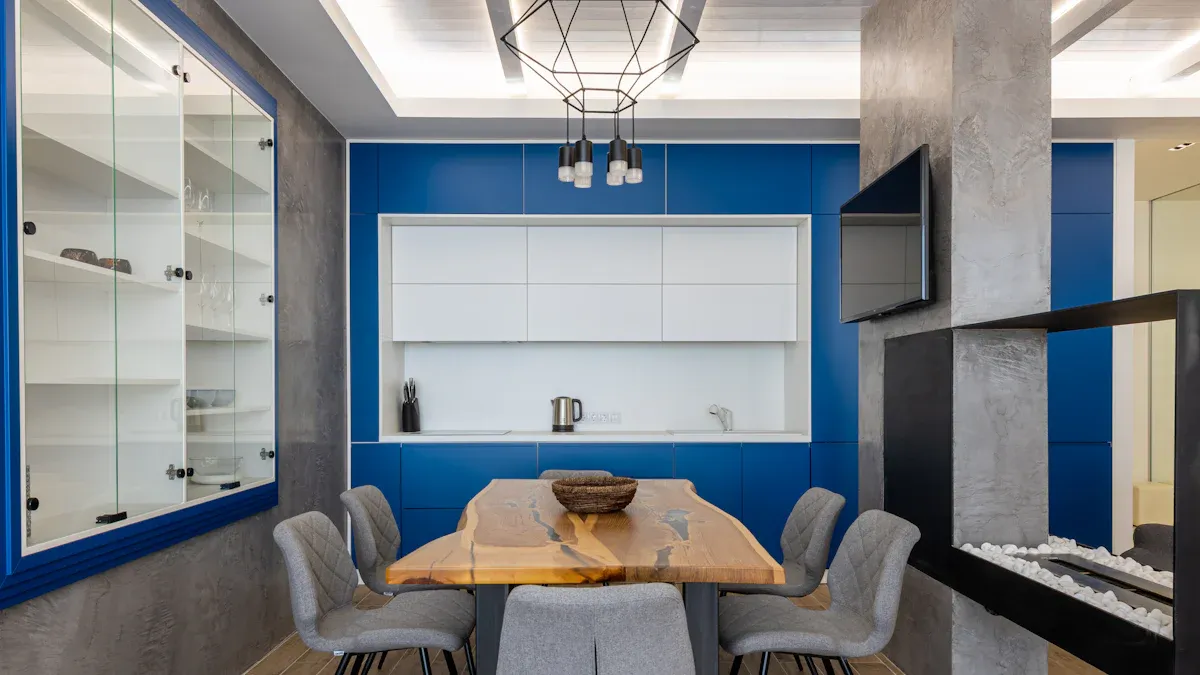
Applying lighting principles to specific rooms transforms them from simple spaces into functional, atmospheric environments. The right fixture choices enhance each room's purpose, whether for socializing, working, or relaxing.
Living Room Lighting Solutions
The living room is a multi-functional space. Its lighting must be flexible enough to accommodate everything from bright gatherings to quiet evenings.
Statement Chandeliers as a Focal Point
A dramatic chandelier or sculptural pendant serves as a powerful centerpiece. It anchors the room's design and establishes a clear focal point, often over a central seating area or coffee table.
Recessed Lighting for General Illumination
Recessed downlights provide broad, unobtrusive ambient light. They fill the room with a clean base layer of illumination without competing with the main statement fixture.
Combining Fixtures for Flexibility
A layered approach offers the most versatility. Designers often combine different ceiling light fixtures to create a complete and adaptable scheme.
A bold central pendant can be paired with subtle wall sconces or table lamps.
Sculptural fixtures over seating areas work well with small accent lights that highlight architectural features.
Dimmers allow homeowners to shift the mood from bright and social to soft and intimate.
Kitchen Lighting Essentials
Kitchens demand bright, functional lighting. A layered plan ensures both safety for tasks and a welcoming atmosphere for gathering.
Linear Pendants Over Islands
A suspended linear led ceiling light is a popular choice for kitchen islands and peninsulas. It delivers focused task lighting for food preparation while adding a sleek, modern design element.
Flush Mounts for Overall Brightness
A powerful flush mount or a series of recessed lights provides essential ambient illumination for the entire kitchen. This ensures general visibility and safety throughout the main walkways.
Under-Cabinet and Task Lighting
Under-cabinet LED strips are a critical task lighting layer. They illuminate countertops directly, eliminating shadows cast by overhead fixtures and making chopping and other prep work safer and easier.
Bedroom Ambiance and Function
Bedroom lighting should promote rest and relaxation while providing function for morning routines. Control and color temperature are key.
Dimmable Flush Mounts for Relaxation
A simple, dimmable flush mount provides soft, diffuse ambient light. Dimming the fixture in the evening creates a calm environment conducive to sleep.
Smart Lights for Wake-Up Routines
Smart lighting systems can support natural sleep cycles. Homeowners can schedule routines through a dedicated app.
A wake-up sequence gradually shifts light from a warm glow to a bright, cool tone for a gentle awakening. A wind-down routine does the opposite, dimming warm light to signal the body it is time for rest.
Bedside Pendants and Sconces
Hanging small pendants or installing wall sconces on either side of the bed frees up nightstand space. These fixtures offer focused light for reading without illuminating the entire room.
Bathroom and Vanity Lighting
Bathroom lighting must perform a delicate balancing act. It needs to be bright and functional for grooming tasks while also creating a safe and relaxing spa-like atmosphere. A successful design layers different light sources and pays close attention to safety ratings.
Shower-Rated Recessed Lights
Proper illumination inside a shower is a matter of safety and luxury. Shower-rated recessed lights are essential for this task. Manufacturers seal these fixtures to protect the internal electronics from water and steam. This specialized construction prevents short circuits and ensures long-term performance in the wettest part of the bathroom. An IP67-rated fixture is the standard for placement directly within a shower or tub basin.
Bright, Clean Light for Vanities
The vanity is the primary task area in a bathroom. It requires bright, shadow-free illumination for activities like shaving and applying makeup. A neutral white light (around 4000K) provides excellent color rendering without being too harsh. To avoid unflattering overhead shadows, designers often place vertical sconces on either side of the mirror or use a backlit mirror. This cross-illumination lights the face evenly.
Understanding Damp and Wet Ratings
Safety is the top priority in bathroom lighting design. Water and electricity are a dangerous combination, so fixtures are assigned an Ingress Protection (IP) rating. This two-digit number indicates a fixture's level of protection against solids (first digit) and liquids (second digit). Building codes divide bathrooms into zones based on their proximity to water sources, each with a minimum IP rating requirement.
Bathroom Zone | Location | Minimum IP Rating | Voltage Requirement |
|---|---|---|---|
Zone 0 | Inside bathtub or shower basin | IP67 | 12V maximum |
Zone 1 | Directly above bath/shower, up to 8.2 ft high | IP44 (IP65 recommended) | Standard voltage |
Zone 2 | Within 2 ft of bath/shower perimeter | IP44 | Standard voltage |
Outside Zones | Beyond 2 ft from water sources | IP20 (IP44 recommended) | Standard voltage |
Zone Breakdown: Understanding these zones is critical for selecting compliant fixtures.
Zone 0 covers areas submerged in water, like the inside of a tub, demanding a waterproof IP67 rating and low-voltage power.
Zone 1 is the area directly above the tub or shower. It requires a minimum IP44 rating to protect against water splashes.
Zone 2 extends around the bath, shower, and sink. Fixtures here also need an IP44 rating to handle occasional splashes.
Outside Zones have no strict requirements, but using IP44-rated fixtures is a wise choice for longevity in a humid environment.
Installation and Maintenance for Longevity
Proper installation and regular maintenance ensure that modern LED lighting performs safely and lasts for its full, impressive lifespan. Homeowners can handle some tasks, but others require professional expertise.
DIY vs. Professional Installation
Deciding between a do-it-yourself project and hiring a professional is the first critical step. The choice depends on the complexity of the job and a person's comfort level with electrical work.
When to Hire an Electrician
A homeowner should hire a licensed electrician for several key situations. These include installing a fixture where none existed before, running new wiring, or upgrading an old electrical box. If a person feels unsure about any step of the process, calling a professional is the safest decision.
Tools for a DIY Installation
For a simple fixture replacement, a person needs a few basic tools. A sturdy ladder, a set of screwdrivers, wire strippers, and a non-contact voltage tester are essential for a safe and successful installation.
Safety Precautions to Follow
Safety must always be the top priority during any electrical work. Following a strict protocol prevents injury and property damage.
Always shut off power at the circuit breaker. A homeowner should tape the breaker switch in the "off" position to prevent someone from turning it back on accidentally.
Wear ANSI-certified eye protection to guard against debris.
Inspect all tools for damage, such as frayed wires, before use.
Work with a partner who can provide assistance and call for help if needed.
It is critical to use only commercially produced ceiling light fixtures that are certified by a recognized lab like UL (Underwriters' Laboratory). Many imported fixtures may not meet U.S. safety standards. Also, never exceed the maximum wattage listed on the fixture, as this can create a fire hazard.
Cleaning and Maintaining Your Fixtures
Routine cleaning keeps fixtures looking their best and helps them operate efficiently by allowing heat to dissipate properly.
How to Clean Different Materials
The cleaning method depends on the fixture's material. Always ensure the light is off and cool before cleaning.
Glass Shades: A soft, damp cloth works for light dust. For tougher grime, a gentle glass cleaner or mild soapy water is effective.
Metal Finishes: Most metal surfaces can be wiped with a damp cloth. For brass or painted bases, a solution of mild soap and water is best.
LED Components: If accessible, wipe canisters with a damp cloth and dry them thoroughly.
Dusting and Routine Upkeep
A weekly or bi-weekly dusting with a soft cloth or duster prevents dirt buildup. This simple step maintains light quality and the fixture's appearance.
Understanding Integrated LED Lifespan
Integrated LEDs have the light source built directly into the fixture. This design offers a sleek profile but has unique long-term considerations.
What Happens When an Integrated LED Burns Out
When an integrated LED fixture reaches the end of its life, the entire unit must be replaced. Unlike traditional bulbs, the light source is not separately serviceable.
Maximizing the Life of Your Fixture
Modern integrated LEDs are designed for longevity, with common ratings of 15,000, 25,000, or even 50,000 hours of use. To reach this potential, a homeowner should ensure proper installation, use compatible dimmer switches, and keep the fixture clean to prevent heat buildup.
Modern lighting offers an unparalleled combination of design, efficiency, and technology. Homeowners can select the ideal led ceiling light by considering room size, style, and lighting layers. This guide helps them confidently upgrade their homes with fixtures that are both beautiful and functional.
Key takeaways for any upgrade project include:
Improved ambiance through dimming and smart controls.
The ability to create minimalist or ornamental looks.
FAQ
What does "integrated LED" mean?
An integrated LED fixture has the light source built directly into its design. A person cannot replace the bulb separately. The entire fixture is one complete unit. This design allows for more streamlined and creative fixture shapes.
Are LED ceiling lights worth the cost?
Yes, LED lights offer significant long-term savings. They consume up to 80% less energy than traditional bulbs and have a much longer lifespan. This efficiency reduces electricity bills and lowers the frequency of replacements, making them a cost-effective investment.
Can I use a dimmer switch with any LED light?
No, not all LED fixtures are dimmable. A homeowner must purchase a fixture specifically labeled as "dimmable." Additionally, it is crucial to use a compatible LED dimmer switch to prevent flickering, buzzing, or damage to the light.
Do I need smart features in my ceiling light?
Smart features offer enhanced convenience and control. They allow users to adjust brightness, color, and schedules via an app or voice command. While not essential, they provide significant flexibility for creating different moods and automating a home's lighting.
How do I choose the right color temperature?
Color temperature affects a room's atmosphere.
Warm White (2700K-3000K): Creates a cozy, relaxing feel for bedrooms and living rooms.
Neutral White (3500K-4000K): Offers versatile, clean light for kitchens and hallways.
Cool White (4500K+): Provides bright, energizing light for offices and garages.
What happens when an integrated LED fixture stops working?
When an integrated LED fixture reaches the end of its lifespan, a person must replace the entire unit. The internal light source is not serviceable. Fortunately, these fixtures are designed to last for many years, often rated for 25,000 hours or more.
Why are IP ratings important for bathroom lights?
IP ratings indicate a fixture's protection against water and solids. Using fixtures with the correct IP rating in a bathroom is a critical safety measure. It prevents electrical shorts and ensures the light operates safely in damp or wet environments.