

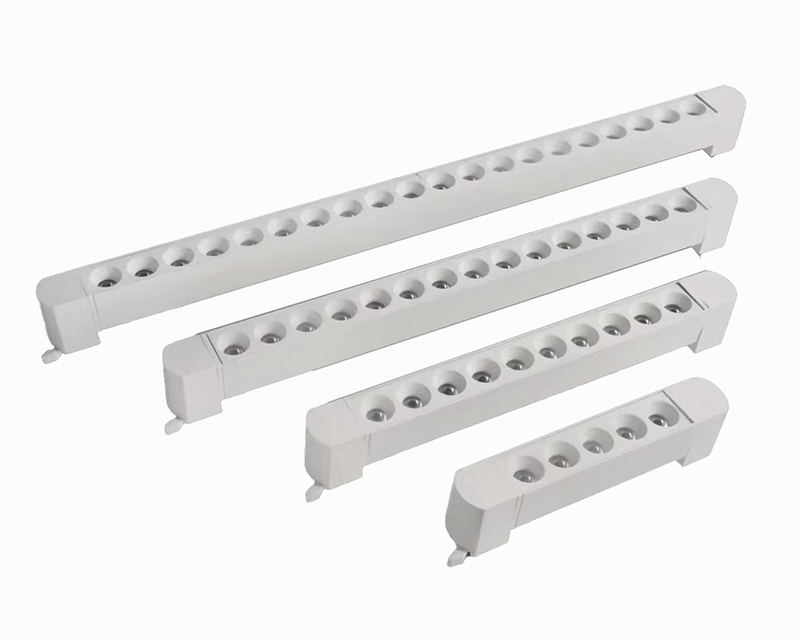
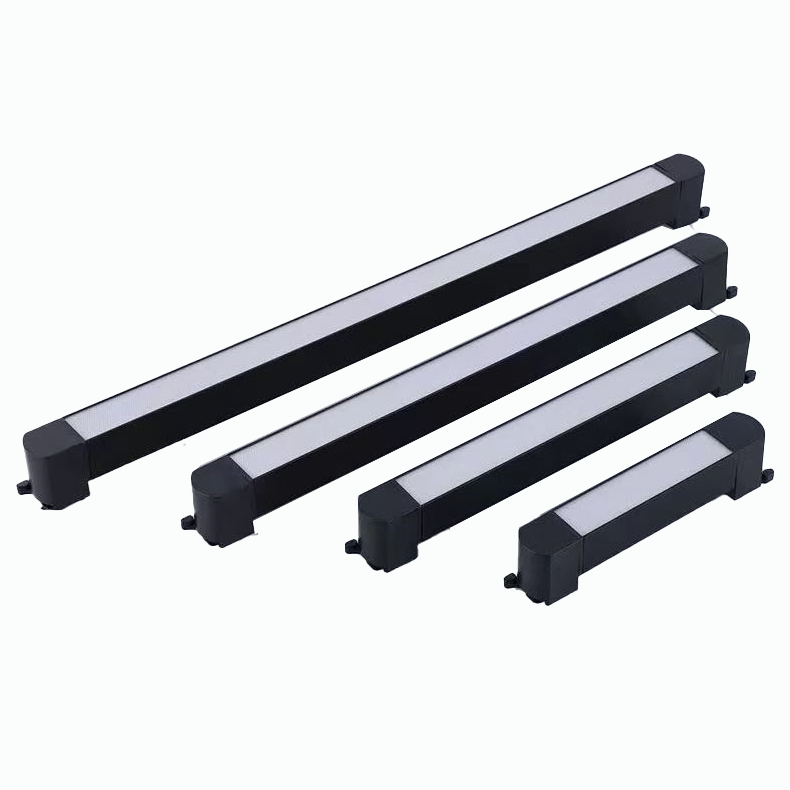
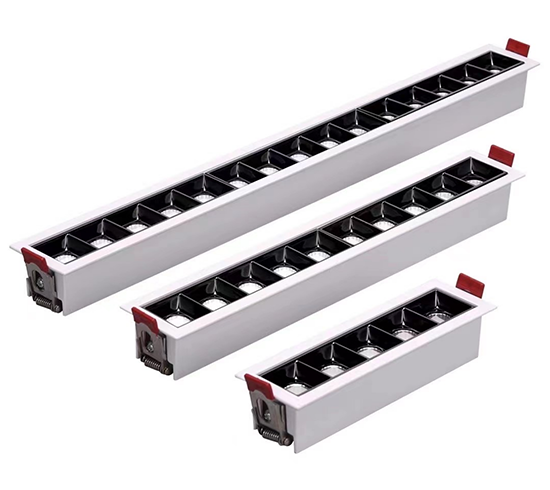
Making the decision to upgrade to led kitchen ceiling lights is one of the smartest upgrades for any home. This change delivers immediate savings and eliminates frequent bulb replacements. Modern led lighting from top led light manufacturers offers unmatched design flexibility with countless led light fixtures.
A quality LED Ceiling Light Manufacturer ensures every led ceiling light provides brighter, higher-quality lighting. This makes the kitchen safer and more functional.
These superior led lights transform the kitchen. The new lights are a vast improvement over old lights, enhancing the entire kitchen. This led technology makes all kitchen lighting better.
Slash Your Bills: The Financial Case for an LED Upgrade
An upgrade to LED kitchen ceiling lights offers a compelling financial return. Homeowners see immediate savings on bills and long-term value from reduced maintenance. This section explores the significant cost benefits of making the switch.
Lower Your Monthly Electric Bill
One of the most attractive benefits of LED lighting is its direct impact on household expenses. The technology behind these modern lights is designed for maximum efficiency, translating directly into lower power use and substantial savings.
How LED Technology Reduces Energy Use
LED technology fundamentally changes how light is produced. Unlike traditional bulbs that generate light by heating a filament, LEDs create light through a semiconductor process. This method is far more effective. LED bulbs consume only about 20-25% of the energy an incandescent bulb needs to produce the same amount of light. This superior energy efficiency means less electricity is wasted as heat, allowing the majority of the power to become visible illumination for your kitchen. This efficiency is the primary driver behind the significant reduction in energy costs.
Calculating Your Annual Savings
The financial benefits become clear when calculating annual savings. Consider a kitchen that uses its lights for five hours per day. A single 60-watt incandescent bulb will consume 109.5 kilowatt-hours (kWh) per year. An equivalent LED bulb, using only 10 watts, consumes just 18.25 kWh. At an average electricity rate of $0.17 per kWh, the incandescent bulb costs $18.62 annually, while the LED costs only $3.10.
Tip: Multiplying this saving across all the lights in a kitchen reveals substantial annual savings on bills. A kitchen with five bulbs could save over $75 each year just by switching to LED lighting.
The Power of Longevity: Stop Buying Bulbs
Beyond energy savings, the extended lifespan of LED lights provides another layer of financial advantage. The durability of an LED ceiling light means homeowners spend less time and money on replacements.
LED Lifespan vs. Traditional Bulbs
The difference in lifespan between LED and older lighting technologies is staggering. An LED bulb boasts a longer useful life, often lasting for 25,000 hours or more. This durability far surpasses that of other bulb types.
Light Bulb Type | Projected Lifespan (hours) |
|---|---|
LED | 25,000 |
CFL | 10,000 |
Incandescent | 1,200 |
This table illustrates that a single LED can outlast more than 20 incandescent bulbs, making it a truly long-term solution for kitchen lighting.
The True Cost of Frequent Replacements
The cost of frequent bulb replacements adds up quickly. While a single incandescent bulb may seem inexpensive, replacing it over 20 times to match one LED's lifespan is a significant hidden expense. A homeowner would need to purchase approximately 21 incandescent bulbs to equal the 25,000-hour lifespan of just one LED bulb. This cycle of purchasing, climbing ladders, and replacing burnt-out lights is eliminated with a durable LED ceiling light. The investment in quality LED lights for the kitchen pays for itself through both energy savings and the elimination of replacement costs.
Why an LED Ceiling Light Transforms Your Kitchen's Functionality
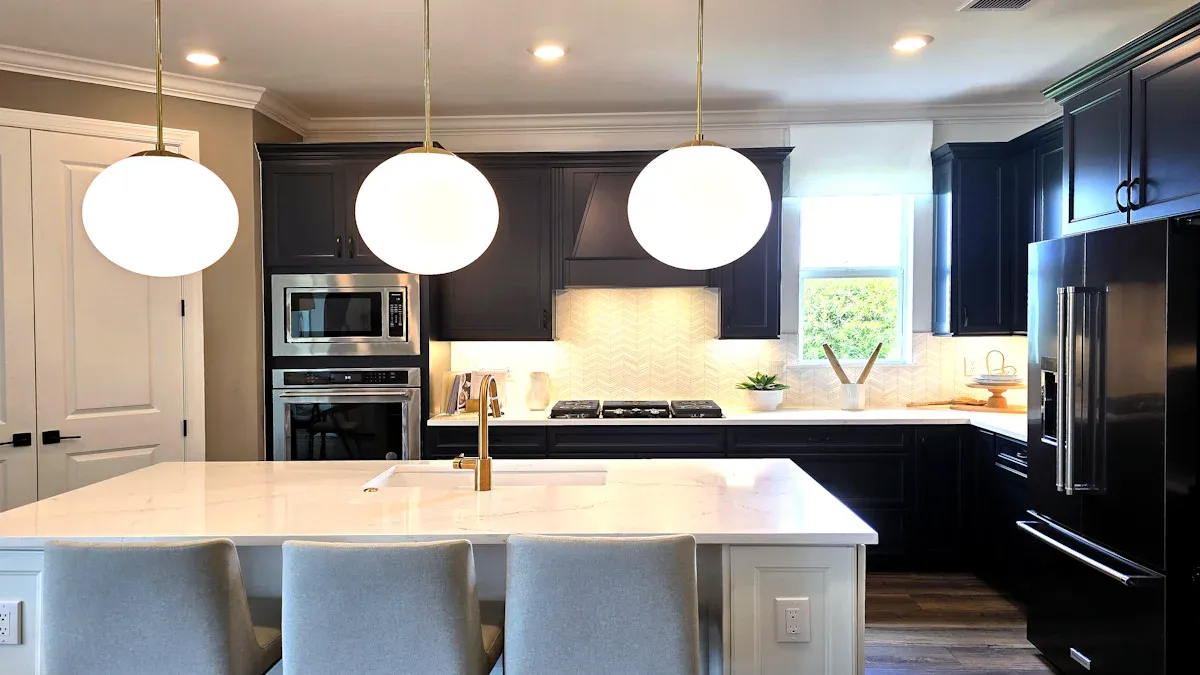
A modern kitchen demands more than just basic illumination; it requires versatile and effective lighting. An LED ceiling light upgrade dramatically enhances how the kitchen works. It provides superior brightness for tasks and offers flexible options for creating the perfect atmosphere, making the space safer and more enjoyable.
Achieve Brighter, Safer Task Lighting
Proper lighting is a critical component of kitchen safety. Bright, high-quality LED lights reduce the risk of common household accidents by improving visibility where it matters most.
Improving Visibility for Cooking and Prep
Clear visibility is essential for safe food preparation. An LED ceiling light provides the bright, focused illumination needed to prevent accidents like cuts, spills, and burns. Inadequate lighting can cause a person to misjudge distances or miss a hazard on the counter. Strategic kitchen lighting ensures every workspace is well-lit.
Under-cabinet LED lights illuminate countertops, reducing the risk of cutting injuries.
Bright lights directly above the stove help monitor food, preventing dangerous boil-overs.
Good lighting helps people spot spills on the floor for immediate cleanup, preventing falls.
For optimal safety and function, lighting levels should be tailored to specific areas of the kitchen.
Kitchen Area | Recommended Foot-candles |
|---|---|
Stove | 70-80 |
Sink | 70-80 |
Note: While general ambient lighting in a kitchen may only need 800 lumens, task-specific areas like sinks and stoves benefit from much brighter, direct lighting.
Reducing Shadows and Eye Strain
Poorly placed lights create shadows that can hide dangers and cause eye strain. A well-designed LED lighting plan eliminates these issues. Modern fixtures distribute light evenly across the kitchen, reducing glare and dark spots. This is especially important for seniors, as age-related vision changes make them more susceptible to accidents caused by shadows or glare. Angling lights toward work areas from the room's edge is an effective strategy to achieve clear, comfortable visibility.
Create the Perfect Ambiance for Any Occasion
The kitchen is often the heart of the home, used for everything from cooking to homework to entertaining. LED technology provides the flexibility to adjust your kitchen's atmosphere for any activity.
The Flexibility of Dimmable LEDs
The ability to control brightness is a key advantage of an LED upgrade. A vast majority of new LED fixtures—around 75%—are designed with dimmable functionality. This feature allows homeowners to transition seamlessly from bright, full-power lighting for cooking to a softer, dimmer glow for a relaxed dinner. This control over intensity makes the kitchen a truly multi-functional space, ready for any event.
Using Correlated Color Temperature (CCT) for Mood
Beyond brightness, the color of the light itself plays a huge role in setting the mood. Measured in Kelvin (K), Correlated Color Temperature (CCT) determines if light appears warm or cool. A single LED ceiling light fixture can often provide multiple CCT options. Higher CCT values (above 4000K) produce a cool, bluish light that promotes alertness, making it ideal for task-oriented work. Lower values create a warm, yellowish glow perfect for relaxing.
CCT Range | Mood Created | Application in Kitchens |
|---|---|---|
~3000-4000 K | Warm to neutral-white; comfortable yet offers more clarity | Ideal for kitchens where warmth is desired but increased visibility is also needed. |
This ability to change the light's color transforms your kitchen lighting from a simple utility into a dynamic design element.
Modernize Your Kitchen with Sleek LED Lighting Designs
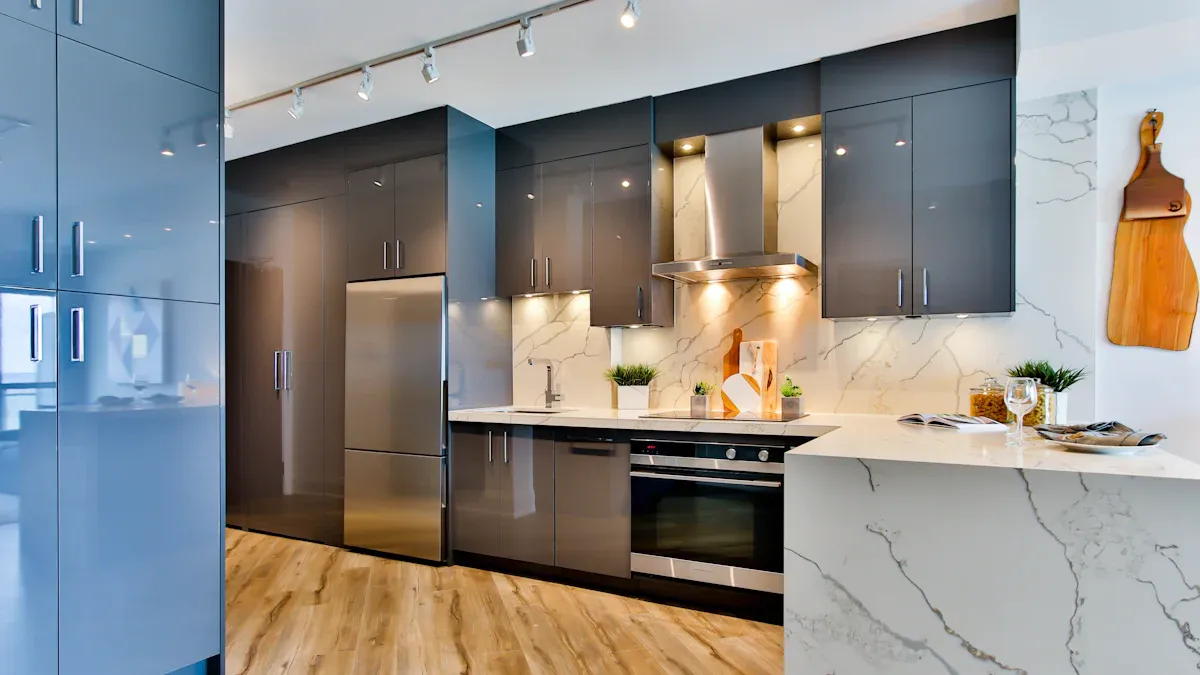
Upgrading to led lighting does more than improve function; it offers a chance to redefine your kitchen's aesthetic. Modern led fixtures come in a vast array of styles, allowing homeowners to express their personality and create a contemporary space. From minimalist designs to bold statement pieces, the right lighting can transform the entire room.
Find the Perfect Fixture for Your Style
Choosing a new led ceiling light provides an opportunity to align your lighting with your home's decor. Current trends embrace a mix of materials, shapes, and finishes, ensuring there is a perfect option for every kitchen.
Low-Profile Flush Mounts for a Clean Look
For homeowners who prefer a minimalist and uncluttered look, low-profile flush mounts are an excellent choice. These fixtures sit directly against the ceiling, providing ample illumination without occupying visual space. Recessed or can lighting is another popular option for achieving a sleek, modern kitchen. These lights are installed directly into the ceiling, creating a seamless appearance that makes the room feel larger and more open. This style of lighting is perfect for kitchens with low ceilings or for those who want the focus to remain on other design elements like cabinetry or countertops.
Modern Pendants and Track Lighting
Pendants and track lights serve as both a light source and a decorative focal point. These fixtures add character and dimension to a kitchen. Current design trends include:
Sculptural Pieces: Fixtures with strong brass tones or carved shapes act as functional art.
Curved Silhouettes: Gentle curves offer a softer, more traditional look than harsh straight lines.
Mixed Finishes: Combining materials like black and gold adds depth and visual interest.
Natural Materials: Incorporating wood, rattan, or leather brings warmth and texture to the kitchen.
These stylish lights can be positioned over an island or sink to provide targeted task lighting while making a powerful design statement.
The Advantage of Integrated LED Fixtures
Many modern fixtures feature integrated led technology, which offers unique benefits over traditional bulb-based systems. These all-in-one designs represent the next step in lighting convenience and efficiency.
What Are Integrated LEDs?
An integrated led fixture is a complete, self-contained unit. The led technology is built directly into the fixture itself, so there is no need to purchase or install separate bulbs. These "plug and play" lights are designed for simple and quick installation, offering a streamlined solution for any kitchen lighting project.
Benefits of All-in-One Fixture Designs
Integrated led fixtures provide significant advantages in terms of longevity and maintenance. Since the lights are part of the fixture, a homeowner never has to change a bulb. This eliminates the recurring cost and hassle of buying replacements. These fixtures also boast an exceptionally long lifespan.
Fixture Type | Typical Lifespan |
|---|---|
Integrated LED | 30,000 - 50,000+ hours |
Replaceable LED Bulbs | 10,000 - 25,000 hours |
An integrated led ceiling light can last for 10 to 15 years under normal use. This durability, combined with reduced maintenance needs, makes it a smart, long-term investment for any modern kitchen.
Unlock Smart Home Convenience with Smart LEDs
Integrating smart led technology into the kitchen elevates convenience to a new level. A smart led ceiling light connects to a home's Wi-Fi network. This connection allows for remote control and automation, transforming how users interact with their kitchen lighting. This upgrade makes the kitchen a more intelligent and responsive space.
Control Your Lights from Anywhere
Smart led systems give homeowners complete control over their lighting from any location. This capability adds a layer of both convenience and security. A person can manage the lights in their kitchen whether they are in another room or away from home.
The Role of Smartphone Apps
Smartphone apps are the central command hub for smart lighting. Manufacturers like Govee offer dedicated apps to manage their smart led products. Other platforms provide comprehensive control over a home's entire smart ecosystem.
The Cync App, for example, allows users to manage their lights with precision. Key features include:
Enhanced personalization with precise color selection.
The ability to create custom schedules and scenes.
Remote access for controlling lighting from anywhere.
These apps put the full power of smart lighting directly into the user's hands.
Voice Control with Alexa, Google Assistant, and Siri
Voice commands offer a hands-free way to manage kitchen lights. This is especially useful when hands are full or messy from cooking. Pairing a smart led ceiling light with a voice assistant like Amazon Alexa, Google Assistant, or Apple's Siri enables simple, intuitive control. Users can issue direct commands to operate their lighting.
“OK Google, turn on the Kitchen lights.”
“Alexa, dim the kitchen lights to 50%.”
“Siri, turn off all the lights.”
This seamless integration makes adjusting the kitchen environment effortless.
Automate Your Kitchen Lighting
Automation is a core benefit of smart led lighting. Homeowners can set their lights to operate on a schedule or react to their presence. This "set it and forget it" functionality simplifies daily routines and enhances home security.
Setting Schedules and Timers
Scheduling allows users to program their lights to turn on or off at specific times. This feature is perfect for waking up to a gently lit kitchen or ensuring the lights are off at night. Schedules also serve as a powerful security tool. Homeowners can set lights to cycle on and off while they are away. This creates the appearance of an occupied home, which can deter potential burglars. Creating unique schedules for different days makes the pattern less predictable.
Motion Sensors for Hands-Free Operation
Motion sensors provide the ultimate hands-free convenience. A sensor can trigger the kitchen lights to turn on automatically when someone enters the room. The lights can then turn off after a period of inactivity. This is ideal for late-night trips to the kitchen for a glass of water. It also ensures that the lighting is never left on by mistake, adding another layer of energy savings to the smart led system.
How to Choose the Right LED Ceiling Light
Selecting the ideal led lighting for a kitchen involves more than just picking a style. A homeowner must decide between a simple upgrade or a full replacement and understand key technical specifications. This ensures the new lights meet both functional and aesthetic goals.
Simple Bulb Swap vs. New Fixture Installation
The first decision is whether to replace just the bulbs or the entire fixture. Each path offers distinct advantages depending on the existing setup and desired outcome for the kitchen.
When to Just Replace the Bulb
A simple bulb swap, or a Type B retrofit, is the fastest and most affordable way to upgrade to led technology. This approach is ideal when the current light fixtures are in good condition, are stylistically appropriate, and function without issue. A homeowner can gain significant energy efficiency with minimal disruption and lower upfront hardware costs. This makes it a great entry point into led lighting.
When a New Fixture is the Better Choice
A new fixture is the superior choice when the old one shows signs of failure. These warning signs indicate that a simple bulb swap is not enough.
Frequent Burnouts: Bulbs that burn out quickly suggest faulty wiring or sockets.
Audible Noises: Any buzzing or humming points to internal electrical problems.
Flickering Lights: Sporadic flickering often signals loose connections, which are a fire hazard.
Visible Damage: Discoloration, rust, or a loose trim means the fixture is compromised.
While a new led ceiling light has a higher initial cost, it provides the highest energy savings and a significantly longer lifespan. The following table compares the two options.
Feature | Type B Retrofit (Bulb Swap) | New Fixture |
|---|---|---|
Average Material Cost | $10-$20 | $40-$150 |
Labor Time | ~15 minutes | ~30 minutes |
Estimated Lifespan | 25,000 hours | 70,000 hours |
Investing in a new led ceiling light eliminates underlying electrical issues and provides modern, reliable performance for years.
Decoding Lumens and Color Temperature
Understanding brightness and color is crucial for selecting the perfect led ceiling light. These two metrics, lumens and Kelvin, determine how the lights will look and function in the kitchen.
Choosing the Right Brightness (Lumens)
Homeowners should focus on lumens, not watts, to determine brightness. Lumens measure the amount of light produced, while watts measure energy consumption. An led bulb produces far more lumens per watt than an incandescent bulb. This efficiency is a core benefit of modern kitchen lighting.
Tip: This chart shows how many watts an LED needs to produce the same brightness as an older incandescent bulb.
Lumens | LED (Watts) | Incandescent (Watts) |
|---|---|---|
800 | 13-20 | 75 |
1,200 | 18-30 | 100 |
1,600 | 22-40 | 130 |
Choosing lights with the right lumen output ensures every part of the kitchen is properly illuminated for safety and comfort.
Selecting the Best Color (Kelvin)
Color temperature, measured in Kelvin (K), defines the color appearance of the light. Lower Kelvin values (2700K) produce a warm, yellow glow similar to traditional bulbs, creating a cozy atmosphere. Higher values (5000K) produce a cool, bluish-white light that mimics daylight, which is excellent for task-oriented areas. For a versatile kitchen, a range between 3000K and 4000K offers a balance of comfortable warmth and clear visibility.
A Safer and Eco-Friendly Reason to Upgrade to LED Kitchen Ceiling Lights
An upgrade to led kitchen ceiling lights provides significant benefits beyond cost and aesthetics. This modern lighting technology enhances safety within the home and reduces a household's environmental impact. Homeowners can create a safer kitchen environment while making a responsible choice for the planet.
Reduce Fire Risk with Cool-to-the-Touch Technology
A primary safety advantage of led lighting is its remarkably low heat output. This characteristic drastically reduces the risk of fire compared to older lighting technologies, offering peace of mind for any kitchen.
How LEDs Minimize Heat Output
LED technology is fundamentally more efficient at producing light. Unlike incandescent bulbs that heat a filament until it glows, an led generates light through a semiconductor process. This method is far more effective at converting electricity directly into illumination.
LEDs operate with 80-90% efficiency, meaning most of the energy becomes light.
Incandescent bulbs are only 10-20% efficient, losing the vast majority of their energy as heat.
This superior efficiency means an led ceiling light remains much cooler during operation, making it safer for any kitchen application.
Heat Comparison: LED vs. Incandescent
The difference in operating temperature between these lights is substantial. An incandescent bulb becomes dangerously hot, posing a burn and fire risk if it touches flammable materials. The cooler temperature of led lights makes the kitchen a much safer space.
Light Bulb Type | Maximum Surface Temperature |
|---|---|
LED | 60°C - 100°C (140°F - 212°F) |
Incandescent | Up to 181°C (357°F) |
This lower heat output makes LED lights a secure choice, especially in busy kitchens where accidental contact is possible.
Protect Your Home and the Environment
Choosing LED lighting also protects the home from hazardous materials and benefits the broader environment. This technology offers a clean and sustainable solution for modern living.
The Danger of Mercury in CFL Bulbs
Many homes previously used Compact Fluorescent Lamps (CFLs) as an energy-saving alternative. However, these bulbs contain a toxic substance: mercury. A standard CFL bulb contains approximately 4 milligrams of mercury sealed within its glass tube. If a CFL breaks in the kitchen, it releases this hazardous material, requiring a complicated and careful cleanup process.
EPA Cleanup Warning for Broken CFLs:
Never use a vacuum or broom, as this will spread the mercury.
Never wash contaminated clothing, as it can pollute the washing machine.
Never pour mercury down a drain.
LED lights contain no mercury, completely eliminating this health risk from the home.
How LEDs Reduce Your Carbon Footprint
The exceptional energy efficiency of LED technology directly translates to a smaller carbon footprint. Because these lights use significantly less electricity, they reduce the overall energy demand from power plants. This decreased demand leads to lower emissions of greenhouse gases and other pollutants. By choosing efficient lighting, a homeowner actively reduces their household's environmental impact and contributes to a healthier planet.
An upgrade to led kitchen ceiling lights is a clear win for any kitchen. A new led ceiling light provides superior kitchen lighting, while smart led lighting offers modern convenience. The enhanced safety of a cool-running led ceiling light makes the kitchen a safer space. This choice also benefits the environment.
Homeowners can enjoy better lights and a modernized kitchen with this simple lighting change, transforming the entire kitchen experience.
FAQ
Are LED lights more expensive upfront?
Yes, LED bulbs and fixtures often have a higher initial purchase price. However, their superior energy efficiency and long lifespan create significant cost savings over time. The investment pays for itself through lower electricity bills and fewer replacements, making them a financially sound choice.
Can existing dimmer switches work with LED bulbs?
Not always. Many older dimmer switches are not compatible with modern LED technology and can cause flickering or buzzing. Homeowners should check for compatibility or install a new LED-compatible dimmer switch to ensure smooth, reliable performance.
How long do integrated LED fixtures really last?
Integrated LED fixtures have an impressive lifespan, often lasting between 30,000 and 50,000 hours. For a kitchen with average daily use, this can translate to 15 years or more of maintenance-free operation. This longevity is a key advantage of these all-in-one units.
What is the main benefit of smart LED lighting?
The primary benefit of smart LED lighting is convenience. Homeowners gain the ability to control their lights remotely through apps or voice commands. They can also automate lighting with schedules and motion sensors, creating a more responsive and efficient kitchen environment.
Is professional installation required for an LED upgrade?
A simple bulb swap does not require a professional. However, installing a new fixture involves electrical wiring. For safety and to ensure proper installation, hiring a qualified electrician is the recommended course of action for any new fixture installation.
Does an upgrade to led kitchen ceiling lights increase home value?
Yes, an upgrade to led kitchen ceiling lights can increase home value. Modern, energy-efficient lighting is an attractive feature for potential buyers. It signals that a home is well-maintained and updated, enhancing its overall appeal and marketability.