

Choosing the right color temperature is like adding the finishing touch to your home.
Light is the soul of a space. When discussing home lighting, color temperature is a crucial factor that cannot be ignored. Like a colorist for the space, it subtly influences our emotions, behavior, and even our circadian rhythms. Statistics show that people spend an average of over 20 hours indoors each day, and as the most frequently interacted environmental element, the importance of choosing the right color temperature for lighting is self-evident. Many people focus only on the appearance and brightness of light fixtures during renovation, neglecting the invisible protagonist of color temperature. The result is that expensive lighting fixtures fail to create the ideal atmosphere, significantly diminishing the living experience. Today, let's explore the mysteries of color temperature together and create a truly comfortable home lighting environment.
I. Understanding Color Temperature: The "Temperature" of Light and Emotional Expression
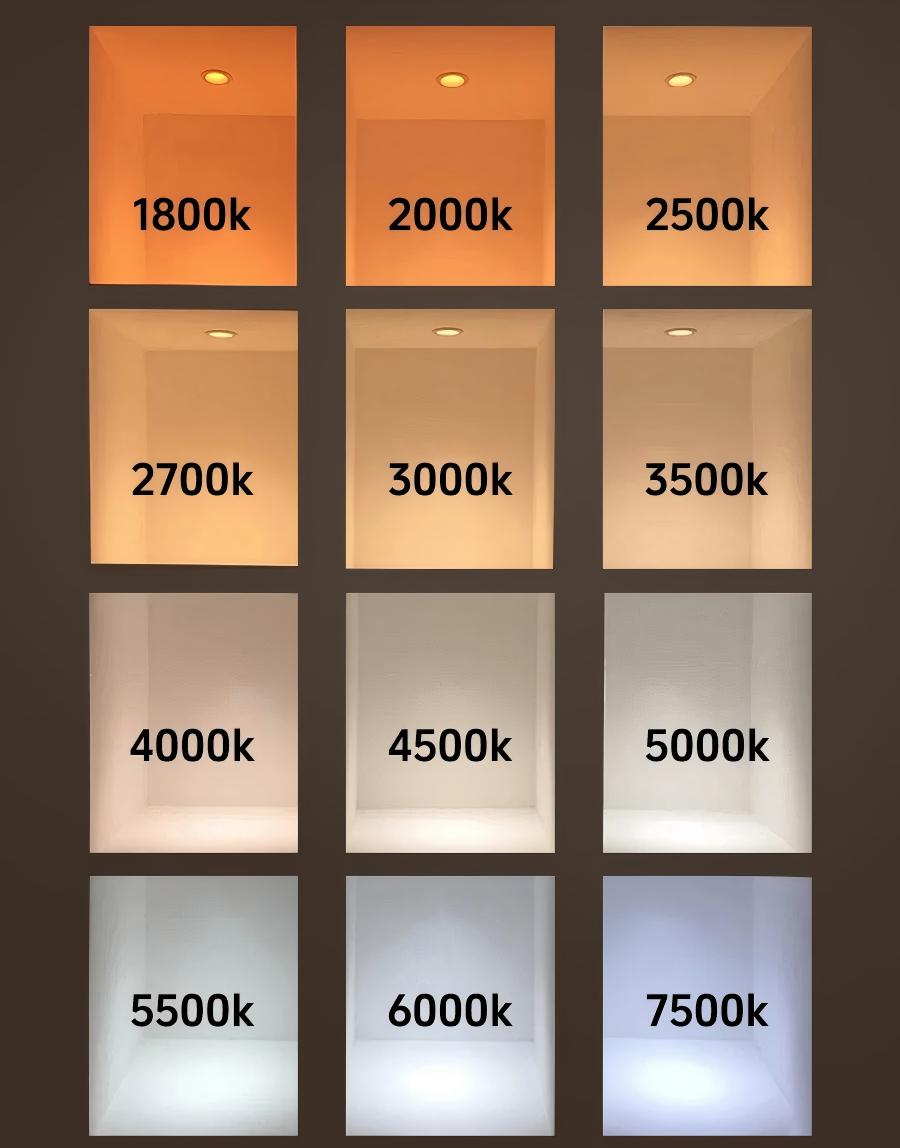
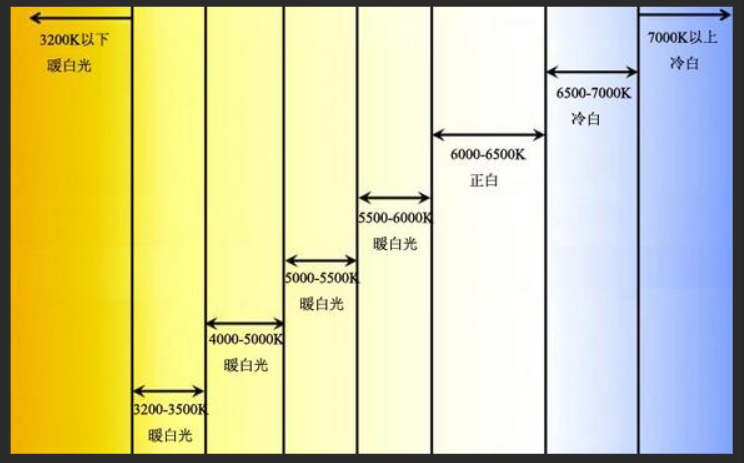
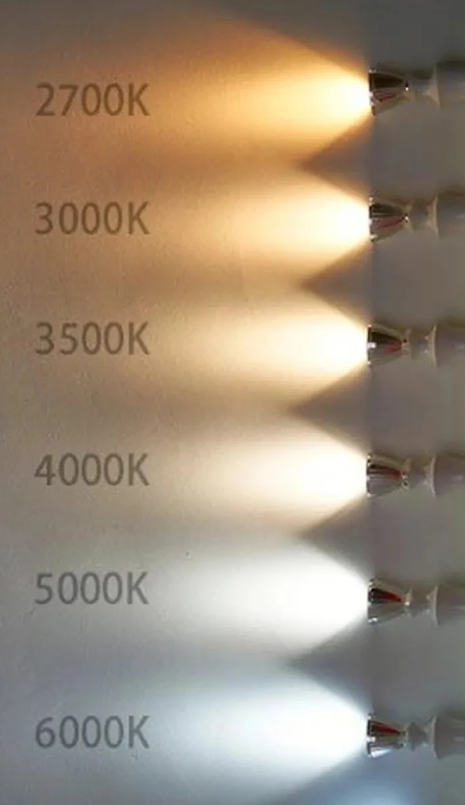
Color temperature is an indicator describing the color characteristics of a light source, measured in Kelvin (K).Simply put, color temperature refers to the color of light.
l The lower the color temperature, the warmer the light, leaning towards reddish-yellow; the higher the color temperature, the cooler the light, leaning towards bluish-white. In CIE standards, below 3300K is defined as warm color temperature, 3300K-5300K as neutral color temperature, and above 5300K as cool color temperature. Different color temperatures evoke drastically different psychological feelings. Low color temperatures (warm light) easily remind people of elements like flames and the sun, giving a feeling of warmth, relaxation, and safety, making it particularly suitable for expressing a warm and inviting atmosphere.
l High color temperatures (white light), on the other hand, easily remind people of the sea and blue sky, giving a feeling of calm and tranquility. It can easily excite people and improve concentration, but it can also lead to fatigue. Neutral color temperatures (natural light), falling between warm and cool, better reproduce the true colors of objects, bringing a sense of peace, comfort, and stability. From an evolutionary perspective, human perception of color temperature may be related to long-term lifestyle habits. The relaxation and sense of security that warm light brings may stem from the collective memory of our ancestors living around a fire—firelight signifies warmth, safety, and rest.
II. Bedroom: Creating a Warm Haven for Relaxation and Sleep
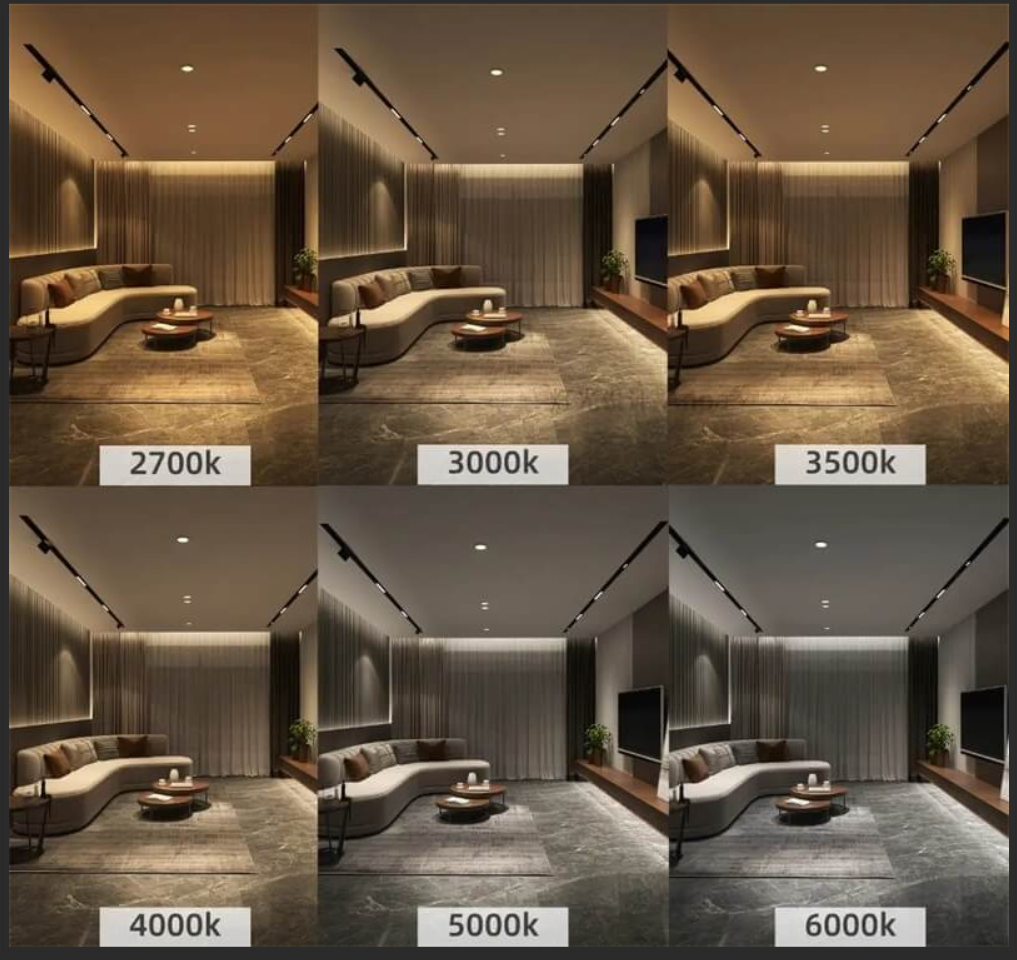
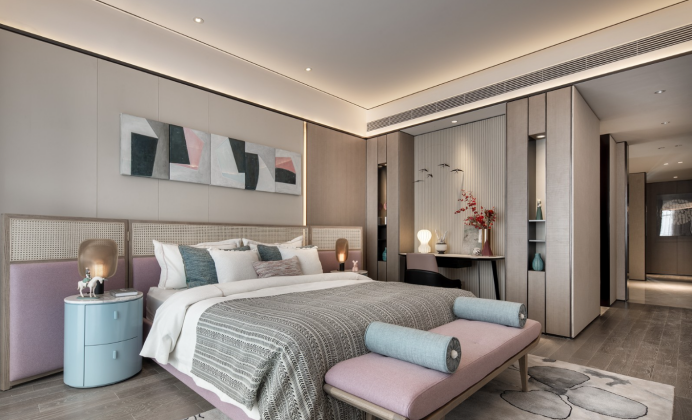
l The bedroom is a place for rest and rejuvenation, so lighting design should focus on relaxation and sleep aid. Therefore, a warm-toned light source of 2700K-3500K is recommended, with a color temperature range of 2700K-3000K being preferred.
l The lighting in the master bedroom requires careful planning: a bedside lamp with a color temperature of 2700K can provide soft, non-glaring illumination for reading before bed; the main light can use a color temperature of 3000K to ensure sufficient illumination when getting up at night without strongly suppressing melatonin secretion and affecting sleepiness. Research shows that low color temperature light helps promote the secretion of the sleep hormone melatonin, creating an ideal environment for high-quality sleep.
l The color temperature selection for children's rooms requires special consideration: warm white light of 3000K-3500K is more suitable. This color temperature provides sufficient brightness for children to play and learn without stimulating their developing visual system like cool white light. At the same time, it avoids using overly warm color temperatures that result in dim lighting, reducing the risk of bumps and falls. Bedroom lighting design should avoid direct light shining on the head of the bed, and should utilize diffused and indirect lighting methods as much as possible.
l Dimmable light fixtures are an ideal choice, allowing for flexible adjustment of brightness and color temperature according to different scenarios, meeting different needs such as reading and resting.
III. Living Room: Smart Lighting Solutions for Multifunctional Scenarios
As the central hub of family activities, living room lighting needs to meet diverse scenario needs—from family gatherings to individual relaxation, from festive celebrations to quiet movie watching.
l Neutral light of 3500K-4500K is recommended, with 4000K being the optimal choice. For daily activities, choose a 4000K color temperature for the main light to ensure a bright and comfortable space. When switching to movie watching or gatherings, 2700K light strips or wall lights can be turned on as background light, weakening the main light illumination and creating a warm atmosphere. This multi-layered lighting design cleverly balances functional and emotional needs.
l Living room lighting design can employ a combination strategy of "general lighting + local lighting." General lighting can be achieved through a main light system composed of pendant lights, ceiling lights, or recessed lights and spotlights; local lighting can utilize floor lamps, wall lamps, and light strips to meet specific functional needs. Using multiple light fixtures in combination significantly improves the controllability of the space's light source. Regarding the matching of home style and color temperature, modern and Scandinavian style living rooms are suitable for neutral light of 3500K-4000K;
l While Chinese or European classical styles can consider warm white light around 3000K to enhance a warm and elegant atmosphere.

IV. Dining Room: A Space for Enhancing Appetite and Emotional Communication
l The dining room is a place where family members share meals and exchange feelings; lighting design should focus on creating a pleasant and warm dining environment. From a psychological perspective, eating under warm-toned light makes people more hungry. The recommended color temperature range is 3000K-4000K, with 3500K being the ideal choice.
l It is particularly important to avoid cool white light above 5000K, as this type of light will make food appear grayish—steaks will look shriveled, vegetables will appear wilted, severely impacting appetite. A neutral color temperature (3000K-4000K) faithfully reproduces the natural colors of food while creating a comfortable dining atmosphere, making it a wise choice for restaurant lighting.
l The color rendering index (CRI) of the luminaire is especially crucial in the dining area. High CRI light sources (96 or higher recommended) will make food look more delicious. At the same time, the luminaire should be positioned to avoid shining directly into diners' eyes. The best approach is to use pendant lights with lampshades to create soft, downward-facing light that focuses on the food on the table.
V. Kitchen: Functional Lighting for Safety and Efficiency
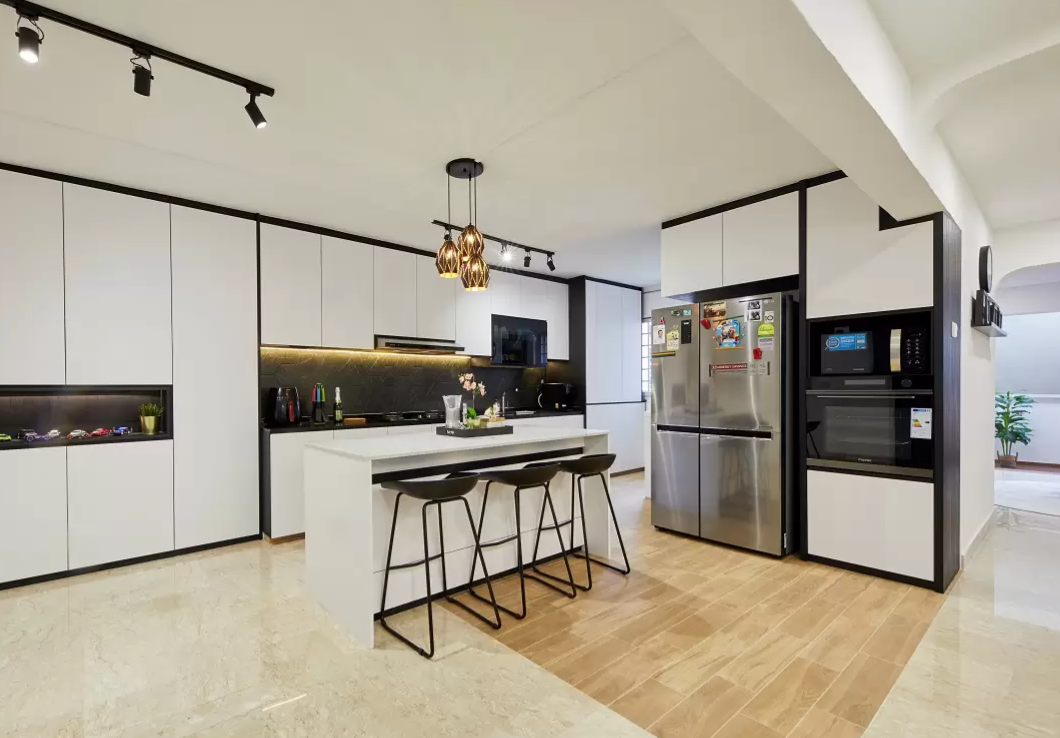
The kitchen is one of the most functional spaces in the home. A series of operations such as washing vegetables, chopping vegetables, cooking, and washing dishes all require sufficient and precise lighting support.
It is recommended to use neutral to cool light of 3500K-4000K to ensure operational safety and efficiency. Many families only install a single ceiling light in the center of the kitchen, which can cause shadows to be cast on the countertop by the user's body, posing a safety hazard. Combining general lighting with task lighting is key to kitchen lighting design. In particular, installing 3500K color temperature LED strips under the wall cabinets can directly illuminate the corners of the countertop, making operations such as chopping vegetables and washing dishes safer and more convenient. Kitchen light fixtures should also consider waterproof, dustproof, and easy-to-clean properties, especially in areas near the stove and sink.
At the same time, since kitchen operations are relatively concentrated, choosing energy-efficient and durable LED lights is a wise choice.
VI. Bathroom: A Clean, Comfortable, and Functional Private Space
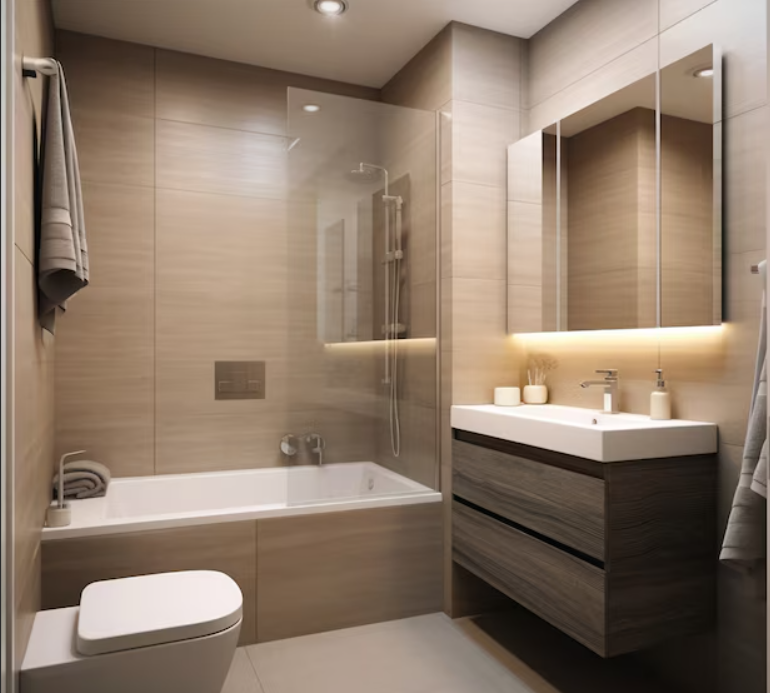
Although small, bathrooms have complex and diverse lighting needs: functions such as using the toilet, washing, applying makeup, and showering all require specific lighting. Neutral light with a color temperature of 4000K-4500K is recommended to create a clean and refreshing atmosphere.
Bathroom lighting design should avoid excessive brightness, as this can cause glare through reflections in the mirror. Localized lighting in the wash area is particularly important, as daily washing, makeup, and shaving all rely on good lighting. It is recommended to use a bright, soft, neutral light of around 4000K-5000K in the area in front of the mirror to ensure a more realistic reflection.
The lighting strategy for wet and dry areas is also crucial: Anti-fog downlights should be used in the shower area, with a color temperature consistent with the overall space. Avoid using 3000K warm light in damp areas, as this will exacerbate the feeling of dampness and darkness. Also, considering the high humidity in bathrooms, the moisture-proof rating of the light fixtures should not be overlooked.

VII. Study/Studio: A Workspace to Promote Focus and Thinking
The study is an important place for learning and working, requiring a quiet and calming atmosphere conducive to concentration. It is recommended to choose a neutral to cool light of 4000K-5000K, which is neither too warm (leading to relaxation) nor too cold (causing eye strain). For those who need to work or read at a desk for extended periods, in addition to general lighting, adding a desk lamp or floor lamp for localized lighting is essential. The reading area requires 300-500 lx of illuminance to ensure visual comfort.
Avoid using overly warm-colored lighting (below 3000K) in the study, as this type of light tends to be relaxing and not conducive to concentration. However, avoid using overly white, cool-colored light (above 5500K), as prolonged exposure to this light can easily lead to visual fatigue and decreased alertness.
Adjustable color temperature smart lighting fixtures are particularly useful in a study, allowing for flexible adjustments to lighting parameters based on different tasks—such as focused work, leisure reading, or computer use—enhancing the user experience.
VIII. Advanced Lighting Design Techniques and Common Misconceptions
The principle of consistent color temperature within a space is a core element of professional lighting design. Avoid using multiple significantly different color temperatures in the same functional area; otherwise, the human eye will be abnormally sensitive, making warm light appear yellowish and white light appear white, disrupting the overall sense of space. The color temperature difference between different light fixtures should ideally be controlled within 1000K. For example, a 4000K main light paired with a 3000K auxiliary light is an acceptable combination.
Successful home lighting requires balancing three key elements: color temperature, illuminance, and color rendering index (CRI). Illuminance refers to the brightness per unit area. Except for studies, homes generally don't require high illuminance; an overly bright environment can cause discomfort. The CRI measures a light source's ability to reproduce the true colors of objects and is particularly important in spaces like dining rooms and kitchens.
Modern lighting design emphasizes the principle of "comfort over brightness." Brighter isn't always better; lighting should be carefully designed according to the function of the space and individual needs. For example, bedroom lighting can adopt a "low-position" principle, placing the light source at a lower position and controlling the illuminance to help create a warm and comfortable sleeping environment.
Conclusion:
Core Principles for Creating an Ideal Home Lighting Environment
Ideal home lighting is a perfect combination of art and science.
By choosing the appropriate color temperature for different spaces, we can not only meet basic lighting needs but also create an atmosphere that matches function and emotion.
Remember these core principles:
Layered lighting: Consider a combination of general and task lighting in each space to meet the needs of different scenarios.
Function priority: Select the appropriate color temperature based on the main function of each area; bedrooms emphasize relaxation, studies emphasize focus.
Unified coordination: Keep the color temperature difference between various light fixtures in the same space within 1000K to avoid chaotic light colors.
Flexible and adjustable: When conditions permit, choose smart lighting fixtures with adjustable color temperature to adapt to different scenarios and moods. Choosing the right color temperature allows every corner of our home to radiate just the right amount of light and warmth. As designers often say, "Lighting is the cosmetic of a space; using it correctly can make a home look sophisticated, while using it incorrectly can make even the most expensive decoration look cheap." Master the secrets of color temperature so that every corner of your home is gently enveloped by the most suitable light.