

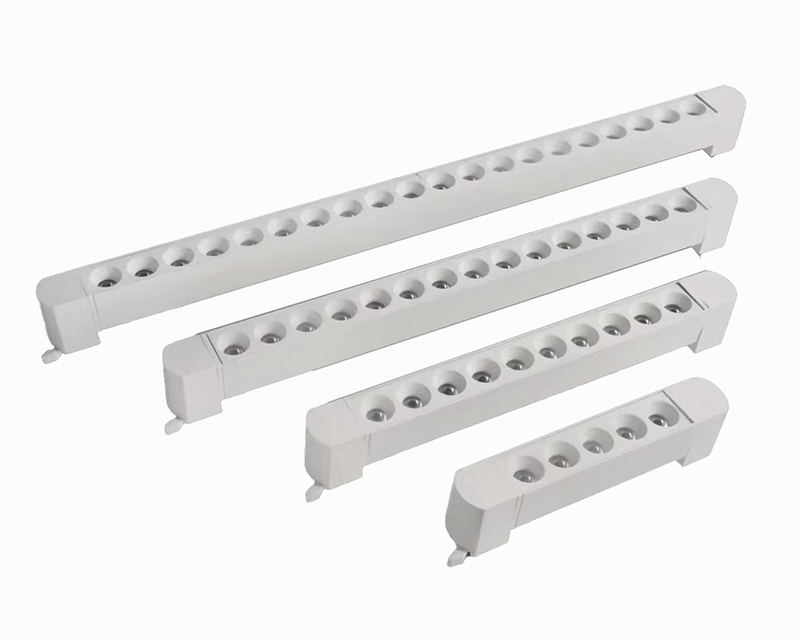
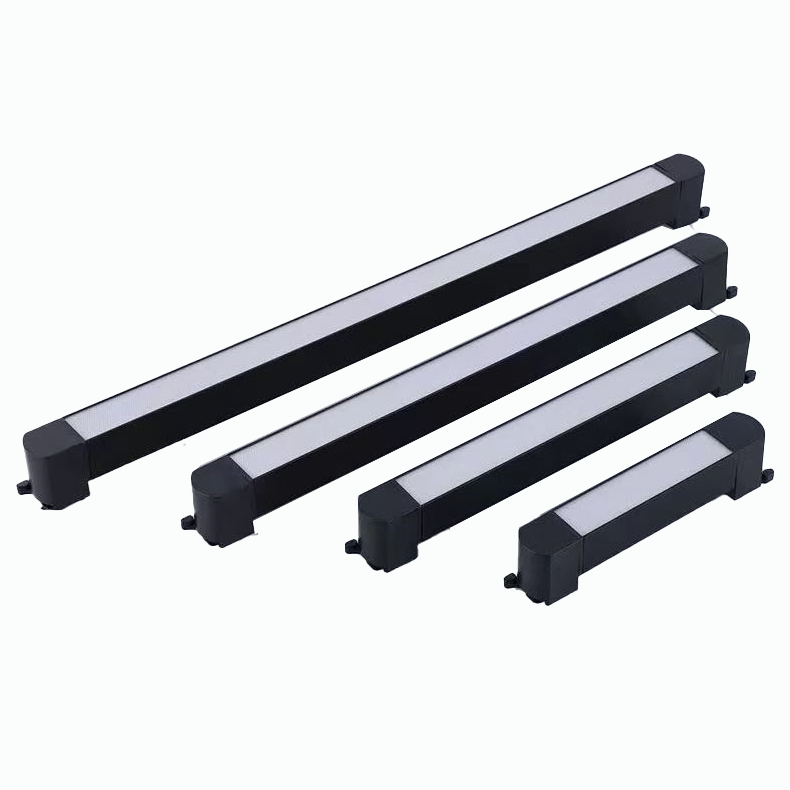
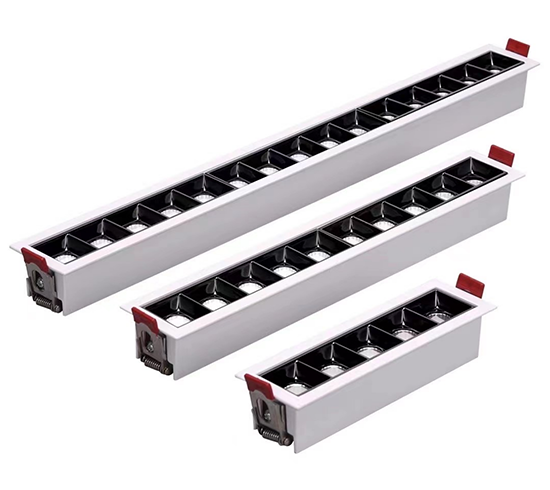
In modern home and commercial lighting, ceiling lights have become a common choice for spatial lighting due to their simple design, easy installation, and even light distribution. However, faced with a dazzling array of products on the market, consumers are often confused between "standard ceiling lights" and "Tri-proof ceiling lights." These two seemingly similar light fixtures actually differ significantly in design philosophy, performance focus, and application scenarios. Understanding these differences is crucial for making informed purchasing decisions.
I. Core Positioning: The Divide Between Basic Lighting and Special Protection
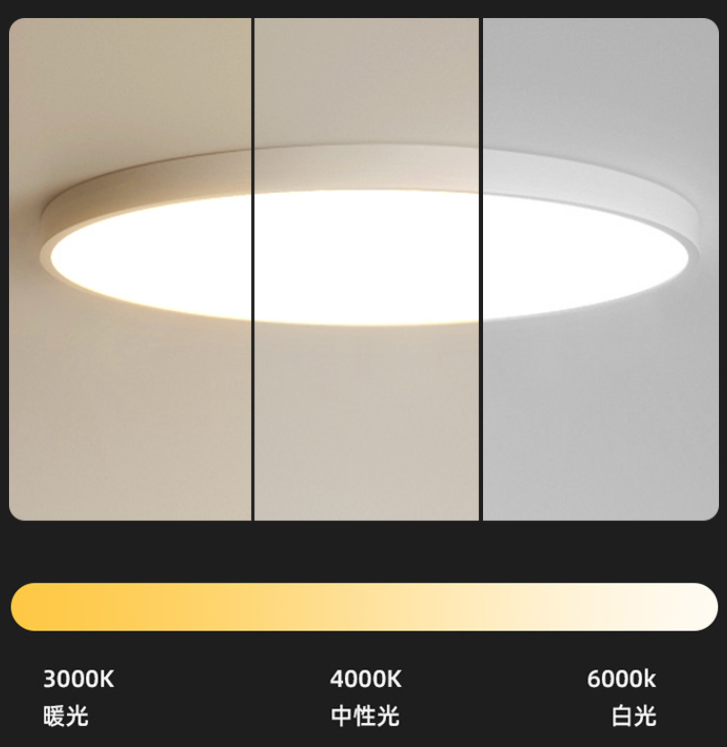
Standard ceiling lights, as the name suggests, primarily meet the basic lighting needs of a space. Their design aims to provide a wide, soft light, ensuring basic brightness in the indoor environment. Therefore, their structure is relatively simple, with core components including a light source (such as an LED module), a driver, a heat dissipation device, and a basic lampshade or cover. In terms of materials, most ceiling lights use ordinary plastic, acrylic, or metal. Their designs aim to blend seamlessly with home decor, offering high cost-effectiveness and making them a mainstream choice for living rooms, bedrooms, studies, and other typically dry and clean indoor environments.
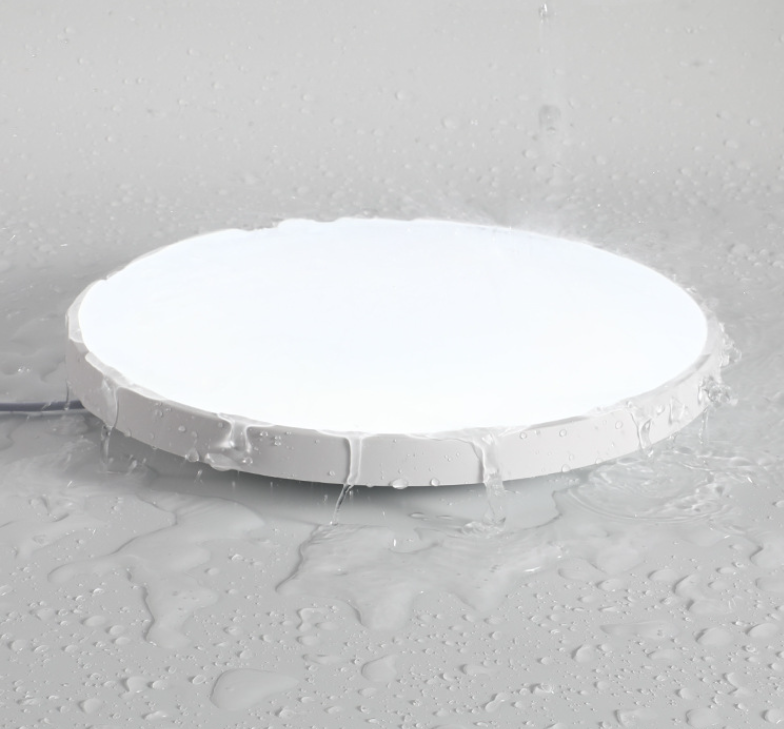
In contrast, tri-proof ceiling lights are given a more specialized mission. The "Trip-proof" aspect usually refers to moisture-proof, dust-proof, and corrosion-proof (in some specific scenarios, waterproof, dust-proof, and corrosion-proof may be emphasized, but the core is to withstand harsh environments). They are not merely designed for illumination but are protective lighting fixtures designed to operate stably in humid, dusty, or corrosive environments. Their value lies in their ability to withstand harsh environments.
II. Performance Differences: A "Hardcore" Upgrade in Structure and Materials
The core difference between the two lies in the technologies and materials used to achieve different goals:
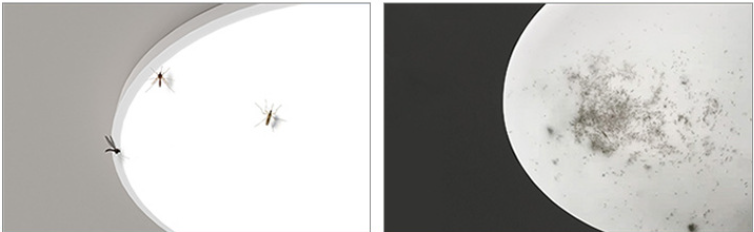
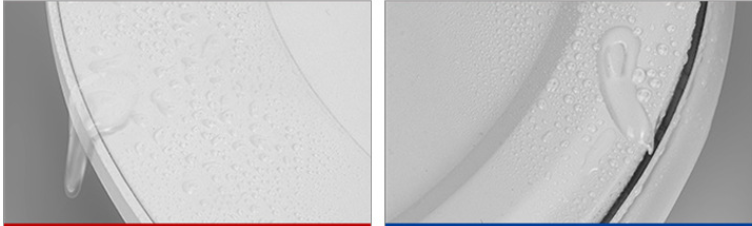
1. Sealing Performance: This is the most obvious difference. Ordinary ceiling lights typically only have basic clips or simple seals at the junction of the lamp body and the cover, making it difficult to prevent the intrusion of moisture and dust. Tri-proof ceiling lights employ a professional sealing structure, such as silicone sealing rings and threaded compression designs, to effectively isolate the internal structure from the external environment, achieving a high IP protection rating (such as IP44, IP54, or even higher), effectively preventing the penetration of moisture and dust.
2. Materials: Ordinary ceiling lights may use ordinary steel or plastic for the light body, which is prone to rusting and aging in humid environments over time. Tri-proof ceiling lights generally use materials with better corrosion resistance, such as stainless steel, engineering-grade PC (polycarbonate) covers, and tempered glass. These materials not only resist the corrosion of moisture and common chemicals but are also more resilient, making them far more durable than ordinary products.
3. Light Source and Electrical Configuration: Due to the harsh working environment, tri-proof ceiling lights have higher requirements for their internal LED light source and driver power supply, requiring better weather resistance and stability to ensure long lifespan and low light decay even under significant temperature and humidity variations. Ordinary ceiling lights have relatively less stringent requirements in this regard.
III. Application Scenarios: Clearly Defined Application Areas
The differences in performance directly determine the different application scenarios for the two types of lights:
Ordinary ceiling lights:Widely used in living rooms, bedrooms, dining rooms, and dry, clean indoor spaces such as offices and conference rooms. These environments do not have high requirements for the protective properties of the light fixtures; aesthetics, luminous efficiency, and cost are more important.
Tri-proof ceiling lights:A necessity for specific locations. For example:
Bathrooms and Toilet Rooms: To cope with the large amounts of water vapor generated during showers.
Kitchens:To withstand the invasion of oil fumes and moisture.
Basements and garages:Humid environments that may contain dust.
Warehouses and workshops:Dusty environments that may contain slightly corrosive gases.
Public corridors and stairwells:Require handling complex environmental conditions.
Food processing and pharmaceutical workshops:Strict requirements for hygiene and corrosion resistance.
Installing ordinary ceiling lights in these locations makes them highly susceptible to short circuits, accelerated damage to the light source, rusting of metal parts, and even safety accidents due to moisture or dust intrusion.
IV. Selection Guide: Choose According to Needs, Safety First
For consumers, choosing a ceiling light should not be based solely on price and style, but rather on assessing the installation environment.
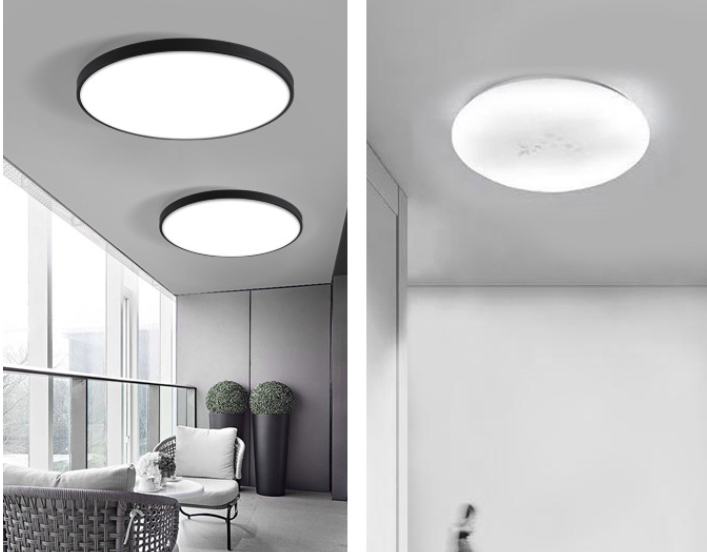
If you are choosing a light for a dry and clean bedroom or living room, an aesthetically pleasing and comfortable-lighting ordinary ceiling light is sufficient.
However, if you need lighting for a bathroom, kitchen, balcony, or basement, investing in a tri-proof ceiling light with the corresponding IP protection rating is a wiser and safer choice. Although its initial purchase cost may be slightly higher than that of an ordinary ceiling light, it is undoubtedly a more economical choice in terms of long-term durability, safety, and maintenance costs.
Industry experts point out that as consumers become more aware of quality of life and electrical safety, protective lighting fixtures are gradually penetrating the residential market from the industrial and commercial sectors. In the future, the lighting market will be further segmented, with specialized, high-performance lighting fixtures for different scenarios becoming the development trend.
Conclusion
Ordinary ceiling lights and tri-proof ceiling lights are like city sedans and SUVs—each has its own strengths. The former is a comfortable choice for daily commutes, while the latter provides reliable protection in complex road conditions. In the world of lighting, understanding environmental needs and product characteristics is crucial to illuminating the most suitable and safest light for every space.