

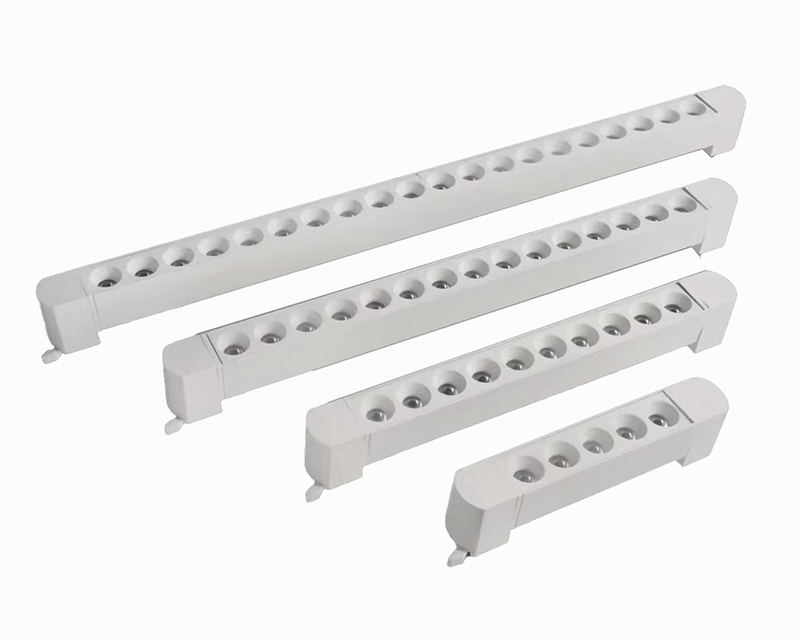
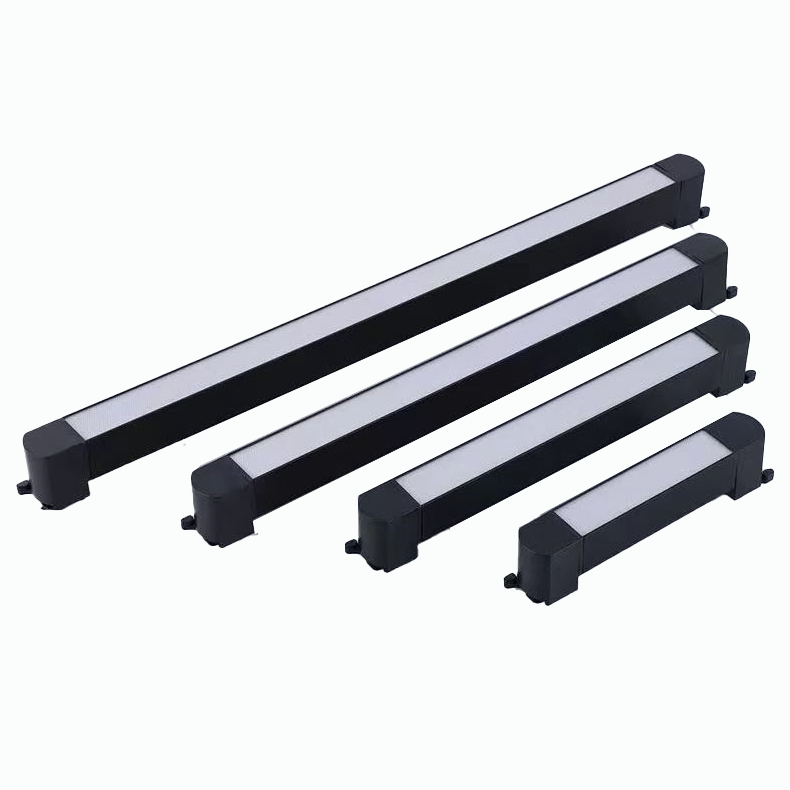
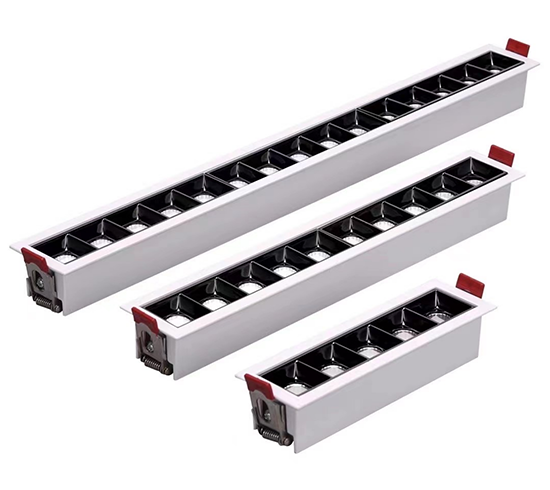
LED recessed ceiling lights are modern fixtures installed directly into a ceiling, offering superior aesthetics and a clean, streamlined look. These lights provide exceptional energy efficiency, which can significantly lower electricity bills. The lifespan of recessed lights is a major advantage; many LED lights last for tens of thousands of hours. An LED Ceiling Light from a quality LED Ceiling Light Manufacturer will outperform older technology. This makes recessed lighting a durable and versatile choice for any room.
Light Source Longevity: LED vs. Halogen
Bulb Type | Average Life Expectancy |
|---|---|
Halogen | 3,600 hours |
LED | 25,000 hours |
These advanced led light fixtures are produced by top led light manufacturers, ensuring reliable performance.
What is LED Recessed Lighting? The Basics Explained
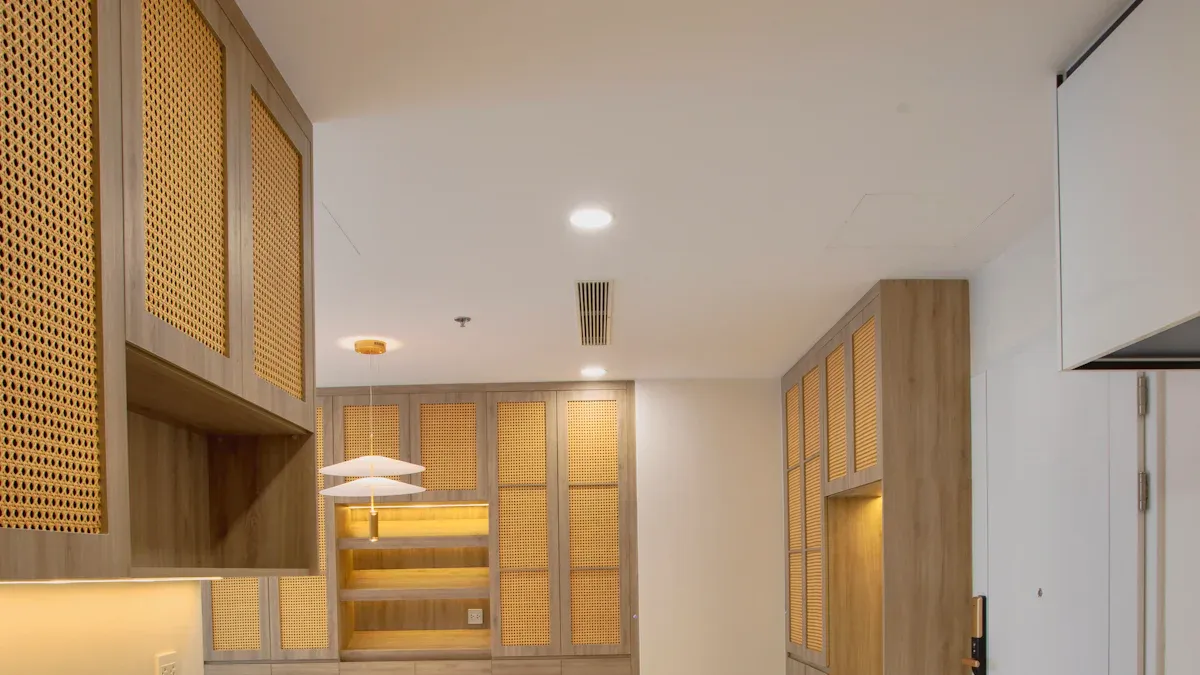
LED recessed lighting involves fixtures installed directly inside a ceiling. This creates a smooth, modern look without visible hardware hanging down. Understanding the fundamental parts and types of these lights helps in making an informed decision for any space.
Understanding the Core Components
Every recessed lighting fixture consists of three main parts. Each component serves a distinct purpose, contributing to the light's function and appearance.
The Housing: New Construction vs. Remodel
The housing is the main body of the fixture, installed above the ceiling. It contains all the electrical parts. Housings are typically made from aluminum or steel for durability. There are two primary types:
New Construction: These housings are larger and designed to be installed between ceiling joists before drywall is put up.
Remodel: These smaller housings are designed to fit through a hole cut in existing drywall, making them ideal for renovation projects.
The Trim: The Visible Part of Your Light
The trim is the visible portion of the recessed lighting fixture. It finishes the look and shapes the light. Trims come in many styles and finishes to match room aesthetics. Different types of trim can reduce glare, maximize brightness, or allow the light to be aimed at specific areas.
The Light Source: Integrated vs. Retrofit
The light source provides the illumination. Modern LED downlights offer two main options:
Integrated: The LED is built directly into the fixture. The entire unit is replaced at the end of its long life.
Retrofit: These are LED bulb-and-trim combinations designed to fit inside existing housings, making upgrades simple.
Canless vs. Can Lights: What's the Difference?
Homeowners can choose between two main structural types of recessed lights: traditional can lights and modern canless LED downlights.
Traditional Can Lights (Housing + Trim)
These fixtures use a separate housing (the "can") that is installed in the ceiling first. A separate trim and bulb are installed afterward. This design offers flexibility, as the bulb can be changed easily.
Modern Canless LED Lights (All-in-One)
Canless LED recessed ceiling lights are ultra-thin, all-in-one units. They do not require a separate housing. These fixtures clip directly into the drywall, making installation faster and easier, especially in areas with limited ceiling space.
Feature | Canless LED Lights | Traditional Can Lights |
|---|---|---|
Structure | All-in-one unit with integrated LED | Separate housing, trim, and bulb |
Installation | Clips directly into ceiling drywall | Housing is secured to joists |
Space Needed | Minimal (as little as 1/2 inch) | Significant (6+ inches) |
Flexibility | Less flexible; entire unit is replaced | More flexible; bulb can be swapped |
Why Choose LED Recessed Lights Over Other Options?
LED recessed lights offer several distinct benefits over other lighting choices like track or pendant lights. Their design and technology provide superior performance and aesthetics.
Unbeatable Energy Efficiency
LED technology provides exceptional energy efficiency. These lights use up to 75% less energy than traditional incandescent bulbs. This leads to significant savings on electricity bills over the life of the fixtures.
Superior Lifespan and Durability
LED recessed lighting is known for its incredible longevity. Many lights are rated to last for 25,000 to 50,000 hours. Their protected position inside the ceiling also minimizes wear and tear, adding to their durability.
Reduced Heat for Enhanced Safety
LEDs produce very little heat compared to older bulb types. This makes the recessed lights safer to operate, especially when installed near ceiling insulation. Many are IC-rated, meaning they are approved for direct contact with insulation.
Excellent Light Quality and Control
These lights provide clean, even illumination that enhances a room's appearance. The benefits of recessed lighting include versatility; they can provide ambient, task, or accent lighting. Many models are also dimmable, giving users full control over brightness and mood.
How to Choose the Perfect LED Recessed Ceiling Lights
Selecting the ideal led recessed ceiling lights involves more than just picking a fixture. Homeowners must consider size, trim style, and color temperature to achieve the desired function and aesthetics. A systematic approach ensures the final installation meets all lighting goals.
Step 1: Determine the Right Size for Your Space
The size of a recessed lighting fixture directly impacts its light output and visual presence. Choosing the correct size is fundamental to creating a balanced and well-lit environment.
Common Sizes: 4-Inch vs. 6-Inch Lights
The most common sizes for residential recessed lighting are 4-inch and 6-inch. Each offers distinct advantages. Six-inch lights have been a standard for general ambient lighting for many years due to their wide light spread. Four-inch lights, however, provide a more modern and targeted look.
Key benefits of 4-inch recessed lights include:
Modern Appearance: Their compact size offers a contemporary, less obtrusive look.
Versatile Trims: They provide more options for specialty trims like gimbals, making them ideal for accent and task lighting.
Space Enhancement: These smaller lights can create a wall-washing effect that makes a room feel larger.
Targeted Illumination: They excel at spotlighting artwork, furniture, or architectural features.
Four-inch led downlights are also an excellent choice for smaller areas like pantries and hallways or for task-specific zones such as over kitchen counters.
Sizing for Low vs. High Ceilings
Ceiling height is a critical factor in selecting the right size for recessed lights.
Low Ceilings (Under 9 feet): Smaller fixtures, like 4-inch lights, are better scaled for lower ceilings. They prevent the space from feeling cluttered while providing sufficient illumination.
High Ceilings (Over 9 feet): Larger fixtures, such as 6-inch or even 8-inch lights, are necessary to push enough light down to the floor. Using smaller lights in a tall space may result in dim, ineffective lighting.
Room-by-Room Sizing Recommendations
Different rooms have different lighting needs. A combination of sizes often produces the best results.
Kitchens: Use 6-inch lights for general ambient illumination and 4-inch lights over counters and islands for focused task lighting.
Living Rooms: A grid of 6-inch lights provides even ambient light, while 4-inch adjustable lights can highlight a fireplace or artwork.
Bedrooms: Four-inch or 6-inch lights work well for general lighting. Smaller 3-inch or 4-inch lights are perfect as focused reading lights above a bed.
Bathrooms: Use 4-inch wet-rated recessed lights for general lighting and a dedicated fixture over the vanity for tasks.
Step 2: Select the Best Trim Style for Your Needs
The trim is the visible part of the fixture that shapes the light and finishes the look. The right trim can reduce glare, maximize brightness, or direct light to a specific spot.
Baffle Trims for Reducing Glare
Baffle trims have a ribbed interior designed to absorb excess light and minimize glare. This creates a softer, more diffused illumination.
They produce a smooth, comfortable light suitable for areas used for reading or relaxing.
The ribbed design scatters light, contributing to a warm and inviting ambiance.
Their ability to soften brightness makes them a popular choice for living rooms and bedrooms.
Reflector Trims for Maximizing Brightness
Reflector trims feature a smooth, polished interior that acts like a mirror. This design maximizes the light output from the bulb.
They boost brightness by directing more light downwards into the room.
These trims are ideal for task lighting in kitchens and home offices where high visibility is essential.
Their durable construction ensures reliable performance and a long service life.
Adjustable and Gimbal Trims for Accent Lighting
Adjustable and gimbal trims allow the inner lamp to pivot and rotate. This provides precise control over the direction of the light beam.
Gimbal trims offer a wide range of motion, making them perfect for sloped ceilings or highlighting specific objects.
They can focus light on artwork, bookshelves, or architectural details to create dynamic visual interest.
In home theaters, they can direct light away from screens to enhance the viewing experience.
Wall Wash Trims for Highlighting Walls
Wall wash trims have a scoop-like reflector that directs light asymmetrically onto an adjacent vertical surface. This technique illuminates a wall evenly from top to bottom, making a room feel more open and spacious. These trims are excellent for highlighting textured walls, drapery, or a collection of photos.
Step 3: Pick the Right Color Temperature (Kelvin)
Color temperature determines the visual warmth or coolness of the light. Measured in Kelvin (K), it has a significant impact on a room's atmosphere and the mood of its occupants.
What is Color Temperature?
Color temperature describes the color appearance of a white light source. Lower Kelvin values produce a warm, amber-colored light, while higher Kelvin values produce a cool, bluish-white light.
The Psychology of Light The color of light can influence mood and perception. Studies show that cool white light tends to diminish the warmth of colors and can reduce positive mood compared to warm white light. Warm light is often described as more exciting and calming. Individual personality and the colors of indoor surfaces also play a role in how light is perceived.
Warm White (2700K-3000K) for Cozy Spaces
This color temperature range emits a soft, yellowish glow similar to traditional incandescent bulbs. It creates a cozy, inviting, and relaxing atmosphere. Warm white is the preferred choice for living rooms, dens, and bedrooms, where comfort is the primary goal.
Neutral White (3500K-4000K) for Active Areas
Neutral white light provides a clean and balanced look that is neither too yellow nor too blue. It promotes alertness and focus without being harsh. This makes it an excellent choice for active areas like kitchens, bathrooms, home offices, and laundry rooms where tasks are performed.
Cool White (5000K+) for Task-Oriented Zones
Cool white light appears crisp and bluish, mimicking natural daylight. This high-Kelvin light enhances concentration and visibility, making it ideal for highly task-oriented environments like garages, workshops, and commercial spaces. It can feel sterile in residential living areas.
The following chart and table summarize expert recommendations for various rooms.
Room Type | Recommended Kelvin Range | Primary Use |
|---|---|---|
Bedroom | 2450K - 3200K | Relaxation, Rest |
Bathroom | 3600K - 4200K | Grooming, Activity |
Home Office | 3700K - 5000K | Focus, Productivity |
Choosing the right combination of size, trim, and color for your led downlights ensures the final recessed lighting installation is both beautiful and functional.
Step 4: Understand Brightness (Lumens)
After choosing the size, trim, and color temperature, the final critical element to consider is brightness. The brightness of a light fixture is measured in lumens, and selecting the correct level is essential for creating a functional and comfortable space.
What Are Lumens and Why Do They Matter?
Lumens (lm) are the standard unit of measurement for the total amount of visible light produced by a source. Simply put, the higher the lumen rating, the brighter the light will be. Homeowners often mistakenly associate watts with brightness, but watts measure energy consumption, not light output. With energy-efficient LEDs, a low wattage can produce a very high lumen output.
Understanding lumens is crucial because it allows for precise control over a room's illumination level. Choosing lights with the appropriate lumen output ensures a room is neither too dim for its intended activities nor uncomfortably glaring. It is the key to matching the light to the function of the space.
How Many Lumens Do You Need Per Room?
Calculating the right amount of light for a room is a straightforward process using the "lumen method." This professional approach ensures you get the exact level of illumination needed. The basic formula is:
Total Lumens = Room Square Footage × Foot-Candles
A foot-candle is a unit of illumination equal to one lumen per square foot. The required number of foot-candles varies depending on the room's purpose. The calculation involves three simple steps:
Determine the room's square footage. Multiply the length of the room by its width.
Establish the foot-candle requirement. Reference an IES (Illuminating Engineering Society) guide for recommended foot-candles based on room type.
Multiply the square footage by the foot-candle requirement. The result is the total lumens needed to properly light the entire room.
For example, a 100-square-foot living room that requires 20 foot-candles needs a total of 2,000 lumens (100 sq ft × 20 fc). These lumens can be distributed among several recessed lighting fixtures.
Beyond the Basics: Factors That Adjust Lumen Needs While the formula provides a great starting point, other factors can influence the total lumens required:
Ceiling Height: Taller ceilings demand more lumens to push adequate light down to the floor. The increase is exponential, so a 12-foot ceiling needs significantly more light than an 8-foot ceiling.
Wall Color: Dark-colored walls absorb light, requiring a higher lumen output to achieve the desired brightness. Light-colored walls reflect light, which can reduce the number of lumens needed.
Brightness for Ambient vs. Task Lighting
Different activities require different levels of brightness. A successful recessed lighting plan often layers various types of illumination, each with a distinct lumen output. The two primary categories are ambient and task lighting.
Ambient lighting provides overall, general illumination for a room. It creates a comfortable brightness level for moving around and relaxing. Task lighting, on the other hand, is more focused and intense. It illuminates specific areas where activities like cooking, reading, or grooming occur. Task-oriented lights need a much higher lumen output to ensure visibility and safety.
The recommended lumens per square foot differ significantly between these two applications.
Area | Recommended Lumens per sq ft | Lighting Type |
|---|---|---|
Living Room | 10-20 | Ambient |
Kitchen Island | 35-50 | Task |
A living room primarily needs soft, ambient light for relaxation, so fewer lumens per square foot are sufficient. A kitchen island, however, is a dedicated workspace. The higher lumen recommendation ensures that tasks like chopping vegetables are performed safely under bright, direct lights. By layering these different brightness levels, a homeowner can create a versatile and highly functional lighting design.
Planning Your Recessed Lighting Layout
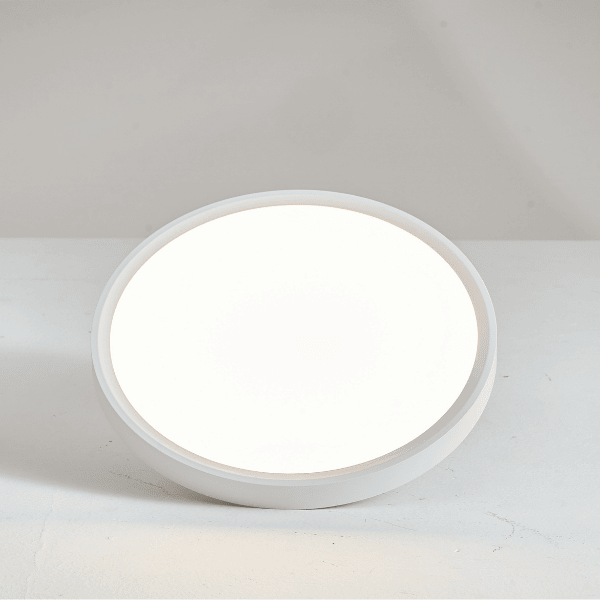
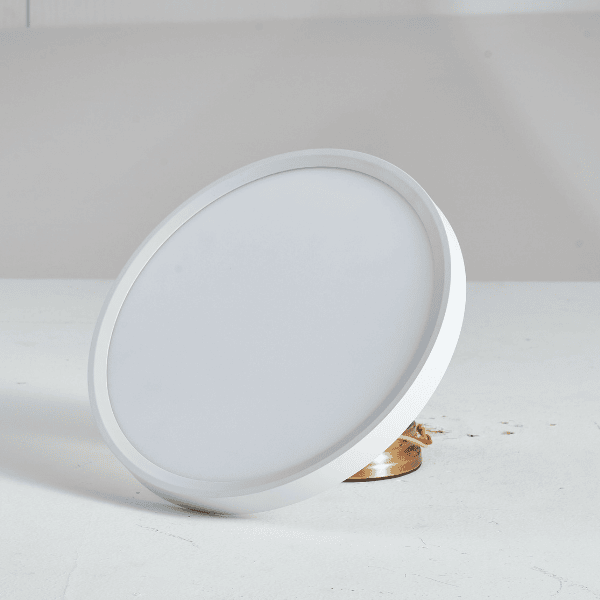
A successful recessed lighting installation begins with a solid plan. Proper planning ensures the final layout is functional, aesthetically pleasing, and perfectly suited to the room. Homeowners should first define their lighting goals before calculating spacing and the number of fixtures needed.
Start with a Goal: What Do You Want to Achieve?
Every lighting plan should serve a purpose. The function of the lights will dictate their type, placement, and brightness. Most comprehensive designs layer three types of lighting to create a versatile and inviting space.
General (Ambient) Lighting
General lighting provides overall illumination for a room. Its purpose is to create a comfortable level of brightness for safe navigation and general activities. This is the foundational layer of light in any space. A grid of wide-beam recessed lights creates an even wash of light, eliminating dark corners and making the room feel open and welcoming.
Task Lighting for Workspaces
Task lighting delivers focused, high-intensity illumination for specific activities. It reduces eye strain and improves safety in areas where precision is key. Homeowners place these lights directly over workspaces like kitchen counters, sinks, home office desks, or reading nooks. These task-oriented led downlights require higher lumen outputs than general lighting.
Accent Lighting for Focal Points
Accent lighting adds drama and visual interest to a room. It draws attention to architectural features, artwork, or decorative objects. Adjustable gimbal or wall wash trims are perfect for this purpose. These specialized fixtures can spotlight a fireplace, highlight a textured wall, or illuminate a prized painting, turning ordinary features into stunning focal points.
How to Correctly Space Your Recessed Lights
Correct spacing is the key to achieving balanced, professional-looking illumination. Improperly spaced lights can create distracting "hot spots" or gloomy shadows. Following a simple formula ensures the recessed lighting provides even coverage.
The Basic Spacing Formula Explained
Electricians use a standard rule of thumb for consistent light distribution. This method connects the placement of the lights to each other and to the walls.
The distance between individual light fixtures should be twice the distance from the wall to the first fixture.
A simple way to apply this is to divide the ceiling height by two. The result is a good starting point for the distance between each light. For an 8-foot ceiling, spacing the lights approximately 4 feet apart is effective.
Pro Tip: Space Criterion (SC) Professionals often reference a fixture's Space Criterion (SC) rating. This ratio indicates the maximum recommended distance between fixtures to ensure uniform illumination without dark patches. A higher SC rating means the lights can be spaced farther apart.
Achieving Even, Consistent Illumination
The goal of spacing is to create overlapping pools of light on the floor. This overlap eliminates shadows and ensures a smooth, even glow throughout the room. When planning a grid of lights, homeowners should apply the spacing formula to both the length and width of the room. This creates a balanced layout where every area receives adequate illumination.
How Far to Place Lights From Walls
Placing lights too close to walls can create harsh shadows or an unpleasant "scalloping" effect. Placing them too far away can leave the room's perimeter dark. A good general guideline is to position the first row of recessed lights between 1.5 and 3 feet away from the walls. The exact distance depends on the ceiling height and the light's beam angle.
Calculating How Many Lights You Need
Once a homeowner has a goal and understands spacing, the next step is to calculate the exact number of fixtures required. This calculation prevents over-lighting or under-lighting a room.
Step 1: Measure Your Room's Square Footage
The first step is to determine the size of the space. A homeowner can do this by multiplying the room's length by its width. For example, a room that is 12 feet long and 10 feet wide has a square footage of 120 square feet (12 ft × 10 ft).
Step 2: Determine Required Foot-Candles
A foot-candle is a unit of brightness equal to one lumen per square foot. The necessary number of foot-candles depends entirely on the room's function. Areas for relaxation need fewer foot-candles, while task-oriented zones need significantly more.
Room | Recommended Foot-candles |
|---|---|
Kitchen: General | 30-40 |
Kitchen: Stove | 70-80 |
Kitchen: Sink | 70-80 |
Hallway | 5-10 |
Bedroom | 10-20 |
Step 3: Calculate the Total Number of Fixtures
With the total lumens established, calculating the number of led downlights is a simple, two-step process.
First, determine the total required lumens for the space. Multiply the room's square footage by the recommended foot-candles. A 120-square-foot bedroom needing 20 foot-candles requires 2,400 total lumens (120 sq ft × 20 fc).
Next, divide the total required lumens by the lumen output of a single fixture. If each fixture provides 600 lumens, the room would need four lights (2,400 total lumens ÷ 600 lumens/fixture).
Important Considerations for Your Calculation Several factors can adjust the number of lights needed. Dark-colored walls absorb light, potentially doubling the required lumens. Personal preference also matters; individuals who prefer a brighter room might add 10-20% to their total lumen goal and use dimmers for flexibility.
Creating a Lighting Plan for Key Rooms
Applying lighting principles to specific rooms transforms a house into a home. A well-designed plan considers each room's unique function, size, and desired atmosphere. The following layouts provide a blueprint for success in the most important areas.
Kitchen Recessed Lighting Layouts
The kitchen is the heart of the home, demanding a versatile lighting plan that supports both tasks and ambiance. A layered approach is essential for a functional and beautiful kitchen. Homeowners should create a comprehensive plan that accounts for all light sources to avoid issues later.
For general illumination, a common strategy involves arranging recessed lighting in a grid.
Arrangement: Fixtures can be placed in two parallel lines or along the room's perimeter.
Spacing: A distance of 3 to 4 feet between each fixture typically provides even coverage.
Quantity: As a general rule, plan for 4 to 6 lights per 100 square feet of ceiling space.
Placement: Install fixtures at least 2 feet from walls or cabinets to prevent harsh shadows and light loss.
Pro Tip: Kitchen Color Temperature A color temperature between 3000K and 3500K is ideal for kitchens. This range provides a crisp, clean light that renders colors accurately, which is perfect for food preparation.
To avoid common pitfalls, homeowners should be mindful of a few key details. Using too many lights can make a kitchen feel sterile, while too few can leave dangerous dark spots. It is also crucial to install compatible dimmer switches. Dimmers offer the flexibility to transition from bright task lighting to a soft, ambient glow, which is especially useful in open-concept homes.
Living Room and Bedroom Layouts
Living rooms and bedrooms are spaces for relaxation, so the lighting should create a comfortable and inviting atmosphere. The goal is to produce a soft, even glow rather than intense, focused beams. A common mistake is creating a "runway" effect with a single line of lights down the middle of the room. A grid pattern provides much better overall illumination.
When planning the layout for these rooms, avoiding common errors is key to achieving a cozy feel.
Incorrect Spacing: Placing lights too close together makes a ceiling look cluttered. A good rule is to space fixtures at a distance equal to half the ceiling height. For an 8-foot ceiling, this means spacing the lights about 4 feet apart.
Poor Placement: Avoid placing lights directly over sofas, chairs, or beds. This can create uncomfortable glare for anyone sitting or lying down. Instead, focus on illuminating the room's perimeter and open floor areas.
Ignoring Dimmers: Not installing dimmable options is a significant oversight. Dimmers give users complete control over the room's brightness, allowing them to adjust the mood for any occasion.
Harsh Shadows: Position the first row of lights 2 to 3 feet from the walls. This placement prevents stark shadows and creates a pleasant wall-washing effect that can make the room feel larger.
Hallway and Bathroom Layouts
Hallways and bathrooms present unique lighting challenges due to their size and function. In hallways, the primary goal is safe navigation. A single row of 3-inch or 4-inch recessed lights spaced evenly down the center is usually sufficient. For a standard 8-foot ceiling, spacing them 4 to 6 feet apart provides a clear, well-lit path.
Bathrooms require a more layered approach. Because of the moisture, it is critical to use fixtures that are "wet-rated" or "damp-rated," especially in or near a shower.
General Lighting: One or two wet-rated recessed lights in the center of the room can provide adequate ambient light.
Task Lighting: The vanity is the primary task area. While a dedicated vanity fixture is best, a pair of small, focused recessed lights positioned on either side of the mirror can also work. This placement minimizes shadows on the face during grooming.
Shower Lighting: A single wet-rated fixture installed directly over the shower ensures safety and visibility.
By tailoring the recessed lighting plan to each room, a homeowner can create a cohesive and highly functional lighting design throughout the entire house.
Installation Basics for Your New LED Recessed Lights
Proper installation is crucial for the safety and performance of new recessed lights. While some homeowners may tackle the project, understanding the fundamental steps, tools, and safety measures is non-negotiable. This section provides a basic overview of the installation process.
Essential Tools and Safety Precautions
Preparation is the key to a successful installation. Gathering the right tools and prioritizing safety from the start prevents costly mistakes and ensures a secure outcome for your recessed lighting.
Must-Have Tools for Installation
A homeowner needs several specific tools for a DIY installation. Having these items ready streamlines the process.
Electrical tester (non-contact voltage detector)
Wire stripper and cutter
Screwdriver set
Tape measure and pencil
Stud finder
Safety First: Always Turn Off the Power
Electrical work is inherently dangerous. Safety must be the top priority. Before beginning any work, a homeowner must turn off the power to the corresponding circuit at the breaker box.
Critical Safety Check ⚠️ After switching off the breaker, always use a non-contact voltage tester on the existing wires. This action confirms that the power is completely off, preventing the risk of electric shock. Never work on wiring you assume is dead.
Checking for Obstructions in the Ceiling
Ceilings hide pipes, ducts, and structural joists. A stud finder helps locate these obstructions before cutting. Planning the placement of the lights to avoid these elements is essential for a smooth installation.
A Simplified Step-by-Step Installation Guide
This simplified step-by-step installation guide covers the basic process for modern canless LED lights. These all-in-one fixtures are popular for their straightforward installation.
Step 1: Mark and Cut the Holes
A homeowner should first mark the desired locations for the new lights on the ceiling. They will then use a drill and the appropriate hole saw to cut clean openings for the fixtures.
Step 2: Run and Connect the Electrical Wiring
Next, they run electrical cable to each hole. The wires inside the junction box of each fixture are then connected: black to black (hot), white to white (neutral), and the bare copper wire to the ground screw.
Step 3: Install the Housing and Secure the Fixture
With canless lights, the junction box and fixture are one unit. After making the connections, the homeowner pushes the junction box through the hole into the ceiling cavity.
Step 4: Connect and Install the Trim
The final step involves installing the fixtures. The homeowner pushes the spring-loaded clips on the side of the light upward, inserts the light into the ceiling hole, and releases the clips. The springs snap into place, pulling the fixture flush against the ceiling for a clean finish.
When Should You Hire a Professional Electrician?
While a DIY approach is possible, certain situations demand the expertise of a licensed electrician. Professional help ensures the recessed lights are installed safely and correctly.
If You're Unsure About Wiring
Homeowners who are unfamiliar or uncomfortable with electrical wiring should always hire a professional. Incorrect wiring is a serious fire hazard. An electrician can handle complex connections and ensure the system is up to code.
For New Construction Projects
New construction projects involve different requirements than remodel jobs. An electrician can work directly with builders to install the correct housings and run wiring before the drywall goes up.
When Installing Many Lights
Installing many lights involves calculating electrical loads to avoid overloading a circuit. An electrician has the knowledge to balance the load across multiple circuits, ensuring the entire system operates safely and efficiently.
Upgrades and Advanced Features for Your Lighting
Modern recessed lighting offers more than just basic illumination. Homeowners can enhance their systems with advanced features like dimmers, retrofit kits, and smart technology. These upgrades provide greater control, convenience, and customization for any space.
Adding Dimmers to Your LED Recessed Lighting
Dimmers are a simple yet powerful upgrade for any recessed lighting system. They allow users to adjust brightness levels to suit different activities and moods.
Benefits of Dimmable Lights
Dimmable lights offer significant advantages. They allow homeowners to create the perfect ambiance, from bright and functional to soft and relaxing. Lowering the brightness of the lights also reduces energy consumption, leading to lower electricity bills and extending the lifespan of the LED fixtures. This flexibility makes dimmable recessed lighting a valuable addition to any room.
How to Choose a Compatible LED Dimmer
Selecting the right dimmer is crucial for flicker-free performance. Not all dimmers work with LED technology. Homeowners must choose a dimmer specifically designed for LED lights.
Compatibility: The dimmer must be compatible with the low-wattage electrical load of LED products. An incompatible switch can cause poor performance.
Wattage Rating: The dimmer switch must be rated to handle the total wattage of all the lights it controls.
Internal Technology: Modern LED dimmers use Pulse-Width Modulation (PWM) to provide smooth, precise dimming without flickering.
Safety First When Installing Dimmers ⚠️ Always turn off power at the breaker before starting. Use a voltage tester to confirm the wires are not live. If unsure about the process, consulting a professional electrician is the safest option.
Retrofitting: The Easiest Way to Upgrade
Retrofitting is the simplest way to upgrade old, inefficient recessed fixtures to modern LED technology without a major renovation.
What is Retrofitting?
Retrofitting involves replacing the old bulb and trim of an existing can light with a new, all-in-one LED module. These kits are designed to fit directly into the old housing, making the upgrade quick and easy. This process instantly improves light quality and energy efficiency.
How to Retrofit an Existing Can Light
Upgrading to led recessed lights with a retrofit kit is a straightforward project.
Assess Existing Fixtures: A homeowner should first turn off the power and remove the old trim. They need to inspect the housing, note its size (e.g., 4-inch or 6-inch), and check if it is IC-rated for contact with insulation.
Select the Right Kit: Next, they choose an LED retrofit kit that matches the housing size. They should also consider the desired brightness (lumens) and color temperature (Kelvin) for the new lights.
Exploring Smart Recessed Lighting Options
Smart recessed lighting brings advanced control and automation into the home. These systems connect to a home's Wi-Fi network, enabling control via smartphones and voice assistants.
What is Tunable White Technology?
Tunable white technology is a key feature of many smart lights. It allows users to adjust the color temperature of their lights from a warm, cozy white to a cool, energizing daylight. This feature supports the body's natural circadian rhythm, using warm tones for relaxation and cool tones to promote focus.
Controlling Lights with Apps and Voice Assistants
Smart lights offer unparalleled convenience. Homeowners can control their recessed lighting from anywhere using a dedicated smartphone app, such as the Smart Life App. Many systems also integrate with voice assistants like Amazon Alexa or Google Assistant, allowing for hands-free control of the lights.
Setting Schedules and Custom Scenes
Smart apps unlock powerful automation features. Users can create schedules to have their lights turn on, off, or change color temperature automatically throughout the day. For example, they can program warm lights in the morning and cool lights in the afternoon. They can also save custom presets, or "scenes," for specific activities like "Movie Night" or "Reading."
Homeowners can now confidently select the perfect led recessed ceiling lights. A successful project hinges on a few key steps:
Choose Wisely: Select the right size, color, and trim to match the room's function and aesthetics.
Plan Ahead: Create a layout to determine the spacing and number of recessed lights needed for your fixtures.
Prioritize Safety: Always turn off power at the breaker before beginning installation.
These led recessed ceiling lights provide modern aesthetics and significant energy savings. The new recessed lights and fixtures create a perfect ambiance for any space.
FAQ
What does an IC rating mean for recessed lights?
An IC (Insulation Contact) rating indicates a fixture is safe for direct contact with ceiling insulation. This rating prevents fire hazards by ensuring the light does not overheat. Homeowners should always choose IC-rated lights when insulation is present in the ceiling cavity.
Can homeowners install recessed lights on a sloped ceiling?
Yes, special fixtures accommodate sloped ceilings.
Gimbal Trims: These adjustable trims pivot to direct light straight down.
Sloped Ceiling Housings: These specialized housings are built at an angle for a perfect fit. Both options ensure proper illumination from an angled surface.
Is it okay to mix different sizes of recessed lights in one room?
Mixing sizes is a common and effective design strategy. A homeowner can use larger 6-inch lights for general ambient lighting and smaller 4-inch lights for focused task or accent lighting. This layered approach creates a highly functional and visually interesting space.
How long do integrated LED recessed lights really last?
Integrated LED fixtures have an exceptionally long lifespan. Most are rated for 25,000 to 50,000 hours of use. For a light used 5 hours per day, this translates to over 13 years of reliable performance before a replacement is needed.
Do all LED recessed lights need a dimmer?
No, dimmers are not required for operation. However, they are highly recommended for flexibility.
Dimmers allow users to adjust brightness for different activities, create ambiance, and save energy. A homeowner must pair the LED lights with a compatible LED dimmer switch to prevent flickering.
Can smart recessed lights work without Wi-Fi? 💡
Most smart lights can still function as standard lights without a Wi-Fi connection. A user can turn them on and off with the physical light switch. However, smart features like app control, scheduling, and voice commands will not be available until the connection is restored.