

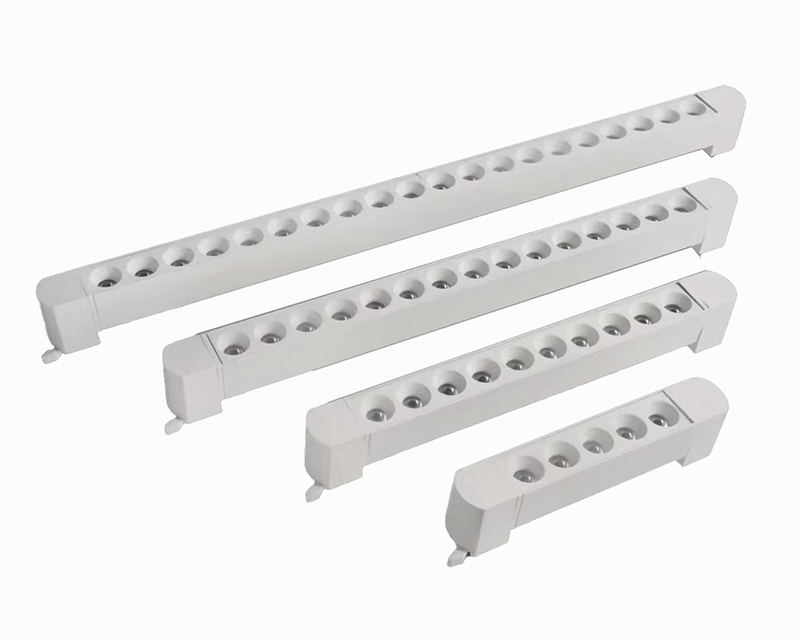
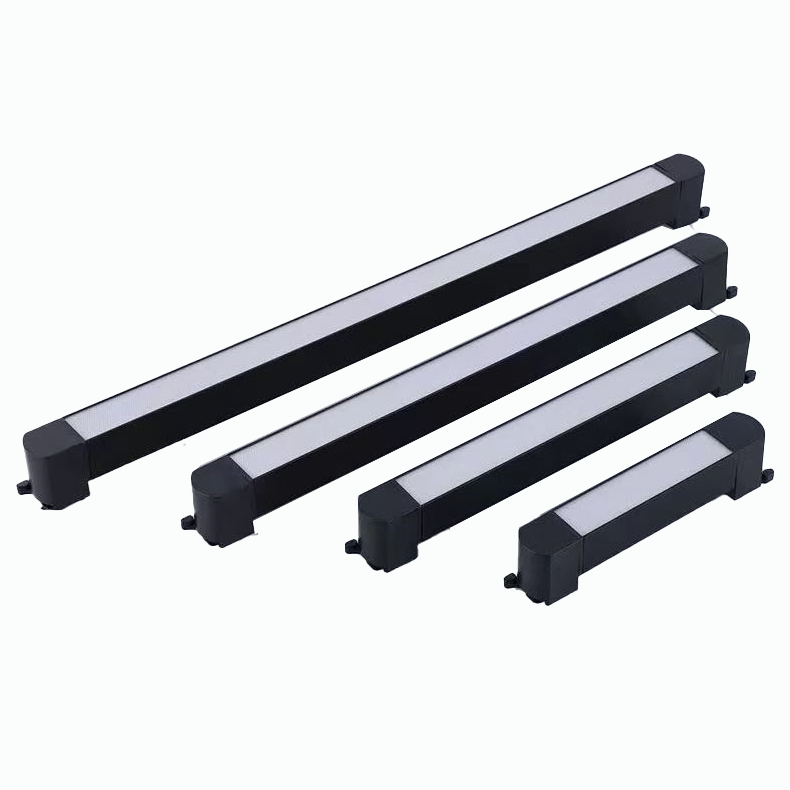
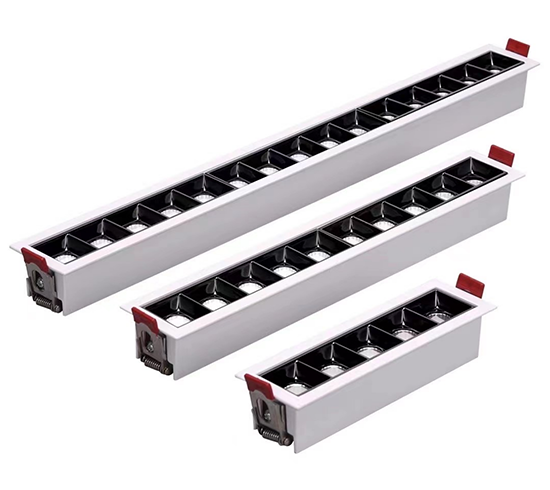
The led vs halogen debate for home lighting has a definitive frontrunner. Modern led technology demonstrates superior energy efficiency and safety, offering significant long-term cost savings compared to a halogen bulb. This high efficiency makes an LED Ceiling Light the superior choice for nearly any application. Homeowners can trust that reputable led light manufacturers, including any specialized LED Ceiling Light Manufacturer, produce reliable led light fixtures. These benefits establish LED as the clear winner for contemporary residential needs.
The Financial Impact: LED vs Halogen Costs
When evaluating the led vs halogen debate, the financial implications are a primary concern for homeowners. While halogen bulbs present a lower initial purchase price, LED technology delivers overwhelming long-term cost savings. A detailed analysis of upfront expenses, operational costs, and return on investment reveals a clear financial winner.
The Upfront Cost: Halogen's Only Small Advantage
The initial purchase price is the only area where halogen lighting holds a minor edge. This advantage, however, is often short-lived when considering the total cost of ownership.
Comparing Bulb Prices
A single halogen bulb is typically cheaper than a comparable LED bulb. A standard halogen recessed bulb might cost a few dollars, while its LED equivalent could be two to three times that price. This difference can seem significant if a homeowner needs to purchase many bulbs at once. However, this initial cost represents only a fraction of the total lifetime expense.
Comparing Fixture Prices
Similar to the bulbs, recessed lighting fixtures designed for halogen technology can sometimes be less expensive than integrated LED fixtures. Integrated LED fixtures combine the light source and the trim into a single unit. The price gap is narrowing quickly. Many modern fixtures are now designed to be compatible with both types of bulbs, neutralizing this small cost difference.
Long-Term Savings: Where LED Dominates
The long-term financial picture dramatically favors LED technology. The savings come from two main areas: significantly lower energy consumption and a drastically longer lifespan.
Calculating Your Energy Bill Savings
The superior energy efficiency of LED bulbs translates directly into lower electricity bills. A halogen bulb wastes a significant amount of energy by producing heat. An LED converts most of its energy into light. This efficiency gap creates substantial savings year after year.
Note: A typical 60-watt equivalent halogen bulb costs around $17.00 to operate annually, assuming 6 hours of use per day. In contrast, a 60-watt equivalent LED bulb costs only about $2.15 for the same period. This results in an annual cost savings of nearly $15.00 per bulb.
The Hidden Cost of Halogen Replacements
Halogen bulbs have a notoriously short lifespan, often failing after just 1,000 to 2,000 hours of use. This means homeowners replace them every one to two years under normal conditions. LED bulbs, on the other hand, can last up to 50,000 hours. This longevity eliminates the recurring cost and hassle of buying and replacing bulbs.
Over a decade, the cost of frequent halogen replacements adds up quickly. The following table illustrates the total cost of ownership for a single recessed light over 10 years.
Feature | Halogen (60W) | LED (8W Equivalent) |
|---|---|---|
Bulbs Needed (10 Years) | ~10-12 | 1 |
Total Bulb Cost | ~$30 | ~$8 |
Total Energy Cost | ~$130 | ~$17 |
Total 10-Year Cost | ~$160 | ~$25 |
Return on Investment (ROI) for LED Lighting
Investing in LED lighting is not an expense; it is a strategic upgrade that pays for itself. The combination of energy savings and avoided replacement costs ensures a fast and impressive return.
How Quickly Do LEDs Pay for Themselves?
The payback period for an LED upgrade is surprisingly short. While the exact timeframe depends on how many hours the lights are used each day, most homeowners recoup their initial investment well within a few years.
In high-use areas like kitchens and living rooms, the payback period can be as short as 6 to 12 months.
For whole-home retrofits, a typical payback period ranges from 2 to 4 years.
Once the initial cost is recovered, every subsequent day of use generates pure savings.
Lifetime Value of LED vs. Halogen
The lifetime value proposition for LED is undeniable. According to the Consumer Federation of America, the total cost to own and operate a single LED bulb over ten years is approximately $15.40. The same calculation for a halogen bulb comes to at least $61. When a home has dozens of recessed lights, the financial benefit of choosing LED multiplies into thousands of dollars saved over the life of the system. This makes the decision to choose an led a financially sound one for any homeowner.
Performance and Lifespan: A Generational Leap for LED
Beyond cost, the superior performance and longevity of LED technology represent a fundamental advancement over older lighting. The difference in how long the bulbs last and how well they withstand daily use is not incremental; it is a generational leap. This shift has profound implications for maintenance, convenience, and long-term reliability.
How Long Do They Really Last?
The rated lifespan of a light bulb is one of the most critical factors in its overall value. Here, the contrast between LED and halogen technology is stark, highlighting the impressive engineering behind modern lighting.
Understanding LED Lifespan (L70 Rating)
The lifespan of an LED is measured differently than that of a traditional bulb. Instead of burning out abruptly, an LED's light output slowly degrades over time. The industry standard for measuring this is the L70 rating, which indicates the number of hours a bulb will operate before its light output falls to 70% of its initial brightness. For most people, this gradual dimming is unnoticeable for many years. The long lifespan of led bulbs is a key advantage.
A Note on Longevity: A typical LED can last more than 40 times longer than a halogen counterpart. This means a single LED installation can provide consistent light for over a decade, even in high-use areas.
The operational hour ratings clearly illustrate this difference.
Lamp Type | Average Rated Hours |
|---|---|
LED | 25,000–50,000 |
Halogen | 2,000–3,000 |
Why Halogen Filaments Fail So Quickly
Halogen bulbs generate light by heating a delicate tungsten filament until it glows. This process creates intense heat and makes the filament extremely fragile.
Vibration and Shock: Everyday vibrations from footsteps or nearby doors closing can stress the filament, causing it to snap.
Heat Cycles: The constant cycle of heating up and cooling down weakens the filament over time, leading to inevitable failure.
This fragility means a homeowner might need to purchase and install up to 25 halogen bulbs to match the lifespan of a single LED bulb. This cycle of replacement creates recurring costs and frequent maintenance chores.
Durability and Construction
The physical construction of a light bulb directly affects its durability and resilience. The materials and design principles behind LED and halogen technologies are fundamentally different, making one far more robust than the other.
Solid-State LED vs. Fragile Halogen Glass
The core difference in durability comes from their basic construction. A halogen bulb is a delicate object, while an led is a resilient piece of modern electronics.
Halogen: These bulbs consist of a thin glass or quartz envelope containing a fragile tungsten filament and halogen gas. This glass can easily break if dropped and can even shatter if splashed with cold water while hot.
LED: These are solid-state devices. They have no filaments to break or glass tubes to shatter. Light is produced by semiconductors, which are encased in durable plastic and metal housings.
This solid-state design makes LED lighting inherently resistant to shock, vibration, and impact, whereas the delicate filament in a halogen is its primary point of failure.
Impact on Maintenance and Hassle
The superior durability of LED lights translates directly into less work for the homeowner. Installing recessed lighting, especially in high ceilings, can be a difficult task. The need to constantly replace failed halogen bulbs is a significant inconvenience. Because LEDs are so resilient and last for years, they eliminate this recurring chore. Homeowners can install them and enjoy reliable lighting for a decade or more without worrying about replacements, making them a true "set it and forget it" solution.
Efficiency and Brightness Explained
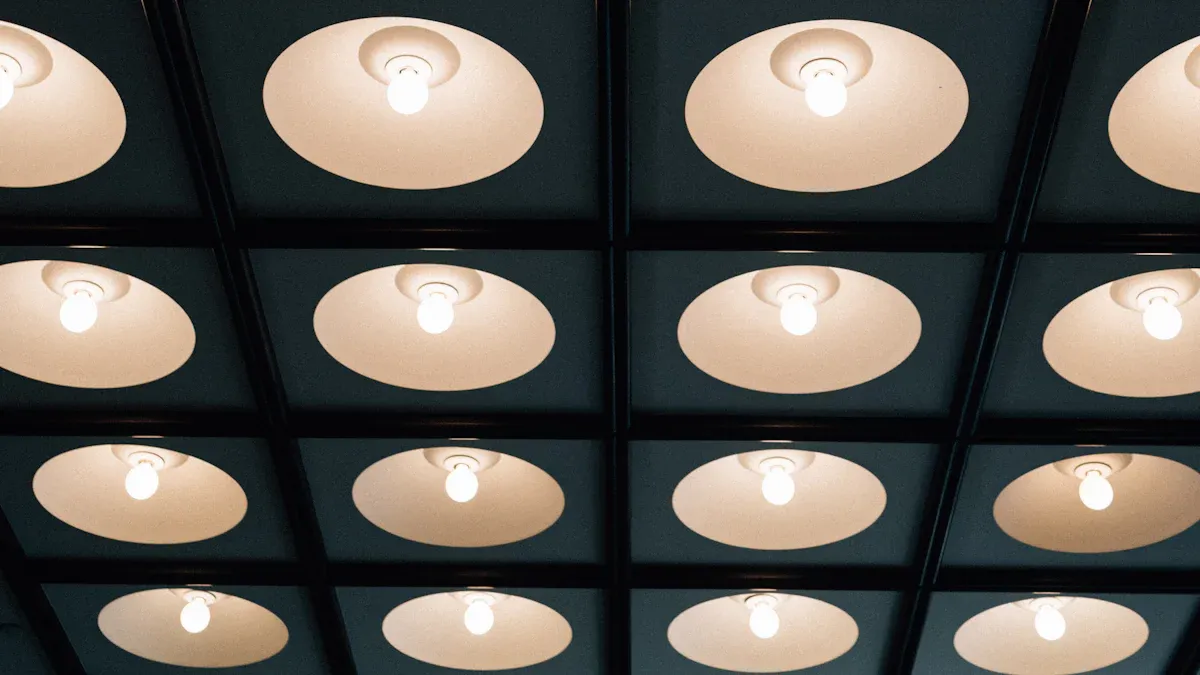
Understanding the efficiency and brightness of lighting technology is crucial for making an informed decision. The shift from halogen to LED technology requires a new way of thinking about how we measure light. This change highlights the superior performance of modern lighting solutions.
Lumens vs. Watts: A New Way to Think About Light
For decades, consumers associated watts with brightness. However, with the advent of high-efficiency lighting, lumens have become the correct metric for evaluating a bulb's output.
What Are Lumens?
Lumens (lm) are the measure of the total amount of visible light produced by a source. Simply put, the more lumens a bulb produces, the brighter it appears. This measurement is key to understanding a bulb's performance. The relationship between lumens and power consumption is called luminous efficacy.
Luminous Efficacy Explained 💡 Luminous efficacy quantifies how effectively a light source generates visible light. It is calculated by dividing the light output (lumens) by the power input (watts). The resulting unit is lumens per watt (lm/W). A higher lm/W value indicates greater energy efficiency.
Why Watts Are a Measure of Energy, Not Brightness
Watts measure the amount of energy a bulb uses, not how bright it is. With inefficient technologies like halogen, a higher wattage was needed to produce more light, creating a false correlation. Modern led bulbs, however, produce high lumen counts with very low wattage, breaking this old assumption. Focusing on watts alone overlooks the primary goal: producing light with minimal energy.
The LED Efficiency Gap in Action
The difference in efficiency between LED and halogen technology is not small; it is substantial. This gap has a direct and significant impact on a home's energy consumption and utility bills.
Example: 8W LED vs. 60W Halogen
A common 8-watt LED bulb can produce the same amount of light (around 800 lumens) as an old 60-watt halogen bulb. The LED achieves this by converting more energy into light and wasting very little as heat. The halogen, in contrast, wastes most of its energy as heat. This dramatic difference in efficiency is clear when comparing their lumens-per-watt ratings.
Bulb Type | Typical Lumens per Watt (lm/W) |
|---|---|
LED | 80-100 lm/W |
Halogen | 10-20 lm/W |
This table shows that an LED is roughly 5 to 8 times more efficient at converting energy into light.
How This Affects Your Home's Total Energy Load
Replacing multiple halogen bulbs with LEDs significantly reduces a home's total electrical load. Because LED lighting consumes over 50% less electricity than halogen lighting, the collective impact is substantial. A home with 20 recessed lights could reduce its lighting-related energy consumption by over 85%. This reduction not only lowers monthly electricity bills but also decreases the overall strain on the home's electrical system.
Safety First: The Critical Role of Heat Output
The heat generated by a light bulb is a critical safety consideration. Halogen technology produces extreme temperatures, creating significant risks that modern LED lighting effectively eliminates. This difference in thermal output affects everything from fire safety to home comfort.
How Hot Do Halogen and LED Bulbs Get?
The operational temperature difference between halogen and LED bulbs is immense. One operates like a small furnace, while the other remains cool and safe.
Halogen: A Miniature Heater
Halogen bulbs generate light by heating a tungsten filament to incredibly high temperatures. A 300W halogen bulb can reach approximately 970°F, and more powerful bulbs can exceed 1,200°F. This intense heat turns the fixture into a miniature heater. The U.S. Consumer Product Safety Commission has warned about these high temperatures.
They can easily ignite flammable materials like curtains, clothing, or paper upon contact.
Touching the glass with bare hands leaves oils that create hot spots, increasing the risk of the bulb shattering.
This extreme heat poses a constant fire hazard in any home.
LED: Cool to the Touch
In stark contrast, an led uses a semiconductor to produce light, a process called electroluminescence. This method is highly efficient and generates very little waste heat. While the internal components get warm, the exterior of the bulb remains cool enough to touch safely even after hours of operation. This cool operation is a fundamental safety advantage.
Fire Risk and Clearance Requirements
The heat from lighting directly influences building codes and installation requirements. Fixtures must be rated for their environment to prevent fires, especially in ceilings with insulation.
Insulation Contact (IC) Ratings Explained
Recessed light fixtures have an Insulation Contact (IC) rating. This rating determines if a fixture can be safely installed in direct contact with insulation.
Non-IC Rated Fixtures: These are common for older halogen setups. They require at least 3 inches of clearance from all insulation to allow heat to dissipate. Failure to maintain this gap creates a serious fire risk.
IC-Rated Fixtures: These fixtures are designed to be buried in insulation safely. Most building codes now require IC-rated fixtures for insulated ceilings.
Reducing Fire Hazards with LED Lights
The lower heat output of LED bulbs makes them inherently safer. Using IC-rated LED fixtures nearly eliminates the fire risk associated with recessed lighting and insulation. This combination of cool-running bulbs and properly rated fixtures provides homeowners with essential peace of mind.
Impact on Room Temperature and Comfort
The waste heat from lighting also affects a room's ambient temperature. This can impact overall comfort and increase energy costs beyond the light itself.
Lowering Your Air Conditioning Bill
Halogen bulbs release so much heat that they can raise a room's temperature, forcing air conditioning systems to work harder. In warmer climates, this effect is significant. Replacing a single halogen with an equivalent LED can save over $13 annually in cooling costs alone. This is because the lower energy use of LEDs reduces the thermal load on the home.
Maintaining a Comfortable Space
Multiple halogen bulbs in a room can create uncomfortable hot spots and contribute to a stuffy feeling. LED lighting maintains a consistent and comfortable environment. They illuminate a space without adding unwanted heat, making rooms more pleasant year-round.
Light Quality, Color, and Design Flexibility
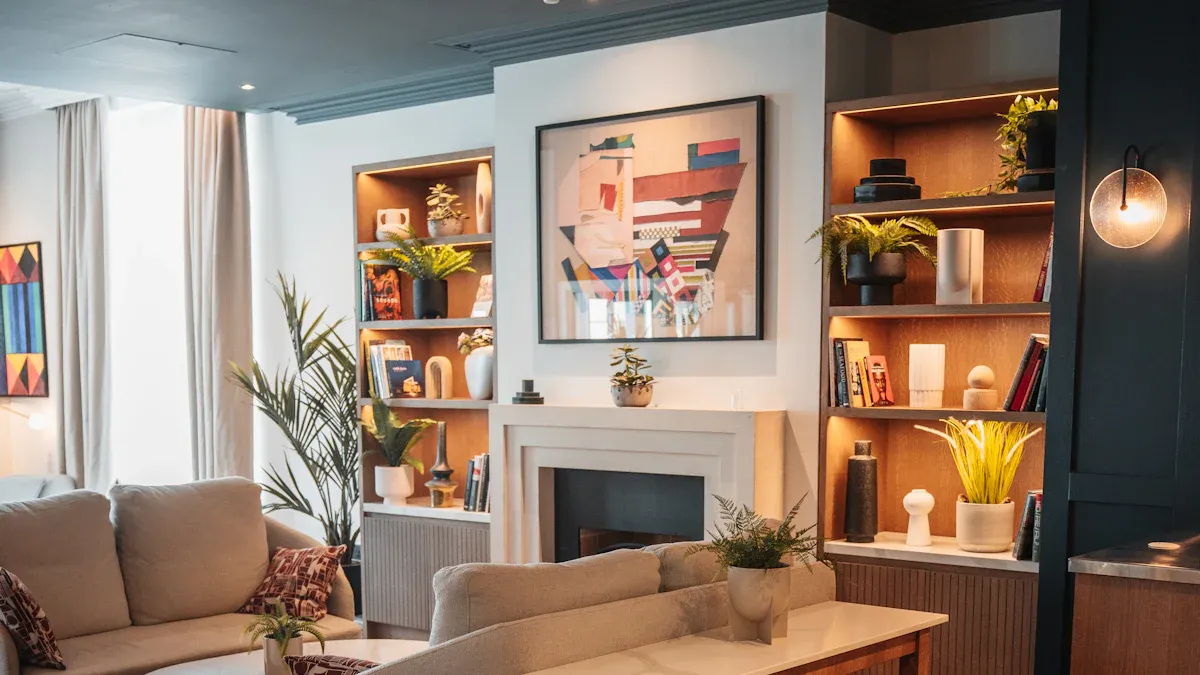
Beyond performance metrics, the actual light quality and design options are where modern lighting truly shines. The ability to control the mood, appearance, and functionality of a space through light is a key consideration. LED technology offers a level of customization that halogen simply cannot match.
Understanding Color Temperature (Kelvins)
Color temperature, measured in Kelvins (K), describes the appearance of light, from warm yellow to cool blue. Choosing the right temperature is crucial for setting the desired atmosphere in a room.
Warm White (2700K-3000K)
This range produces a cozy, inviting glow similar to traditional incandescent bulbs. It is ideal for creating a relaxing and comfortable environment in living rooms and bedrooms.
Neutral White (3500K-4000K)
Neutral white light offers a clean and balanced look. It is excellent for task-oriented spaces where clarity is important without being too harsh.
Cool White & Daylight (5000K+)
This range mimics natural daylight, creating a bright, energizing effect. It is best suited for workspaces, garages, and kitchens where maximum visibility is needed.
Tip: Matching Light to Your Room 💡 Different activities benefit from different light temperatures. Homeowners can use this guide to select the best option for each space.
Room / Activity | Recommended Color Temperature |
|---|---|
Bedrooms & Living Rooms | 2700K–3200K (Warm White) |
Bathrooms & Home Offices | 3500K–4200K (Neutral White) |
Kitchens & Garages | 4000K–5000K (Daylight/Neutral) |
Color Rendering Index (CRI)
The Color Rendering Index (CRI) measures how accurately a light source reveals the true colors of objects. It is a critical factor for achieving high-quality, natural-looking illumination.
What is CRI and Why It Matters
CRI is rated on a scale of 0 to 100, with 100 representing perfect color accuracy, like natural sunlight. A high CRI light makes interiors feel more vibrant and welcoming. It reduces eye strain and enhances visual clarity, which is important for tasks like cooking or applying makeup.
Comparing LED and Halogen for True-to-Life Colors
Halogen bulbs naturally have an excellent CRI, typically 90 or higher. For years, this was a key advantage. However, high-quality modern LED bulbs now consistently match or exceed this performance, offering CRI scores of 90 to 95. This development ensures that choosing an led does not mean sacrificing color quality.
The Halogen Look vs. LED Versatility
The fundamental difference in technology dictates the design flexibility of each bulb type. Halogen offers a single, fixed experience, while LED provides nearly limitless possibilities.
The Fixed Warm Glow of Halogen
A halogen bulb is limited to a warm color temperature, usually around 3000K. While this warm glow is pleasant, it is the only option available. This lack of versatility restricts its use in modern interior design, where different moods and functions are desired.
The Design Freedom of Modern LEDs
LEDs offer unparalleled design freedom. Homeowners can choose from a wide spectrum of color temperatures and even select smart bulbs with advanced features.
Wireless Control: Adjust brightness and color from a smartphone app.
Color-Changing: Select from millions of colors to set any mood.
Smart Home Integration: Automate lighting schedules and sync with other devices.
This versatility allows a single fixture to provide energizing daylight for work and a warm, relaxing glow for the evening.
Dimming Technology in the LED vs Halogen Debate
The ability to adjust brightness is a key factor in the led vs halogen discussion. While halogen bulbs dim smoothly on older systems, modern LED technology now offers superior control and advanced features, making it a more versatile choice for creating the perfect ambiance.
Smooth Dimming with Modern LEDs
Early LED bulbs often performed poorly with existing dimmer switches, but today's technology provides a seamless dimming experience. The key is using the correct type of dimmer. Most modern LED fixtures achieve smooth, continuous dimming when paired with a compatible trailing-edge dimmer. These advanced dimmers use sophisticated components like MOSFET or IGBT semiconductors. They work by cutting off the end of the AC waveform, which results in a gentle and precise dimming curve perfectly suited for low-wattage LED electronics.
Simulating Halogen with Dim-to-Warm LEDs
One cherished characteristic of a halogen bulb is its tendency to produce a warmer, cozier glow as it dims. Standard LEDs simply get less bright while maintaining the same color temperature. To replicate this classic effect, manufacturers developed "Dim-to-Warm" LED technology. These innovative bulbs shift their color temperature from a neutral white down to a warm, amber glow as the brightness decreases. This feature gives homeowners the best of both worlds: the energy efficiency of an LED with the warm, inviting ambiance of a dimmed incandescent or halogen light.
Avoiding Flicker and Buzz
Flicker and audible buzzing are common complaints when LEDs are paired with incompatible dimmers. These issues typically arise from using LEDs with older leading-edge dimmers, which were designed for high-wattage incandescent bulbs. Leading-edge dimmers use older TRIAC technology that abruptly cuts the start of the AC waveform. This process can create a sharp voltage spike, leading to the annoying flicker and buzz in sensitive LED driver circuits. Trailing-edge dimmers prevent this by providing smoother voltage control.
Dimmer Compatibility at a Glance 💡 Choosing the right dimmer is essential for optimal performance. This table breaks down the key differences.
Feature | Leading Edge Dimmer | Trailing Edge Dimmer |
|---|---|---|
Technology | TRIAC (thyristor) | MOSFET or IGBT semiconductor |
Dimming Method | Cuts beginning ("leading edge") | Cuts end ("trailing edge") |
Best for | Incandescent, halogen bulbs | LED bulbs and modern lighting |
LED Compatibility | Poor, causes flicker and buzz | Excellent, smooth and flicker-free |
Soft Start | No | Yes |
Cost | Lower | Higher |
By matching LED fixtures with modern trailing-edge dimmers, homeowners can ensure quiet, stable, and flicker-free lighting control throughout the entire dimming range.
When Might You Still Consider a Halogen Bulb?
While LED technology is the superior choice for most applications, a few specific scenarios exist where halogen bulbs might still find a place. These situations are becoming increasingly rare as technology advances, but they are worth noting for a complete comparison. The arguments for halogen are limited and often outweighed by modern alternatives.
The Niche Case for Halogen Lighting
The primary justification for choosing halogen bulbs today centers on very specific, limited circumstances where their low initial cost or unique light characteristics are prioritized over long-term efficiency and performance.
Extremely Low-Use or Temporary Areas
For spaces that are rarely illuminated, such as a deep storage closet or a temporary event setup, the upfront cost of halogen bulbs can be appealing. In these cases, the bulbs will not accumulate enough operational hours for energy savings to become a significant factor. The simple, low-cost nature of these bulbs makes them a practical, short-term solution where lifetime value is not a primary concern.
Specific Artistic or Theatrical Needs
Lighting designers and cinematographers have historically favored halogen for its excellent light quality. The natural warmth and high color accuracy are essential for creating specific moods. This type of lighting remains relevant in certain professional environments.
Drama theaters
Live performances
Film sets
Photography studios
The simplicity and reliability of halogen bulbs are also valued in dynamic production settings. They are compatible with older infrastructure and offer precise dimming control without complex systems, making them a cost-effective choice for smaller venues.
Why These Reasons Are Fading Fast
The few remaining advantages of halogen are quickly disappearing. Rapid advancements in LED technology are closing the gap in both price and performance, making the case for older bulbs weaker every year.
The Falling Price of LED Technology
The initial cost of LED bulbs has decreased dramatically. This falling price point erodes the main argument for using halogen in low-use areas. As the cost difference shrinks, the superior lifespan and durability of LED bulbs make them a smarter investment, even for spaces that are not used frequently. The need to replace fewer bulbs over time presents a compelling value proposition.
Advances in LED Dimming and Color Quality
Modern LED technology now rivals the quality of halogen. High-end led bulbs offer a Color Rendering Index (CRI) of 95 or higher, ensuring true-to-life color representation. Furthermore, features like "Dim-to-Warm" technology allow LEDs to mimic the cozy, amber glow of a dimmed halogen. These innovations provide the artistic control once exclusive to older bulbs, but with all the efficiency and safety benefits of modern electronics.
The led vs halogen debate concludes with LED as the definitive modern choice. Homeowners realize significant cost savings from lower energy consumption and reduced replacement cost. The extended lifespan of LEDs offers years of maintenance-free operation. This technology is safer and provides unparalleled flexibility in light color and design. For any new installation, the led vs halogen decision favors LED as the smartest investment, balancing performance with long-term cost.
FAQ
Can you put an LED bulb in a halogen fixture?
Homeowners can often use an LED bulb in a halogen fixture. The bulb base must match the fixture's socket. Users should verify the fixture's maximum wattage rating and dimmer compatibility to ensure proper function and safety.
Are LEDs really worth the higher upfront cost?
Yes, LED lights provide an excellent return on investment. Their superior energy efficiency and long lifespan create significant savings on electricity bills and replacement costs. The initial investment is quickly recovered through lower operational expenses.
Do LED lights get hot like halogen bulbs?
LED lights operate at significantly lower temperatures than halogen bulbs. While internal components produce some warmth, the exterior remains cool. This cool operation makes LEDs a much safer lighting option, reducing fire risk.
Which light is better for showing true colors?
High-quality modern LEDs now match or exceed the color rendering of halogen bulbs. Homeowners should look for LEDs with a Color Rendering Index (CRI) of 90 or higher. This ensures vibrant, true-to-life colors in any room.
How long do LED lights actually last?
A quality LED bulb has a rated lifespan of 25,000 to 50,000 hours. This translates to over a decade of service under normal household use. Their longevity far surpasses the 2,000-hour lifespan of a typical halogen bulb.
Why do my LED lights flicker when dimmed?
LED flicker often results from an incompatible dimmer switch. Older leading-edge dimmers designed for halogen bulbs cannot properly regulate the low power draw of LEDs. Using a modern, LED-compatible dimmer resolves this common issue.
Do I need a special dimmer for LEDs?
Yes, for optimal performance, LED fixtures require a compatible dimmer. Modern trailing-edge dimmers are specifically designed for the low-wattage electronics in LEDs. They provide smooth, flicker-free dimming and prevent buzzing noises common with older dimmer types.
See Also
Modern Illumination: LED Ceiling Lights Versus Traditional Fixtures Explained
Top-Rated LED Recessed Lighting Brands: A Comprehensive Comparison for 2026
Discovering the Best LED Ceiling Lighting Solutions for Your Home in 2026
Smart Alternatives to LED Flush Mounts for Homes with Low Ceilings
Expert Guide: Selecting the Perfect LED Ceiling Lights for Any Space