

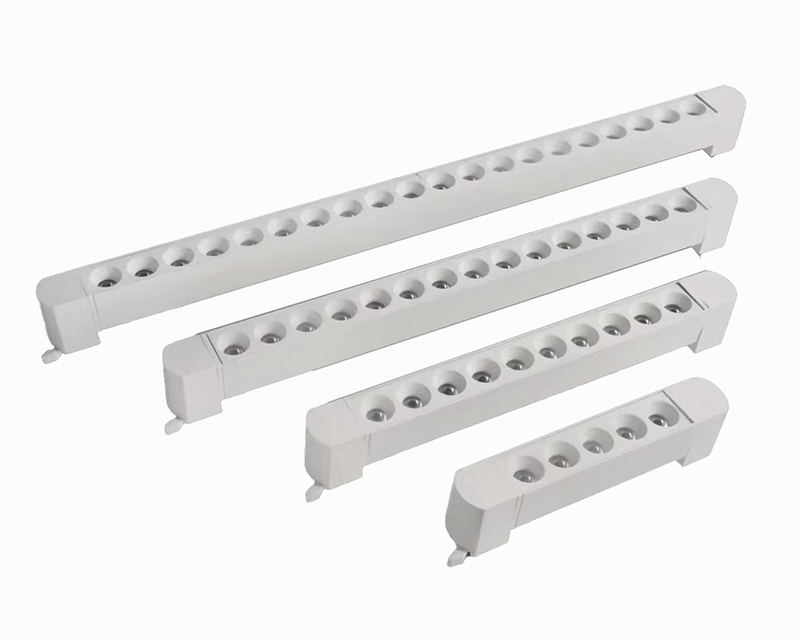
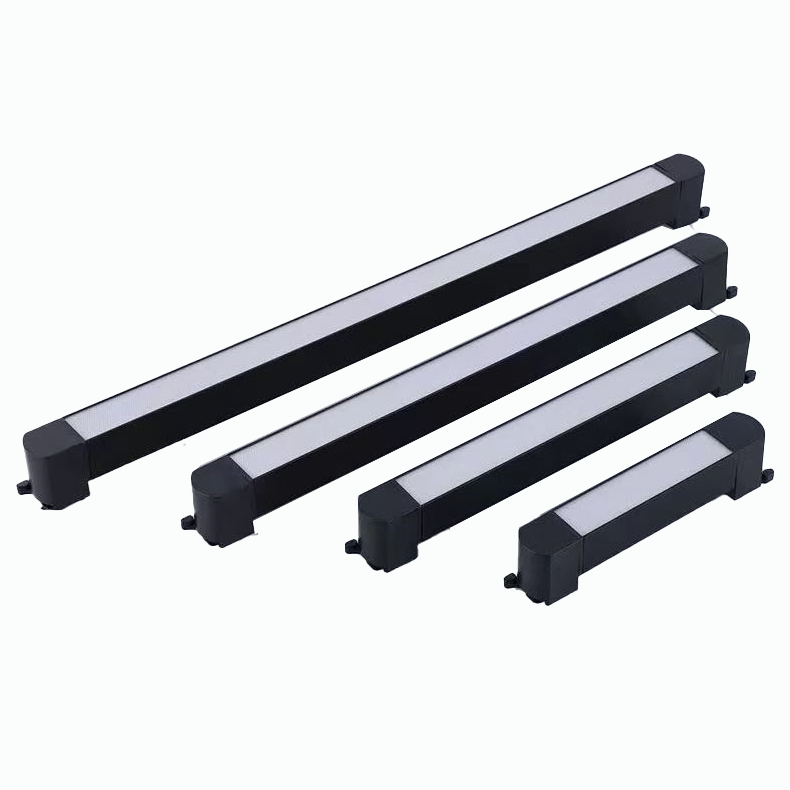
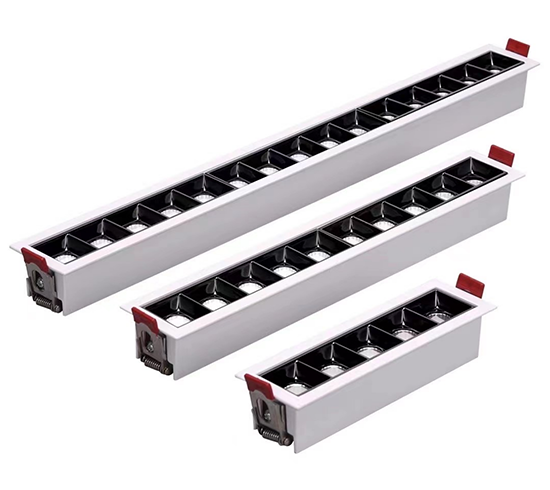
Integrating led lights into wall paneling delivers a sophisticated, modern aesthetic. This advanced led lighting provides customizable ambient lighting. Homeowners must weigh the pros and cons. The process demands a higher budget and more complex installation than standard led light fixtures. This specific led lighting requires careful planning, unlike simpler lighting solutions from various led light manufacturers. The led design choice is an excellent investment for those prioritizing dramatic visual impact.
Pro Tip: Sourcing a quality LED Panel Light from a reputable LED Panel Light Manufacturer is crucial for performance and longevity.
The Pros: Why Integrated LED Lighting Shines
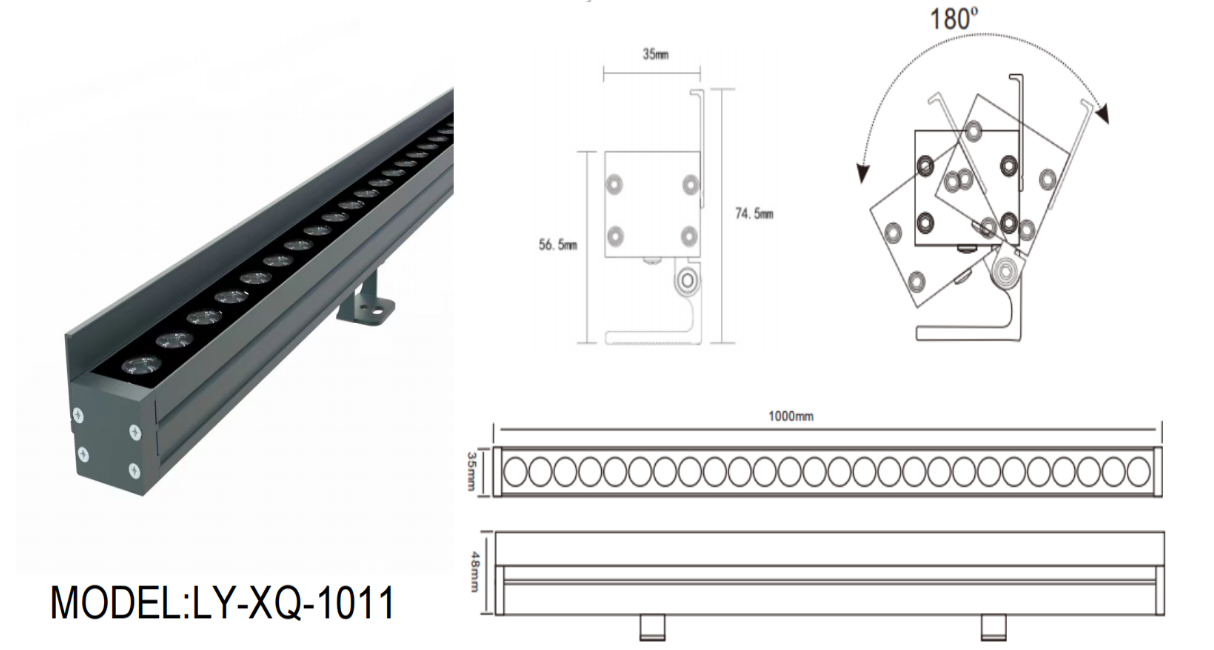
Integrated LED lighting transforms a simple wall into a dynamic feature. The benefits extend far beyond basic illumination. They encompass aesthetics, functionality, and long-term value. This approach to lighting design offers a compelling case for homeowners seeking a modern and sophisticated environment.
Pro 1: Unmatched Aesthetic Enhancement
Creating a High-End, Custom Look
Integrating led lights into panels creates a bespoke, architectural finish. This method eliminates the need for bulky, traditional fixtures that can disrupt a room's design flow. The result is a clean, minimalist aesthetic with uninterrupted lines. This seamless integration allows the lighting to become part of the wall itself, offering a level of sophistication that standalone lamps cannot match. The design possibilities are vast, from subtle back-lit glows to dramatic linear patterns.
Achieving Dynamic Mood Lighting
Smart led lighting systems provide unparalleled control over a room's atmosphere. Homeowners can adjust brightness and color temperature using a phone or tablet. This capability allows them to create customized lighting scenes for any occasion. A space can transition from bright and energizing for work to warm and cozy for relaxation. This precise control fine-tunes the ambient lighting, delivering a personalized and luxurious living experience.
Designer's Note: The ability to program scenes—like "Movie Night" dimming or "Dinner Party" brightness—elevates the user experience from simple illumination to interactive environmental design.
Adding Depth and Dimension to Walls
Flat walls gain new life with integrated lighting. A back-lit panel, for example, creates a soft halo effect that makes the panel appear to float. This technique adds visual depth and prevents a room from feeling flat or one-dimensional. The interplay of light and shadow can accentuate textures, highlight geometric shapes, and turn a plain surface into a captivating focal point. Both back-lit and edge-lit techniques are effective for this purpose.
Seamless, Clutter-Free Illumination
One of the most significant advantages is the clutter-free finish. Wires, bulbs, and fixtures are hidden within or behind the paneling. This creates a clean, polished look that enhances modern and minimalist interiors. The light emanates from the structure itself, providing flawless illumination without visual distraction. This approach is ideal for creating a serene and uncluttered space where the focus remains on the architecture and decor.
Pro 2: Superior Functionality and Space Perception
Serving as Functional Accent Lighting
Integrated led lighting serves as more than just ambient lighting; it is also a powerful tool for functional accenting. It can guide movement through a hallway or illuminate a cozy reading nook. Different techniques achieve specific goals:
Hidden LED Strips: Placed along baseboards or in ceiling coves, these provide a continuous, soft glow that defines architectural lines.
Slim LED Wall Washers: These fixtures mount flush with the paneling, casting a smooth wash of light up or down the wall to highlight artwork without creating glare.
Back-lit LED Panels: These are excellent for creating a soft, diffuse light source that can serve as the primary lighting for a small niche or entryway.
Edge-lit LED Panels: These panels guide light to the panel's edges, creating sharp, defined lines of light perfect for modern designs.
Highlighting Architectural Features
Designers use integrated lighting to draw the eye to specific architectural details. A back-lit effect behind a fluted panel emphasizes its vertical lines and texture. An edge-lit glow around a media unit can frame the television and create a cinematic feel. This strategic use of lighting transforms standard features into deliberate design statements, showcasing a commitment to quality and detail. Back-lit led panels are particularly effective at turning a feature wall into a room's centerpiece.
Making Small Rooms Feel Larger and More Open
Strategic lighting can dramatically alter the perception of space. Washing a wall with light from an edge-lit or back-lit source makes the surface appear to recede, creating an illusion of greater depth. This technique is especially useful in narrow hallways, small bathrooms, or compact living areas. The seamless nature of the lighting prevents visual clutter, further contributing to a more open and airy feel.
Improving Sound Control with Acoustic Panels
A unique functional benefit arises when integrating led lighting with acoustic wall panels. These panels are designed to absorb sound and reduce echo, improving a room's acoustics. By embedding led strips within or around these panels, homeowners can achieve both superior sound quality and sophisticated lighting in one solution. This is ideal for home theaters, offices, or living rooms where both audio and visual comfort are priorities.
Pro 3: Long-Term Efficiency and Durability
The Low Energy Consumption of LEDs
LED technology is exceptionally energy efficient. An led strip uses significantly less electricity to produce the same amount of light as an incandescent or halogen bulb. For example, an led strip producing 800 lumens of light consumes only about 10 watts. A traditional incandescent bulb needs 60 watts to achieve the same brightness. This superior energy efficiency translates directly into lower electricity bills.
Light Output (lumens) | LED (W) | Incandescent (W) | Halogen (W) |
|---|---|---|---|
450 | 6 | 40 | 29 |
800 | 10 | 60 | 43 |
1100 | 14 | 75 | 53 |
1600 | 18 | 100 | 72 |
Exceptional Lifespan and Reduced Replacements
High-quality led lights have an incredibly long operational life. A typical led strip is rated for 25,000 to 50,000 hours of use. This is a massive improvement over other lighting types. This long lifespan means replacements are infrequent, reducing maintenance hassles and long-term costs, which is especially important when the led is integrated into a permanent wall structure.
Light Type | Average Lifespan (Hours) |
|---|---|
LED Strip Lights | 25,000 – 50,000 |
Incandescent Bulbs | 1,000 – 2,000 |
Fluorescent Tubes | 7,000 – 15,000 |
Halogen Bulbs | 2,000 – 4,000 |
Lower Heat Output for Safety and Comfort
Unlike incandescent and halogen bulbs, which convert much of their energy into heat, led lighting remains relatively cool. This lower heat output makes the led a safer option, especially when enclosed within wood or fabric wall panels. It reduces the risk of heat damage to surrounding materials. Additionally, less heat emission helps maintain a comfortable room temperature and reduces the load on air conditioning systems, making the lighting even more energy efficient.
Pro 4: A Smart Investment in Property Value
Thoughtful upgrades can significantly increase a property's market value. Integrated led lighting is a feature that delivers a strong return on investment. It enhances the living experience and boosts financial worth. This type of advanced lighting makes a powerful statement to appraisers and potential buyers.
Boosting Appeal to Potential Buyers
A home with custom features stands out in a competitive real estate market. Integrated led lighting creates an immediate "wow" factor during viewings. This sophisticated detail suggests a well-maintained and thoughtfully upgraded property. Data indicates that homes with smart technology, including integrated led lighting systems, often sell faster. Buyers perceive these features as valuable improvements. They associate this kind of custom led lighting with a modern, desirable lifestyle. The subtle glow from a panelled wall can make a lasting impression, differentiating the home from others on the market. This unique lighting transforms a space from ordinary to memorable.
Positioning Your Home as Modern and Up-to-Date
Integrated led lighting positions a property as contemporary and technologically advanced. This feature shows that a home is current with the latest design trends. Buyers today often look for move-in-ready homes with modern amenities. A built-in led system is a clear signal of a forward-thinking design. Upgrading a home's lighting offers a tangible increase in perceived value. Different led lighting technologies contribute value in distinct ways.
Lighting Technology | Potential Value Add |
|---|---|
LED Retrofit | $1,500 – $3,000 |
Smart Lighting System | $3,000 – $7,000 |
Landscape Lighting | $4,000 – $10,000 |
Statement Chandelier | Adds "wow" factor, perceived luxury |
This table shows that investing in a quality led lighting system provides a quantifiable boost. The permanent, architectural nature of integrated led lighting often places it in the higher end of this value spectrum.
Showcasing a Commitment to Quality Finishes
Architectural led lighting is a detail that speaks volumes about a homeowner's commitment to quality. It is not a simple, superficial upgrade. The installation requires planning, precision, and investment. Potential buyers recognize this effort. They see the seamless led integration as a sign that the owner did not cut corners on other, less visible parts of the home. This perception of quality can justify a higher asking price.
Investor's Insight: High-quality lighting is more than an expense; it is a strategic asset. The return on investment for professional lighting projects is often substantial.
Investing in superior lighting yields impressive financial returns. Homeowners can expect:
An increase in property value by an estimated 1-3%.
A remarkable return on investment between 200-400%.
This high ROI makes integrated led lighting a financially sound decision. The sophisticated led lighting elevates the entire property, making it a smarter and more valuable asset. The final led installation showcases a dedication to premium, lasting quality.
The Cons: Potential Downsides of Integrating LED Lights
While the aesthetic rewards are significant, integrating led lights into wall paneling is not without its challenges. Homeowners must consider the substantial upfront costs, complex installation process, and potential long-term maintenance difficulties. These factors can make this sophisticated lighting choice impractical for some projects and budgets. A thorough understanding of the downsides is essential before committing to this permanent architectural feature.
Con 1: The Significant Initial Investment
The high-end look of integrated led lighting comes with a corresponding price tag. The initial outlay for materials and professional labor is considerably higher than for traditional lighting solutions. This cost barrier is often the primary deterrent for many homeowners.
Breaking Down Material Costs
The total material cost extends far beyond the led strips themselves. A complete system requires several components, and quality varies significantly. A budget-conscious approach might compromise the longevity and performance of the lighting.
LED Strips: High-quality led strips with good color rendering (CRI) and long lifespans cost more.
Aluminum Channels: These are essential for heat dissipation and diffusion. They add to the material expense.
Diffusers: A quality diffuser cover ensures smooth, dot-free light but increases the overall cost.
LED Drivers: A reliable, certified power supply (driver) is a critical and often expensive component.
Wiring and Connectors: Proper gauge, in-wall rated wiring is a necessary expense for safety and code compliance.
The Price of Professional Labor
Proper installation is not a simple handyman task; it requires a licensed electrician. The labor costs reflect this specialized skill set. Electricians ensure the system is safe, code-compliant, and functions correctly.
Licensed electricians in most metropolitan areas typically charge between $65 and $125 per hour.
For a project like integrated panel lighting, labor can easily add $200 to $500 or more to the total cost, depending on complexity.
Repair work also requires professional help, with hourly rates ranging from $50 to $150.
Comparing Costs to Traditional Fixtures
The cost difference between an integrated system and conventional fixtures is stark. A standard wall sconce or floor lamp offers a much lower entry point for adding accent lighting to a room.
Lighting Type | Average Initial Cost (Materials + Labor) |
|---|---|
Integrated LED System | $700 – $2,500+ per feature wall |
High-Quality Wall Sconce | $200 – $500 per fixture |
Designer Floor Lamp | $150 – $600 per lamp |
This table illustrates that integrated led lighting is a premium feature. The investment is significantly greater than simply buying and installing standalone light fixtures.
Hidden Costs of Preparation and Finishing
The quoted price for the led lighting system often does not cover all associated expenses. Homeowners should budget for several additional steps required to achieve a seamless look. These hidden costs can include drywall repair, plastering, sanding, and painting to conceal channels and wiring. In some cases, structural modifications to the wall framing may be necessary, further increasing the project's total cost and timeline.
Con 2: The Intricacies of Installation
Installing integrated led lighting is a precision-oriented task that leaves little room for error. Unlike a simple light fixture swap, this process involves multiple stages of construction and electrical work that must be perfectly coordinated.
The Need for Meticulous Planning and Measurements
Every detail must be planned before the first cut is made. The layout of the led strips, the location of the power supply, and the path for the wiring all require exact measurements. An error of a few millimeters can result in visible gaps, uneven light, or panels that do not align correctly. This meticulous planning phase is critical for a successful outcome.
Essential Electrical Work and Safety Codes
Low-voltage lighting does not mean low-risk. Concealing wiring within walls is heavily regulated by the National Electrical Code (NEC) to prevent fire hazards. Compliance is not optional.
Proper Wiring: The NEC prohibits using standard flexible cords inside walls. Installers must use Class 2 In-Wall Rated Wire, which is designed to resist heat and degradation.
Junction Boxes: The 120V connection to the led driver must be enclosed in a certified junction box to prevent electrical fires.
Component Certification: All parts of the led lighting system, including the led strips and driver, must be certified by a Nationally Recognized Testing Laboratory (NRTL) like UL or ETL to pass inspection.
Warning: Even though it is low-voltage, the high current in an led system can cause improperly rated wires to overheat, creating a serious fire risk. Always adhere to local electrical codes.
Why DIY Can Be a Risky Choice
The complexity of the electrical codes and the precision required for installation make this a poor choice for a DIY project. An amateur installation risks violating safety codes, creating fire hazards, and achieving a subpar aesthetic result. The money saved by avoiding a professional electrician, typically $65–$125 per hour, is not worth the potential for a dangerous or flawed installation.
Achieving a Flawless, Professional Finish
The goal of integrated lighting is a seamless look where the light source is invisible. This requires expert craftsmanship. A professional installer knows how to embed channels perfectly flush with the paneling, cut diffusers for tight fits, and manage wires so no shadows are cast. Achieving this flawless finish is what separates a high-end architectural feature from a clumsy, amateurish attempt.
Con 3: Maintenance and Repair Headaches
The biggest long-term drawback of integrated led lighting is the difficulty of maintenance and repair. When a component fails, accessing it can be a significant and destructive challenge. This is a crucial difference from a standard lamp where changing a bulb is simple.
Accessing Failed LED Strips Within Panels
While a high-quality led has a long lifespan, failures can happen. The semiconductor chip can degrade from heat, or an individual module on the strip can fail. When the led strip is embedded behind or within a permanently fixed wall panel, replacement becomes a major issue. Unlike a simple bulb, the failed led strip is not easily accessible, turning a small repair into a complex task.
The Challenge of Replacing Drivers or Power Supplies
The led driver, which converts AC power to low-voltage DC power, is one of the most common failure points in an led system. These drivers are often hidden in a closet, ceiling, or wall cavity to maintain a clean look. When a driver fails, locating it and replacing it can be a difficult process, sometimes requiring a technician to trace wires back through the wall.
Potential for Wall Disassembly During Repairs
If a section of an led strip or a hidden wire connection fails, the only solution may be to remove a portion of the wall paneling. This process can be destructive, potentially damaging the paneling, the surrounding wall, and the paint finish. The repair then involves not just fixing the lighting but also patching, sanding, and repainting the wall to restore its original appearance.
Color Consistency Issues with Replacements
If a section of an led strip needs replacement, finding an exact match can be nearly impossible. LED manufacturers group their products into "bins" based on minor variations in color temperature and brightness. A new led strip, even from the same brand, may not perfectly match the color and intensity of the existing lighting. This can result in a noticeable and unsightly patch of mismatched light on the wall.
Con 4: The Risk of a Dated Appearance
A permanent installation like integrated led lighting carries the risk of becoming stylistically obsolete. While it looks modern today, design trends evolve. What is considered cutting-edge now can easily become the avocado green of tomorrow, making this a significant long-term consideration.
How Lighting Trends Evolve Over Time
Lighting design is subject to the same shifting trends as fashion and furniture. A choice that feels fresh and contemporary can look tired and out of place in a decade. Because integrated led lighting is built into the wall, it cannot be easily changed or updated when styles move on. This permanence locks a homeowner into a specific aesthetic. Many once-popular lighting choices are now considered dated by designers.
Exposed Track Lighting: This style, once a hallmark of modern design, is now often seen as bulky and industrial, making a home feel less inviting.
Builder-Grade Fixtures: Generic, low-cost fixtures quickly signal a lack of custom detail and can cheapen a room's overall feel.
Overly Themed Lighting: Heavy-handed styles, like nautical or rustic farmhouse fixtures, can pigeonhole a room's decor and fall out of fashion.
Dome-Shaped Flush Mounts: These ubiquitous ceiling lights are now widely viewed as uninspired and outdated.
Committing to a built-in led feature means betting that its look will endure. The history of interior design suggests this is a risky wager for any trend-based feature. The wrong choice can date a property, diminishing its appeal.
Avoiding Gimmicky Color Choices and Effects
The allure of colorful led lighting can be strong, but it is also a major pitfall. Systems that offer millions of colors, strobing effects, or fast color-chasing patterns often create a gimmicky, rather than sophisticated, atmosphere. Interior designers frequently advise against this type of led lighting. They note that bright, artificial colors can clash with a thoughtfully designed interior and make a space feel less timeless.
Designer's Tip: For a lasting look, prioritize high-quality tunable white led systems. The ability to shift from a cool, energizing white to a warm, relaxing glow offers versatile ambiance without the risk of looking tacky. A subtle, warm white led provides a classic look.
While a splash of color from an led strip can be fun for a party, its daily use can quickly make a high-end feature wall look like a college dorm room. A permanent led installation should enhance the architecture, not become a distracting novelty.
The Challenge of Upgrading Built-In Technology
The technology behind led lighting is constantly improving. Today's top-of-the-line led may be surpassed in five years by strips that are more efficient, have better color rendering (CRI), or offer more advanced smart home integrations. When the led technology is embedded in the wall, upgrading is not a simple task. It becomes a minor renovation project.
This "tech lock-in" is a serious drawback. A homeowner might find their expensive, built-in led lighting system lacks features that have become standard, such as seamless voice control or integration with new smart home ecosystems. The entire led system, from the strip to the driver, is part of a rapidly evolving tech category. A permanent installation makes it difficult and costly to keep the home's lighting technology current.
Fixed Placement vs. Flexible Fixtures
Integrated led lighting offers a seamless look at the cost of flexibility. The placement of the light is permanent. This becomes a problem when a room's layout or function changes. The perfect accent lighting for a media unit becomes awkward if the homeowner decides to move the television to another wall. The fixed nature of the led installation dictates furniture placement and room use for years to come.
In contrast, traditional lighting fixtures offer complete flexibility.
Fixture Type | Flexibility | Use Case |
|---|---|---|
Floor Lamp | High | Can be moved to any corner or beside any chair. |
Table Lamp | High | Easily repositioned on different surfaces. |
Plug-in Sconce | Medium | Can be moved to another wall with minimal patching. |
Integrated LED | None | Permanently fixed within the wall structure. |
This lack of adaptability is a significant compromise. Homeowners lose the ability to reconfigure their lighting as their needs and tastes change, turning a beautiful feature into a potential design constraint.
Key Planning and Design Considerations for LED Lighting
Successful integration of led lighting requires careful planning. The right choices in materials, led systems, and controls determine the project's final look, functionality, and longevity. Homeowners should consider every detail before installation begins.
Choosing the Right Wall Panelling Material
Wood and MDF Panelling
Wood paneling brings natural warmth and character to a home. Its grain adds visual depth, preventing walls from looking flat. This material works well with both back-lit and edge-lit techniques. A back-lit glow can make a wooden feature wall appear to float. An edge-lit line of light can highlight the clean edges of MDF panels.
Upholstered and Acoustic Panels
Acoustic panels offer a dual benefit. They improve a room's sound quality and provide a modern aesthetic. Integrating led strip lights into these panels creates a multisensory experience. This combination is ideal for home theaters or offices. The led lighting enhances the visual appeal while the panels absorb sound.
3D and Geometric Panels
3D and geometric panels create dynamic surfaces full of texture. Strategic lighting transforms these panels into works of art. A back-lit effect behind a geometric pattern emphasizes its shape and shadow. Edge-lit led panels can trace the contours of the design, adding another layer of visual interest.
Fluted vs. Shaker vs. Flat Panel Designs
The panel style dramatically influences the lighting effect.
Fluted Panels: A back-lit or edge-lit application on fluted panels creates a beautiful play of light and shadow along the vertical lines.
Shaker Panels: The simple, clean lines of Shaker panels are perfect for a subtle back-lit halo from back-lit led panels.
Flat Panels: Flat panels offer a minimalist canvas. Edge-lit led panels can define the perimeter, creating a sharp, modern frame of light.
Selecting the Perfect LED System
Understanding LED Strip Brightness (Lumens)
The brightness of led strip lights is measured in lumens. A higher lumen value means a brighter light output. For ambient lighting, a lower lumen count is often sufficient. For task lighting, a higher light output is necessary.
Choosing a Color Temperature (Kelvin)
Color temperature, measured in Kelvin (K), defines the color of the white light. A lower Kelvin value (2700K) produces a warm, cozy glow. A higher value (5000K) creates a cool, daylight-like illumination. Tunable white led strip lights allow users to adjust the color temperature.
The Importance of Channels and Diffusers
Aluminum channels and diffusers are essential for a professional finish. The channel helps dissipate heat from the led, extending its lifespan. The diffuser cover spreads the light evenly, eliminating the "dotted" look of individual led chips.
COB vs. SMD LED Strips
The two main types of led strips are Chip-on-Board (COB) and Surface-Mounted Device (SMD). Each has distinct characteristics. COB led technology produces a seamless line of light, while SMD led strips show individual light points.
Feature | COB LED | SMD LED |
|---|---|---|
Light Quality | Uniform, dot-free, softer light | Visible dots, wider beam angle |
Energy Efficiency | More efficient, better heat management | Less efficient, can run hotter |
Color Options | Primarily single color | Wide range of colors (RGB) |
Cost | Higher initial cost | Lower initial cost |
Power and Control Systems
Choosing the Right Power Supply (Driver)
The led driver is the heart of the system. Choosing the correct size is critical for safety and performance.
Pro Tip: To calculate the required driver wattage, multiply the strip's watts per foot by the total length. Then, add a 20% safety margin. For a 10-foot run of a 5-watt/foot led strip: (10 ft x 5 W/ft) * 1.20 = 60 watts. A 60-watt or higher driver is needed.
Dimmable vs. Non-Dimmable Systems
Dimmable systems offer greater control over the room's ambiance. This feature allows homeowners to adjust the lighting intensity for different activities. Non-dimmable systems are simpler but less flexible.
Smart Home Integration (Wi-Fi, Bluetooth, Voice Control)
Integrating the led lighting system with a smart home platform unlocks advanced functionality. Users can control their lighting with voice commands via Amazon Alexa or Google Assistant. This integration allows for creating custom routines, such as a "Movie Night" scene that dims the lights automatically. This makes the home more convenient and modern.
Wall Switches vs. Remote vs. App Control
Control options range from traditional wall switches to handheld remotes and smartphone apps. App control offers the most features, including scheduling and remote access. The choice depends on user preference and the complexity of the integrated led strips system.
Step-by-Step Guide to Integrating LED Lights
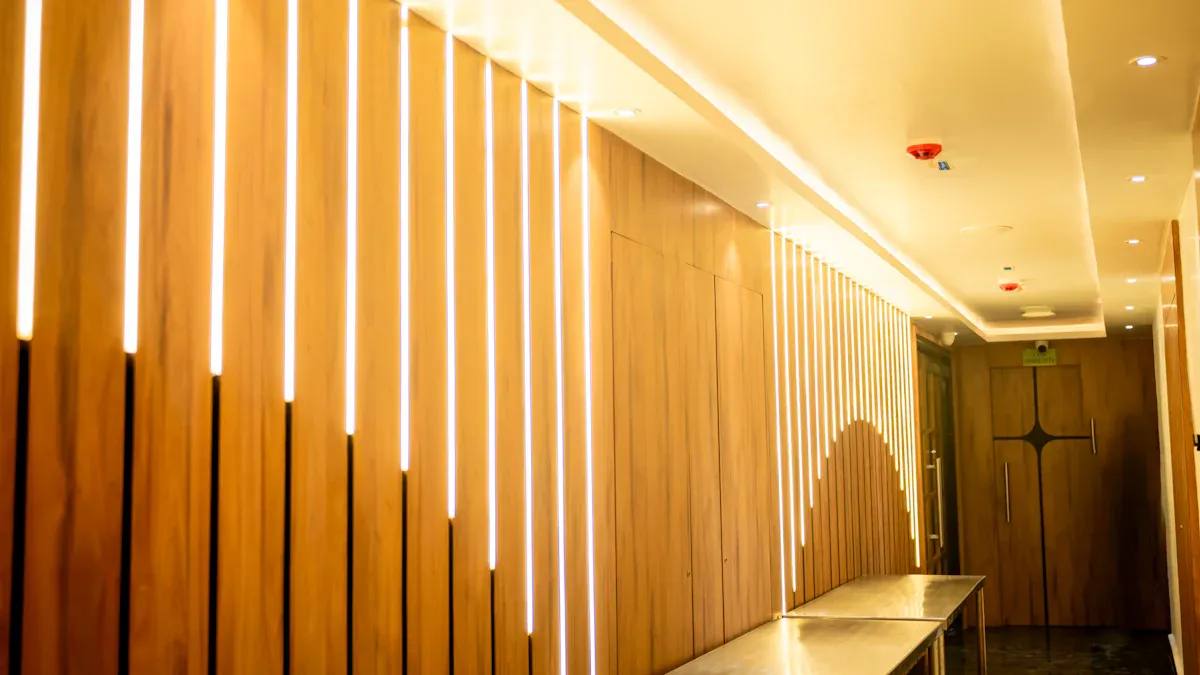
Successfully integrating led lights into wall paneling is a project of precision. It transforms a space with architectural lighting. This process unfolds in three distinct phases: planning, preparation, and installation. Following a structured guide ensures a safe, durable, and visually stunning result.
Phase 1: Planning and Design
Mapping Out Your Lighting Layout
A successful project begins with a detailed plan. This initial stage involves several key decisions that will define the final look.
Assess the Space: Measure the wall dimensions and note any architectural features. Consider the room's primary use and how natural light affects the area.
Determine Lighting Needs: Decide on the desired mood. A soft back-lit glow creates a relaxing ambiance, while a sharp edge-lit line offers a modern, defined look.
Choose the Right LED Panels: Select led panels based on size, shape, and color temperature to match the design goals.
Calculating Power Requirements
Proper power calculation prevents system overloads and ensures longevity. To find the right driver size, multiply the total length of the led strip lights (in feet) by the strip's power consumption (watts per foot). Then, add a 20% safety margin to the total wattage. This ensures the led driver operates efficiently without overheating.
Creating a Materials and Tools List
A complete tool list is essential to install led lights efficiently. Gathering everything beforehand prevents delays and ensures a professional workflow.
Measuring Tape and Pencil
Drill with appropriate bits
Level
Wire Strippers and Connectors
Voltage Tester (for safety)
Screwdriver Set
Ladder or Step Stool
Phase 2: Preparation and Electrical Rough-In
Preparing the Wall Surface
The wall must be clean, dry, and smooth before installation begins. Any imperfections on the surface can affect the final alignment of the panels and led channels. Patching holes and sanding the surface creates a perfect foundation.
Running Low-Voltage Wiring
This step is critical for a safe led lighting system. Installers must drill holes through wall studs to run the in-wall rated low-voltage wire.
Code Compliance: The National Electrical Code (NEC) requires that holes be drilled at least 1 1/4 inches from the edge of the stud. This protects the led wire from future damage by nails or screws.
Consulting with a Licensed Electrician
Many jurisdictions require a licensed electrician for any new wire connections. Even if not legally mandated, professional consultation is highly recommended. An electrician ensures the led lighting project meets all safety codes, preventing fire hazards and guaranteeing a reliable installation.
Phase 3: Panel and LED Channel Installation
Installing the Wall Panelling
Installers mount the panels to the wall, leaving precise gaps for the led channels. This step requires careful measurement to ensure the final placement matches the design plan for both back-lit led panels and edge-lit led panels.
Mounting the Aluminum Channels
Aluminum channels must be mounted straight and securely. Installers use a level and chalk line to create a reference for perfect alignment. For heavy back-lit led panels, aluminum French cleats provide a strong, hidden mounting system that allows for easy removal if needed. This method is ideal for achieving a floating back-lit or clean edge-lit effect.
Adhering the LED Strips
The final step is installing led strip lights into the channels. Installers must clean the channel surface to remove any dust or oils. This ensures the led strip's adhesive backing holds firm. A secure led strip is crucial for a flawless result, preventing shadows in both back-lit and edge-lit applications. The quality of the back-lit glow depends on a perfectly placed led. The sharp edge-lit line from edge-lit led panels also requires this precision. Once the led strip lights are pressed firmly into place, the led system is nearly complete.
Phase 4: Final Connections and Finishing
The final phase brings the project to life. It involves making the electrical connections, adding the finishing touches, and testing the entire system. This stage requires precision to ensure the led lighting operates flawlessly and looks professional.
Connecting Strips to the Power Driver
Properly connecting the led strips to the power driver is crucial for performance and longevity. Installers must wire multiple led strips in parallel, not in series. This technique involves creating independent runs for each led strip section, with each section connecting directly to the power source. This method prevents voltage drop, ensuring every led on the strip maintains consistent brightness from one end to the other.
Pro Tip: Installers often use wire splitter terminal blocks. These components allow multiple parallel connections to the single positive and negative outputs on the led driver. This simplifies the process of installing led strip lights and guarantees a reliable, clean connection for the entire led system.
Installing the Diffuser Cover
With the led strips in place, the next step is to install the diffuser cover. This translucent cover snaps directly into the aluminum channel. Its primary function is to scatter the light from the individual led chips, creating a smooth, uniform line of light. A quality diffuser eliminates the "dotted" look, which is essential for a high-end, architectural appearance. Installers must ensure the diffuser is clean and cut precisely to fit the channel length, preventing any gaps or imperfections in the final led installation.
Testing the Complete System
Before calling the job complete, a thorough test of the entire led system is mandatory. The installer restores power at the circuit breaker and activates the lights. They carefully inspect the full length of the installation for any issues.
Flickering: This could indicate a loose connection or an incompatible dimmer.
Dead Spots: A section of the led strip that does not light up points to a faulty module or a bad connection.
Color Inconsistency: Variations in color temperature along the strip may signal a defective product.
This final check is the last opportunity to troubleshoot and correct any problems. A successful test confirms that the project to install led lights is complete and the new feature is ready to enjoy.
Ultimately, integrating led lights into wall paneling is a trade-off. The stunning, modern ambiance this led lighting creates is undeniable. Homeowners with a budget for professional installation find the custom led feature an exceptional choice. The unique led design adds value and personality. However, the complex led system is not for everyone. Those prioritizing low cost and simple maintenance will find the permanent led installation difficult. Traditional fixtures remain a more practical lighting solution. This type of practical lighting avoids the headaches of a custom led project with its many led components.
FAQ
How much does integrated LED lighting cost?
The cost varies widely. A professional installation often ranges from $700 to over $2,500. This price includes materials like the led strips, channels, and the driver, plus labor. The specific led system chosen impacts the final price.
Can I install integrated LED lighting myself?
Warning: Professional installation is strongly recommended. The process involves complex electrical work and precision carpentry. A licensed electrician ensures the led system is safe and code-compliant. DIY attempts risk fire hazards and a poor finish for the led feature.
How long do the integrated LED lights last?
High-quality led strips have a long lifespan, typically rated for 25,000 to 50,000 hours. With average daily use, this translates to many years of service. The led driver, or power supply, may have a shorter lifespan and is a more common failure point.
What happens if an LED strip fails?
Repairing a failed led strip is difficult. It often requires disassembling part of the wall paneling to access the faulty section. This process can be destructive and costly. Planning for access to the led driver during installation is crucial to simplify future maintenance.
What is the best type of LED for this?
COB (Chip-on-Board) technology is an excellent choice. It produces a smooth, dot-free line of light for a high-end look. Homeowners should select a high-CRI strip from a reputable manufacturer to ensure accurate color and durability for their led.
Does this upgrade really add property value?
Yes, this upgrade can boost property value. A professionally installed led feature signals a modern, high-quality home to potential buyers. It creates a "wow" factor that makes a property stand out, often leading to a faster sale and a higher perceived value.