

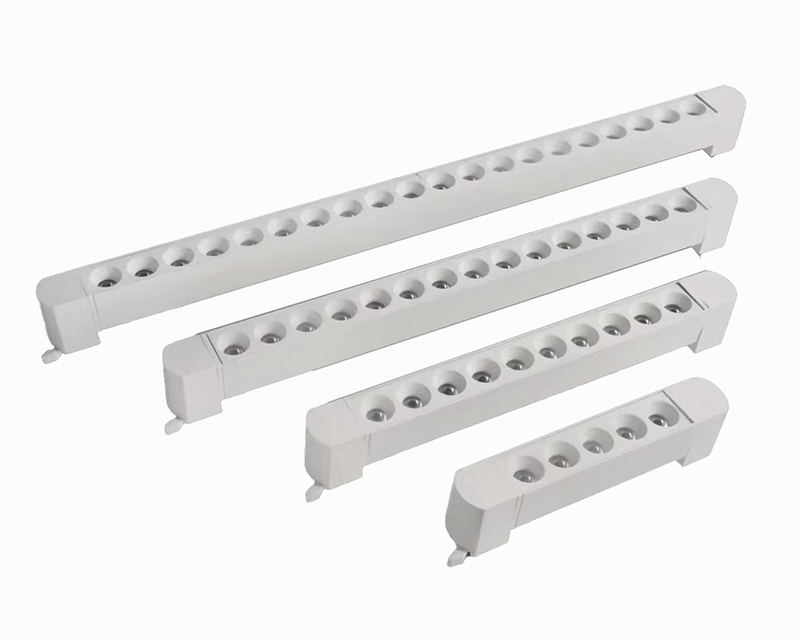
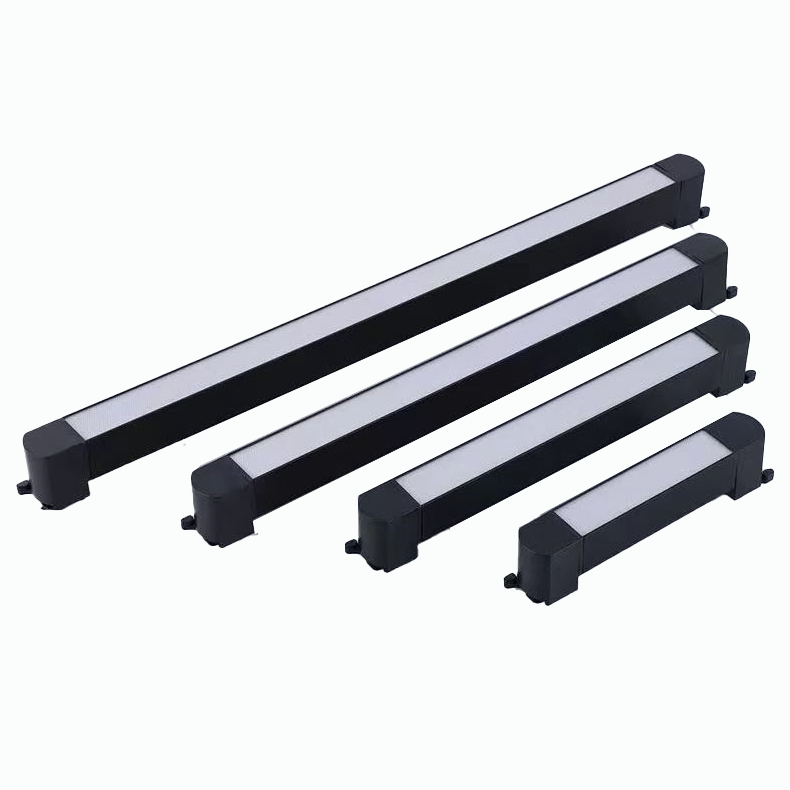
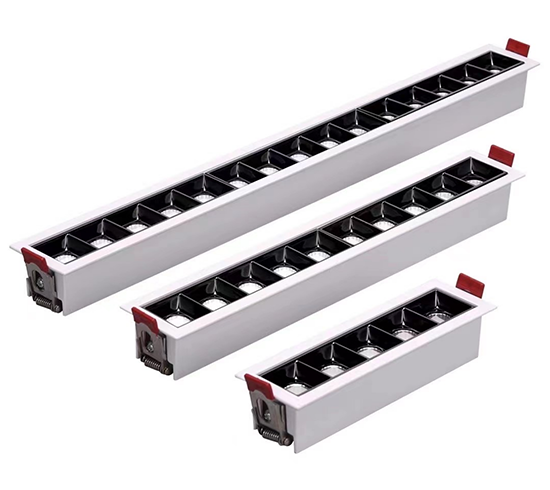
Exploring can lights and led downlights reveals two distinct types of recessed lighting. Traditional can lights are recessed lights using a housing and a separate bulb. Modern led downlights are complete led light fixtures. An LED DownLight Manufacturer integrates the LED source directly into the downlight.
In Short: All LED downlights are a form of recessed lighting. However, not all recessed lights, like traditional can lights, are an integrated LED DownLight. Many led light manufacturers now produce these advanced downlights.
What Are Can Lights? The Foundation of Recessed Lighting
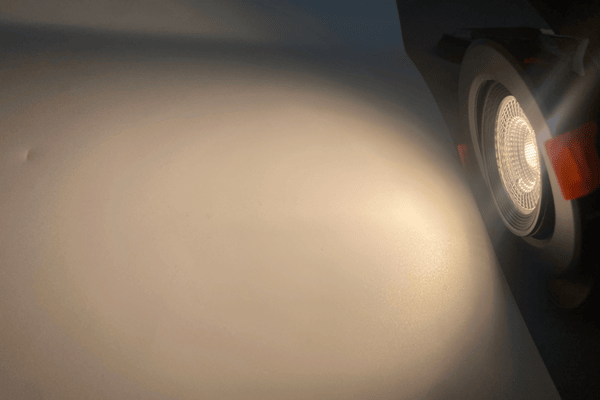
Can lights represent the traditional approach to recessed lighting. These fixtures, also known as canned lighting, consist of multiple components working together. Understanding their structure is key to appreciating their role in home illumination.
Deconstructing the Traditional Can Light
A traditional can light is a modular system. It comprises three distinct parts: the housing, the trim, and the light bulb. Each element serves a specific function.
The Housing: The "Can" in Your Ceiling
The housing is the main structure installed inside the ceiling plenum. This component gives canned lighting its name. It holds the electrical socket and supports the other parts. Manufacturers typically construct housings from durable materials to ensure longevity.
Aspect | Description |
|---|---|
Material Composition | |
Housing | Made of aluminum or steel. |
Trim | Can be made of plastic, metal, or glass. |
Dimensions | |
Small | 3-4 inches in diameter. |
Medium | 5-6 inches in diameter. |
Large | 7-8 inches in diameter. |
The Trim: The Visible, Decorative Component
The trim is the visible portion of the fixture from below. It fits into the housing and sits flush with the ceiling. Trims come in various styles and finishes, allowing for aesthetic customization of the canned lighting.
The Bulb: The Replaceable Light Source
The bulb is the interchangeable light source. This versatility allows users to select a bulb that meets their needs. Common base types for these recessed lights include:
GU10 Base: A twist-and-lock base used for spotlight applications.
MR16 (Bi-Pin Base): A two-pin base often found in accent and track lighting.
E26 Base: The standard screw-in base compatible with many PAR and standard led bulbs.
Common Types of Can Light Housings
Installers choose can light housings based on the specific construction scenario. Different ratings ensure safety and efficiency for the canned lighting.
New Construction vs. Remodel Housings
Installers mount new construction housings directly to ceiling joists before drywall is installed. Remodel housings are designed for existing ceilings, using clips to hold the fixture in place.
IC-Rated vs. Non-IC-Rated Housings
IC-rated (Insulation Contact) housings can safely touch ceiling insulation. Non-IC-rated housings require at least three inches of clearance from insulation to prevent fire hazards.
Airtight (AT) Rated Housings
Airtight housings prevent airflow between the living space and the ceiling plenum. This feature improves a home's energy efficiency by reducing heat loss or gain through the recessed lights.
Bulb Versatility in Can Lights
The primary advantage of can lights is their compatibility with various bulb technologies. This flexibility allows for easy upgrades and replacements.
Traditional Incandescent and Halogen
Incandescent and halogen bulbs were the original standard for canned lighting, offering warm light but with low energy efficiency and short lifespans.
Energy-Saving CFL Bulbs
Compact fluorescent (CFL) bulbs provided an energy-saving alternative to incandescents. They offer a longer lifespan but can have slower warm-up times.
Modern LED Retrofit Bulbs
Modern led bulbs offer the best of all worlds. They provide superior energy efficiency, long life, and excellent light quality. Homeowners can easily upgrade their recessed lighting by swapping old bulbs for new led versions.
What Are LED Downlights? The Evolution of Recessed Lighting
LED downlights mark a significant advancement in recessed lighting. These fixtures represent a modern, integrated approach, where the light source and fixture are a single, cohesive unit. This design philosophy sets them apart from traditional can lights and offers distinct advantages in performance and installation.
The Anatomy of an Integrated LED Downlight
An integrated LED downlight is engineered as a complete system. Each component is designed to work in harmony, optimizing light output, energy efficiency, and lifespan.
The All-in-One, Bulb-Free Design
The most defining feature of LED downlights is their bulb-free construction. The light source, composed of light-emitting diodes, is built directly into the fixture. This eliminates the need for separate bulb purchases and replacements. The result is a sleek, low-profile fixture that offers a clean, modern aesthetic for any ceiling.
The Integrated LED Engine and Optics
The core of the downlight is its LED engine. This engine contains the LED chips mounted on a printed circuit board (PCB). A critical element is the heat sink, which manages thermal output. Manufacturers use highly conductive materials like aluminum for heat sinks to draw heat away from the sensitive LED chips. This passive cooling process, relying on natural air convection, is essential for maintaining the fixture's long-term performance and impressive lifespan. The integrated led technology ensures consistent light quality and distribution.
The External Driver or Junction Box
Most modern LED downlights use an external driver, often housed in a small junction box. This component connects to the home's main electrical wiring and converts the high-voltage AC power to the low-voltage DC power the LED requires. This separation of the driver from the light module keeps heat away from the LEDs and simplifies the installation of these recessed lights.
Exploring Types of Modern LED Downlights
The market for downlights has expanded to include a variety of specialized models. Each type addresses specific installation needs and user preferences.
Pro Tip: Canless recessed lighting models are ideal for installations where ceiling joists or ductwork limit the available space, as they only require a few inches of clearance.
Canless LED Downlights (Ultra-Slim)
Canless recessed lighting, also known as ultra-slim downlights, is a game-changer. These fixtures do not require a bulky housing can. The slim LED module and remote junction box can be installed directly into the drywall, making them perfect for ceilings with shallow plenums. The design of canless recessed lighting offers maximum placement flexibility.
LED Retrofit Kits for Existing Cans
Homeowners can upgrade their old recessed lights without a full replacement. An LED retrofit kit is designed to fit inside an existing can light housing. It typically includes an integrated LED trim and a screw-in or plug-in adapter, instantly converting the old fixture to energy-efficient LED technology.
Gimbal and Adjustable LED Downlights
Gimbal and adjustable downlights provide directional lighting. These fixtures allow the user to pivot or tilt the light module, directing the beam toward artwork, architectural features, or specific task areas. This flexibility makes them excellent for accent and wall-washing applications.
Smart and Tunable-White LED Downlights
The latest generation of downlights incorporates smart technology. These advanced fixtures can connect to Wi-Fi or Bluetooth, allowing control via a smartphone app or voice assistant. Tunable-white models offer the ability to adjust the light's color temperature, shifting from a warm, cozy glow to a cool, energizing daylight.
Can Lights and LED Downlights: A Detailed Comparison
Understanding the key differences between can lights and LED downlights is crucial for selecting the right recessed lighting. The choice impacts everything from installation and maintenance to long-term energy costs. This comparison breaks down the fundamental distinctions in technology, design, and installation.
Light Source and Technology
The core distinction between these two types of recessed lights lies in how they produce light. One offers interchangeability, while the other provides an optimized, all-in-one system.
Replaceable Bulbs vs. Integrated LEDs
Can lights use a modular approach with replaceable bulbs. This allows users to choose from various bulb types. Integrated LED downlights, however, have the LED light source built directly into the fixture. This fundamental difference leads to significant variations in performance, lifespan, and design.
Feature | Replaceable LED Bulb (in a Can Light) | Integrated LED Chip (in a Downlight) |
|---|---|---|
Components | Separate LED bulb, driver, and heat sink. | LED chip, driver, and heat sink are unified. |
Lifespan | Typically 15,000-25,000 hours. | Often 50,000+ hours. |
Efficiency | Good, but some energy is lost as heat. | Excellent, as components are optimized together. |
Heat Management | Limited by the small heat sink inside the bulb. | Superior, with a larger heat sink integrated into the fixture. |
Maintenance | Users replace the bulb when it fails. | Users replace the entire fixture at its end of life. |
Dimming | Performance can be inconsistent. | Generally offers smoother, flicker-free dimming. |
Flexibility vs. Consistency
Can lights provide flexibility. A user can easily swap a bulb to change color temperature or brightness. This adaptability is a primary advantage. However, this system sacrifices consistency.
Integrated LED downlights deliver exceptional consistency. Unlike traditional bulbs that burn out, LED chips experience "lumen depreciation," a very slow fading of brightness over thousands of hours. High-quality downlights maintain their initial brightness for a very long time. Advanced LED drivers regulate power to prevent flickering, while robust cast aluminum heat sinks efficiently pull heat away from the LED. This superior thermal management ensures a reliable and consistent light output for up to 50,000 hours, far surpassing any replaceable bulb.
Fixture Design and Components
The physical construction of can lights and LED downlights is fundamentally different. One is a collection of parts, while the other is a single, streamlined unit.
The Two-Part System of Can Lights
Traditional can lights are a two-part system. The first part is the housing, a bulky metal can installed in the ceiling. The second part is the trim and bulb assembly. This modular design requires purchasing and assembling multiple components, including the housing, the decorative trim, and a separate light bulb.
The Unified System of LED Downlights
Modern LED downlights feature a unified, all-in-one design. The integrated LED technology combines the light source, trim, and heat sink into a single, compact module. This fixture connects to an external driver or junction box, which houses the electronics. This approach eliminates the need for a separate housing and bulb, creating a much simpler and more cohesive lighting solution.
Installation Profile and Requirements
The design differences directly influence the installation process and where these recessed lights can be placed.
Note: The slim profile of canless LED downlights makes them an ideal solution for ceilings with obstructions like pipes, ductwork, or shallow joist cavities where traditional can lights cannot fit.
Bulky Housings vs. Slim Profiles
Can lights require significant vertical clearance in the ceiling to accommodate their large housings, which can be over seven inches tall. This makes them unsuitable for many remodel projects or ceilings with limited space. In contrast, many modern downlights, especially canless models, have an ultra-slim profile. The light module itself may be less than an inch thick, offering maximum installation flexibility.
Ceiling Space Considerations
The bulky nature of can lights dictates their placement. Installers must position them carefully between ceiling joists and away from obstructions. The slim design of modern LED downlights removes these constraints. Because they do not need a large housing, these downlights can be installed almost anywhere in the ceiling, as long as there is enough space for the small remote junction box. This makes layout design for recessed lighting far easier.
Installation Deep Dive: Can Lights vs. LED Downlights
The installation process for recessed lighting varies significantly between traditional can lights and modern LED downlights. One requires multi-step assembly within the ceiling, while the other offers a more direct and flexible approach. Understanding these differences is key to planning a successful lighting project.
The Installation Process for Can Lights
Installing traditional canned lighting is a structured process that depends heavily on the construction stage of the home. The main component, the housing, must be securely mounted before the final trim and bulb can be added.
Installing New Construction Housings
Installers mount new construction housings directly to exposed ceiling joists. This happens before drywall goes up, allowing for a very secure and stable placement of the canned lighting.
Installing Remodel Housings
Remodel housings are for existing ceilings. An installer cuts a hole in the drywall and fits the housing through it. Clips then secure the housing to the top of the drywall.
Feature | New Construction Can Light | |
|---|---|---|
Installation Time | Into existing ceilings | Before drywall installation |
Support Mechanism | Metal clips contact top surface of ceiling | Screwed or nailed directly to ceiling joists |
Access Required | Pre-cut opening in existing ceiling | Access to area above ceiling (e.g., attic) |
Support Strength | Supported by clips | Rock-solid support from joists |
Wiring the Socket and Attaching the Trim
After securing the housing for the canned lighting, an electrician wires the socket. The final step involves attaching the decorative trim and inserting a light bulb, completing the installation of the can lights.
The Streamlined Installation of LED Downlights
Modern LED downlights, especially canless recessed lighting models, simplify the installation significantly. These fixtures eliminate the need for a bulky housing, offering greater placement freedom for recessed lights.
Installing Canless LED Downlights
The installation of canless recessed lighting is a straightforward process that even a skilled DIYer can often handle.
Prepare for Installation: Turn off power at the circuit breaker. Use a template to mark the desired location on the ceiling.
Cut the Ceiling: Use a hole saw to cut the marked circle for the fixture.
Wire the Canless Lights: Connect the home's wiring to the remote junction box, matching wires by color and securing them with connectors.
Mount the Canless Lights: Push the spring-loaded clips up, insert the LED fixture into the hole, and release the clips. The fixture will pull itself flush with the ceiling.
Adjust and Test: Turn the power back on and test the new downlights.
Retrofitting an Existing Can with an LED Kit
Upgrading old canned lighting is simple. An LED retrofit kit screws into the existing socket like a light bulb. Its integrated trim then covers the old housing, instantly converting the fixture to efficient LED technology.
Connecting the Remote Junction Box
For canless recessed lighting, the remote junction box contains all the necessary electronics. An electrician connects this box to the main power line and places it in the ceiling cavity near the light fixture.
Key Installation Challenges to Consider
Every recessed lighting project can present unique challenges. Awareness of these potential issues helps ensure a safe and professional outcome for all downlights.
Dealing with Ceiling Joists and Obstructions
A common problem is finding a ceiling joist exactly where you want to place a light. Installers have a few options, though each has risks.
Notching the joist: Cutting a small notch in the bottom of the joist to run wiring. Some professionals argue this can compromise structural integrity.
Drilling through the joist: Drilling a hole through the center of the joist to pass conduit. This is often considered safer, but it risks hitting hidden pipes or wires.
Caution: Always consult local building codes and a professional electrician before altering structural components like ceiling joists.
Ensuring Proper Electrical Connections
Faulty wiring is a serious fire hazard. All connections for can lights and downlights must be secure and follow the National Electrical Code (NEC). Using the correct wire connectors and ensuring a solid ground connection is critical.
Meeting Insulation Contact (IC) Ratings
Fixtures must have the correct rating for their environment. IC-rated canned lighting and LED fixtures can safely touch insulation. Using a non-IC-rated fixture in contact with insulation creates a dangerous fire risk.
Performance Metrics: Energy Efficiency and Lifespan
When choosing recessed lighting, performance metrics like energy efficiency and lifespan are critical. These factors directly impact long-term costs and maintenance requirements. Integrated LED downlights consistently outperform traditional can lights in both categories.
Energy Consumption and Efficiency
The amount of electricity a light fixture uses is a primary concern for homeowners. Modern lighting technology offers significant opportunities for reduced energy consumption.
Understanding Lumens, Watts, and Efficacy
It is important to understand three key terms. Lumens (lm) measure the total brightness of a light source. Watts (W) measure the amount of energy it consumes. Efficacy (lumens per watt) indicates how efficiently a light converts energy into visible light. A higher efficacy rating means better energy efficiency.
Energy Use of Can Lights by Bulb Type
The energy use of can lights depends entirely on the bulb installed. Older halogen bulbs are notoriously inefficient, converting much of their energy into heat instead of light. While LED replacement bulbs offer improved energy efficiency, the overall performance is still limited by the fixture's design.
Light Type | Wattage | Annual Energy Consumption (kWh)* |
|---|---|---|
Halogen Can Light | 50W | 73 kWh |
Integrated LED Downlight | 7W | 10.22 kWh |
*Based on 4 hours of use per day. |
The Unmatched Efficiency of Integrated LED Downlights
Integrated LED downlights provide superior energy efficiency. Manufacturers engineer the entire system—the light-emitting diodes, driver, and heat sink—to work together. This optimization minimizes energy waste and maximizes light output, resulting in significant long-term savings.
Lifespan and Maintenance Demands
A fixture's lifespan determines how often it needs attention. The difference between replacing a bulb and replacing a fixture is a major consideration.
Bulb Lifespan in Traditional Can Lights
Can lights require periodic bulb replacements. The lifespan varies dramatically by bulb technology, creating a regular maintenance task.
Bulb Type | Average Lifespan (Hours) |
|---|---|
Halogen Bulb | 1,000 - 2,000 |
CFL Bulb | 8,000 - 10,000 |
The 25,000 to 50,000-Hour Lifespan of LED Downlights
Modern LED downlights boast an exceptionally long lifespan, often rated for 25,000 to 50,000 hours or more. This rating is typically based on the L70 standard, which is the point when the LED has dimmed to 70% of its original brightness. This gradual fading is far preferable to the abrupt failure of traditional bulbs. The longer lifespan of these downlights means years of maintenance-free operation.
The Reality of Bulb Replacement vs. Fixture Replacement
While the longer lifespan of an LED is a clear benefit, the entire fixture requires replacement at the end of its life. However, this occurs so infrequently that it is a minor issue for most homeowners. Premature failure of downlights is rare but can happen due to factors like overheating, poor quality drivers, or electrical surges. In contrast, can lights demand frequent bulb changes, adding up to more consistent effort and cost over time.
Cost Analysis: Upfront Investment vs. Long-Term Value
Evaluating the cost of recessed lighting requires looking beyond the initial price tag. The total cost of ownership, which includes purchase price, energy use, and maintenance, reveals a clearer financial picture.
Breaking Down the Initial Purchase Costs
The upfront investment for can lights and LED downlights differs significantly due to their design.
The Cost of Can Light Housings, Trims, and Bulbs
The initial cost of can lights is divided among three separate components: the housing, the decorative trim, and the light bulb. While each individual part may seem inexpensive, the total cost for one complete fixture adds up. This modular approach requires purchasing and assembling multiple items.
The Upfront Cost of Integrated LED Downlights
Integrated LED downlights often have a higher single purchase price. However, this price includes the entire fixture—the light source, trim, and driver are all part of one unit. There are no separate bulbs or trims to buy, simplifying the purchasing process.
Factoring in Professional Installation Fees
Professional installation fees are a consideration for any type of recessed lighting. The complexity of installing bulky can lights can sometimes lead to higher labor costs compared to the quick installation of modern, canless downlights.
Calculating the Total Cost of Ownership
The true financial impact of a lighting choice becomes evident over years of use. Energy consumption and replacement needs are critical factors.
Long-Term Energy Savings with LED Downlights
The superior energy efficiency of an LED fixture creates significant long-term savings. An integrated system is optimized to produce maximum light with minimal power, drastically reducing electricity bills.
Feature | LED Downlight | |
|---|---|---|
Energy Usage | 7–10 watts | 35–50 watts |
Lifespan | 25,000–50,000 hours | 1,000–2,000 hours |
Replacement Frequency | Rare | Frequent |
Running Costs | Low | Higher |
The Hidden Cost of Replacement Bulbs for Can Lights
A major long-term expense for can lights is the recurring cost of replacement bulbs. Halogen and incandescent bulbs fail frequently, creating a consistent maintenance budget for replacements that an LED fixture eliminates for decades.
Return on Investment (ROI) Comparison
When comparing total costs over a decade, the financial advantage of LED technology becomes undeniable. The initial investment in LED downlights pays for itself through massive energy savings and the elimination of replacement costs.
The data clearly shows that despite a potentially higher upfront cost, the long-term savings make an LED fixture the more economical option. Over a 10-year period, the total cost for a traditional halogen fixture can be more than five times that of an LED. This makes modern downlights a smart, cost-effective choice for any project.
Aesthetics and Light Quality in Recessed Lighting
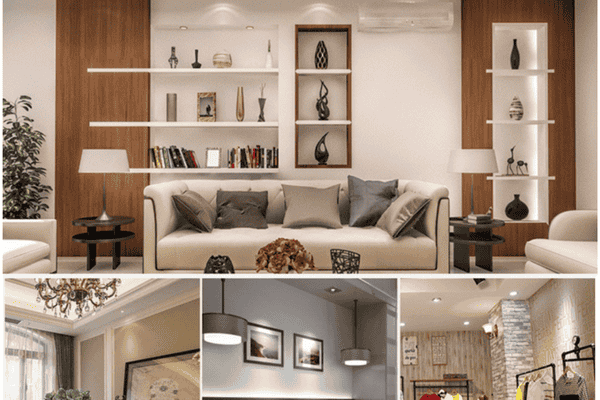
The visual appeal and performance of recessed lighting significantly influence a room's atmosphere. Both can lights and modern downlights offer distinct options for design and light quality, catering to different aesthetic goals and functional needs.
Design Flexibility and Customization
The look of a fixture can either blend into the ceiling or become a design element itself. The choice between a modular system and an integrated one defines the aesthetic possibilities.
Trim Styles and Finishes for Can Lights
Traditional can lights provide extensive customization through a wide variety of trims. This allows homeowners to match their recessed lights to existing decor and hardware. Popular options include:
White: A classic choice that blends seamlessly with most ceilings for a clean look.
Black: Creates a bold, modern contrast, making the fixture a design statement.
Brushed Nickel: Offers a contemporary feel that complements stainless steel appliances.
Bronze: Adds warmth and richness, ideal for traditional or rustic interiors.
Both round and square trims are available, offering further alignment with a room's architectural details.
The Modern, Seamless Look of LED Downlights
Modern LED downlights are celebrated for their clean, minimalist appearance. Many models, especially canless versions, feature a trimless design that integrates directly into the ceiling.
Trimless, recessed lighting eliminates the traditional flange to create a seamless aesthetic. By marrying lighting and architecture, your fixtures become an integral part of the interior’s composition, delivering unobtrusive light that seems to shine from the ceiling itself.
This unified look creates an uninterrupted ceiling plane, making spaces feel larger and more refined. The focus shifts from the fixture to the effect of the light, a hallmark of contemporary design.
Achieving Superior Light Quality
Beyond aesthetics, the quality of light is paramount. Key metrics like color accuracy, temperature, and dimming performance determine how well recessed lighting functions in a space.
Color Rendering Index (CRI) Explained
Color Rendering Index (CRI) measures a light source's ability to reveal the true colors of objects on a scale of 0 to 100. For tasks requiring accurate color perception, a high CRI is essential. A CRI of 90 or higher is recommended for kitchens and bathrooms to ensure food looks fresh and skin tones appear natural. Using a lower-quality LED light in these areas can distort colors.
Choosing the Right Color Temperature (CCT)
Color Correlated Temperature (CCT) describes the warmth or coolness of a light, measured in Kelvin (K). Lower Kelvin values (2700K-3000K) produce a warm, cozy glow, while higher values (4000K-5000K) create a cool, energizing daylight effect. Many modern LED downlights offer tunable CCT, allowing users to adjust the light to suit different activities.
Dimming Performance and Compatibility Issues
Dimming adds versatility to any lighting plan, but compatibility is key. Mismatched components can cause performance issues with LED downlights. Common problems include:
Flickering: Often caused by an unstable power supply or an incompatible dimmer switch.
Buzzing: Typically results from electrical interference between the dimmer and the LED driver.
Poor Dimming Range: The light may not dim smoothly or may turn off abruptly at low levels.
Ensuring the dimmer switch is rated for LED fixtures is crucial for smooth, flicker-free operation.
Beam Angle and Light Distribution Differences
The beam angle of downlights determines the spread of light. A wide beam angle (flood) provides broad, general illumination, while a narrow angle (spot) creates focused accent lighting. Integrated LED fixtures often have precisely engineered optics for superior control over light distribution compared to the more generalized output of a replaceable bulb.
Making the Right Choice for Your Project
Selecting between can lights and led downlights depends on project goals, budget, and aesthetic preferences. Each type of recessed lighting offers specific advantages for different situations. A careful evaluation of your needs will guide you to the best solution.
When to Choose Traditional Can Lights
While modern fixtures are gaining popularity, traditional can lights remain a viable option in certain scenarios. Their modular design provides unique benefits that some projects require.
For Projects Prioritizing Bulb Flexibility
The primary advantage of can lights is their adaptability. Users can easily change bulbs to modify brightness, color temperature, and beam angles. This flexibility is crucial for meeting evolving lighting requirements.
Can lights allow you to swap out bulbs, making it easy to adjust brightness, color temperature, and beam angles over time. This flexibility ensures you can adapt your lighting to changing needs or personal preferences.
To Match Existing Traditional Fixtures
For smaller projects or additions, maintaining visual consistency is key. If a home already has numerous traditional recessed lights, adding new can lights ensures a uniform appearance throughout the space. This prevents a jarring mix of old and new fixture styles.
When the Lowest Initial Fixture Cost is Key
If the upfront budget is the most critical constraint, the individual components of can lights can sometimes be cheaper than an all-in-one fixture. This choice prioritizes immediate savings on materials, though it often leads to higher long-term energy and maintenance costs.
When Integrated LED Downlights Are the Best Option
For most modern applications, integrated led downlights provide superior performance, efficiency, and design. They represent the current standard for high-quality recessed lighting.
For New Builds and Major Remodels
Integrated led downlights are the default choice for new construction and significant renovations. Their ease of installation, especially canless recessed lighting models, saves time and labor. Their high performance aligns with modern building standards for new recessed lights.
In Ceilings with Shallow Plenums or Obstructions
Ceilings with limited space from ductwork, pipes, or shallow joists pose a major challenge for bulky fixtures. The ultra-slim profile of canless recessed lighting makes it the perfect solution. These fixtures require only a few inches of clearance, offering unmatched placement flexibility.
To Maximize Energy Efficiency and Minimize Maintenance
Projects aiming for high energy efficiency ratings benefit greatly from integrated fixtures. LED technology can reduce energy consumption by up to 75% compared to traditional options. This superior energy efficiency lowers utility bills and contributes to certifications like ENERGY STAR. Their long lifespan of up to 50,000 hours virtually eliminates maintenance.
For a Clean, Contemporary Aesthetic
A modern, minimalist look is easily achieved with canless recessed lighting. The fixtures sit flush with the ceiling, creating a seamless and unobtrusive appearance. This clean integration shifts the focus from the fixture to the quality of the light itself, enhancing a contemporary design.
The choice between can lights and led downlights is simple: can lights are housings needing bulbs, while a modern downlight is a complete fixture. Traditional can lights offer bulb flexibility but have a shorter lifespan and higher running costs. In contrast, integrated options provide a much longer lifespan, consuming up to 75% less energy. For most projects comparing can lights and led downlights, the superior efficiency and longer lifespan of up to 50,000 hours make integrated fixtures the clear winner, justifying their value with a long lifespan.
FAQ
Can users put an LED bulb in an old can light?
Yes, users can install an LED retrofit bulb in most traditional can lights. These bulbs often use a standard E26 base. This simple upgrade improves energy efficiency and lifespan without replacing the entire fixture.
What does "canless" mean for recessed lighting?
Canless recessed lighting refers to an LED downlight that does not require a housing can. The slim fixture installs directly into the ceiling. A remote junction box contains the electronics, offering great installation flexibility.
Are integrated LED downlights more expensive?
Integrated LED downlights may have a higher upfront cost. Their long-term value is superior. They save money through significant energy reduction and by eliminating the need for replacement bulbs over their long lifespan.
How long do integrated LED downlights last?
A quality integrated LED downlight has a lifespan of 25,000 to 50,000 hours. This translates to many years of maintenance-free operation. The light output gradually dims over time instead of burning out suddenly.
Do homeowners need an electrician for installation?
Safety First! 💡 A licensed electrician should perform most installations for safety and code compliance. Professional installation ensures proper wiring and prevents electrical hazards. Always check local building codes before starting work.
Can all LED downlights be dimmed?
Not all LED downlights are dimmable. Homeowners must check the product specifications. For dimmable models, using a compatible LED-rated dimmer switch is essential to prevent flickering and ensure smooth performance.