

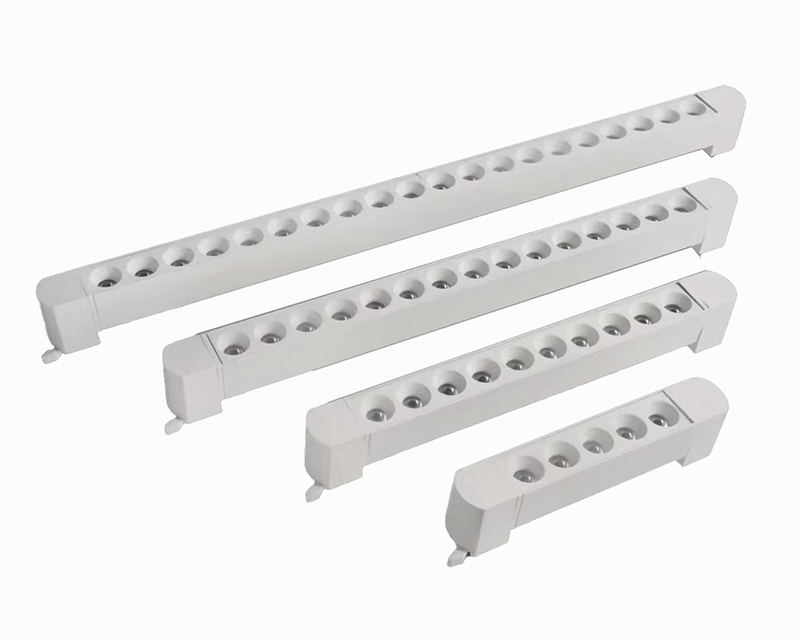
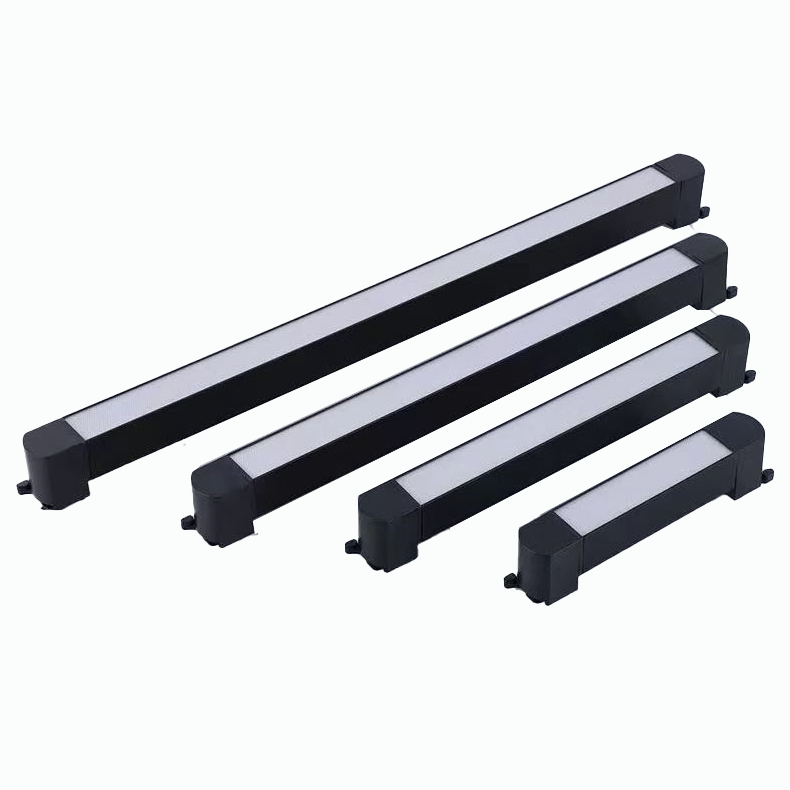
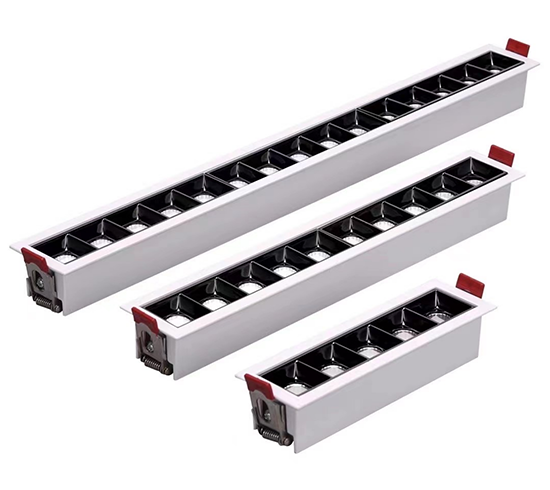
Designers transform flat walls into dynamic features. Combining wall panelling with led lights creates depth, an ambient atmosphere, and a custom look. This design trend is part of a rapidly growing market, with an LED Panel Light Manufacturer and other led light manufacturers seeing significant expansion.
Metric | Value |
|---|---|
Market Size (2025) | USD 31.76 billion |
Projected Market Size (2032) | USD 140.82 billion |
CAGR (2025-2032) | 23.7% |
Modern led light fixtures also offer remarkable energy efficiency. Optimized led lighting can produce substantial cost savings.
These creative ideas show how a custom led panel or a simple LED Panel Light can elevate any home.
Idea 1: The Floating Wall Effect with LED Lights
The floating wall effect is one of the most popular and impactful ideas for integrating panelling and light. It transforms a simple wall into a sophisticated architectural feature. This design creates an illusion of depth and weightlessness, making it a versatile choice for many modern interiors.
The Concept Explained
Creating a Soft, Ambient Glow
The core of this concept is indirect lighting. Designers achieve a soft, ambient glow by hiding the light source. They place high-density LED strips, like COB (Chip on Board) tapes, on the back of a main panel. This method prevents visible dots and produces a smooth, continuous line of light. The light washes the wall behind the panel, creating a beautiful halo effect. For a cozy and inviting atmosphere, lighting experts recommend:
A warm white color temperature between 2700K and 3000K.
LEDs with a wide beam angle for even light distribution.
Installation of a dimmer to adjust the mood from subtle to dramatic.
Making the Panel Appear to Float
The halo of light visually separates the panel from the wall behind it. This separation is what creates the stunning floating illusion. The choice of materials for the panel itself is crucial. A lightweight backing, such as bamboo, makes installation easier. To diffuse the light perfectly, designers often use materials like Japanese Shoji paper or a translucent acrylic sheet. These materials soften the glow and add a high-end, textured appearance, completing the illusion of a weightless, floating surface.
Best Applications for This Idea
Dramatic Living Room TV Walls
A floating panel behind a television serves both aesthetic and functional purposes. The backlighting provides a cinematic feel and enhances the viewing experience by reducing eye strain. This design also offers a clever solution for hiding messy cables, which maintains a clean and minimalist look. The led lights create a soft halo, making the screen itself appear to float and become the room's centerpiece.
Pro Tip: Integrating floating shelves within the panel design adds another layer of function. Hidden led hardware can illuminate the shelves, making displayed items appear to hover magically.
Modern Bedroom Headboard Features
This concept translates perfectly into a serene bedroom feature. Placing a floating panel behind the headboard creates a source of soft, ambient light ideal for winding down. It mimics the refined, luxurious feel of a high-end hotel room. The gentle glow provides enough light for navigating the room at night without being disruptive, adding a layer of practical elegance. These led strip ideas offer a custom look that elevates the entire space.
Style and Vibe
Modern and Minimalist
The floating panel is inherently modern. Its clean lines, hidden light source, and illusion of weightlessness align perfectly with minimalist design principles. The focus remains on form and uncluttered space, with the lighting adding warmth and dimension without adding visual noise.
Dramatic and Theatrical
With the right execution, this design can also be incredibly dramatic. In a dimly lit room, the illuminated panel becomes a powerful focal point. The high contrast between the glowing panel and the surrounding darkness creates a theatrical, gallery-like vibe, perfect for making a bold statement.
How-To Guide
This guide provides the essential steps for creating a floating wall panel. Proper planning and careful execution are key to achieving a professional result.
Tools and Materials
Builders should gather all necessary components before starting the project. A well-organized workspace ensures a smooth installation process.
Item | Description |
|---|---|
Panel Material | MDF, plywood, or a custom decorative panel. |
Framing Lumber | 1x3 or 2x4 boards to build the rear support frame. |
LED Light Strips | High-density COB LED tape is recommended for a dotless glow. |
LED Channel & Diffuser | An aluminum channel helps with heat dissipation and the diffuser softens light. |
LED Power Supply | A driver correctly sized for the length and type of LED strip. |
Dimmer Switch | An optional but recommended component for controlling brightness. |
Fasteners | Wood screws, drywall anchors, and construction adhesive. |
Basic Tools | Tape measure, level, stud finder, drill, and miter saw. |
Step-by-Step Installation
Following these steps will help you construct and mount the floating panel securely. Precision during each stage is crucial for the final look.
Plan the Design: A builder first determines the final dimensions of the panel. He or she then uses a stud finder to locate wall studs for secure mounting points. This planning stage prevents issues later.
Construct the Support Frame: One cuts the framing lumber to create a rectangular frame. This frame should be smaller than the main panel by several inches on all sides. This offset creates the necessary space for the light to spill out. The frame is assembled using wood screws.
Attach the LED Channel: The installer mounts the aluminum LED channel to the outer edges of the support frame. The channel should face outward or backward, depending on the desired light direction. This step protects the LEDs and improves the light quality.
Install the LED Strip: The LED tape is carefully adhered inside the aluminum channel. The installer then snaps the diffuser cover into place. He or she drills a small hole in the frame for the power wire to pass through.
Mount the Frame and Panel: The support frame is securely attached to the wall studs using long screws. Next, the main decorative panel is fixed to the front of the frame with construction adhesive or screws. This creates the complete floating assembly.
Connect and Conceal Wiring: A qualified electrician should handle all wiring. The LED power supply is connected to a power source. Installers can use creative cable management ideas to hide wires behind the panel or within the wall for a clean finish.
Safety First! ⚡️ Always turn off the circuit breaker before working with electrical wiring. If you are unsure about any step, consult a licensed electrician to ensure safety and code compliance.
Idea 2: Geometric Panelling with Integrated LED Light
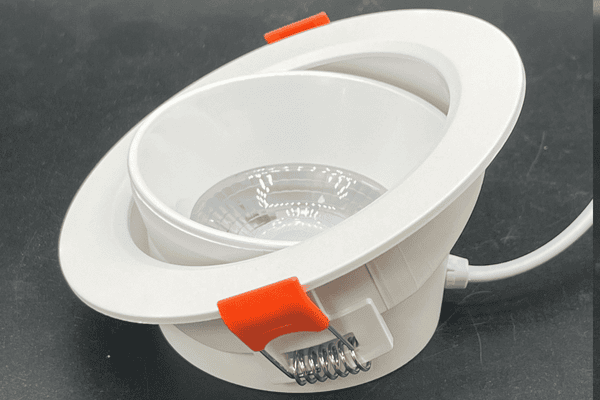
This approach moves beyond simple backlighting and transforms a wall into a piece of dynamic art. Designers integrate light directly into the structure of the panelling, creating bold patterns and turning a flat surface into an architectural statement. These advanced led strip ideas offer a truly custom and high-tech finish.
The Concept Explained
Embedding LEDs into Panel Seams
The core of this concept involves placing LED strips within the seams or grooves between individual geometric panels. To achieve a clean, professional look, designers often use a mounting framework like the Stratlock® Rail System. This system ensures precise alignment and creates a small cavity behind the panel. This space is perfect for concealing wiring and using standoff clips to mount the led strips, as demonstrated in high-end projects at Salone del Mobile Milano. The led strips are typically housed in aluminum channels with diffusers, which soften the light and prevent visible dots or "hotspots," resulting in seamless lines of illumination.
Turning Your Wall into Light Art
When light traces the edges of geometric shapes, the wall itself becomes a canvas. The interplay between the material, the shadows, and the lines of light creates a stunning visual effect. The choice of shape dictates the overall mood.
Hexagons and Diamonds: These shapes create a modern, energetic vibe perfect for a game room or boutique-style space.
Chevrons and Sharp Lines: They contribute to a bold, eye-catching design with a sense of movement.
Fluted and Slatted Designs: These options offer a clean, rhythmic texture. The vertical lines of light can make a room feel taller and more spacious.
Best Applications for This Idea
Futuristic Entryway Feature Walls
An entryway sets the first impression of a home. Using 3D geometric panels with integrated led lights creates an unforgettable welcome. The lighting accentuates the panel's texture and depth, establishing a dynamic focal point. This method provides both functional ambient light and a powerful design element, transforming a simple foyer into a visually striking and futuristic space.
Dynamic Home Office Backdrops
A geometric panel wall makes an exceptional backdrop for a home office. It conveys professionalism and style, elevating the look of the room far beyond a simple painted wall. Designs like the 'TRINITY + LED 0021' panel are specifically suited for this purpose, creating an environment that is both professional and inviting. The integrated lighting provides excellent, diffuse light for video calls, ensuring a polished on-screen appearance.
Style and Vibe
Ultra-Modern and Futuristic
This style is inherently sleek and forward-thinking. The combination of crisp geometric patterns and integrated technology gives any room a high-tech, architectural feel. It speaks to a minimalist sensibility where design elements are both beautiful and functional.
Artistic and Abstract
Depending on the layout, a geometric wall can also feel like a piece of abstract art. The focus shifts from individual panels to the overall composition of shape and light.
The wall is no longer just a boundary of the room; it becomes the primary artwork. The lines of light guide the eye and create a composition that is unique to the space, offering endless creative ideas.
How-To Guide
This guide outlines the process for creating a geometric panel wall with integrated lighting. A methodical approach ensures a high-quality, professional finish.
Tools and Materials
An installer should gather all tools and materials before beginning. This preparation streamlines the installation process.
Item | Description |
|---|---|
Geometric Panels | Pre-made 3D wall panels or custom-cut MDF/plywood shapes. |
Mounting Frame | Lumber (1x2s) for a subframe or a specialized system like Stratlock. |
LED Light Strips | Addressable RGB or single-color LED tape. |
LED Channels & Diffusers | Aluminum channels with frosted covers for seamless light. |
LED Power Supply & Controller | A driver and controller matched to the LED strip's specifications. |
Fasteners | Wood screws, drywall anchors, and panel adhesive. |
Wiring & Connectors | Low-voltage wire and appropriate connectors for the LED strips. |
Essential Tools | Tape measure, level, stud finder, drill, miter saw, and wire strippers. |
Step-by-Step Installation
Following these steps ensures a secure and visually stunning installation. Precision is key to achieving the desired artistic effect.
Design and Layout: The installer first plans the geometric pattern on paper. He or she then transfers the layout to the wall using a pencil and level. This step includes marking stud locations for secure mounting.
Build the Subframe: One builds a simple wooden subframe that follows the planned geometric lines. This frame creates the necessary cavity for wiring and mounting the LED channels. The frame is then securely attached to the wall studs.
Install LED Channels: The installer cuts the aluminum channels to length. He or she fastens them to the subframe along the edges where light is desired. This setup provides a clean track for the LEDs.
Run Wiring and LEDs: The installer places the LED strips inside the channels. He or she runs all low-voltage wiring along the subframe, drilling small holes as needed to connect different sections. This is the best stage to test the lights.
Mount the Panels: One applies construction adhesive to the back of each geometric panel. The installer carefully presses each panel onto the subframe, leaving consistent gaps for the light to shine through. The diffusers are then snapped onto the LED channels.
Final Electrical Connections: A professional connects the LED controller and power supply. This final step brings the creative lighting ideas to life, transforming the wall into a functional work of art.
Safety First! ⚡️ Electrical work requires expertise. Always disconnect power at the circuit breaker before handling wires. A licensed electrician should perform all final connections to ensure safety and compliance with local codes.
Idea 3: Vertical Slat Wall Accent Lighting Ideas
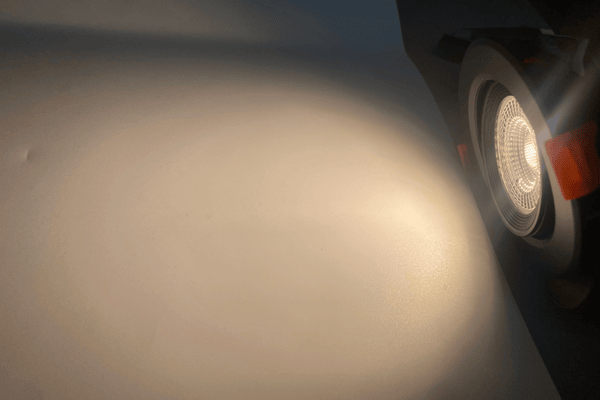
Vertical slat walls are a hallmark of contemporary design, celebrated for their ability to add texture, warmth, and rhythm to a space. Integrating led lights into this design elevates it from a simple wall covering to a dynamic architectural feature. These ideas offer a sophisticated way to play with light and shadow.
The Concept Explained
Placing LED Strips in Slat Gaps
The magic of this concept lies in its seamless integration. Designers place led strips within the gaps between the wooden or composite slats. To achieve a flawless, high-end finish, the choice of diffuser and channel is critical. Specialized led channels are designed to fit perfectly along the edging of an acoustic slat wall panel or 3D wood panel, allowing for either direct or side-glow illumination. For a truly spotless look with no visible dots, experts recommend a few options:
A deep aluminum channel paired with a spotless diffuser provides the most even light.
A shallow channel with a tented diffuser also works well, offering better aesthetics when off and causing less brightness reduction.
Bare aluminum channels are preferable to black ones, as black channels can reduce brightness by over 50%.
Using high-density COB (Chip on Board) led strips with these channels guarantees a smooth, continuous line of light.
Creating Depth with Lines of Light
The vertical lines of light do more than just illuminate; they sculpt the wall. This technique creates a powerful interplay of light and shadow, accentuating the three-dimensional quality of the slat panel. The light catches the edge of each slat, casting a soft shadow in the recess next to it. This effect adds immense visual depth and texture, preventing the wall from appearing flat. The rhythmic pattern of light draws the eye upward, making the entire space feel more expansive and thoughtfully designed.
Best Applications for This Idea
Elongating Hallways and Corridors
Hallways are often narrow and can feel confining. A vertical slat wall with integrated lighting is an excellent solution. The strong vertical lines guide the eye upward, creating an illusion of height that makes the corridor feel taller and more open. The ambient glow also serves as functional pathway lighting, adding safety and a welcoming atmosphere.
Sophisticated Dining Room Ambiance
In a dining room, this application introduces a layer of modern sophistication. A feature wall of illuminated slats provides soft, indirect lighting that is perfect for creating an intimate and refined dining experience. It acts as a stunning backdrop that is both a conversation starter and a source of gentle ambiance, far more interesting than a traditional chandelier alone. This is one of the best led strip ideas for modern homes.
Style and Vibe
Contemporary and Scandinavian
The clean lines, natural wood tones, and minimalist approach of an illuminated slat wall fit perfectly within contemporary and Scandinavian interiors. This style celebrates simplicity, texture, and the beautiful integration of form and function.
The design is not about adding decoration; it is about revealing the inherent beauty of the structure. The light becomes an integral part of the wall's texture, not an afterthought.
Sophisticated and Textural
This look is inherently sophisticated. The combination of a tactile material like wood with the clean, modern lines of light creates a rich and layered effect. It feels custom, luxurious, and architectural, adding a high-end textural element that elevates the entire room's design.
How-To Guide
This guide details the process for installing a vertical slat wall with integrated lighting. Careful planning and precise execution are essential for a professional-grade result.
Tools and Materials
A builder should assemble all necessary components before starting. An organized approach ensures the project proceeds smoothly and efficiently.
Item | Description |
|---|---|
Slat Wall Panels | Pre-made acoustic slat panels or individual wood slats. |
LED Light Strips | High-density COB LED tape for a continuous, dot-free glow. |
LED Channels & Diffusers | Slim aluminum channels designed to fit between or behind slats. |
LED Power Supply | A driver correctly rated for the total length of the LED strips. |
Fasteners | Black screws (for dark felt backing), construction adhesive, and anchors. |
Wiring | Low-voltage wire to connect LED strips to the power supply. |
Essential Tools | Tape measure, level, stud finder, drill, and a fine-toothed saw. |
Step-by-Step Installation
Following these steps will help an installer create a beautiful and securely mounted illuminated slat wall. Accuracy at each stage is vital for the final appearance.
Plan the Layout: The installer first measures the wall and determines the placement of the vertical light strips. He or she can draw the layout on paper to visualize different design ideas and confirm the final look. This plan should include the location of the power supply.
Prepare the Wall: A builder uses a stud finder to mark the wall studs. These marks provide secure anchoring points for the panels. He or she then uses a level to draw a plumb vertical line where the first panel or LED channel will start.
Install Channels and Panels: The installer cuts the LED channels to the desired height and screws them into the wall. He or she then cuts the first slat panel to size. The panel is installed next to the channel using black screws through the felt backing into the studs or with construction adhesive.
Place LEDs and Continue: The builder adheres the COB LED strip inside the installed channel and snaps the diffuser on. He or she should test the light at this stage. The installer continues this pattern across the wall, alternating between panels and light channels as planned.
Manage Wiring: An installer carefully runs the low-voltage wires from each LED strip. Wires can be concealed behind the felt backing of the panels and routed to a single point where the power supply will be located.
Connect to Power: A qualified electrician should perform the final connection. The electrician connects the LED wires to the power supply and then connects the power supply to the main electrical circuit.
Safety First! ⚡️ Always turn off power at the circuit breaker before handling any electrical components. For safety and code compliance, it is highly recommended to hire a licensed electrician for all final wiring.
Idea 4: Hidden Cove Lighting with Panelling
Cove lighting is a classic architectural technique that adds sophistication and soft illumination to any room. Designers combine this method with wall panelling to create a hidden light source that washes a surface with a gentle, indirect glow. This approach offers one of the most elegant led strip ideas for creating ambiance.
The Concept Explained
Building a Ledge to Conceal LEDs
The fundamental principle of cove lighting is hiding the light source from direct view. A designer achieves this by constructing a ledge, trough, or recess along the top or side of a wall panel. This ledge houses the led strip, directing its light upward or outward. For a professional and integrated finish, builders often use prefabricated aluminum profiles. These channels are designed specifically for this purpose.
Specification | Detail |
|---|---|
Product Type | Concealed LED Wall Border Profile |
Material | 6063-T5 Aluminum Alloy |
Channel Size | W50mm (1.97") * H59mm (2.32") |
Inner Width | 23.8mm (0.94") |
LED Diffuser | Opal diffuser |
These concealed led profiles create a seamless indirect lighting system. Their design allows for a minimalist aesthetic by hiding the fixture, making the entire space feel more coordinated. This method protects the led lights from dust and simplifies maintenance.
Washing Walls with Indirect Light
Once the led strip is concealed, it projects light onto an adjacent surface, such as the ceiling or the upper portion of the wall. This "wall wash" technique creates a soft, diffuse illumination that eliminates harsh shadows and reduces glare. The distance between the light source and the surface it illuminates is critical for achieving a smooth, even wash.
Pro Tip: The ideal distance depends on ceiling height. Use these recommendations as a starting point and experiment to achieve the perfect effect.
Wall Height | Recommended Distance from Wall |
|---|---|
8 feet | 2 – 2.5 feet |
9 feet | 2.5 – 3 feet |
10 feet | 3 – 3.5 feet |
Best Applications for This Idea
Soft Ambient Bedroom LED Strip Ideas
In a bedroom, hidden cove lighting above a headboard panel or along the ceiling perimeter provides a perfect source of soft, ambient light. This application is one of the best bedroom led strip ideas for creating a tranquil and relaxing environment. The gentle glow is ideal for winding down in the evening without the harshness of direct overhead fixtures.
Cozy Living Room Illumination
A living room benefits immensely from the warm and inviting atmosphere created by cove lighting. A designer can install a ledge above a media wall panel or along a feature wall to add depth and character. This technique provides beautiful background illumination that makes the entire room feel cozier and more welcoming.
Style and Vibe
Soft and Serene
The indirect nature of the light produces a gentle, calming effect. This style is perfect for creating serene spaces like bedrooms, reading nooks, and spa-like bathrooms where relaxation is the primary goal.
Hotel-Luxury and Refined
Hidden cove lighting is a hallmark of high-end hotel design. It conveys a sense of luxury, sophistication, and thoughtful architectural detail. This approach makes a space feel polished, refined, and professionally designed.
How-To Guide
This guide provides the necessary steps for creating a wall with hidden cove lighting. A professional result requires careful planning and precise execution.
Tools and Materials
A builder should gather all components before beginning the installation. A well-prepared workspace ensures an efficient and smooth process.
Item | Description |
|---|---|
Panelling Material | MDF, plywood, or decorative wall panels. |
Ledge Material | Lumber (1x4s or 1x6s) or a prefabricated cove profile. |
LED Light Strips | High-density LED tape for even, dotless illumination. |
LED Channel & Diffuser | An aluminum channel to house the LED strip and a diffuser to soften the light. |
LED Power Supply | A driver with the correct voltage and wattage for the LED strip length. |
Fasteners | Wood screws, drywall anchors, and construction adhesive. |
Wiring & Connectors | Low-voltage wire and appropriate connectors for the LED system. |
Essential Tools | Tape measure, level, stud finder, drill, and a miter saw. |
Step-by-Step Installation
Following these steps ensures a secure and visually appealing installation. Precision at every stage is crucial for achieving a seamless, integrated look.
Plan the Design: The installer first determines the height and placement of the cove ledge. He or she uses a stud finder to locate secure mounting points on the wall. This planning stage is perfect for finalizing design ideas and the exact light placement.
Construct the Ledge: One builds the ledge that will conceal the LEDs. A builder can create a simple L-shaped trough using lumber or install a prefabricated aluminum profile. The ledge is then securely fastened to the wall studs.
Install the LED Channel: The installer mounts the aluminum LED channel onto the top surface of the ledge. The channel should be positioned to direct light upward or outward, depending on the desired wall wash effect.
Run the LED Strip and Wiring: The builder carefully adheres the LED strip inside the channel. He or she runs the low-voltage wire from the strip along the ledge, concealing it from view. The installer then snaps the diffuser cover onto the channel. It is wise to test the lights at this point.
Mount the Panelling: One installs the main wall panelling below the cove ledge. The installer applies construction adhesive or uses screws to fix the panels to the wall, ensuring a clean edge meets the bottom of the ledge.
Final Electrical Connection: A qualified electrician handles the final wiring. The electrician connects the LED strip's wires to the power supply and then connects the power supply to the main electrical circuit.
Safety First! ⚡️ Always turn off power at the circuit breaker before working with electrical wiring. For safety and to ensure the installation meets local codes, a licensed electrician should perform all final connections.
Idea 5: Backlit Shiplap for a Modern Farmhouse Glow
Shiplap panelling brings a classic rustic charm to any space. Designers can elevate this traditional look by combining it with modern backlighting. This fusion creates a warm, inviting atmosphere that defines the modern farmhouse aesthetic. These ideas blend texture and light for a truly custom feel.
The Concept Explained
Blending Rustic Texture with Modern Light
This concept marries the textured, overlapping lines of shiplap with the soft, diffuse light of hidden led strips. The light grazes the edges of each board, highlighting the signature gaps and adding depth. The result is a gentle, ambient glow that enhances the wall's rustic character. To achieve the perfect warm and inviting atmosphere, lighting experts suggest a few key principles.
Use warm led bulbs around 2700K for a cozy, timeless feel.
Avoid mixing cool white and warm white bulbs in the same room.
Choose bulbs with warm tones to create a welcoming atmosphere.
Select LEDs for their superior energy efficiency and long lifespan.
Installing with a Gap for Backlighting
An installer achieves the backlit effect by creating a small cavity behind the shiplap panel. He or she builds a simple wooden frame, or furring strips, on the wall first. The shiplap boards are then attached to this frame. This method leaves a gap of one to two inches between the shiplap and the original wall. The installer places the led strips on the back of the shiplap boards or along the inner edge of the frame, allowing the light to spill out from the top, bottom, or sides of the finished panel.
Best Applications for This Idea
Cozy Living Rooms and Dens
A backlit shiplap feature wall provides excellent accent lighting in a living room or den. It can frame a fireplace or create a stunning backdrop for a media center. The soft illumination adds depth and warmth, making the space feel cozier and more intimate. This application is one of the most effective led strip ideas for creating a comfortable gathering spot.
Updated Farmhouse-Style Bedrooms
In a bedroom, a backlit shiplap wall behind the bed serves as a beautiful and functional headboard. The gentle lighting is perfect for evening relaxation. It provides enough light to navigate the room without the harshness of an overhead fixture. This design choice updates the classic farmhouse style with a touch of modern sophistication.
Style and Vibe
Modern Farmhouse and Rustic Chic
This look is the epitome of modern farmhouse design. It respects the rustic origins of shiplap while introducing a clean, contemporary element with the integrated lighting. The style feels both timeless and current.
The design creates a bridge between rustic comfort and modern minimalism. The light doesn't just illuminate the wall; it becomes part of its texture, enhancing the natural character of the wood.
Warm and Inviting
The combination of wood texture and warm light produces an undeniably warm and inviting vibe. The soft glow makes any room feel more comfortable and welcoming, encouraging guests and family to relax and stay awhile.
How-To Guide
An installer can use this guide to create a backlit shiplap wall. The process requires careful planning and precise work for a professional-looking result.
Tools and Materials
A builder should gather all the necessary tools and materials before starting. This preparation helps the installation process run smoothly.
Item | Description |
|---|---|
Shiplap Boards | Pine, cedar, or MDF shiplap boards. |
Furring Strips | 1x2 or 1x3 lumber to create the back frame. |
LED Light Strips | Warm white (2700K) LED tape is recommended for a cozy glow. |
LED Power Supply | A driver correctly sized for the total length of the LED strip. |
Fasteners | Brad nails, wood screws, and construction adhesive. |
Wiring | Low-voltage wire to connect the LED strip to the power supply. |
Essential Tools | Tape measure, level, stud finder, drill, and a miter or circular saw. |
Step-by-Step Installation
Following these steps ensures a secure and visually appealing installation. Precision is key to achieving the desired modern farmhouse effect.
Plan the Layout: The installer first measures the wall and plans the layout. He or she uses a stud finder to mark the locations of the wall studs. This step is crucial for securely attaching the support frame.
Build the Support Frame: One cuts the 1x2 furring strips to create a rectangular frame. This frame should be slightly smaller than the final shiplap area. The builder attaches the frame to the wall, screwing it directly into the marked studs. This creates the necessary gap for the backlighting.
Install the LED Strip: The installer adheres the LED light strip to the back of the shiplap boards or along the inside edge of the furring strip frame. He or she drills a small hole in the frame to pass the power wire through. It is a good idea to test the lights at this stage.
Attach the Shiplap Boards: One starts at the bottom and works up. The installer places the first shiplap board on the frame, ensuring it is level. He or she secures it with a brad nailer. The installer continues adding boards, locking each one into the groove of the one below it.
Conceal the Wiring: A builder carefully routes the low-voltage wire from the LED strip to the power supply's location. The wire can often be hidden behind the shiplap or a baseboard for a clean finish. These simple ideas help maintain a professional look.
Connect to Power: A qualified electrician should handle the final connection. The electrician connects the LED wires to the power supply and then wires the power supply to the home's electrical system, often through a switch.
Safety First! ⚡️ Always turn off the power at the circuit breaker before working with any electrical wiring. For safety and to ensure the installation is up to code, hiring a licensed electrician for the final connections is highly recommended.
Idea 6: Picture Frame Moulding with an Inner Glow
This technique offers one of the most elegant ideas for blending classic architecture with modern technology. Designers use picture frame moulding to create decorative boxes on a wall, then add a hidden led strip to the inner edge. The result is a soft, sophisticated glow that frames the wall panel like a piece of art.
The Concept Explained
Applying LEDs to the Inside Edge of Moulding
The core of this concept is concealing the light source within the moulding itself. A designer applies an led strip to the inside edge of the frame, directing the light inward toward the center of the box. For a seamless and professional installation, specialized moulding profiles are the best choice. These products offer several advantages:
They feature dedicated compartments to hide wires and led strips.
Many use LightGuard® technology to prevent light from bleeding through the material.
Some are enhanced with ScratchShield® for superior durability.
Flexible versions are available for curved walls.
Using recessed aluminum channels also ensures a clean, plaster-in finish. These channels house the light strip and provide a smooth surface for a flawless look.
| Model | Material | Inner Width | Installation | | :--- | :--- | | QSG-2696 | 6063-T5 Aluminum | 15.5mm/21mm | Recessed/Plaster-In | | ALU-CM-QSG-2881 | Anodized Alu | 10.5mm | Recessed/Drywall Cove | | MS-AL-9836 | 6063-T5 Aluminum | 21.4mm | Recessed/Plaster-In |
Highlighting Architectural Details
This lighting method beautifully accentuates a room's architectural character. The inner glow draws the eye to the clean lines and classic shapes of the moulding. It creates a subtle play of light and shadow that adds depth and dimension to a flat wall. The illuminated frame turns a simple painted or wallpapered panel into a deliberate, high-end design feature.
Best Applications for This Idea
Formal Dining and Living Rooms
In a formal dining or living room, this application adds a layer of understated luxury. The soft illumination creates an intimate and refined ambiance perfect for entertaining. It elevates the entire space, making it feel more polished and thoughtfully designed. This is one of the most effective led strip ideas for creating a classic yet modern atmosphere.
Elegant Entryways and Hallways
An entryway sets the tone for the entire home. Using picture frame moulding with an inner glow creates a grand and welcoming first impression. The light provides a gentle guide while highlighting the architectural details of the space, making a hallway feel less like a passageway and more like a gallery.
Style and Vibe
Neoclassical and Traditional with a Twist
This style honors traditional and neoclassical design principles while introducing a distinctly modern element. It respects classic proportions and shapes but updates them with clean, integrated technology.
The design does not shout for attention. Instead, it whispers elegance, blending the timeless appeal of architectural moulding with the clean sophistication of modern light.
Elegant and Formal
The overall effect is one of elegance and formality. The precise lines and soft, controlled light create a refined and orderly aesthetic. This look is perfect for homeowners who appreciate classic design but desire a fresh, contemporary update.
How-To Guide
This guide provides the essential steps for creating a wall with illuminated picture frame moulding. A methodical approach and precision are key to achieving a refined, high-end result.
Tools and Materials
An installer should gather all necessary components before beginning the project. A well-organized workspace ensures a smooth and efficient installation process.
Item | Description |
|---|---|
Picture Frame Moulding | Decorative moulding profile (wood, MDF, or polyurethane). |
LED Light Strips | Slim, high-density LED tape for a continuous glow. |
LED Channel & Diffuser | A slim aluminum channel, preferably a recessed or plaster-in type. |
LED Power Supply | A driver correctly sized for the total length of the LED strips. |
Fasteners | Brad nails, construction adhesive, and wood filler. |
Wiring & Connectors | Low-voltage wire and appropriate connectors for the LED system. |
Essential Tools | Tape measure, level, miter saw, caulk gun, and drill. |
Step-by-Step Installation
Following these steps ensures a secure and visually stunning installation. Accuracy at each stage is vital for achieving the desired elegant effect.
Plan the Layout: A builder first designs the box layout on the wall. He or she uses a pencil and a level to draw the precise outlines for each frame. This stage is perfect for finalizing design ideas and the placement of each box.
Cut the Moulding: The installer uses a miter saw to cut the moulding pieces. He or she cuts each corner at a 45-degree angle to create perfect mitered joints. Precision here is critical for a seamless frame.
Assemble the Frames: One assembles the four pieces of each frame on a flat surface. The installer applies wood glue to the mitered corners and joins them. He or she can use corner clamps to hold the frame together while the glue dries.
Install LEDs and Channels: The builder fastens the slim aluminum channel to the inside edge of the assembled frame. He or she then adheres the LED strip inside the channel and runs the wire through a small, drilled hole in the back of the frame. The installer snaps the diffuser cover into place.
Mount the Frames: An installer applies construction adhesive to the back of a completed frame. He or she carefully presses the frame onto the wall, aligning it with the pencil marks. The installer secures it further with a few brad nails.
Final Wiring and Finishing: A qualified electrician should perform the final wiring. The electrician connects the wires from each frame to the power supply. The installer then fills any nail holes with wood filler and caulks the edges for a clean, built-in look.
Safety First! ⚡️ Always turn off power at the circuit breaker before handling electrical wiring. For safety and code compliance, a licensed electrician should complete all final connections.
Idea 7: Recessed Niche Illumination Ideas
Integrating recessed niches into a panelled wall is one of the most functional and stylish design ideas. This technique creates built-in display shelving that appears seamless. Adding illumination transforms these niches from simple storage spots into sophisticated focal points.
The Concept Explained
Building Shelves Within a Panelled Wall
A builder creates a recessed niche by constructing a cavity within the wall structure. This process often involves building a second, non-structural wall in front of the main wall. This method provides the necessary depth for the niche without altering the home's primary framework. Key structural considerations include:
Constructing a 'double wall' where a new frame is built in front of the existing structural wall.
Staggering the studs in the new wall to create open bays for the niches.
Adding horizontal blocking between the two walls for enhanced support and stability.
This approach ensures the finished panel and niche are both sturdy and perfectly integrated.
Lining Niches to Highlight Decor
The magic happens when a designer lines the niche with light. An installer places a slim led strip, often within an aluminum channel, along the top, bottom, or sides of the recess. This hidden light source casts a beautiful glow over the objects on display. The lighting draws attention to the decor, highlighting its texture, color, and form. This technique adds significant depth and prevents the niche from looking like a dark hole in the wall.
Best Applications for This Idea
Living Room Display Shelves
In a living room, illuminated niches within a large feature panel create a stunning display area. They provide the perfect stage for showcasing art, photos, or treasured collectibles. The soft illumination turns a simple collection into a curated exhibit, giving the room a high-end, gallery-like atmosphere. This is one of the best led strip ideas for personalizing a space.
Spa-Like Bathroom Storage Niches
Illuminated niches are exceptionally effective in bathrooms, where they combine practical storage with luxurious ambiance. The soft led glow creates a serene, spa-like feel. Designers use this concept in various ways to achieve a tranquil environment.
Minimalist: A single, brightly lit niche against stone-look tile becomes a powerful design statement.
Subdued: A large niche with soft light, surrounded by neutral wood-look tiles, creates a warm and calming effect.
Layered: Combining niche lights with illuminated mirrors and vanity lights produces a lush, layered ambiance for ultimate spa-like serenity.
Style and Vibe
Functional and Integrated
This design is the epitome of functional elegance. It seamlessly combines storage, lighting, and architectural interest into a single, cohesive element. The result is a clean, uncluttered look that feels intentional and built-in.
Curated and Gallery-Like
The focused light within each niche elevates the items on display, treating them like pieces of art.
The wall is no longer just a boundary; it becomes a personal gallery. The light directs the eye and tells a story, turning everyday objects into curated treasures.
How-To Guide
This guide outlines the process for building a panelled wall with illuminated recessed niches. A methodical approach and precision are essential for a high-end, integrated finish.
Tools and Materials
A builder should gather all necessary components before starting the project. A well-organized workspace ensures a smooth and efficient installation process.
Item | Description |
|---|---|
Framing Lumber | 2x4 boards for building the niche frame. |
Panelling Material | MDF, plywood, or decorative wall panels. |
Drywall | ½-inch drywall sheets for lining the inside of the niche. |
LED Light Strips | Slim, high-density LED tape for even illumination. |
LED Channel & Diffuser | A slim aluminum channel to house the LED strip and protect it. |
LED Power Supply | A driver correctly sized for the total length of the LED strips. |
Fasteners | Wood screws, drywall screws, and construction adhesive. |
Finishing Supplies | Drywall tape, joint compound, primer, and paint. |
Essential Tools | Tape measure, level, stud finder, drill, and drywall saw. |
Step-by-Step Installation
Following these steps ensures a secure and visually stunning installation. Accuracy at each stage is vital for achieving a seamless, built-in look.
Plan and Frame the Niche: An installer first designs the niche layout. He or she determines the size and location, marking the outline on the wall. The builder then constructs a 2x4 frame for the niche box and secures it to the wall studs. This planning stage is perfect for finalizing design ideas.
Install LED Channel and Wiring: The installer cuts the aluminum LED channel to fit inside the niche. He or she fastens it along the top or side where the light is desired. The builder then runs the low-voltage wire from the channel to the future location of the power supply.
Line the Niche with Drywall: One cuts drywall pieces to line the inside of the niche box. The installer secures these pieces to the frame with drywall screws. He or she is careful not to damage the pre-installed LED channel or wiring.
Finish the Niche Interior: The builder applies drywall tape and joint compound to all the seams inside the niche. He or she sands the surface smooth once it is dry. The installer then primes and paints the interior of the niche.
Install Panelling and LEDs: One installs the main wall panelling around the finished niche opening. The installer adheres the LED strip inside the channel and snaps the diffuser cover on. He or she should test the lights at this point.
Final Electrical Connection: A qualified electrician should handle the final wiring. The electrician connects the LED wires to the power supply and then connects the power supply to the home's electrical system.
Safety First! ⚡️ Always turn off power at the circuit breaker before handling any electrical components. For safety and to ensure the installation meets local codes, a licensed electrician should perform all final connections.
Idea 8: Dramatic Floor-to-Ceiling LED Light Channels
This design moves beyond accent lighting to make light a fundamental part of a room's architecture. Designers use floor-to-ceiling led channels to create bold, unbroken lines of light. This technique transforms a simple wall into a powerful and dramatic statement piece.
The Concept Explained
Creating Bold, Vertical Lines of Light
The core of this concept is the seamless integration of light into the wall surface. An installer achieves this by using recessed aluminum profiles. These channels are designed to be plastered into the wall, making the light source itself appear to be a deliberate architectural groove. Key components for this look include:
Plaster-in LED Profiles: These channels have a perforated flange that drywall mud adheres to, creating a flawless, trimless finish.
High-Density LED Tape: COB or other high-density strips eliminate visible dots, producing a single, continuous line of light.
Opal Diffusers: A quality diffuser ensures the light is soft and evenly distributed along the entire channel length.
This method makes the light an integral part of the wall panel, not an addition to it.
Using Light as an Architectural Feature
With this technique, light graduates from an accessory to a building material. The vertical lines draw the eye upward, dramatically emphasizing the height of a room. Designers use this powerful lighting to define zones, create rhythm, or act as a standalone piece of minimalist art. The light itself sculpts the space.
The wall is no longer a static boundary. It becomes a dynamic canvas where light and structure merge. The illuminated lines guide movement and perception, creating an experience rather than just an aesthetic.
Best Applications for This Idea
Spaces with High Ceilings
This design is particularly effective in rooms with high ceilings. The unbroken vertical lines create a sense of grandeur and scale that few other design elements can match. The effect is both elegant and commanding.
Ceiling Height | Visual Impact |
|---|---|
10-12 feet | Creates a strong sense of height and luxury. |
12+ feet | Delivers a truly dramatic, architectural statement. |
Two-Story Entryways and Lofts
In a two-story foyer or a loft apartment, these floor-to-ceiling light channels create a stunning visual connection between levels. This application is one of the most impactful led strip ideas for large, open-concept spaces. The light provides a cohesive design element that unifies the architecture and makes an unforgettable first impression. These ideas work well with a large feature panel.
Style and Vibe
Bold and Architectural
This style is confident, intentional, and structural. It suits spaces where the architecture itself is meant to be the star. The clean lines and powerful visual impact give the room a custom, high-end feel.
Strikingly Modern
The minimalist nature of an integrated led light channel is inherently modern. It aligns perfectly with futuristic and minimalist design principles that prioritize clean forms and uncluttered surfaces. The result is a strikingly modern space that feels both sophisticated and forward-thinking.
How-To Guide
This guide details the process for installing floor-to-ceiling light channels. A professional result requires precision and experience with drywall finishing.
Tools and Materials
A builder should gather all components before starting the project. A complete inventory ensures an efficient workflow.
Item | Description |
|---|---|
Plaster-In LED Profiles | Aluminum channels with perforated flanges for a trimless finish. |
High-density COB LED tape for a continuous, dot-free line of light. | |
LED Power Supply & Controller | A driver and optional controller matched to the LED strip's specifications. |
Drywall & Joint Compound | Standard drywall materials for finishing over the channel flanges. |
Fasteners | Drywall screws. |
Wiring | Low-voltage wire to connect the LED strips to the power supply. |
Essential Tools | Tape measure, level, drywall saw, taping knives, and a drill. |
Step-by-Step Installation
Following these steps ensures a seamless and architecturally integrated installation. Accuracy during the plastering stage is critical for a flawless finish.
Plan and Mark the Layout: An installer first determines the exact location for each vertical light channel. He or she uses a level and pencil to draw precise, plumb lines on the wall from floor to ceiling. This planning stage is perfect for finalizing design ideas.
Cut the Wall and Install Channels: A builder carefully cuts a groove in the drywall along the marked lines using a drywall saw. The groove should match the width and depth of the aluminum profile. The installer then fits the plaster-in channel into the groove and secures it to the wall studs with screws.
Apply Plaster and Finish: An installer applies drywall joint compound over the perforated flanges of the channel. He or she uses taping knives to feather the mud, blending it seamlessly with the surrounding wall. This process may require multiple coats and sanding to achieve a perfectly smooth, invisible transition. The wall is then primed and painted.
Install the LED Strip: The builder adheres the LED light strip inside the clean, painted channel. He or she runs the low-voltage wire from the end of the strip to the power supply location. This is the best time to test the lights.
Attach the Diffuser: The installer snaps the opal diffuser cover onto the aluminum channel. This protects the LED strip and ensures the light is soft and evenly distributed.
Final Electrical Connection: A qualified electrician should perform the final wiring. The electrician connects the LED wires to the power supply and then connects the power supply to the main electrical circuit.
Safety First! ⚡️ Always disconnect power at the circuit breaker before handling any wiring. For safety and to ensure the installation meets local codes, a licensed electrician must perform all final connections.
Idea 9: Wainscoting with a Top-Edge Highlight
This design offers a brilliant way to update a timeless architectural feature. Designers take classic wainscoting and add a modern twist with a subtle line of light. This technique enhances the traditional panel without overpowering it, creating a sophisticated and layered look.
The Concept Explained
Installing an LED Strip on the Top Rail
The execution of this idea is elegant in its simplicity. An installer integrates a slim led strip along the top edge of the wainscoting's chair rail. To achieve a clean, built-in look, a builder can use a chair rail profile with a pre-cut channel. Another method involves creating a small ledge on top of the existing rail. The led strip is placed within this channel, often with a diffuser. This directs a soft wash of light either upward onto the wall or downward across the face of the lower panel.
Creating a Subtle, Guiding Line of Light
This application is not about bright, overt illumination. It is about creating a delicate, linear glow that traces the architecture of the room. The light accentuates the horizontal line of the chair rail, adding visual interest and a sense of structure. This subtle effect provides just enough light to define the space and highlight the texture of the wainscoting, adding depth and a touch of modern luxury.
Best Applications for This Idea
Hallways and Staircases for Pathway Lighting
This is one of the most practical and effective led strip ideas for home safety. In hallways and along staircases, the top-edge highlight provides perfect low-level pathway lighting. It guides movement at night without the harshness of overhead fixtures. The horizontal line of light also creates an illusion of width, making narrow corridors feel more spacious and welcoming.
Classic Dining Room Accent
In a formal dining room, this technique introduces an element of refined ambiance. The soft light grazing the wainscoting adds a layer of sophistication perfect for evening dinners. It complements traditional decor while signaling a contemporary design sensibility.
The light acts as a quiet architectural accent. It elevates the room's character, turning a standard feature into a custom, high-end detail.
Style and Vibe
Traditional and Transitional
This look perfectly embodies transitional design. It respects the classic elegance of traditional wainscoting while seamlessly incorporating modern led technology. The result is a style that feels both timeless and current, bridging the gap between two distinct aesthetics.
Subtle and Functional
The primary appeal of this design is its subtlety. The effect is understated, providing gentle ambiance rather than a bold statement. It is also highly functional, offering practical illumination for navigation while enhancing the room's overall design in a quiet, confident manner.
How-To Guide
This guide provides the essential steps for installing wainscoting with a top-edge highlight. A methodical approach ensures a refined and professional finish.
Tools and Materials
An installer should gather all necessary components before beginning the project. A complete inventory streamlines the installation process.
Item | Description |
|---|---|
Wainscoting Kit | Panels, baseboard, and a chair rail profile. |
LED Light Strips | A slim, low-profile LED tape, preferably with a warm color temperature. |
LED Channel & Diffuser | An optional but recommended slim channel to create a clean, finished look. |
LED Power Supply | A driver correctly sized for the total length of the LED strip. |
Fasteners | Brad nails, construction adhesive, and wood filler. |
Wiring | Low-voltage wire to connect the LED strip to the power supply. |
Essential Tools | Tape measure, level, stud finder, miter saw, and a brad nailer. |
Step-by-Step Installation
Following these steps ensures a secure and visually appealing installation. Precision at each stage is crucial for achieving a subtle, elegant effect.
Plan and Measure: A builder first determines the height of the wainscoting. He or she uses a level to draw a continuous guideline around the room. The builder also uses a stud finder to mark stud locations for secure fastening.
Install Panels and Baseboard: The installer cuts and attaches the wainscoting panels to the wall using construction adhesive and a brad nailer. He or she then installs the baseboard along the bottom to conceal the lower edge of the panels.
Prepare the Top Rail: One modifies the chair rail to house the LED strip. A builder can use a router to create a small channel along the top edge. Alternatively, he or she can attach a small piece of trim to the top of the rail to form a ledge.
Install LED Strip and Rail: The installer adheres the LED strip into the prepared channel on the chair rail. He or she then attaches the chair rail to the wall along the guideline, covering the top edge of the wainscoting panels.
Conceal Wiring: An installer carefully runs the low-voltage wire from the end of the LED strip. The wire can be hidden in a corner or routed through the wall to the power supply's location. These simple ideas help maintain a clean look.
Final Connection and Finishing: A qualified electrician should perform the final connection. The electrician connects the LED wires to the power supply. The installer then fills all nail holes, caulks the seams, and paints the wainscoting for a seamless, built-in appearance.
Safety First! ⚡️ Always turn off power at the circuit breaker before handling electrical wiring. For safety and code compliance, a licensed electrician should complete all final connections.
Idea 10: Interactive Living Room LED Strip Ideas with RGB Panelling
This final concept represents the peak of personalized home lighting. Designers combine smart technology with translucent panelling to create a wall that is not just illuminated but truly alive. This approach transforms a room into an interactive and dynamic environment.
The Concept Explained
Using Smart RGB LEDs with Translucent Panels
The foundation of this idea is the use of smart RGB (Red, Green, Blue) led strips. These lights can produce millions of colors. A designer pairs them with translucent or semi-opaque panels, such as frosted acrylic or polycarbonate sheets. The panels diffuse the light, blending the colors and eliminating hotspots. This combination creates a smooth, uniform glow that can change on command.
Creating a Wall that Changes Color and Syncs to Music
Modern smart led systems connect to Wi-Fi and are controlled via smartphone apps or voice assistants. This connectivity unlocks incredible potential. The lighting can be programmed to change colors, create flowing patterns, or even react to sound. A built-in microphone or software integration allows the wall to pulse and change with music, movies, or games, turning a static surface into a responsive visualizer.
Best Applications for This Idea
Game Rooms and Home Theaters
This is one of the most exciting living room led strip ideas for entertainment spaces. An interactive wall enhances the immersive experience of gaming and watching movies. The dynamic colors can match the on-screen action, pulling the user deeper into the digital world. Many products on the market help achieve this effect.
Nanoleaf's modular Canvas Light Panels allow users to build personalized, interactive backdrops.
Amazon's Lumos Pro Light Strips offer app-controlled customization for dynamic lighting.
The Philips Hue Gradient Signe Floor Lamp casts a vibrant ambiance behind a monitor.
Customizable Kids' Rooms
An interactive panel wall is perfect for a child's room. It can adapt to any activity. A bright white light is ideal for homework. A soft, warm color creates a relaxing atmosphere for bedtime. Fun, shifting colors can turn the room into a vibrant play space. This customizability makes the room grow with the child.
Style and Vibe
Fun and Interactive
This style is all about engagement and playfulness. It turns a wall into a source of entertainment, inviting interaction from family and guests. The effect is dynamic, energetic, and endlessly amusing. This is one of the most creative led strip ideas for a modern home.
The wall ceases to be a simple partition. It becomes an experience, a canvas for light and color that reflects the mood and energy of the room.
High-Tech and Customizable
This design embodies a high-tech, futuristic aesthetic. It showcases the latest in smart home technology and offers limitless personalization. Users can create custom light shows, save their favorite color schemes, and schedule changes throughout the day, making the space uniquely their own.
How-To Guide
This guide outlines the process for creating an interactive wall with RGB panelling. A methodical approach is essential for integrating the technology and achieving a high-end, dynamic result.
Tools and Materials
An installer should gather all components before beginning the project. This preparation ensures a smooth and efficient installation process.
Item | Description |
|---|---|
Translucent Panels | Frosted acrylic or polycarbonate sheets to diffuse the light. |
Framing Lumber | 1x3 boards to build a support frame that creates a cavity. |
Smart RGB LED Strips | Wi-Fi enabled, addressable RGB LED tape with a controller. |
LED Power Supply | A driver correctly sized for the length and power requirements of the LED strip. |
Fasteners | Wood screws, drywall anchors, and panel mounting hardware (e.g., standoff mounts). |
Wiring | Low-voltage wire and connectors as needed for the specific LED system. |
Essential Tools | Tape measure, level, stud finder, drill, and a saw. |
Step-by-Step Installation
Following these steps ensures a secure and functional installation. Precision is key to creating a seamless and responsive light wall.
Design and Frame the Wall: An installer first plans the panel layout on the wall. He or she uses a stud finder to locate secure mounting points. The builder then constructs a shallow wooden frame and attaches it to the wall. This frame creates the necessary space behind the panels for the lights and wiring.
Install the LED Strips: The installer mounts the smart RGB LED strips onto the support frame. He or she arranges them in a grid or serpentine pattern to ensure even light distribution across the entire panel area. The builder runs the wire to the controller's location.
Mount the Translucent Panels: One attaches the translucent panels to the front of the wooden frame. An installer can use decorative standoff mounts for a modern, floating look. He or she leaves a small gap between panels if creating a grid.
Connect to Power: A qualified electrician should handle the final connection. The electrician connects the LED controller and power supply to a dedicated power source. This step brings the creative led strip ideas to life.
Set Up and Sync: The installer downloads the manufacturer's app for the smart LEDs. He or she follows the instructions to connect the lights to the home's Wi-Fi network. The user can then explore the app's features to customize colors, create scenes, and sync the wall to music or movies.
Safety First! ⚡️ Always turn off power at the circuit breaker before handling any electrical wiring. For safety and to ensure the installation meets local codes, a licensed electrician should perform all final connections.
Combining panelling with LED lighting offers versatile design options, from subtle ambiance to bold architectural statements. These ten led strip ideas provide an excellent starting point for creating a unique space in any home. A designer can choose a concept that fits their style. This allows them to give their home a custom glow, a warm glow, and a brilliant final glow.
FAQ
What type of LED strip is best for panelling?
A designer often chooses COB (Chip on Board) LED strips. They produce a seamless, dot-free line of light perfect for high-end installations. High-density SMD strips inside a deep channel with a diffuser also provide excellent results for any lighting project.
Can a homeowner install LED panelling themselves?
A homeowner can complete most of the construction. This includes building frames and mounting panels. However, a licensed electrician must handle all final electrical connections. This ensures safety and compliance with local codes for the lighting system.
How does a builder hide the wires for a clean look?
Installers conceal wires behind the panelling, within wall cavities, or inside specialized moulding channels. Planning the wire path before installation is crucial. These led strip ideas require careful cable management for a professional, seamless finish.
What is the best color temperature for ambient lighting?
For a warm and cozy atmosphere, experts recommend a color temperature between 2700K and 3000K. This warm white light is ideal for living rooms and bedrooms. It creates an inviting and relaxing environment.
Are these led strip ideas expensive to implement?
The cost varies widely. A simple DIY project can be affordable. Custom installations with high-end materials and professional labor will be more expensive. Budgeting for both the panelling and the electrical components is important.
How does an installer power the LED strips?
LED strips require a low-voltage DC power supply, also known as a driver. The driver converts the home's standard AC voltage. An electrician selects a driver with the correct voltage and adequate wattage for the total length of the LED strip.