

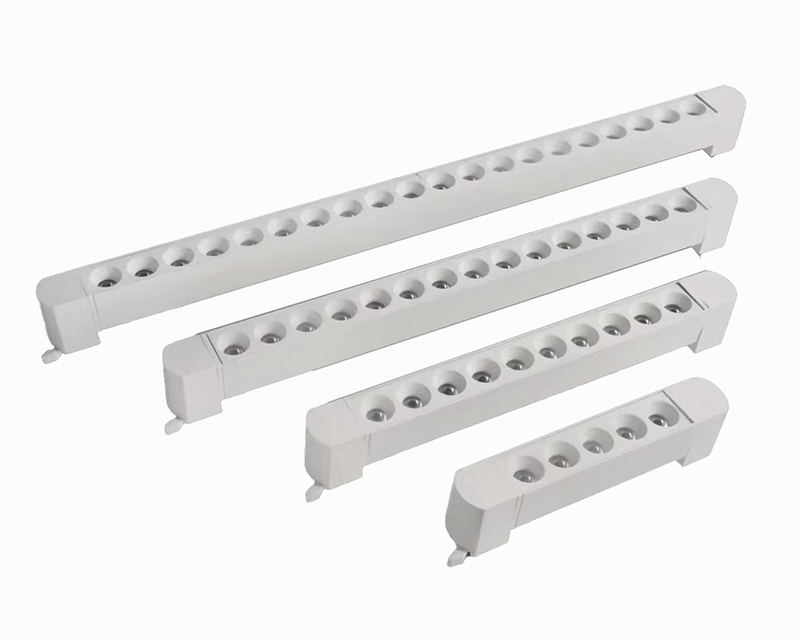
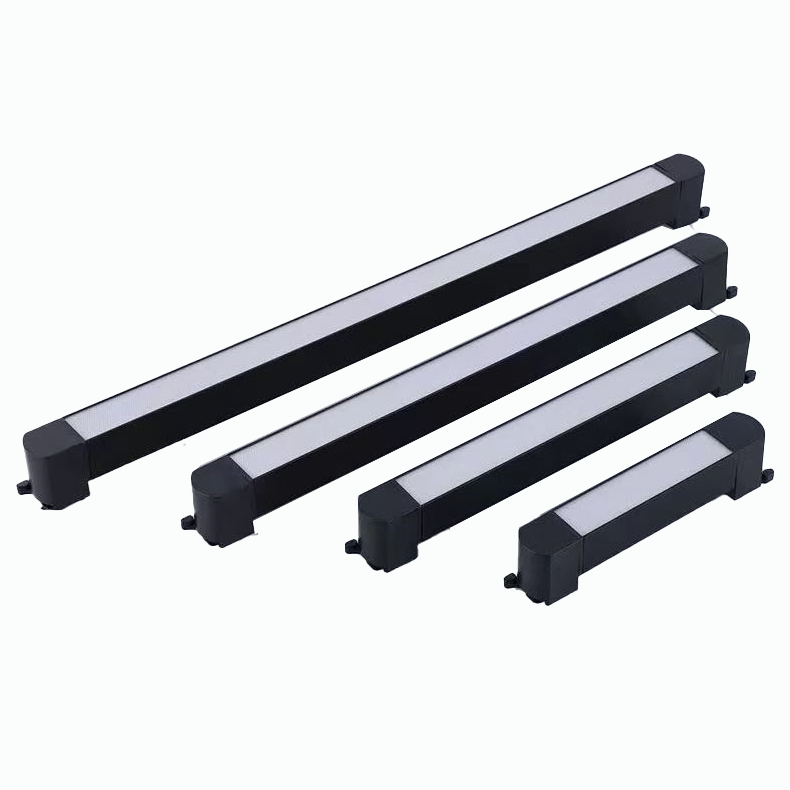
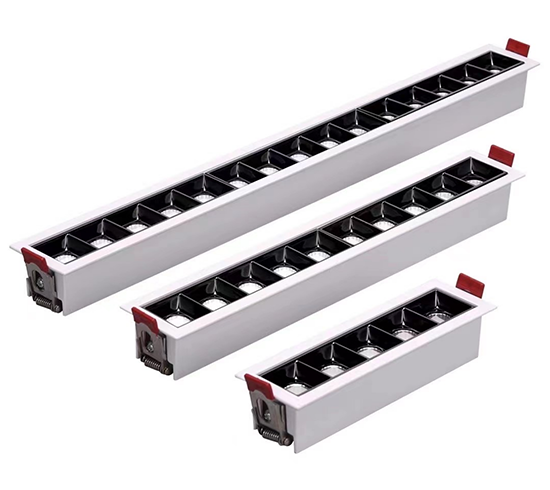
An excellent lighting design can transform a space from ordinary to extraordinary. Modern LED track lighting offers unparalleled flexibility, making it a powerful tool for homeowners and designers. The global LED track lighting market is projected to grow significantly, reaching USD 2.456 billion by 2030. This growth highlights its increasing popularity. These systems allow for precise control over illumination. Focused beams can spotlight favorite artwork, creating a personal gallery. A "wall wash" effect enhances textured surfaces like brick or stone. In the kitchen, layered lighting provides both perfect task lighting and inviting mood lighting. Open-plan living spaces can be visually divided into separate zones using strategic track lighting. This adaptability makes it one of the most versatile track lighting ideas available from any LED Track Light Manufacturer. Homeowners can use these led light fixtures to accentuate architectural features, such as sloped ceilings and exposed beams, adding drama and depth. The right LED Track Light from reputable led light manufacturers can redefine any room's atmosphere and functionality.
Master the Art of Accent Lighting
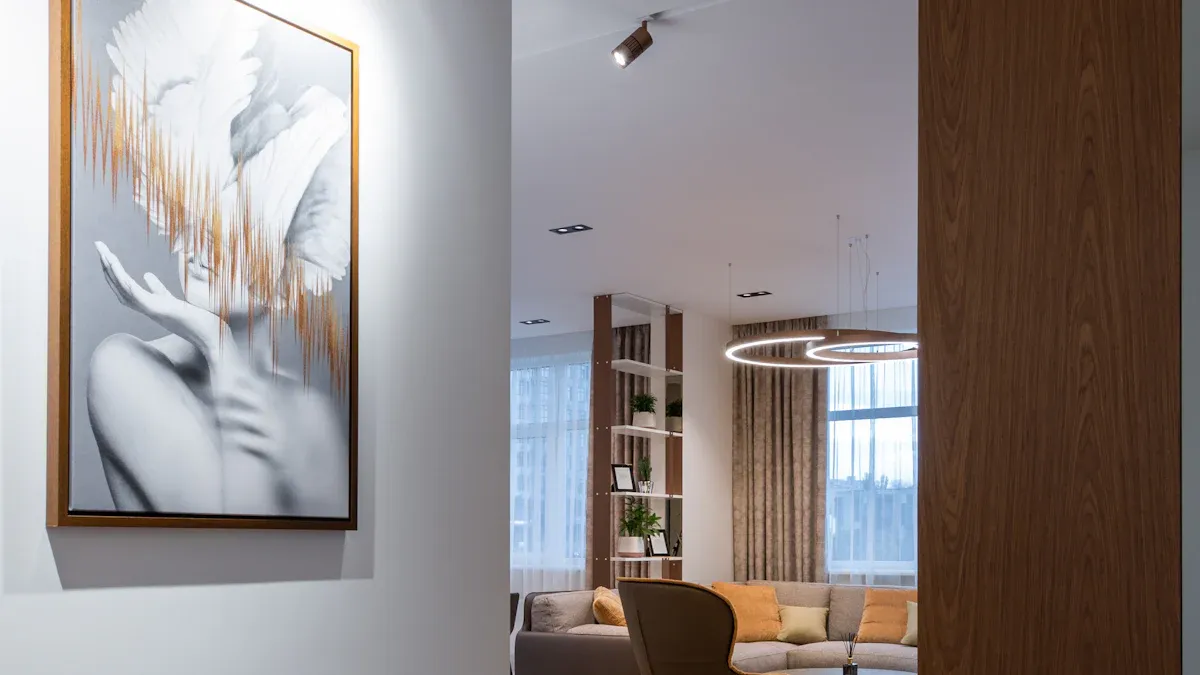
Accent lighting transforms a home by creating focal points and adding a layer of visual drama. LED track lighting is the premier tool for this task. Its inherent flexibility allows homeowners to direct light with precision, turning everyday objects into celebrated features. This approach moves beyond simple illumination. It uses light to tell a story and guide the eye.
Create Your Own Private Art Gallery
Homeowners can replicate a professional gallery experience using adjustable track lighting. The key is to create contrast between the highlighted art and the surrounding ambient lighting. This technique makes the artwork pop.
Spotlighting a Hero Piece
A single, large piece of art demands attention. An adjustable track head can focus a concentrated beam directly onto the canvas. This creates a dramatic focal point. The surrounding area remains dimmer, ensuring the viewer's gaze is drawn immediately to the intended "hero" piece. This focused lighting enhances the artwork's visibility and impact.
Lighting a Gallery Wall
A collection of smaller pieces requires a different strategy. Museum curators often use track lighting for its versatility in these situations.
Use multiple adjustable heads on a single track to illuminate each piece individually.
Create a "wall wash" by spacing the heads evenly to cast a broad, uniform light across the entire collection.
Vary the beam angles and intensity to guide the viewer’s eye through the arrangement, creating a visual narrative.
Illuminating Sculptures and 3D Art
Three-dimensional art benefits greatly from strategic track lighting. Manipulating the angle of the light creates shadows and depth. This technique adds a dynamic, three-dimensional quality that emphasizes texture and form. A single track can support multiple heads, allowing for lighting from different angles to reveal every detail of the sculpture.
Choosing the Right Tools for the Job
Effective art lighting depends on the right technical specifications. The type of art, the beam angle, and the quality of the light source are all critical factors.
Understanding Beam Angles
The beam angle determines the size of the light pool. A narrow spot (10-25 degrees) is perfect for small, individual pieces. A wider flood (30-60 degrees) works well for larger canvases or wall washes. The flexibility of track lighting allows for mixing different beam angles on one track.
Selecting the Perfect Track Head
Modern track heads offer superior performance. Integrated LED luminaires, such as the Mini-LED 811/812 series, provide excellent energy savings and dimming capabilities. These high-performance heads are designed for adjustability, making them ideal for the precise demands of accent lighting in homes and boutiques.
The Role of Color Rendering Index (CRI)
The Color Rendering Index (CRI) measures how accurately a light source reveals colors. For artwork, a high CRI is non-negotiable.
A light with a 95 CRI makes objects appear almost identical to how they look in natural daylight. In contrast, a low CRI of 80 can distort colors, making deep reds appear dull and unnatural. This distinction is crucial for appreciating the true hue and tone of any artwork.
Different art media also require specific lighting considerations for the best presentation.
Art Type | Color Temperature | Lux Range (Lumens) |
|---|---|---|
Oil Paintings | 2700K-3000K | 150-200 lux |
Watercolors | 4000K | 50 lux maximum |
Works on Paper | 4000K | 50 lux maximum |
This tailored approach ensures each piece is displayed in its best possible light.
Highlight Your Home's Architecture with LED Track Lighting
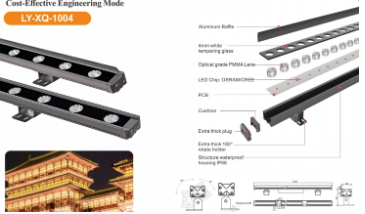
Beyond illuminating rooms, led track lighting excels at showcasing a home's unique architectural character. Strategic lighting can turn structural elements into stunning design features. The flexibility of track lighting allows homeowners to direct light with surgical precision, adding depth, drama, and visual interest to any space. This targeted approach to lighting transforms how one perceives and experiences the home's design.
Add Drama with Wall Lighting Techniques
Wall lighting techniques can completely change the feel of a room. They can make a space feel larger, highlight texture, or create a soft, ambient glow. Two primary techniques, wall washing and wall grazing, offer distinct effects using track lighting.
The Wall Washing Effect
Wall washing bathes a vertical surface in a smooth, uniform layer of light. This technique minimizes surface imperfections and makes a room feel more spacious and open. To achieve this effect, the track lighting fixtures should be mounted 2 to 3 feet from the wall, allowing a wide beam of light to spread evenly. It is an excellent lighting choice for smooth, flat surfaces.
The Wall Grazing Technique
Wall grazing does the opposite of washing. It accentuates texture by creating dramatic shadows. This technique is perfect for surfaces like stone, brick, or textured wallpaper.
For effective wall grazing, position the track lighting fixtures very close to the wall, typically within 12 inches. This narrow angle of illumination skims the surface, casting sharp shadows that reveal every detail and create a powerful visual statement.
Draw the Eye Upward
High or unique ceilings are significant architectural assets. The right lighting strategy draws attention to these features, enhancing the sense of volume and grandeur in a room. Adjustable track lighting is an ideal tool for this purpose.
Accentuating Sloped Ceilings
Sloped and vaulted ceilings present a lighting challenge that track lighting easily solves. A suspended track system can be hung perfectly level, creating a clean horizontal line that contrasts beautifully with the ceiling's angle. This approach lowers the adjustable fixtures to an effective height, providing better lighting control and reducing glare.
Highlighting Exposed Beams
Exposed beams add rustic or industrial charm to a space. Homeowners can mount track lighting directly to or between beams. Aiming adjustable heads upward to bounce light off the ceiling creates a soft, indirect illumination. Alternatively, pointing narrow beams down along the beams emphasizes their linear form.
Framing Fireplaces and Built-ins
Fireplaces and built-in shelving serve as natural focal points. A track lighting system can frame these features beautifully. In a modern apartment, owners can direct adjustable lights toward a TV wall for an ambient glow or highlight framed art above a mantelpiece. This layered lighting makes the space feel more dynamic and well-designed.
Practical Tips for Architectural Track Lighting
Proper planning is essential for effective architectural lighting. The placement of the track and the choice of heads determine the success of the design.
Why Track Placement is Key
Track placement depends on ceiling height and the feature being lit. For standard ceilings, a distance of 20 to 40 inches from the wall is a good rule of thumb. This positioning helps avoid creating harsh shadows or glare. For very high ceilings, suspending the track brings the light source closer to the intended target.
Choosing Flood vs. Spot Heads
The choice between flood and spot heads is critical.
Spot Heads: These produce a narrow beam (around 15 degrees) and are perfect for accenting a specific object from a distance.
Flood Heads: These cast a wider beam (around 60 degrees) and are ideal for wall washing or providing general, even lighting over a large area.
The ability to mix and match these heads on a single track gives led systems unparalleled versatility.
A Guide to Functional Track Lighting Design
Effective track lighting design goes beyond aesthetics; it enhances a home's functionality. The versatility of led track lighting allows homeowners to tailor illumination for specific tasks, define zones in open layouts, and transform simple storage into a design statement. This practical approach makes daily living more efficient and enjoyable.
Revolutionize Your Kitchen Lighting
The kitchen is a hub of activity that demands a multi-layered lighting strategy. Track lighting provides the flexibility needed to illuminate every corner, from prep areas to the central island, ensuring the space is both functional and inviting.
Precision Task Lighting Over Counters
Proper task lighting is essential for safety and efficiency during food preparation. The Illuminating Engineering Society (IES) recommends high brightness for these work zones. Adjustable track lighting excels here, allowing users to direct focused beams precisely where needed. This minimizes eye strain and makes tasks like chopping and mixing easier.
Illuminating the Kitchen Island
A kitchen island often serves multiple purposes, from a prep station to a casual dining spot. A track lighting system can accommodate these varied uses. Homeowners can position multiple adjustable heads over the island to create a bright, evenly-lit workspace. The ability to dim the lighting also allows for a quick transition to a softer, more ambient mood for dining or socializing.
Kitchen Area | Recommended Lumens per Square Foot |
|---|---|
Task Areas (e.g., countertop, sink) | |
General Kitchen Areas | 30-40 lumens/sq ft |
Layering Light for a Multi-Use Space
A successful kitchen design layers different types of lighting. Track lighting can serve as the primary source for both task and ambient illumination. Homeowners can combine it with other fixtures, like pendants over an island, to create a rich and dynamic lighting environment. The low heat output of LED bulbs makes them a safe and energy-efficient choice for any kitchen application.
Define Spaces in an Open-Concept Home
Open-concept living presents a unique lighting challenge. Track lighting offers a subtle yet powerful solution for creating visual separation between different functional areas.
Creating a "Room" with Light
Strategic lighting can create the illusion of separate "rooms" within a large, open space. A dedicated track can illuminate a living area, while another defines the dining space. This targeted illumination visually contains each zone without physical walls, maintaining the open feel while improving organization. This technique is effective for separating a living room from a dining area.
Separating Work from Relaxation
Color temperature plays a crucial role in setting the mood for different activities. A great track lighting design can use this to separate work and relaxation zones.
Work Zones: A cooler, neutral white light (around 4000K) promotes focus and alertness, making it ideal for a home office nook.
Relaxation Zones: A warmer light (around 3000K) creates a cozy, inviting atmosphere perfect for a living room seating area.
Turn Storage into a Design Feature
Track lighting can elevate storage from a purely functional element to an integral part of the home's decor.
Lighting Bookshelves and Displays
Homeowners can create a "gallery effect" for bookshelves and display cases. Adjustable track lighting allows for precise aiming of light onto specific objects, highlighting books, art, or collectibles. This focused lighting draws attention and adds a layer of sophistication to the room.
In-Cabinet and Wardrobe Lighting
Miniature track systems offer a sleek solution for lighting inside cabinets and wardrobes. Systems like the Zaniboni Mini-Track use magnetic, tool-free fixtures for ultimate flexibility. These small, powerful lights illuminate contents, making items easy to find while adding a high-end, custom feel to the design.
Craft the Perfect Mood and Ambiance
Strategic lighting design is about more than just visibility; it is about creating an emotional response. LED track lighting gives homeowners the power to sculpt the atmosphere of a room, transforming it from a simple space into an experience. By manipulating layers, brightness, and color, anyone can craft the perfect mood for any occasion.
The Art of Layering Light
Layering is a fundamental principle of sophisticated lighting design. It involves using multiple light sources to build depth and visual interest. Our eyes are naturally drawn to the brightest spots in a room, so a layered approach guides perception and establishes a clear visual hierarchy.
Ambient Light: This is the foundational layer that sets the overall tone. It provides general illumination and makes a space feel welcoming.
Accent Light: Provided by track lighting, this layer draws attention to specific features like artwork or architecture.
Sparkle Light: This adds excitement through bright points of light, heightening the emotional stimulus of a space.
Combining Tracks with Other Fixtures
Effective layering often involves combining different types of fixtures. A track lighting system can provide excellent ambient or accent lighting while other fixtures add character. For instance, a stunning pendant can hang over a dining table to create an elegant focal point, while the surrounding track system provides flexible general illumination. Pairing track lights with wall sconces creates a rich effect that enhances both the room's architecture and its overall design. This combination makes the lighting in a modern living space both dynamic and functional.
The Power of Dimmers
Control over brightness is essential for crafting ambiance. Dimmers allow for seamless transitions between different moods. Bright lighting can energize a room for a social gathering, while lower levels create an intimate, relaxing atmosphere.
The ability to adjust brightness is a key psychological tool. Soft ambient lighting in a dining area encourages guests to relax and stay longer. Installing dimmable led fixtures provides this crucial flexibility, making any space adaptable to the needs of the moment.
Harnessing Color Temperature for Mood
Color temperature, measured in Kelvin (K), describes the appearance of light, from warm to cool. This characteristic has a significant psychological impact and is a powerful tool for setting the mood in different areas of a home. Modern track lighting offers a wide range of color temperatures to suit any design goal.
Warm Light for Cozy Spaces
Light in the 2000K to 3000K range casts a warm, yellowish-white glow similar to a traditional incandescent bulb or a candle. This color temperature is ideal for creating a cozy and inviting atmosphere. It is the perfect choice for bedrooms and living rooms, where relaxation and comfort are the primary goals.
Neutral Light for Active Areas
A neutral white light, typically between 3100K and 4500K, provides a clean and balanced illumination. This color temperature is less relaxing than warm light but not as stark as cool light. It is well-suited for active areas like kitchens and home offices where visibility and alertness are important without causing strain.
Cool Light for Focus and Energy
Cool light, ranging from 4600K to 6500K, mimics the appearance of natural daylight. This crisp, bluish-white lighting elicits more psychological energy and is excellent for spaces that require high focus and alertness. It is a great option for task-oriented areas like workshops, garages, or home gyms.
Advanced Track Lighting Techniques and Styles
Designers can push the boundaries of illumination with advanced track lighting systems. These modern solutions move beyond basic functionality. They become integral components of a home's aesthetic, offering sophisticated and creative ways to shape a space.
Modern and Minimalist Approaches
Minimalist design values clean lines and uncluttered spaces. Modern track lighting systems align perfectly with this philosophy, providing powerful illumination from discreet and elegant fixtures.
Using Monorail and Flexible Tracks
Monorail and flexible track lighting systems offer unparalleled creative freedom. Unlike rigid tracks, these systems can be hand-bent into custom curves and organic shapes. This flexibility allows the lighting fixture itself to become a sculptural element in the room. A flexible track lighting installation can follow the contour of a curved wall or create a dramatic, sweeping loop over a kitchen island.
Feature | Traditional Straight Tracks | Monorail/Flexible Track Systems |
|---|---|---|
Design & Aesthetics | Functional with straight, geometric lines. | Sculptural with graceful curves and custom shapes. |
Flexibility of the Rail | Rigid and limited to linear patterns. | Hand-bendable for organic, flowing layouts. |
Primary Functionality | Excels at focused task and accent lighting. | Blends ambient, accent, and decorative lighting. |
This modern track lighting approach transforms a functional utility into a central piece of the interior design.
Integrating Tracks into Ceiling Design
A truly minimalist look involves integrating lighting directly into the architecture. Recessed track systems achieve this by hiding the track within a channel in the ceiling.
Products like PureEdge Lighting's MicroTrack™ create a clean slot from which small, powerful heads emerge. This technique makes the light source nearly invisible, providing illumination without visual clutter. It is a sophisticated lighting solution for achieving a seamless and modern aesthetic.
Creative and Unconventional Uses
Modern track lighting invites experimentation. Creative applications can produce unique effects that add personality and drama to a space.
Bouncing Light for Indirect Illumination
Direct lighting can sometimes feel harsh. An advanced technique involves using adjustable track heads to bounce light off ceilings or walls. This method creates a soft, diffuse glow that fills the room with comfortable, indirect illumination. Aiming fixtures upward softens the emitted rays, preventing harsh beams and creating a more evenly distributed ambient lighting. This approach makes a space feel larger and more serene.
Using Pinhole Heads for Subtle Sparkle
Pinhole heads are fixtures with very small apertures. They produce tight, focused beams of light that can create a "sparkle" effect. Designers use them to add a layer of visual excitement, similar to a starry night sky. This technique is perfect for highlighting reflective objects or adding a touch of magic to a hallway or media room.
Creating Patterns on the Ceiling
The track itself can be an artistic element. Instead of a single straight line, designers can arrange multiple tracks in geometric patterns like squares, grids, or zig-zags. This turns the ceiling into a canvas. The resulting track lighting layout adds a bold, graphic statement to the room's overall look, proving that even the hardware of a flexible track lighting system can be beautiful.
Modern led track lighting proves to be an exceptionally versatile tool for any home. Designers and homeowners can use it to achieve multiple goals.
It provides a powerful method for accenting art, highlighting architecture, and defining zones in open spaces.
The use of different adjustable heads, beam angles, and dimmers with this track lighting allows for active mood shaping in any room.
This track lighting encourages a shift from basic illumination to using light as a core element of interior design.
Experimenting with these track lighting concepts helps transform a home and express a unique personal style.
FAQ
Can homeowners install track lighting themselves?
While some homeowners with electrical experience may attempt installation, hiring a licensed electrician is the recommended course of action. A professional ensures the system is installed safely and complies with all local building codes, preventing potential hazards and guaranteeing proper functionality for the lighting system.
How far apart should track heads be spaced?
Spacing depends on the lighting goal. For general illumination, designers often place heads every 2 to 3 feet. For accent lighting, the placement should correspond directly to the objects being highlighted. The beam angle of each head also influences the ideal spacing for complete coverage.
Are all track lighting systems compatible?
No, track lighting systems are not universally compatible. Most systems fall into three main types: H-type, J-type, and L-type.
Important Note: The track heads must match the track type. A J-type head will not fit on an H-type track. Always verify compatibility before purchasing components.
Can LED track lights be used on sloped ceilings?
Yes, track lighting is an excellent solution for sloped ceilings. Designers can use suspension kits to hang the track level, or they can mount the track directly to the slope. Adjustable heads allow for precise aiming of light regardless of the ceiling's angle.
What is the difference between monorail and standard track lighting?
Standard tracks are rigid and create straight, linear patterns. Monorail systems use a single, often bendable rail that can be shaped into custom curves. This allows the monorail fixture itself to become a sculptural and decorative element in the room's design.
How long do LED track lights last?
LED track heads have a very long lifespan, typically ranging from 25,000 to 50,000 hours. With average daily use, this translates to over 15-20 years of service. This longevity makes them a durable and cost-effective lighting investment for any home.