

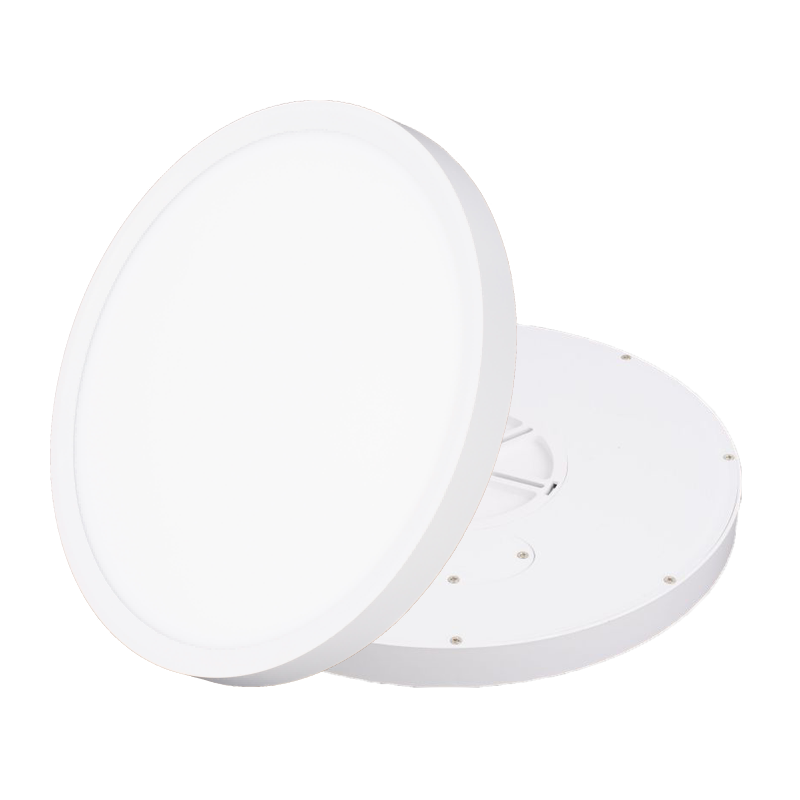
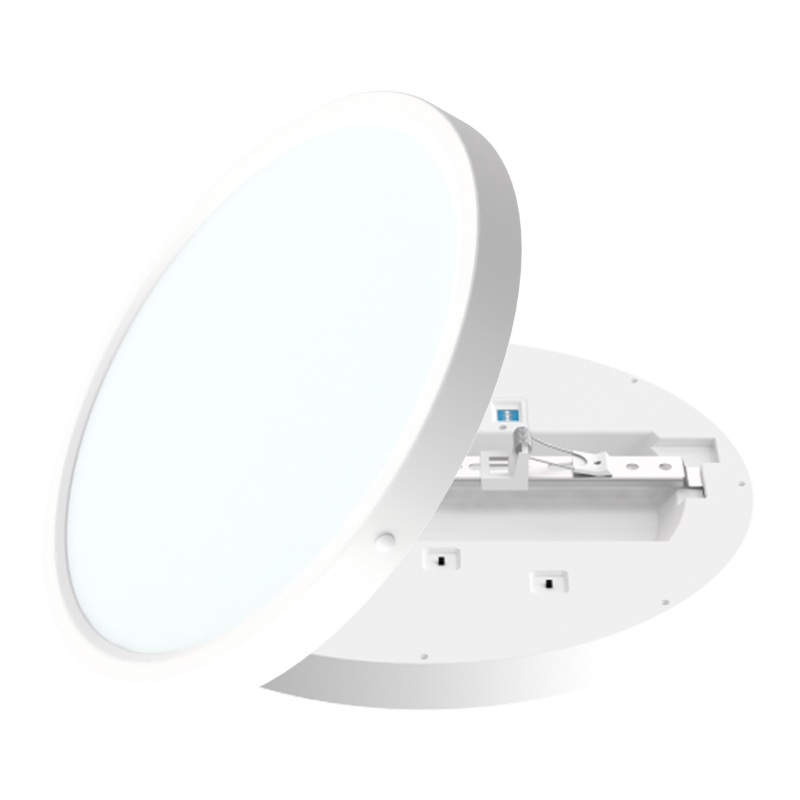
Key factors differentiate led ceiling lights: their features, price, and overall energy efficiency. Advanced features in modern led light fixtures directly influence the upfront cost. High energy efficiency, however, reduces long-term operational expenses. An LED Ceiling Light Manufacturer often balances these elements differently across its product lines. Buyers must understand how led light manufacturers design each LED Ceiling Light.
A smart choice among various led ceiling lights hinges on understanding the interplay between brightness (lumens), color temperature, cost, and efficiency.
Core Lighting Features to Compare in LED Ceiling Lights
Selecting the right fixture requires a clear understanding of its core lighting characteristics. Brightness, color temperature, and color rendering are the three pillars that define a light's performance. Homeowners can make an informed decision by evaluating these features against their specific room requirements.
Brightness Explained: Lumens vs. Watts
What Are Lumens?
Lumens (lm) measure the total amount of visible light a source emits. This unit quantifies the actual brightness the human eye perceives. In the past, people used wattage to estimate brightness. However, modern technology makes this comparison obsolete. An energy-efficient 10W LED bulb, for instance, can easily outshine a traditional 40W incandescent bulb. Therefore, lumens provide the most accurate and consistent metric for brightness.
Key Takeaway: Lumens measure light output (brightness), while watts measure power input (energy use). Always compare lumens to determine how bright a light will be.
How Many Lumens Do You Need Per Room?
The ideal brightness for a room depends on its size and purpose. A common method to estimate lumen needs is to multiply the room's square footage by a recommended "lumens per square foot" value. Task-oriented areas like kitchens require more lumens than relaxation spaces like bedrooms.
A Room-by-Room Lumen Requirement Guide
Here is a general guide for common household spaces:
Kitchens: 70-80 lumens per sq. ft.
Bathrooms: 70-80 lumens per sq. ft.
Living Rooms: 20-30 lumens per sq. ft.
Bedrooms: 20-30 lumens per sq. ft.
Home Offices: 60-70 lumens per sq. ft.
Color Temperature (CCT): Setting the Right Mood
Understanding the Kelvin Scale (K)
Color Correlated Temperature (CCT) describes the color appearance of a light, measured in Kelvin (K). The Kelvin scale is based on the concept of heating a theoretical "black body radiator." As its temperature rises, the object glows, shifting its color from red to yellow and eventually to a bluish-white. This provides a standardized way to define a light's warmth or coolness.
Warm White (2700K-3000K) for Relaxation
Lights in this range produce a cozy, yellowish glow similar to traditional incandescent bulbs. This warm light is ideal for creating a relaxing and inviting atmosphere in bedrooms and living rooms.
Neutral White (3500K-4100K) for General Use
This range offers a balanced, clean light that is neither too yellow nor too blue. It is a versatile choice for many areas, including hallways, laundry rooms, and general kitchen spaces.
Cool White (5000K-6500K) for Task-Oriented Spaces
Cool white light mimics natural daylight. Its crisp, bluish tone enhances focus and alertness, making it perfect for home offices, garages, and task areas like kitchen countertops.
Color Rendering Index (CRI): How to See True Colors
What is CRI and Why Does It Matter?
The Color Rendering Index (CRI) measures how accurately a light source reveals the true colors of objects compared to a natural light source. The International Commission on Illumination (CIE) defines this effect by comparing an object's appearance under the test light to its appearance under a reference illuminant. A high CRI is crucial for spaces where color accuracy matters, such as kitchens and bathrooms.
Identifying a Good CRI Rating (80+ vs. 90+)
CRI is rated on a scale from 0 to 100.
CRI 80+: Considered good for general residential use. Most led ceiling lights meet this standard.
CRI 90+: Considered excellent. These led ceiling lights render colors with high fidelity, making them ideal for art galleries, retail stores, and homes where aesthetic detail is a priority.
The Impact of Low CRI on Your Home's Aesthetics
A light with a low CRI can make colors appear dull, washed out, or shifted in hue. For example, vibrant red apples might look brownish, and skin tones can appear unnatural. Choosing a fixture with a high CRI ensures your decor, food, and clothing look exactly as they should.
Advanced Functionality and Smart Features
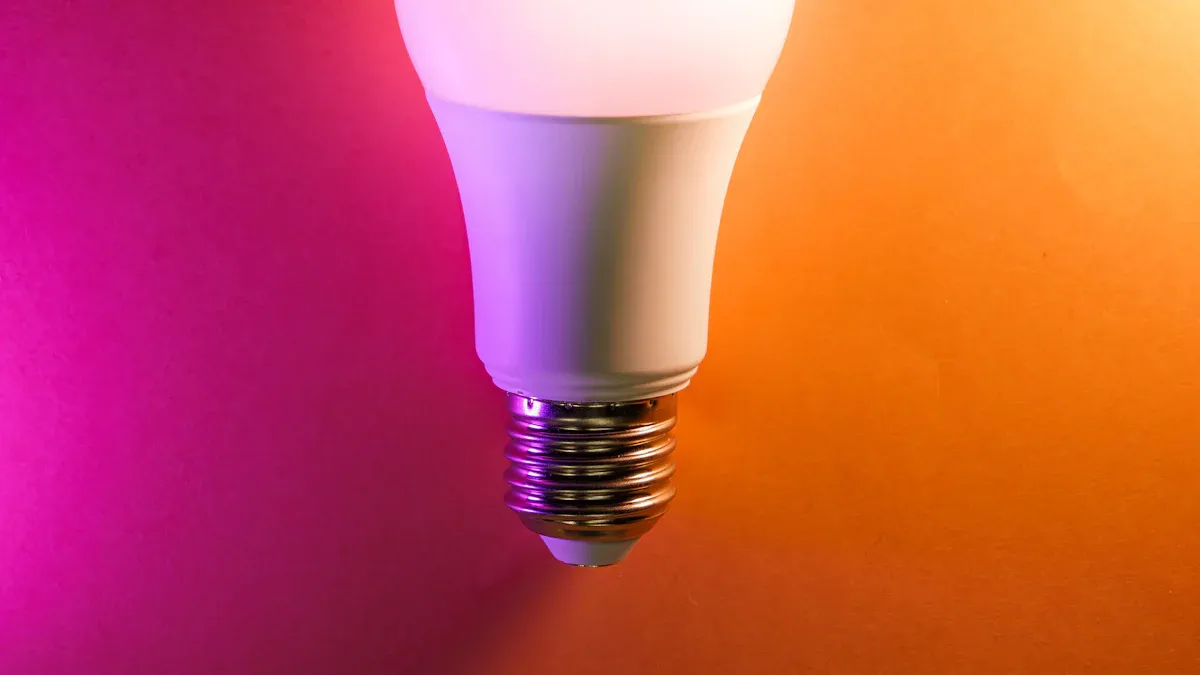
Beyond basic illumination, modern LED ceiling lights offer a suite of advanced features that provide greater control and convenience. These functionalities transform lighting from a simple utility into an integral part of the home's atmosphere and smart ecosystem.
Dimmability: Gaining Control Over Light Intensity
Understanding Dimming Mechanisms
Dimming allows users to adjust a light's brightness level. Most residential dimming works through a method called phase dimming. This technology alters the AC power waveform going to the fixture. Common types include leading-edge and trailing-edge dimming, which are often built into wall dimmer switches. Some fixtures also support simple switch dimming, where a user can cycle through preset brightness levels with a standard light switch.
Ensuring Compatibility with Your Dimmer Switch
Not all LED fixtures are dimmable, and not all dimmers work with every dimmable LED. Mismatched components can cause flickering, buzzing, or poor performance. It is crucial to check the manufacturer's specifications for both the light fixture and the dimmer switch to ensure they are compatible.
Pro Tip: Always purchase a dimmer switch that is explicitly rated for LED lights to avoid compatibility issues and achieve the best performance.
Step-Dimming vs. Smooth-Dimming
Smooth-Dimming: This provides a continuous, fluid range of brightness, typically controlled by a slider or dial on a wall switch. It offers precise control over the light level.
Step-Dimming: This offers a few preset brightness levels (e.g., 100%, 50%, 10%). Users toggle between these levels with quick flicks of a standard light switch.
Exploring "Warm Dim" Technology
"Warm Dim" or "Dim-to-Warm" technology mimics the cozy effect of a dimming incandescent bulb. As the user lowers the brightness, the light's color temperature also shifts, becoming warmer and more amber. This feature is excellent for creating a relaxing, candle-lit ambiance in living rooms and bedrooms.
Smart LED Ceiling Lights: The Ultimate Convenience
Wi-Fi vs. Bluetooth Connectivity
Smart lights connect to a network for remote control.
Wi-Fi lights connect directly to a home's router, allowing control from anywhere with an internet connection.
Bluetooth lights connect directly to a smartphone or tablet within a limited range, offering simple setup without needing a home network.
Integration with Voice Assistants (Alexa, Google, Siri)
Many smart led ceiling lights integrate seamlessly with popular voice assistants. This allows for hands-free control, enabling users to turn lights on or off, dim them, or change colors simply by speaking a command. This feature adds a layer of convenience and accessibility to home lighting.
The Power of Scheduling and Automation
Smart lighting unlocks powerful automation capabilities. Users can create schedules to turn lights on or off at specific times, enhancing home security by simulating occupancy. They can also program custom "scenes" for activities like movie nights or dinner parties, activating a specific brightness and color with a single tap or voice command.
Tunable White and RGB Color-Changing Lights
What is Tunable White Technology?
Tunable white technology allows a user to adjust the color temperature of the white light, typically from a warm 2700K to a cool 6500K. This feature lets you change the room's ambiance to suit the time of day or activity—cool white for focus during work and warm white for relaxation in the evening.
When to Choose RGB Color-Changing Lights
RGB (Red, Green, Blue) led ceiling lights can produce millions of vibrant colors. They are best suited for decorative purposes, accent lighting, or creating dynamic, fun environments for parties or media rooms. While they can produce a white light, it is often less pure than that from a dedicated tunable white fixture.
Are These Advanced Features Worth the Extra Cost?
The value of features like smart control and tunable white depends entirely on a user's lifestyle and needs. For those who value convenience, customization, and creating specific moods, the added upfront cost is often a worthwhile investment. For simpler applications, a basic dimmable fixture may be sufficient.
Analyzing the Price: What Are You Paying For?
The price of an LED ceiling light reflects its technology, materials, and brand promise. Buyers must look beyond the initial price tag to understand the total value. A higher upfront cost often corresponds with advanced features, superior build quality, and long-term reliability.
How Features Impact the Upfront Cost
Price Tiers: Basic vs. Dimmable vs. Smart Lights
LED ceiling lights fall into distinct price categories based on their functionality.
Basic (Non-Dimmable): These are the most affordable fixtures, providing simple on/off illumination.
Dimmable: These lights offer brightness control and represent a mid-range price point.
Smart/Tunable: The most expensive tier includes lights with Wi-Fi/Bluetooth connectivity, color-tuning, and voice assistant integration.
The Premium for High CRI and Tunable Technology
Technological features are premium add-ons that increase the overall price. While these capabilities raise the initial purchase cost, they deliver significant benefits.
High CRI (>90): A high Color Rendering Index improves color accuracy. This is crucial in settings where seeing true colors is essential. LEDs with a CRI above 80 are standard, but a 90+ rating commands a higher price for its superior performance.
Dimmability and Smart Control: These features allow for customized lighting levels and compatibility with smart home systems, enhancing user convenience.
Comparing Integrated Fixtures vs. Bulb-Ready Fixtures
Buyers choose between two main fixture types. An integrated fixture has the LEDs built directly into the housing, offering a sleek, modern look. A bulb-ready fixture is a traditional housing that accepts separate, replaceable LED bulbs. Integrated models can sometimes be more expensive upfront, while bulb-ready fixtures offer flexibility for future bulb upgrades.
The Role of Brand, Build Quality, and Warranty
Why Brand Reputation Matters for Longevity
A reputable brand often signals a commitment to quality components and manufacturing standards. Companies invest in their reputation by producing durable products. For example, a manufacturer like Red Sky Lighting LLC demonstrates confidence by offering a 10-year and lifetime warranty on key components, assuring customers of the product's dependability.
Assessing Materials: Plastic vs. Metal Construction
The fixture's housing material directly impacts its price and durability.
Plastic: Less expensive and lightweight, but may be less durable and can yellow over time.
Metal (Aluminum, Steel): More expensive and heavier, but offers superior durability and heat dissipation, which helps extend the life of the LEDs.
The Value of a Strong Warranty
A warranty is a promise of quality from the manufacturer. A longer warranty period (e.g., 5-10 years) indicates the company stands behind its product. This protects the buyer's investment against premature failure and provides peace of mind.
Balancing Upfront Cost with Long-Term Savings
Calculating Your Return on Investment (ROI)
A higher initial investment in an efficient fixture can lead to significant long-term cost savings. Homeowners can calculate their Return on Investment (ROI) to see how quickly the light pays for itself.
ROI (%) = (Annual Energy Savings - Initial Investment Cost) / Initial Investment Cost × 100
Net Savings: This is the total energy and maintenance savings over a year.
Investment Cost: This includes the total cost to purchase and install the new led ceiling lights.
Factoring in Lifespan and Replacement Frequency
LEDs have an exceptionally long lifespan, often lasting 25,000 to 50,000 hours. This longevity drastically reduces the need for frequent replacements, saving homeowners money and effort over the fixture's lifetime.
The Superior Energy Efficiency of LED Ceiling Lights
One of the most compelling reasons to choose LED technology is its unmatched energy efficiency. Modern led ceiling lights consume significantly less power than their predecessors. This efficiency translates directly into lower electricity bills and a reduced environmental footprint for homeowners.
Understanding LED Energy Efficiency
How LEDs Drastically Reduce Power Consumption
LEDs operate on a fundamentally different principle than traditional bulbs. This technology uses a semiconductor to convert electricity directly into light, a process that minimizes wasted energy.
Incandescent bulbs create light by heating a filament until it glows, releasing about 90% of their energy as heat.
LEDs produce very little heat through a process called electroluminescence, converting over 90% of energy into visible light.
This solid-state process makes LEDs up to 75% more efficient than incandescent lighting.
Comparing LED vs. Incandescent Bulb Efficiency
The efficiency gap between LED and incandescent technology is vast. An incandescent bulb requires a large amount of wattage to produce light because most of its energy is lost as heat. An LED produces the same brightness using a fraction of the power, leading to substantial energy savings.
Comparing LED vs. CFL Bulb Efficiency
Compact Fluorescent Lamps (CFLs) were an early attempt at more efficient lighting, offering about 25% more efficiency than incandescents. However, LEDs have surpassed them. The data below clearly shows how LEDs provide the same light for the lowest operational cost.
Type | Incandescent | CFL | LED |
|---|---|---|---|
Watts Used | 60W | 14W | 7W |
Cost of Electricity (25,000 hours) | $169 | $52 | $30 |
How to Identify High-Efficiency Products
Reading and Understanding ENERGY STAR Labels
The ENERGY STAR label is a trusted symbol for energy efficiency. To earn this certification, a product must meet strict specifications set by the U.S. Environmental Protection Agency (EPA). This label guarantees that the product is life-cycle cost-effective, saving consumers money without sacrificing performance.
What is Lumens per Watt (lm/W)?
Lumens per watt (lm/W) is the most important metric for measuring a light's efficiency. It tells you how much light (lumens) a fixture produces for every watt of power it consumes. A higher lm/W rating indicates a more efficient product.
Finding the Most Efficient Lights on the Market
Buyers should look for two key indicators when shopping for efficient led ceiling lights: the ENERGY STAR logo and a high lumens-per-watt rating listed on the product's specification sheet.
Calculating the True Lifetime Cost
The Formula: Purchase Price + (Energy Usage x Electricity Cost)
To understand the full financial impact of a light fixture, buyers must calculate its total lifetime cost. This calculation considers both the initial price and the long-term operational expenses.
Lifetime Cost = Purchase Price + (Total Hours of Use × Wattage / 1000 × Cost per kWh)
A Practical Comparison of Lifetime Costs
Using the data from the table above, the lifetime energy cost of an LED is just $30, compared to $169 for an incandescent. Even if the LED fixture has a higher upfront price, its dramatic energy savings make it the more economical choice over time.
How Daily Usage Patterns Affect Overall Savings
The more a light is used, the more significant the savings become. A fixture in a high-traffic area like a kitchen or living room will accumulate savings much faster than one in a closet. This makes investing in high-efficiency lighting for frequently used spaces a particularly smart financial decision.
Installation and Compatibility Considerations
Choosing the perfect fixture goes beyond features and price. Homeowners must also evaluate practical installation and compatibility factors. A light must fit the space physically, match the home's electrical system, and be rated for the room's environment to ensure safety and proper function.
Physical Fit and Design
Flush Mount vs. Semi-Flush Mount Designs
The fixture's design directly impacts clearance and style. Flush mounts sit directly against the ceiling, offering a low profile ideal for hallways and rooms with low ceilings. Semi-flush mounts hang a few inches down, providing more decorative flair and downward light.
Feature | Flush Mount Lights | Semi-Flush Mount Lights |
|---|---|---|
Profile | Sits directly against the ceiling. | Hangs a few inches below the ceiling. |
Best For | Low ceilings (< 8 ft), closets, hallways. | Standard or high ceilings, dining rooms. |
Light Spread | Provides broad, ambient illumination. | Offers more direct downward light. |
Maintenance | Enclosed design may require more cleaning. | Open design allows for easier bulb changes. |
Measuring Your Space for the Right Size Fixture
A properly sized fixture looks balanced and provides adequate light. Homeowners can determine the ideal diameter with a simple calculation.
Measure the room's length and width in feet.
Add these two numbers together.
Convert that sum into inches to find the suggested fixture diameter.
For example, a 12 ft by 14 ft room (12 + 14 = 26) suggests a fixture with a 26-inch diameter. For safety, a fixture should hang at least 7 feet above the floor in any walkway.
Matching the Light's Style to Your Home Decor
The fixture's design contributes significantly to a room's aesthetic. A minimalist, round fixture provides uniform light and blends in seamlessly. An ornate or linear fixture can serve as a bold focal point. Buyers should decide if the light will be a statement piece or a supporting element that complements the existing decor.
Electrical and Environmental Compatibility
DIY vs. Professional Installation
While some homeowners may feel comfortable with a DIY installation, electrical work carries inherent risks. If there is any uncertainty about wiring, it is always safest to hire a licensed electrician. A professional ensures the installation is secure, correct, and up to local building codes.
Understanding Damp and Wet Ratings
Fixtures are rated for specific environments to prevent electrical hazards from moisture.
Damp-Rated: These led ceiling lights are suitable for areas with moderate moisture but no direct water exposure, like well-ventilated bathrooms, laundry rooms, and covered porches.
Wet-Rated: These fixtures are built to withstand direct contact with water, making them necessary for showers and exposed outdoor locations.
Voltage and Wiring Requirements
Before purchasing, a homeowner must confirm the new fixture's voltage and wiring requirements match the home's existing electrical setup. Most residential lighting in the U.S. uses 120-volt circuits, but checking the product specifications prevents compatibility issues during installation.
How to Choose the Right LED Ceiling Light for Every Room
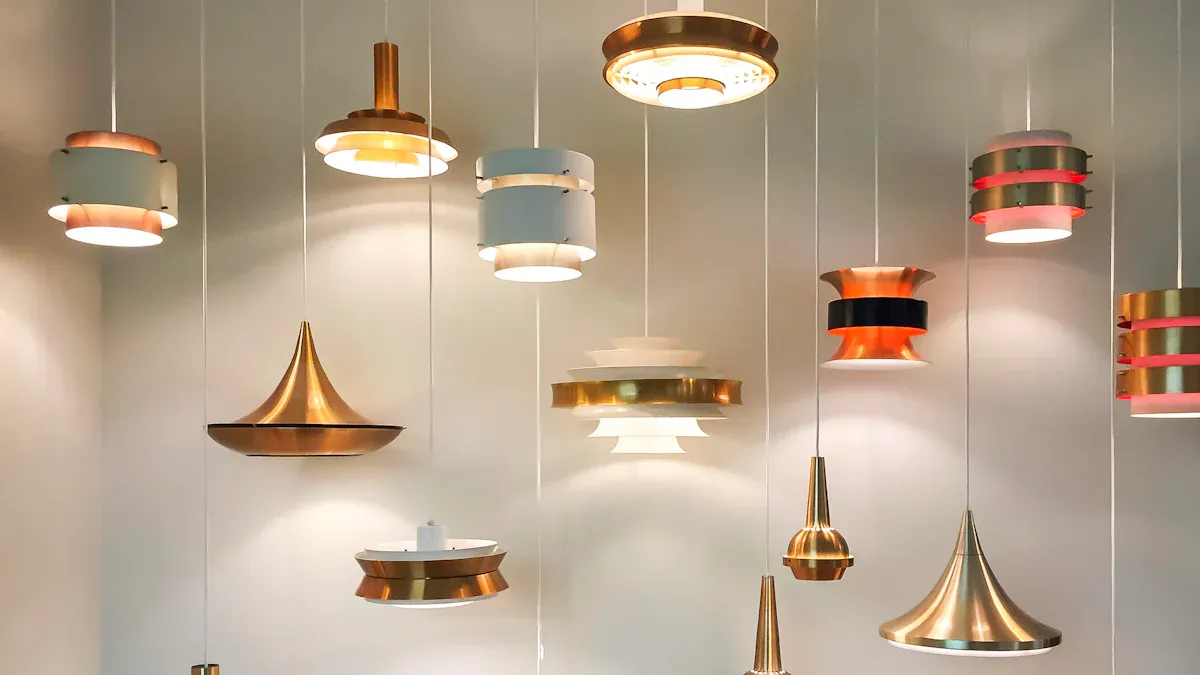
Selecting the ideal fixture involves matching its capabilities to the function of each room. A kitchen requires a different lighting strategy than a bedroom. Understanding these unique needs allows a homeowner to create spaces that are both functional and atmospheric.
For the Kitchen and Home Office
These rooms are hubs of activity that demand precision and focus. The right lighting is not a luxury; it is a critical tool for productivity and safety.
Why Bright, High-Lumen Lights are Essential
Kitchens and home offices are task-intensive environments. Proper illumination prevents eye strain and reduces errors, whether a person is chopping vegetables or reviewing documents. Experts recommend significantly higher brightness levels for these working rooms compared to relaxation areas.
Room Type | Recommended Lumens per Square Foot (lm/sqft) |
|---|---|
Kitchen / Home Office | 70-80 |
Living Room / Bedroom | 10-20 |
For specific tasks like reading fine print or detailed work, a dedicated task light should provide at least 450 lumens to ensure clarity and comfort.
The Importance of High CRI for Food and Tasks
In the kitchen, a high Color Rendering Index (CRI) ensures food looks fresh and appealing. It helps a cook accurately judge the doneness of meat or the ripeness of produce. In a home office, a high CRI (90+) renders colors accurately on documents and screens, which is vital for designers, artists, and anyone working with color-sensitive materials.
Best Color Temperature for Focus and Energy
Cooler light promotes alertness and concentration. For these task-oriented spaces, a higher color temperature is generally recommended.
Kitchens: A range of 4000K to 5000K works well. 4000K provides a clean, neutral white light, while 5000K offers a crisp, daylight-like effect that makes the space feel brighter.
Home Offices: A color temperature between 3700K and 5000K is ideal. Some professionals suggest using a mix of lighting, such as a brighter overhead fixture for general alertness and a warmer desk lamp to reduce eye strain during long work sessions.
For the Living Room and Dining Room
These multi-functional spaces host everything from quiet reading to lively dinner parties. Lighting in these rooms must be flexible, adaptable, and capable of setting a variety of moods.
The Flexibility of Dimmable, Tunable Lights
The living room is a versatile space where lighting needs change throughout the day. Dimmable and tunable white led ceiling lights offer the ultimate control. Research shows that giving people control over their environment enhances their sense of well-being. A homeowner can brighten the lights for daytime activities and dim them for a relaxing evening. In the dining room, dimmers allow for a seamless transition from a bright, functional space to an intimate dining atmosphere.
Choosing a Versatile Color Temperature
A neutral to warm color temperature provides the most versatility.
Ambient Light: A general overhead light in the 3000K–3500K range creates a welcoming base layer.
Accent Light: Warmer accent lighting (2700K–3000K) makes food look more appetizing and gives skin tones a flattering glow. Color psychology studies suggest warm tones stimulate social interaction and appetite, making them perfect for dining.
Integrating Smart Lights for Scenes and Moods
Smart lighting transforms a room with the tap of a button or a simple voice command. Users can program custom "scenes" for different activities.
'Dinner Party' Scene: Brightens the pendant over the table to 300-500 lux while dimming ambient lights, creating a dramatic focal point.
'Movie Night' Scene: Dims all lights to a low level and perhaps adds a soft color accent behind the television.
'Entertaining' Scene: Syncs the lights with music, creating a dynamic light show that matches the rhythm for a vibrant party atmosphere.
For the Bedroom and Nursery
The bedroom is a sanctuary for rest and rejuvenation. The lighting should promote relaxation and support healthy sleep cycles.
The Benefits of Warm, Soft Illumination
Warm white light (2700K-3000K) creates a cozy, calming environment conducive to unwinding. This soft, yellowish glow mimics the light of a sunset, signaling to the brain that it is time to rest. It avoids the harsh, stimulating effects of cooler, blue-toned light.
Using Low-Level Dimming for Relaxation
The ability to dim lights to a very low level is invaluable in a bedroom or nursery. For adults, it allows for reading in bed without disturbing a partner. For a nursery, it provides several key benefits:
It soothes a child and helps them wind down before bedtime.
It provides just enough light for late-night feedings or diaper changes without fully waking the infant.
Studies show that a cycle of bright light during the day and dim light at night helps infants establish healthy circadian rhythms, leading to better sleep and faster weight gain.
Why Low-Blue-Light Features Matter for Sleep
Scientific research confirms that exposure to blue-enriched light in the evening suppresses the body's production of melatonin, the hormone that regulates sleep.
A study on university students showed that blue-enriched white light caused a significant decline in melatonin secretion. Conversely, warm white light had a much smaller impact, preserving the body's natural sleep signals.
Choosing fixtures with "Warm Dim" technology or those that are naturally low in blue light can significantly improve sleep quality. As these lights dim, they not only get less bright but also become warmer in color, further reducing their impact on melatonin and promoting a more restful night.
For Bathrooms, Hallways, and Closets
These transitional and functional areas require lighting that prioritizes safety, clarity, and immediate performance. The right fixture ensures these spaces are safe to navigate and practical for daily routines.
Selecting Lights with the Correct Damp Rating
Moisture is a primary concern in bathrooms. Electrical fixtures must be properly rated to prevent short circuits and ensure safety. Manufacturers provide specific ratings for this purpose.
Damp-Rated: These fixtures are designed to withstand moisture and condensation. They are essential for most bathroom applications, including the main ceiling area outside the shower. They are also a wise choice for laundry rooms or closets adjacent to bathrooms.
Wet-Rated: These fixtures are built to endure direct contact with water. A homeowner must install wet-rated led ceiling lights inside a shower enclosure or in any area exposed to direct water spray.
Safety First: Always verify a fixture's UL (Underwriters Laboratories) rating. Using a dry-rated fixture in a damp environment is a significant safety hazard and violates electrical codes.
Ensuring Brightness for Safety and Grooming
Proper illumination in a bathroom is critical for both safety and detailed grooming tasks. A layered lighting approach works best, combining general ambient light with focused task lighting.
Ambient Light for Safety: The Illuminating Engineering Society (IES) recommends a baseline of 20 footcandles for general restroom safety. This bright ambient light eliminates shadows and makes the space easy to navigate.
Vanity Light for Grooming: The vanity area demands precise, even lighting for tasks like applying makeup or shaving. Vertical fixtures on either side of the mirror are optimal because they illuminate the face evenly. A target of 20 footcandles on the user's face ensures clarity. Fixtures with diffused lenses are ideal for minimizing harsh glare.
Hallways and closets also benefit from bright, even light. In hallways, it prevents trips and falls. In closets, it helps a person easily distinguish colors and find items.
The Advantage of Instant-On Functionality
Hallways, closets, and bathrooms are spaces people enter and exit frequently. They require light that performs immediately. LED technology excels here with its instant-on capability. Unlike older CFL bulbs that needed time to warm up to full brightness, LEDs provide 100% of their light output the moment a person flips the switch. This feature offers significant practical benefits. It enhances safety in a dark hallway and provides immediate, clear visibility inside a closet, making daily routines more efficient.
Making the final selection for an LED ceiling light is a strategic process. A homeowner ensures the best outcome by following three key steps:
First, define the room’s specific needs for brightness (lumens), atmosphere (CCT), and color accuracy (CRI).
Second, weigh the upfront price against long-term value, considering brand quality, warranty, and projected energy savings.
Third, prioritize high efficiency by checking for an ENERGY STAR label or a high lumens-per-watt (lm/W) rating to minimize lifetime cost.
This informed approach transforms a simple purchase into a valuable, long-term investment for the home.
FAQ
How long do integrated LED fixtures last?
Integrated LED ceiling lights have a long lifespan, typically lasting 25,000 to 50,000 hours. This translates to over 20 years of use with average daily operation. A homeowner replaces the entire fixture at the end of its life, not just a bulb.
Do LED ceiling lights get hot? (fire emoji)
LEDs produce very little heat compared to traditional bulbs. They convert most energy into light, not heat. The small amount of heat generated is managed by a heat sink at the base of the fixture, making them cool to the touch and much safer.
Can I use a regular dimmer with an LED light?
A homeowner should not use an old dimmer with a new LED fixture. Most older dimmers are designed for incandescent bulbs and can cause flickering or buzzing with LEDs.
Pro Tip: Always install a dimmer switch specifically rated for LED lights to ensure smooth performance and prevent damage to the fixture.
What is the difference between an integrated LED and an LED bulb?
An integrated fixture has LEDs built directly into its housing. A bulb-ready fixture uses separate, replaceable LED bulbs. The choice depends on a user's preference for a sleek design versus the flexibility of changing bulbs.
Feature | Integrated LED Fixture | Bulb-Ready Fixture |
|---|---|---|
Design | Sleek, all-in-one unit | Traditional housing |
Maintenance | Replace entire fixture | Replace individual bulbs |
Flexibility | Fixed light quality | Can change bulb type |
Why do my LED lights flicker?
Flickering in LED lights often points to an incompatibility issue. Common causes include:
Using a non-dimmable LED with a dimmer switch.
An incompatible or low-quality dimmer switch.
Loose wiring connections in the circuit.
Are smart LED lights a security risk?
Smart lights connected to a Wi-Fi network carry a small security risk, like any other smart device. A user can minimize this risk by setting a strong, unique password for their Wi-Fi network and keeping the light's firmware updated through its companion app.