
When an exquisite lamp emerges from the production line, it carries not only the function of illumination but also a company's dream of illuminating the global market. However, this international journey is not a smooth one; it requires navigating a "maze" of various certification standards. Different countries and regions have established their own unique market entry barriers, making understanding these certifications a mandatory course for lighting fixture exporters.
European Lighting Market: Rigorous Environmental and Energy Efficiency Benchmarks
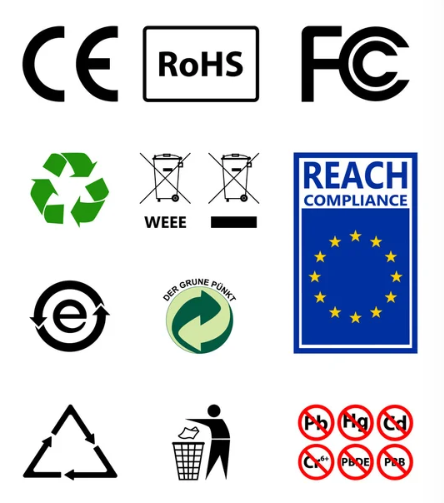
As a major global consumer market for lighting fixtures, the European Union has established an extremely stringent certification system. CE certification is the "passport" for lighting fixtures entering the EU; this mandatory mark indicates that the product meets the EU's basic requirements for safety, health, and environmental protection. From the design stage, manufacturers must consider how to meet relevant European standards, such as the EN 60598 series of standards, which provide detailed regulations on the general requirements and testing of lighting fixtures.
Even more distinctive is the EU's dual focus on environmental protection and energy efficiency. The RoHS directive restricts the use of ten hazardous substances, including lead, mercury, and cadmium, in electrical and electronic products, reflecting the European market's pursuit of green products. ERP energy efficiency certification focuses on product energy efficiency, requiring manufacturers to transparently label the energy efficiency characteristics of their products, helping consumers choose energy-efficient products. This series of certifications collectively constitutes the comprehensive quality requirements for lighting products in the European market—not only must they be safe to use, but they must also be environmentally friendly.
US Market: A Diverse Access System
Compared to the EU's integrated certification framework, the US market exhibits a more diversified certification landscape. FCC certification is a mandatory certification for electronic products issued by the Federal Communications Commission (FCC), primarily ensuring that lighting fixtures do not cause harmful interference to other wireless communication devices, especially important for smart lighting fixtures with wireless control or dimming functions.
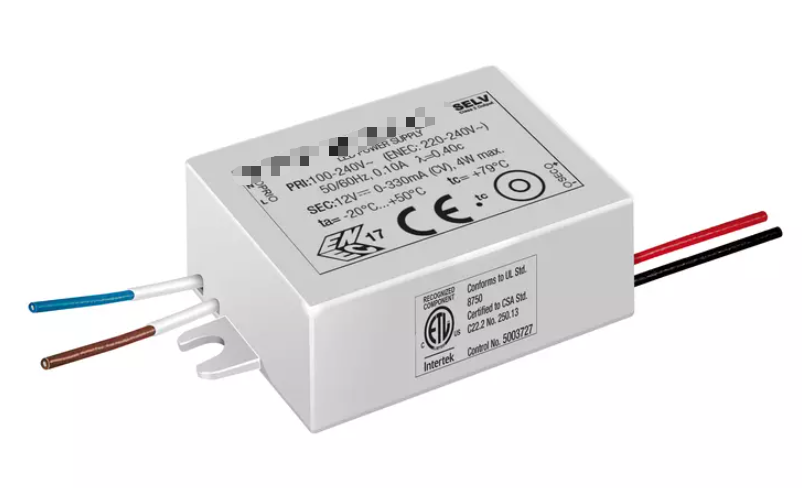
The US market is unique in that it has formed a system combining mandatory government certification and voluntary industry certification. Although UL certification is a voluntary standard, its authority is widely recognized in the market, effectively making it a prerequisite for lighting fixtures to enter mainstream US channels. Especially for e-commerce platforms like Amazon, UL test reports have become necessary audit documents.
In terms of energy efficiency, the US federal DOE certification and California's unique CEC certification form a two-tiered regulatory system. CEC standards are generally more stringent than federal standards, reflecting California's leading policies in energy efficiency. This dual federal and state-level certification system requires exporting companies to meet regulatory requirements at different levels simultaneously.
Australia and Japan: Distinctive Regional Standards
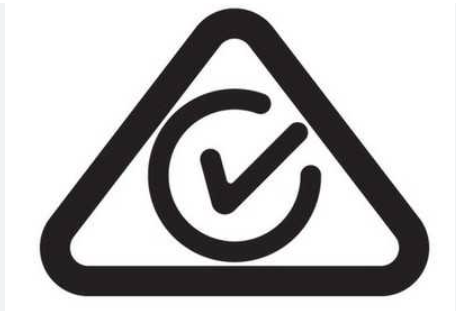
Australia's SAA certification system is based on AS/NZS standards, focusing on the electrical safety performance of products. Due to a mutual recognition agreement between Australia and New Zealand, products certified in Australia can enter the New Zealand market without barriers, providing greater convenience for businesses.

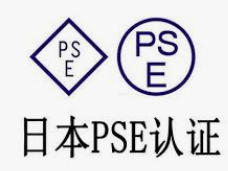
Japan's PSE certification uses two types of marks: diamond and circle. Lighting products mostly fall under the mandatory diamond mark category. This certification requires products to comply with the technical standards stipulated in Japan's Electrical Appliance and Material Safety Law, reflecting the Japanese market's extreme pursuit of product safety.
The Strategic Significance Behind Certification
For exporting companies, these certifications are far more than just administrative barriers to market access; they are a crucial component of product competitiveness. Understanding the certification requirements of the target market in advance allows for targeted development during the product design phase, avoiding increased costs from subsequent improvements. At the same time, the certification process also provides an opportunity for companies to improve product quality and optimize production processes.
With the strengthening of the global green and low-carbon trend, countries are increasingly demanding higher energy efficiency standards for lighting fixtures, and environmental standards are becoming increasingly stringent. The rise of smart lighting fixtures has also brought new certification considerations such as wireless interference and data security. Exporting companies need to establish a regular certification tracking mechanism to keep abreast of changes in target market regulations.
Conclusion:
Navigating the labyrinth of global lighting certifications requires not only technological strength but also a deep understanding of international rules. From Europe's CE to the US's UL, from Australia's SAA to Japan's PSE, each certification is a key to unlocking a country's market. For Chinese Lighting companies, internalizing these lighting certification requirements as part of product quality is crucial for long-term success in the international market, allowing "Chinese light" to illuminate every corner of the globe.