

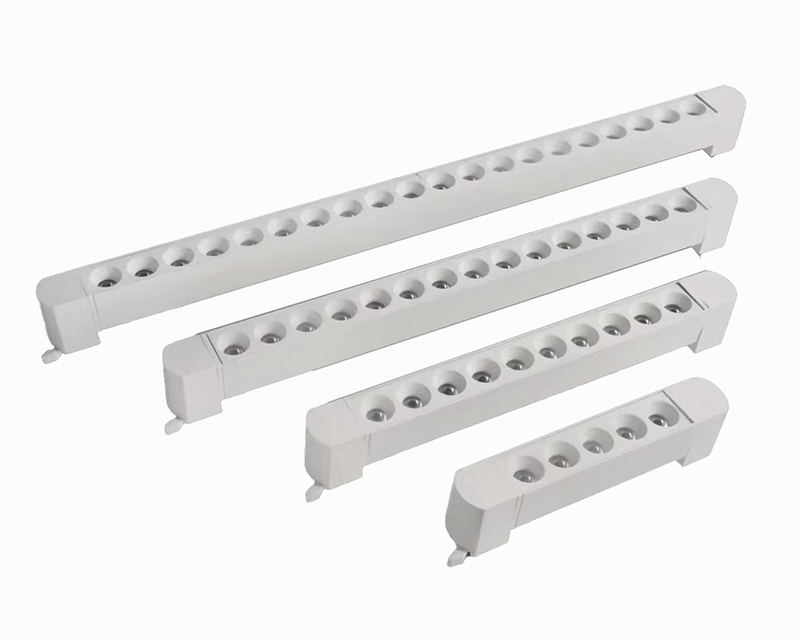
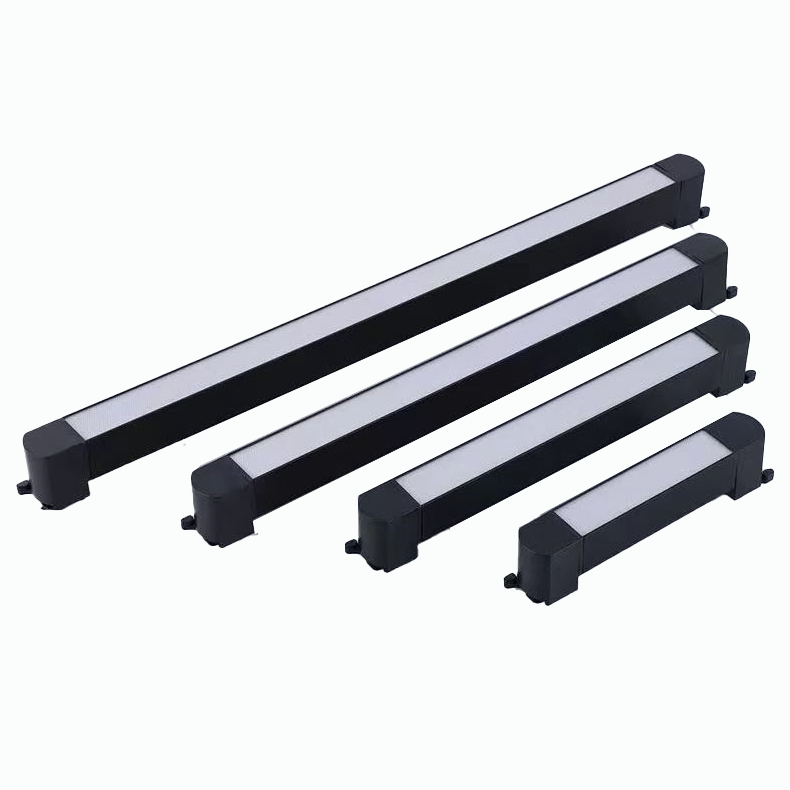
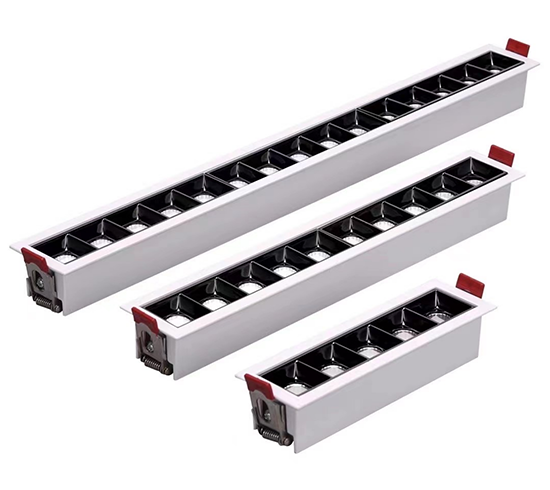
An expert LED Ceiling Light Manufacturer produces advanced led light fixtures. These fixtures offer a long lifespan. The quality of LED lighting is unmatched by traditional lighting. The savings from each LED Ceiling Light make the switch a smart investment. Led light manufacturers continue to innovate, making the case for LED clear.
Key Differences at a Glance: A Quick Comparison

When choosing between modern and traditional lighting, a direct cost comparison reveals a clear winner over time. While traditional lighting options are familiar, LED technology presents compelling advantages in cost, efficiency, and longevity. Understanding these differences is crucial for making an informed decision for any property.
Cost: Initial Investment vs. Lifetime Savings
The initial purchase price for LED bulbs is often higher than for traditional ceiling lights. However, this upfront expense is only a small part of the total cost. The true value of LED lighting emerges over its lifespan. Superior energy efficiency and a dramatically longer life mean that the total cost of ownership is significantly lower. The long-term savings from reduced electricity bills and eliminating frequent bulb replacements highlight the excellent cost-effectiveness of LED technology.
Energy Use: Efficiency That Lowers Your Bills
LEDs demonstrate remarkable energy efficiency. An LED bulb uses over 75% less energy than an equivalent incandescent bulb to produce the same amount of light. This efficiency translates directly into lower electricity bills and substantial energy savings. Traditional ceiling lights, especially incandescent ones, waste a significant amount of energy as heat. An LED, by contrast, converts more electricity directly into light, making it a much smarter and greener choice.
Pro Tip: Choosing LED products with an ENERGY STAR® rating can reduce home energy use by an additional 75% compared to even compact fluorescent (CFL) bulbs, maximizing your savings.
Lifespan: How Long They Really Last
The longevity of an LED is perhaps its most impressive feature. A typical LED bulb is rated to last 25,000 hours or more. In comparison, an incandescent bulb lasts for only about 1,200 hours. This means a single LED can outlast more than 20 traditional bulbs. This long lifespan makes led ceiling lights a "set it and forget it" solution, drastically reducing maintenance time and the recurring cost of replacement bulbs. The durable, solid-state construction of an LED also makes it more resistant to shock and vibration than the fragile filaments and glass of traditional lighting.
Light Quality: Brightness, Color, and Accuracy
Beyond simple illumination, the quality of light dramatically affects a room's atmosphere and the appearance of objects within it. LED technology provides unparalleled control over these characteristics, surpassing traditional options in every metric. Modern lighting is not just about brightness; it involves a sophisticated balance of color and clarity.
The first major shift with LEDs is measuring brightness in lumens, not watts. Lumens measure the actual light output, providing a more accurate gauge of brightness than the wattage, which only measures energy consumption. This focus on lumens helps consumers make better-informed choices.
Color temperature, measured in Kelvin (K), defines the specific shade of white light a bulb produces. Traditional incandescent bulbs typically emit a warm, yellowish glow around 2700K. LEDs offer a full spectrum of options:
Warm White (2700K-3000K): Creates a cozy, inviting atmosphere similar to incandescent bulbs. It is ideal for living rooms and bedrooms.
Cool White (3500K-4100K): Produces a neutral, crisp white light suitable for kitchens, bathrooms, and workspaces.
Daylight (5000K-6500K): Mimics natural daylight, providing an energizing light perfect for garages, basements, and task-oriented areas.
Perhaps the most critical aspect of light quality is the Color Rendering Index (CRI). CRI measures how accurately a light source reveals the true colors of objects.
The CRI scale uses an incandescent bulb as its benchmark, giving it a perfect score of 100. A higher CRI score means colors will appear more natural and vibrant.
While most standard LED lights have a CRI around 80, high-CRI LEDs can achieve scores of 95 or higher. These premium bulbs render a more complete lighting spectrum, making them excellent for environments where color accuracy is vital. Interestingly, some users find that certain LEDs with a CRI in the upper 80s can make it easier to distinguish dark colors, like navy from black, than an incandescent bulb. This suggests the stronger blue spectrum in some LEDs enhances perceived color rendering. To address these nuances, the industry is developing new standards that test against 99 colors instead of the traditional eight, promising an even more precise measure of color accuracy for modern lighting sources.
Cost Deep Dive: Upfront Price vs. Long-Term Value
A comprehensive financial analysis reveals the true value of modern lighting solutions. While traditional lighting options appear cheaper at the checkout counter, their lifetime expenses tell a different story. The superior cost-effectiveness of LED technology becomes undeniable when evaluating the total cost of ownership over several years.
The Initial Purchase Price Explained
Why LED Ceiling Lights Cost More Upfront
The higher initial price of an LED product reflects its advanced technology and superior construction. Several key factors contribute to this upfront cost. The manufacturing process for an LED is far more intricate than that of traditional bulbs.
Heat Sinks: Quality LEDs require aluminum heat sinks. These components dissipate heat effectively, which is crucial for ensuring a long lifespan and consistent performance.
Drivers: Each LED fixture needs a sophisticated electronic driver. This component converts AC power from the wall into the low-voltage DC power the LED requires, adding to the complexity and cost.
Research and Development (R&D): The LED industry invests heavily in R&D. This continuous innovation improves efficiency, light quality, and features, and these development costs are factored into the final product price.
Precision Manufacturing: Producing the tiny semiconductor chips, assembling the various components, and conducting rigorous quality control tests all contribute to a higher manufacturing cost compared to simple incandescent bulbs.
Comparing Bulb and Fixture Prices
When comparing prices, it is important to distinguish between simple retrofit bulbs and integrated fixtures. A single LED bulb designed to fit a standard socket costs more than its incandescent counterpart. However, the price difference for complete fixtures can be influenced by other elements.
Note: Factors beyond the light source itself affect the price of a fixture. These include material choices like premium metals, technological features such as smart home integration, brand reputation, and the inclusion of certifications like ENERGY STAR®.
These elements contribute to the overall value and reliability of the lighting, justifying a higher price point for a product designed to last for decades.
Operational Cost and Energy Savings
Understanding Wattage and Electricity Bills
The most significant financial benefit of switching to LED lighting comes from dramatic energy savings. An LED bulb produces the same amount of light as a traditional bulb while consuming a fraction of the power. This efficiency directly reduces electricity bills.
For example, running a 60-watt incandescent bulb for 24 hours costs about $0.24 at the national average electricity rate. An equivalent 10-watt LED bulb costs only $0.04 for the same period. This difference accumulates into substantial savings over time.
Bulb Type | |
|---|---|
60W Incandescent | $6.22 |
10W LED (60W equivalent) | $1.04 |
This table illustrates the clear annual savings from just one bulb. Multiplying this across all the fixtures in a home demonstrates the powerful cost-effectiveness of LED technology.
Calculating Your Annual Savings with LEDs
Homeowners can estimate their potential savings with a straightforward calculation. The core formula helps quantify the financial benefit of upgrading from traditional ceiling lights.
Energy Savings = (Old Bulb Wattage - New LED Wattage) × Hours of Use × Electricity Rate / 1000
To apply this, follow a simple process:
Determine the wattage of your current traditional bulbs and their LED replacements.
Estimate the number of hours the lights are used per day, then multiply by 365 for the annual hours.
Find your electricity rate on your utility bill (usually in cents per kilowatt-hour, or kWh).
Plug these numbers into the formula to see your annual savings per bulb.
Repeating this for every light fixture provides a clear picture of the total potential savings.
Lifetime Value and Replacement Costs
The Hidden Cost of Replacing Traditional Bulbs
The short lifespan of traditional lighting creates a significant hidden cost: frequent replacement. A single 12W LED lightbulb has a lifespan equivalent to approximately 25 traditional 60W incandescent bulbs. This means for every LED you install, you avoid the material cost and labor of replacing two dozen other bulbs.
This "set it and forget it" reliability eliminates the recurring hassle and expense associated with traditional lighting options. For hard-to-reach fixtures on high ceilings, the savings in time and effort are even more pronounced. The durability of an LED makes it a lasting investment, unlike the fragile filament of an incandescent bulb.
Total Cost of Ownership: A 10-Year Outlook
When all costs—initial purchase, electricity, and replacements—are combined, the long-term savings of led ceiling lights become exceptionally clear. A 10-year outlook shows that the higher upfront price of an LED is quickly offset by its low operational and maintenance costs.
An average household can save around $502 per year by switching from incandescent to LED lighting. Over a decade, this amounts to over $5,000 in total savings. This powerful financial argument makes upgrading to LED a smart and strategic decision for any property owner focused on long-term value.
The Ultimate Guide to Energy Efficiency
The superior energy efficiency of LED lighting is its most defining advantage over traditional lighting options. This efficiency not only leads to significant financial savings but also delivers substantial environmental benefits. Understanding how LEDs achieve this performance reveals why they are the smarter choice for modern lighting needs.
Power Consumption: Watts vs. Lumens
How LEDs Produce More Light with Less Power
The science behind an LED explains its remarkable efficiency. Unlike traditional bulbs, an LED does not rely on heating a filament. Instead, it uses a process called electroluminescence.
An electrical current passes through a semiconductor microchip.
This current causes electrons in the material to release energy in the form of photons, which are particles of light.
This process generates bright illumination with very little energy wasted as heat.
Incandescent bulbs are incredibly inefficient by comparison. They work by heating a thin wire filament until it glows, releasing about 90% of their energy as heat, not light. An LED converts most of its energy directly into light, using at least 75% less electricity to produce the same brightness. This fundamental difference in operation is the key to the low energy consumption of LED technology.
Side-by-Side Wattage Comparison
The most accurate measure of a bulb's efficiency is its lumens per watt (lm/W). This metric shows how much light (lumens) a bulb produces for each watt of power it consumes. A high lumen-per-watt output indicates greater efficiency. The difference between LED and traditional lighting is stark.
Bulb Type | Lumens per Watt (lm/W) |
|---|---|
Incandescent | 10–17 |
CFL (fluorescent) | 50–70 |
LED | 80–150+ |
This table clearly shows that LED lighting technology produces far more light from less power. This superior performance is what drives the dramatic reduction in power consumption and delivers long-term savings on utility bills.
Heat Output and Wasted Energy
Why Incandescent Bulbs Double as Heaters
Traditional lighting, particularly incandescent bulbs, are fundamentally inefficient because they are designed to produce light through heat. This process wastes an enormous amount of electricity. Approximately 90% of the energy an incandescent bulb consumes is emitted as heat, with only 10% converted into visible light. This makes them more like small heaters than effective lighting sources. The high operating temperature not only wastes energy but also contributes to a warmer room, potentially increasing air conditioning costs in warm climates.
The Cool Operation of LED Lighting
In sharp contrast, LED lighting operates at a much lower temperature. Because an LED generates light through a semiconductor process rather than by heating a filament, it wastes very little energy. This cool operation makes an LED safer to handle and more durable.
Did You Know? The surface of an operating incandescent bulb can reach over 300°F, posing a burn and fire risk. An equivalent LED bulb remains much cooler, often staying around 70°F.
This low heat output is a direct result of the technology's high energy efficiency. With 80-90% of electricity converted to light, there is simply less waste energy to release as heat.
Environmental Impact and Low Energy Consumption
Reducing Your Carbon Footprint
The environmental benefits of switching to LED lighting are significant. The reduced energy consumption of an LED directly translates to a smaller environmental footprint. When households and businesses use less electricity for lighting, power plants burn fewer fossil fuels. This leads to a direct reduction in greenhouse gas emissions.
Choosing an LED is a simple yet powerful way to contribute to a healthier planet. The cumulative effect of millions of homes making the switch results in a substantial national decrease in energy demand and a reduced carbon footprint for the entire community.
The Mercury Problem in Compact Fluorescent Lamps (CFLs)
While CFLs were an improvement over incandescent bulbs, they come with a significant environmental drawback: they contain mercury. Mercury is a potent neurotoxin that poses a serious environmental risk.
Breakage Risk: If a CFL bulb breaks, it releases mercury vapor into the air, which is hazardous if inhaled.
Disposal Challenges: Due to their mercury content, CFLs cannot be thrown in the regular trash. They are classified as universal waste and require special recycling at designated facilities to prevent environmental contamination.
Environmental Contamination: If disposed of improperly in landfills, the mercury can leach into the soil and water, where it can convert to highly toxic methylmercury and accumulate in the food chain.
LEDs, on the other hand, contain no mercury, making them a safer and more environmentally friendly choice. Their disposal is simple and does not pose the same environmental hazards as CFLs. This makes LED lighting a truly clean technology, offering both efficiency and peace of mind. The environmental benefits are clear.
Lifespan and Durability: A Lasting Investment
The lifespan and durability of a lighting solution are critical factors in its overall value. LED lighting excels in this area, offering a significant advantage over traditional lighting options. This superior longevity translates into fewer replacements, lower maintenance costs, and greater reliability for any property.
Expected Lifespan in Hours
The 25,000-Hour LED Standard
A key benefit of an LED is its exceptionally long lifespan. Most consumer-grade LED products are rated for at least 25,000 hours of operation. Some commercial-grade led light fixtures can last 50,000 hours or more. With average daily use, a single LED can provide reliable lighting for over two decades. This longevity makes LED technology a truly durable and long-term investment.
The 1,000-Hour Incandescent Lifespan
In stark contrast, traditional bulbs have a much shorter operational life. A standard incandescent bulb typically lasts for only about 1,000 to 1,200 hours. This means it would need to be replaced more than 20 times to match the lifespan of one standard LED. This frequent replacement cycle is a major drawback of traditional ceiling lights.
Maintenance and Reliability
"Set It and Forget It" LED Light Fixtures
The extended lifespan of led light fixtures creates a "set it and forget it" experience. Unlike traditional ceiling lights that require frequent bulb changes, an LED installation minimizes maintenance. This is especially beneficial for fixtures in hard-to-reach places like vaulted ceilings or commercial high bays. The reliability of LED lighting reduces labor costs and the inconvenience associated with routine replacements.
The Durability of Solid-State Lighting
LEDs are a form of solid-state lighting. They do not have fragile filaments or glass tubes that can easily break.
An LED generates light from a tiny, durable semiconductor chip. This construction makes it highly resistant to shock, vibrations, and impact. Traditional bulbs, with their delicate internal components, are far more susceptible to damage and failure.
How Lifespan is Professionally Measured
Understanding the L70 Rating
Professionals measure LED longevity using a standard called the L70 rating. This metric, developed by the Illuminating Engineering Society of North America (IESNA), defines the useful lifetime of an LED.
An L70 rating indicates the number of operating hours until the light output declines to 70% of its initial brightness.
For example, a fixture with an L70 rating of 30,000 hours will still produce 70% of its original light after 30,000 hours of use. It is a measure of lumen depreciation, not outright failure, which is why an LED often continues to work long past its rated life, just at a lower brightness.
Factors That Affect Bulb Longevity
Several factors can influence the actual lifespan of any lighting product. For an LED, heat management is the most critical. A well-designed fixture with an effective heat sink will protect the semiconductor and ensure a long life. Other factors include the stability of the electrical supply and the frequency of on/off cycles.
Light Quality and Performance Metrics
The quality of light in a space profoundly impacts its function and atmosphere. Modern LED lighting offers unparalleled control over performance metrics, far surpassing the limitations of traditional lighting options. This allows users to customize their environment with precision, from the color of the light to its intensity.
Light Appearance and Color Temperature
Finding Your Perfect Shade of White
Unlike traditional ceiling lights that offer a single, fixed color, an LED provides a wide spectrum of white light. This characteristic is measured on the Kelvin (K) scale. A lower Kelvin number indicates a warmer, more yellow light, while a higher number signifies a cooler, bluer light. This versatility allows for precise mood-setting in any room.
From a Warm Glow to Cool Daylight
Choosing the right color temperature can transform a space. LED technology gives homeowners and designers a full palette to work with, enabling them to create the perfect ambiance for any activity.
2700K (Soft White): Creates a relaxing and inviting feel, similar to traditional lighting.
3000K (Warm White): Promotes a calming and friendly atmosphere.
4000K (Cool White): Offers a clean and vibrant light ideal for workspaces.
5000K (Daylight): Provides a crisp, invigorating light that mimics natural daylight.
6500K (Daylight Deluxe): Produces an alert and intense lighting environment for high-focus tasks.
Color Rendering Index (CRI)
Seeing True Colors in Your Home
The Color Rendering Index (CRI) measures how accurately a light source reveals the true colors of objects on a scale of 0 to 100. A higher CRI score means colors will appear more natural and vibrant. While traditional ceiling lights like incandescents have a near-perfect CRI, many modern LED products now meet or exceed this standard.
Why a High CRI Matters for LED Lighting
A high CRI is essential in residential settings where color accuracy is important. In kitchens and bathrooms, high-CRI LED lighting makes tasks like cooking and applying makeup easier by rendering colors correctly. This superior lighting also enhances the visual appeal of home decor and furnishings, creating a more comfortable and inviting environment.
Dimming Capabilities and Control
Achieving Smooth Dimming with Modern LEDs
Early LED products struggled with dimming, but modern technology has solved this issue. Smooth, flicker-free performance relies on compatibility between the LED and the dimmer switch. Many advanced dimmers use Pulse-Width Modulation (PWM), a technique that rapidly cycles the light on and off to control brightness without any visible flicker. It is crucial to select a dimmer specifically designed for the low electrical load of an LED to ensure optimal performance.
How to Avoid Flicker and Buzzing
To prevent common issues like flickering or buzzing, it is essential to use the correct type of dimmer. Older leading-edge dimmers were designed for incandescent bulbs. For the best results with an LED, a trailing-edge dimmer is the superior choice. These modern dimmers offer smoother control, silent operation, and can even extend the lifespan of the lighting.
Design, Versatility, and Modern Features

Modern LED technology revolutionizes lighting design and functionality. It moves beyond the simple illumination of traditional ceiling lights. The compact nature of an LED allows for creative and versatile led light fixtures that were previously impossible. This shift impacts design and aesthetics, smart home integration, and overall safety.
Modern and Integrated LED Light Fixtures
Sleek, Low-Profile Design Options
The small size of LED components allows manufacturers to create fixtures with minimalist and low-profile designs. These modern options are perfect for spaces with low ceilings, providing ample light without sacrificing headroom. This contrasts sharply with the bulky requirements of some traditional lighting. Examples of these innovative designs include:
Smart LED Panel Light: This fixture offers a slim, flat profile ideal for modern rooms. It integrates smart technology for easy control of brightness and color.
Adjustable Spotlight Ceiling Light: These low-profile lights fit well in corridors and corners. They allow users to direct lighting precisely where it is needed.
Minimalist Flush Mount Light: An ultra-slim profile of less than two inches makes this design perfect for apartments, conserving valuable ceiling height.
The End of the Traditional Light Bulb Socket
Integrated led light fixtures signal the end of the traditional light bulb socket. Unlike traditional ceiling lights that require separate bulbs, these fixtures have the LED light source built directly into the housing. This approach frees designers from the constraints of accommodating traditional bulbs. The result is a new generation of sleek, imaginative, and highly efficient lighting solutions.
Smart Lighting Integration
Connecting Lights to Your Smart Home
LED lighting integrates seamlessly into modern smart home ecosystems. Many brands offer products that connect directly to Wi-Fi or a central hub. This allows for centralized control through a smartphone app or voice commands. Ecosystem compatibility with preferred voice assistants is a crucial factor.
Smart Home Platform Compatibility | |
|---|---|
Philips Hue | Seamless smart home platform compatibility |
TP-Link Kasa Smart | Good assistant integration (Direct Wi-Fi) |
Lutron Caséta Wireless | Broad compatibility with Amazon Alexa, Google Assistant, and Apple HomeKit |
Features like Scheduling and Voice Control
Smart led lighting offers advanced features that enhance convenience and energy efficiency. Users can create schedules to turn lights on or off automatically, improving security and saving power. Voice control through assistants like Alexa, Google Assistant, or Siri allows for hands-free operation. These features provide a level of control and automation that traditional bulbs cannot match.
Safety and Durability Advantages
Reduced Fire Risk from Lower Heat
The cool operation of an LED significantly reduces fire risk. From 2016 to 2020, lighting equipment was linked to over 30,000 home fires annually in the U.S. While data does not separate fires by bulb type, the high heat from traditional bulbs is a known hazard. An LED converts most of its energy to light, not heat, making it much safer to operate near combustible materials.
Shatter-Resistant Construction
LEDs are far more durable than their fragile counterparts. They use solid-state components instead of delicate glass and filaments found in traditional bulbs. This shatter-resistant construction makes them a safer choice for any home, as there is no risk of broken glass during installation or from accidental impact.
Making the Switch: A Practical Guide
Upgrading from traditional ceiling lights to modern LED lighting is a straightforward process. A practical approach ensures a smooth transition and optimal results. Homeowners have several choices regarding products and installation methods.
Choosing the Right LED Ceiling Lights
Retrofit Bulbs vs. Integrated Fixtures
The first decision is whether to use retrofit LED bulbs or install new integrated LED light fixtures. Retrofit bulbs offer a quick and cost-effective solution. They fit into existing sockets, providing an immediate energy efficiency upgrade with minimal disruption. Integrated LED light fixtures represent a more comprehensive upgrade. They have the LED components built directly into the unit, allowing for sleek, modern designs and the longest possible lifespan.
Feature | Retrofit LED Bulbs | Integrated LED Fixtures |
|---|---|---|
Lower | Higher | |
Installation | Quick and easy (DIY) | Requires full replacement |
Lifespan | Good (15,000-25,000 hrs) | Excellent (25,000-50,000+ hrs) |
Design | Limited by existing fixture | Sleek, modern, and versatile |
Selecting the Right Brightness (Lumens)
When choosing an LED, focus on lumens, not watts. Lumens measure the actual brightness of the light. A higher lumen count means brighter lighting. As a general guide, living rooms and bedrooms may need 1,500-3,000 total lumens, while kitchens and bathrooms benefit from a brighter 4,000-8,000 lumens for clear visibility.
Installation Considerations
DIY vs. Professional Installation
Swapping out old bulbs for retrofit LED bulbs is a simple DIY task that anyone can perform. However, installing new led light fixtures, especially in place of traditional ceiling lights, often requires professional help. An electrician can ensure the fixture is mounted securely and wired correctly, preventing future problems.
Checking Compatibility with Existing Wiring
Older homes can present compatibility challenges for new LED technology. It is crucial to check for potential issues before installation.
Dimmer Switches: Old dimmers designed for traditional lighting may cause new LED bulbs to flicker or buzz. Upgrading to a compatible LED dimmer is essential.
Outdated Wiring: Poor or loose electrical connections in older systems can lead to voltage drops, reducing the performance and lifespan of the LED.
Fixture Overheating: Some older fixtures were not designed to dissipate the specific heat profile of an LED, which can cause premature failure.
Where to Use Different LED Light Colors
Best Applications for Warm White LEDs
Warm white lighting (2700K–3000K) creates a cozy and inviting atmosphere. Its soft, yellowish glow is similar to that of incandescent bulbs. This color temperature is perfect for relaxing spaces.
Use warm white led ceiling lights in bedrooms, living rooms, and dining rooms to establish a comfortable and intimate environment.
Ideal Uses for Cool White and Daylight LEDs
Cool white and daylight LEDs (4000K–6500K) produce a crisp, energizing light that enhances focus and visibility. This clean lighting is ideal for task-oriented areas. Homeowners should use these brighter colors in kitchens, bathrooms, home offices, and garages where clarity and alertness are important.
For modern lighting needs, led ceiling lights are the definitive winner. The primary benefits include significant long-term savings and superior energy efficiency. The longevity of an LED makes it a smart, cost-saving investment for any property. This upgrade delivers better lighting, substantial energy savings, and minimal maintenance. The cost-effectiveness and environmental benefits of LED technology make it the superior choice. Homeowners can enjoy immediate savings and lasting performance with this advanced lighting.
FAQ
Are LEDs really cheaper in the long run?
Yes, LED lights offer significant long-term savings. Their superior energy efficiency lowers electricity bills. Their extended lifespan also eliminates the cost and hassle of frequent bulb replacements, making them a more cost-effective choice over time.
Do I need a professional to install LED bulbs?
Homeowners can easily install retrofit LED bulbs themselves. These bulbs fit into existing sockets. However, installing new integrated LED fixtures often requires a professional electrician to ensure proper wiring and secure mounting for safety and performance.
What does "lumens" mean for lighting?
Lumens measure the actual brightness or light output of a bulb. Watts, in contrast, measure energy consumption. People should compare lumens when choosing a bulb to accurately gauge its brightness, not its wattage.
Can I use my old dimmer switch with new LEDs?
Most old dimmer switches are not compatible with LED technology. Using them can cause flickering or buzzing. Homeowners should upgrade to a modern, LED-compatible dimmer, such as a trailing-edge model, for smooth, silent operation.
Are LED lights safer than traditional bulbs?
LEDs are much safer. They operate at very low temperatures, which significantly reduces the risk of fire. Their solid-state construction also makes them shatter-resistant, eliminating the hazard of broken glass during installation or use.
Why do LEDs last so long?
LEDs use durable solid-state technology. They generate light from a semiconductor chip instead of a fragile filament that burns out. This robust design makes them highly resistant to shock and vibration, ensuring an exceptionally long operational life.
What is the main environmental benefit of LEDs?
The primary environmental advantage is their clean composition. LEDs contain no toxic mercury, unlike CFL bulbs. This makes their disposal safer and simpler. Their low energy use also helps reduce a property's overall carbon footprint.