

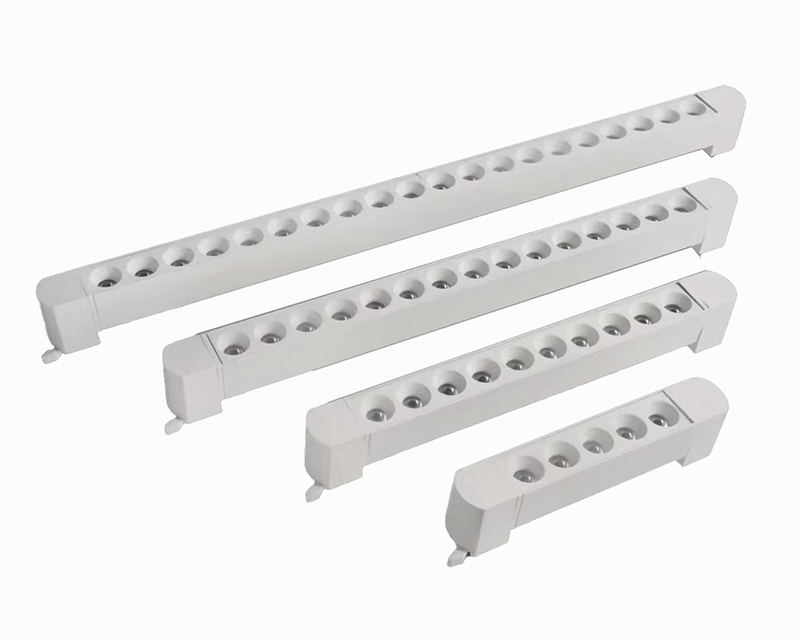
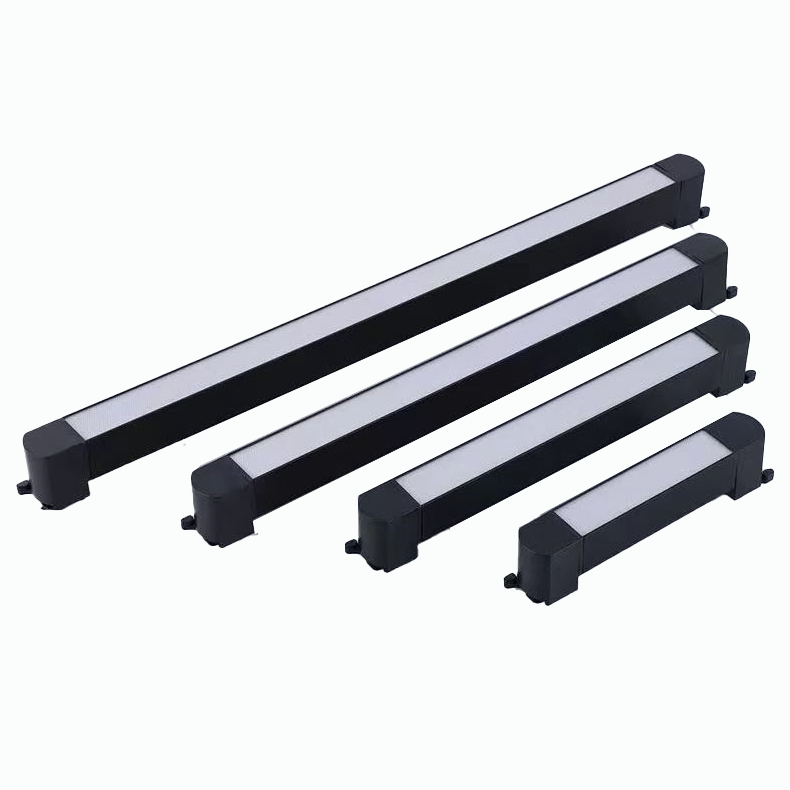
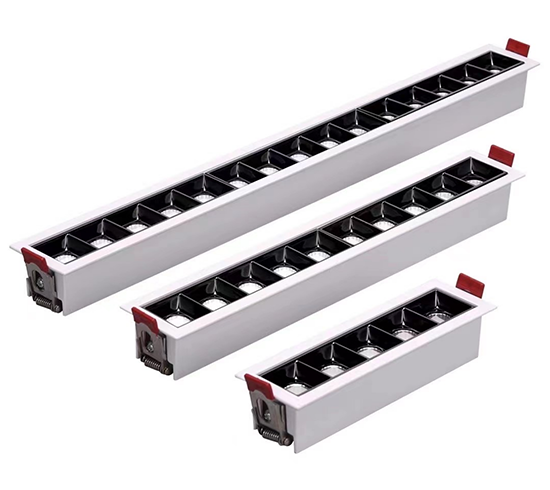
The global LED lighting market projects significant growth, with forecasts indicating a rise to US$73.2 billion by 2026. This expansion fuels innovation in ceiling lighting design. Leading LED light manufacturers are pushing boundaries beyond simple illumination. As a top LED Ceiling Light Manufacturer, we see the future of lighting is interactive and intentional. Key lighting design trends for 2026 from various led light fixtures suppliers are shaping how people experience interior spaces.
The definitive LED ceiling lighting trends are:
Human-Centric & Circadian Rhythm Lighting
Hyper-Minimalism & Integrated Architectural Lighting
Biophilic & Nature-Inspired Designs
Smart Integration & AI-Powered Personalization
Sustainable & Modular LED Systems
Note: The adoption of smart LED systems is accelerating, particularly in new construction, highlighting the industry's shift towards more intelligent and responsive lighting solutions.
Region | New Residential Smart Lighting Adoption | New Commercial Smart Lighting Adoption |
|---|---|---|
United States | 39% | 45% (retail spaces) |
North America | 39% | 29% (lighting automation) |
Europe | 43% (LED products) | 52% (energy-efficient lighting) |
Asia-Pacific | N/A | 44% (smart lighting penetration) |
Trend 1: Human-Centric & Circadian Rhythm Lighting
One of the most significant trends for 2026 is human-centric lighting. This approach moves beyond simple illumination to create environments that actively support human health and well-being. The core principle is to synchronize artificial lighting with the body's natural 24-hour internal clock, or circadian rhythm.
What It Is: Aligning Light with Wellness
Supporting Natural Sleep-Wake Cycles
Light is the most powerful environmental cue for our internal clocks. Poorly timed artificial lighting can disrupt sleep patterns, leading to difficulty falling asleep and daytime grogginess. Human-centric lighting systems support natural sleep-wake cycles by mimicking the sun's daily progression. They provide bright, blue-enriched light in the morning and transition to dimmer, warmer tones in the evening.
Enhancing Mood and Productivity
Proper lighting directly impacts alertness and focus. A study on office workers found that employees receiving high levels of circadian-stimulating light during the day reported better sleep, reduced depression, and more stable rhythms. This demonstrates how a thoughtful lighting design can boost productivity and create a healthier, more positive indoor environment.
The Science Behind Light and Health
Scientific research confirms the link between light and health. Exposure to blue-rich light at night suppresses the production of melatonin, the hormone that signals the body to prepare for sleep. This delay in melatonin can shift circadian timing, making it harder to rest. Studies also show that a lack of blue-spectrum light during the day can disrupt the sleep patterns of students.
Key Insight: The goal is to provide the right light at the right time. Strategic timing, intensity, and color spectrum are all crucial for reinforcing the body's natural rhythms.
Design Application: Mimicking the Sun Indoors
Architects and designers are applying this science in various settings, from high-end hotels to healthcare facilities, to improve occupant experiences.
Tunable White Recessed LED Lights
Recessed downlights with tunable white technology are a cornerstone of this trend. They allow for seamless adjustments in color temperature, from an energizing cool white (around 5000K) during the day to a relaxing warm white (around 2700K) in the evening.
Dynamic LED Panels and Troffers
In commercial spaces, dynamic led panels and troffers can simulate the natural progression of daylight. These fixtures are especially effective in offices and hospitals, where they help maintain staff alertness and support patient recovery by providing consistent circadian cues.
Ambient Cove Lighting Systems
Cove lighting provides soft, indirect ambient illumination that washes ceilings and walls with light. When integrated with a tunable white system, it creates a subtle, immersive experience that gently guides the body’s rhythm throughout the day. This ambient approach is ideal for living rooms and bedrooms.
The Technology Driving This Lighting Trend
Advanced hardware and software make this sophisticated control possible.
Advanced Tunable White LEDs
These systems use fixtures containing multiple LED chip types, typically cool white and warm white. By precisely adjusting the drive current to each channel, the system can mix the outputs to produce a specific color temperature, all while maintaining consistent color and brightness.
Smart Controllers and Scheduling
Automation is essential. Smart controllers, using protocols like DALI or DMX, execute pre-programmed schedules. These systems automatically adjust the lighting throughout the day with minimal user input, ensuring the environment always provides the optimal light.
Cloud-Based Lighting Management
Cloud platforms like Lightcloud are revolutionizing control. They enable remote management via cellular networks, eliminating the need for complex on-site servers. These platforms store settings, analyze data for performance optimization, and integrate with smart home ecosystems for intuitive control through apps and voice assistants.
Trend 2: Hyper-Minimalism & Integrated Architectural LED Lighting
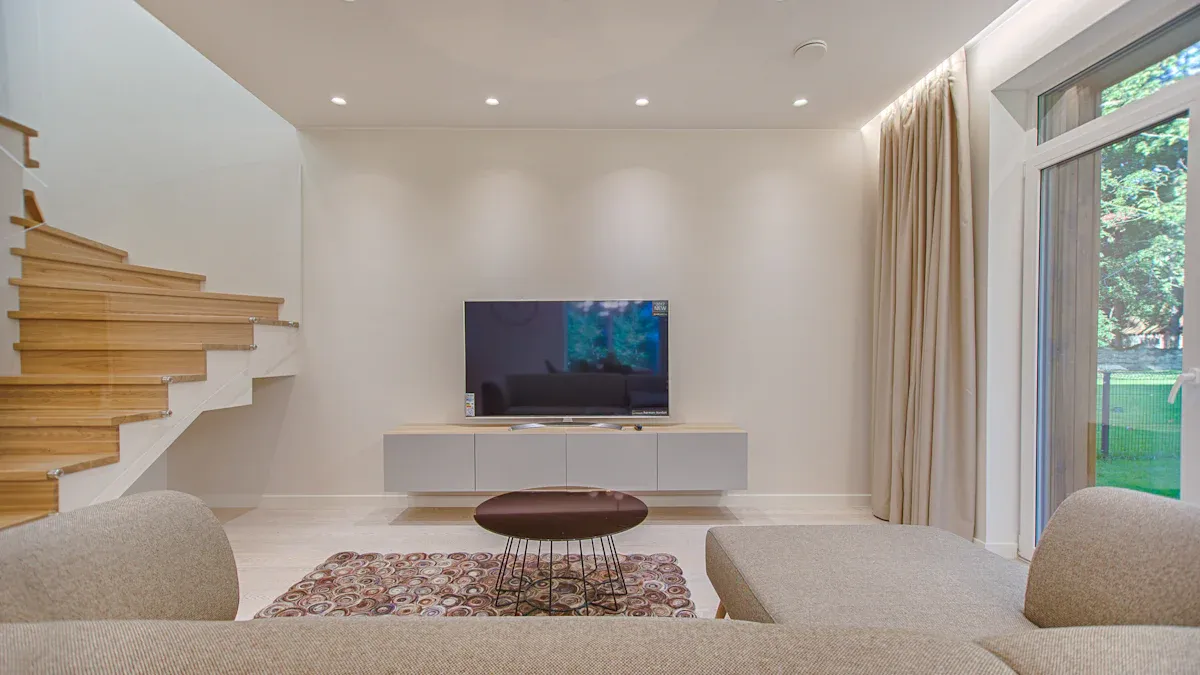
The second major trend for 2026 pushes aesthetics toward hyper-minimalism. This philosophy centers on integrated architectural lighting, where the light source itself disappears into the building's structure. The focus shifts from the fixture to the effect of the light, creating clean, sophisticated environments. This approach to led ceiling lighting is less about decoration and more about sculpting space.
What It Is: The Disappearing Light Fixture
Seamless Integration with Surfaces
Minimalist lighting aims to blend perfectly with ceilings, walls, and even floors. The goal is to make the fixture invisible, leaving only pure illumination. When light interacts with surfaces, it can be perceived as an architectural element itself. For example, a line of light that runs from a wall down to the floor can add dimension and a futuristic feel to a small room or hallway.
Light as an Architectural Element
This trend treats light as a building material. Strategic lighting design transforms spaces by manipulating light and shadow to create depth, establish visual hierarchies, and guide movement. Well-planned lighting solutions can make a room feel more spacious. This enhances the overall appreciation of the architecture, which directly influences the perceived value of a property.
Creating Clean, Uncluttered Ceilings
Bulky, obtrusive fixtures disrupt clean architectural lines. Integrated ceiling lighting eliminates this visual clutter. By embedding light sources directly into the drywall or structure, designers achieve a smooth, uninterrupted ceiling plane. This technique evokes a sense of freedom and infinity, making interiors feel larger and more open.
Design Application: Sculpting Spaces with Light
Designers are using a variety of modern lighting ideas to execute this trend, effectively "drawing with light" to define and enhance interiors.
Trimless Linear LED Profiles
Trimless linear profiles are a cornerstone of this aesthetic. These channels are recessed flush into drywall, creating clean lines of light without any visible frame. This form of led strip lighting allows designers to create unique geometric compositions, outline architectural forms, and create a sense of flow by transitioning seamlessly from ceiling to wall.
Plaster-In Downlights
Plaster-in, or trimless, downlights offer the ultimate discreet spotlighting. The fixture housing is installed and plastered over before painting, leaving only a small, clean aperture for the light to emerge from.
Pro Tip: Achieving a truly seamless finish with plaster-in fixtures requires skilled installation. The process involves carefully applying plaster over the fixture's housing, feathering the edges, and allowing for proper curing time to prevent future cracking.
Backlit Ceiling Panels
Large, luminous ceiling panels can wash a room in soft, diffuse light. When integrated into the ceiling grid, they can mimic a skylight or create a powerful ambient glow without any visible hardware.
Indirect Cove and Valance Lighting
Cove lighting remains a popular technique for minimalist design. Fixtures hidden in ledges or recesses cast light upward, washing the ceiling in a soft, even glow that provides comfortable ambient illumination.
The Technology Driving It
Miniaturization of LED Components
The miniaturization of led components is the primary enabler of this trend. Over the last five years, LED chips have shrunk dramatically, with Mini LEDs measuring just 0.1-0.2mm. This allows for the creation of ultra-slim and compact fixtures that can be embedded in tight spaces where traditional lighting could never fit.
Advanced Extrusion and Channel Systems
Sophisticated aluminum extrusions and channel systems are essential. They act as both a housing and a heat sink for the LED strips, allowing them to be securely and safely integrated into drywall, millwork, and other materials for a professional, lasting finish.
Integrated Driver Technologies
Drivers, the power supplies for LED lighting, are also becoming smaller and more efficient. The development of compact, integrated drivers means the entire lighting system can be concealed within the wall or ceiling cavity, completing the disappearing act.
Trend 3: Biophilic & Nature-Inspired Lighting Design Trends
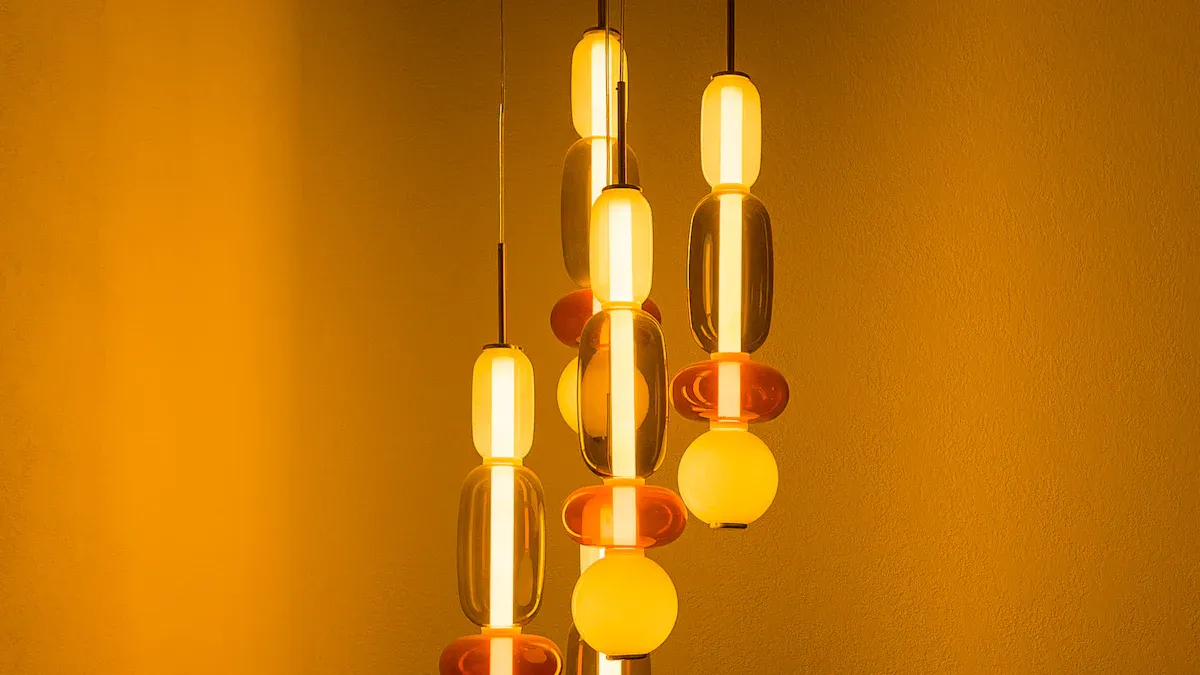
Biophilic design is one of the most heartfelt lighting design trends for 2026. It focuses on strengthening the human connection to the natural world within built environments. This philosophy moves beyond simple aesthetics. It uses lighting to create interiors that feel organic, calming, and restorative.
What It Is: Bringing the Outdoors In
Connecting Humans with Nature
Biophilic design directly improves well-being. Exposure to nature-inspired elements has documented psychological and physiological benefits. This approach to lighting helps create a sense of calm and can dramatically reduce stress by lowering cortisol levels. The benefits include:
Lower blood pressure and faster stress recovery.
Using Organic Forms and Patterns
This trend embraces the imperfect, flowing shapes found in nature. Fixtures mimic the gentle curve of a leaf, the intricate structure of a honeycomb, or the random pattern of light filtering through a forest canopy. The design moves away from rigid lines toward more fluid and dynamic forms.
Incorporating Natural Materials
Designers are incorporating materials like wood, stone, bamboo, and even cork into light fixtures. These elements add texture, warmth, and a tangible connection to the outdoors. This material choice makes the lighting fixture a sensory object, not just a source of illumination.
Design Application: Fixtures as Natural Art
LED Sky Panels with Dynamic Clouds
LED sky panels are a powerful tool for biophilic design. They realistically simulate a view of the sky, complete with moving clouds and changing color temperatures. These are especially effective in spaces without windows, such as:
Internal offices and conference rooms
Hospitality and wellness centers
Retailers find that products appear more appealing under this full-spectrum lighting, while cafés notice customers linger longer in the perceived sunlight.
Branch-Like and Floral Structures
Statement fixtures are taking the form of sculptural art. Large-scale pendants that resemble tree branches or blooming flowers create a dramatic focal point in entryways and dining rooms. This type of led lighting transforms the ceiling into a canvas for natural art.
Fixtures with Wood and Stone Accents
Modern fixtures now frequently feature accents of natural materials. A sleek aluminum downlight might have a real oak trim, or a linear pendant could be encased in thin-cut alabaster stone. These details soften the technological feel of modern lighting.
Fixtures Made from Recycled Polymers
Sustainability meets biophilic design with fixtures made from recycled and bio-based polymers. These materials can be molded into complex, organic shapes, offering an eco-conscious way to bring nature-inspired forms indoors.
The Technology Driving It
OLED for Organic Shapes
OLED (Organic Light Emitting Diode) technology is a key enabler of this trend. OLED panels are incredibly thin, flexible, and emit a naturally diffuse, glare-free light. Their construction eliminates the need for bulky heat sinks or optics. This allows designers to create curved, flowing fixtures that seem to float in space, perfectly mimicking organic forms.
High-Fidelity Color Rendering (CRI 95+)
To make natural materials look authentic, the light source must render colors accurately. A high Color Rendering Index (CRI) of 95 or above ensures that the tones of wood, the colors of plants, and the texture of stone appear true and vibrant.
3D Printing for Custom Forms
3D printing unlocks limitless possibilities for customization. It allows manufacturers to create intricate, bespoke, and complex nature-inspired shapes that were previously impossible to produce. This technology enables a truly unique and personalized lighting experience.
Trend 4: Smart Integration & AI-Powered Personalization
The evolution of smart lighting moves into a predictive phase in 2026. This lighting innovation goes far beyond manual adjustments, creating environments that anticipate and adapt to occupant needs. This is one of the most powerful trends shaping modern interior design.
What It Is: Predictive and Automated Lighting
Predictive lighting represents a shift from reactive to proactive control. The system learns, anticipates, and acts on its own, creating a truly automated and personalized experience. This smart technology makes the lighting feel intuitive.
Moving Beyond Basic App Control
Early smart systems relied on users to open an app or give a voice command. The new generation of smart lighting operates autonomously. Instead of just following schedules, these systems use a constant stream of data to make intelligent decisions in real-time, moving control into the background.
AI Learning User Preferences
Artificial intelligence is the engine behind this personalization. AI algorithms analyze how occupants interact with their environment.
It tracks manual adjustments to build individual user profiles.
It learns that a user prefers dim, warm lighting for evening relaxation.
It distinguishes between different users in a shared space. Over time, the system automatically recreates these preferred settings without any user input, tailoring the lighting perfectly to each person's habits.
Sensor-Driven Scene Automation
Advanced sensors provide the AI with crucial environmental context. The system maps how people move through a space and identifies active zones. It then adjusts lighting based on occupancy, activity, and available natural light, ensuring optimal conditions while maximizing energy efficiency.
Design Application: A Responsive Environment
Designers use this smart technology to create spaces that feel alive and responsive. The lighting becomes an active participant in the daily life of the building.
Voice-Activated Lighting Scenes
Integration with voice assistants remains a key feature. Users can still use simple commands to activate complex lighting scenes, such as "Movie Night" or "Focus Mode," which the system can then learn from for future automation.
Geofencing and Occupancy Sensors
Smart controls use geofencing to track a user's location via their smartphone. The system can predict a user's arrival and pre-condition the home's lighting for a welcoming return. Occupancy sensors ensure lights turn on when someone enters a room and off when they leave.
Individually Addressable LED Arrays
This technology allows for ultimate creative control. Individually addressable led arrays give designers pixel-level command over the lighting. Using protocols like DMX, they can create dynamic effects, from gentle color gradients that mimic a sunset to flowing animations across a ceiling.
Integration with Home Ecosystems
Smart lighting no longer exists in a silo. It integrates seamlessly with other smart home systems. For example, the lighting can flash to signal a security alert or dim automatically when a movie starts playing on the entertainment system.
The Technology Driving These LED Trends
This level of automation is possible thanks to significant advancements in hardware and software. This innovation is key to the future of lighting.
Unified Smart Home Protocols
New standards like Matter are eliminating compatibility issues. Matter creates a unified language for smart devices, allowing products from different manufacturers to communicate directly. It uses IP-based technology and can run over networks like Thread, creating a reliable mesh system where devices talk to each other without a central hub.
Onboard AI and Machine Learning Chips
Fixtures are now being built with dedicated AI chips. This onboard processing allows the system to learn and make decisions locally, resulting in faster response times and enhanced privacy, as less data needs to be sent to the cloud.
Advanced Optical and Presence Sensors
The latest generation of sensors provides highly accurate data. These smart controls can detect not only presence but also the amount of natural daylight in a room. This information allows the AI to fine-tune the artificial lighting for perfect balance and efficiency.
Trend 5: Sustainable & Modular LED Systems
In 2026, the lighting industry embraces a profound shift toward sustainability. The era of disposable fixtures is ending, replaced by a focus on longevity, repair, and circularity. This trend redefines the entire lifecycle of a lighting product, from its creation to its end-of-life.
What It Is: The End of Disposable Lighting
This movement prioritizes responsible design and resource management. It challenges the traditional "take-make-dispose" model by creating lighting systems built to last and adapt.
Designing for Longevity and Repair
Manufacturers are engineering products for extended lifespans. The new design philosophy ensures that components are simple to access and easy to repair. This keeps luminaires functional for as long as possible, significantly reducing waste and the need for frequent replacements.
A Focus on Upgradability
Modularity is key to future-proofing. An upgradable system allows users to replace or enhance individual components, like the light engine or driver, with newer technology. This approach maintains the fixture's relevance without requiring a complete overhaul.
Applying Circular Economy Principles
The circular economy provides a clear framework for sustainability in lighting. Its core principles guide every stage of a product's life.
Material Sourcing: Fixtures should use recycled materials and be produced with eco-friendly energy.
Product Design: Products must be modular and simple, allowing easy access for repairs.
Repairability: The goal is to keep fixtures functional, making repairs an environmentally neutral or positive action.
Component Lifecycle: All parts are designed for upcycling, repurposing, or recycling.
Design Application: Future-Proofing Your Lights
This sustainable approach offers practical, long-term benefits for any project. It ensures that today's lighting investments remain valuable for years to come.
Modular LED Light Engines
Modular engines allow for simple on-site replacement. Companies like Fulham develop retrofit kits that let users upgrade older fixtures with modern led technology. Other innovators, such as LightGraphix, offer replaceable engine inserts for their miniature exterior products, allowing for new color temperatures and optics without changing the housing.
Replaceable Drivers and Components
Beyond the light source, other critical components like drivers are now designed for easy replacement. This simple change dramatically extends the usable life of the entire fixture.
Fixtures from Recycled Metals
Many manufacturers now use recycled aluminum and steel for fixture housings. This practice reduces the demand for virgin materials and lowers the product's overall environmental impact.
Low-Impact and Bio-Based Materials
The search for sustainable materials is expanding. Some fixtures now incorporate bio-based polymers and other low-impact materials, pushing the boundaries of eco-friendly design.
The Technology Driving It
Specific technologies are making these sustainable systems a practical reality, improving both efficiency and ease of use.
Standardized Modular Connectors
Standards like the Zhaga specification are game-changers. They create a universal plug-and-play system for lighting components. This global compatibility simplifies procurement, reduces labor costs, and enables versatile, scalable lighting systems with enhanced energy efficiency. It also accelerates the adoption of smart IoT devices.
QR Codes for Material Transparency
A simple QR code on a fixture can provide a complete material passport. This code links to a database detailing every component, its origin, and its recyclability, empowering responsible end-of-life management.
Low-Energy Manufacturing Processes
Manufacturers are adopting low-energy production methods. These processes minimize the carbon footprint associated with creating lighting products, completing the circle of sustainability from raw material to final assembly. This focus on energy conservation is critical.
Emerging Aesthetic and Material Trends in Lighting
Beyond smart functionality, 2026 sees a powerful resurgence of aesthetic expression in lighting design. Fixtures are reclaiming their role as decorative objects, with a strong emphasis on artistic form, material texture, and nostalgic charm. These aesthetic trends transform lighting from a utility into a central element of interior style.
Sculptural and Artistic Fixtures
The concept of lighting as art is a defining style for 2026. Designers are creating sculptural fixtures that serve as the primary visual anchor in a room, making a bold and artistic statement.
Lighting as a Centerpiece
Fixtures are no longer just sources of illumination. They are now treated as centerpieces. This approach elevates lighting to the status of fine art, with each piece chosen for its form and visual impact as much as its function. This style makes the fixture a conversation starter.
Large-Scale Statement Pieces
Designers are embracing oversized and dramatic fixtures. These large-scale pieces command attention in entryways, dining areas, and lobbies. They function as lighting as art, filling vertical space and creating a powerful sense of scale and luxury.
Customizable and Bespoke Designs
The demand for unique lighting drives the trend toward bespoke design. Studios like Lucuma Studios and Creative LED Designs specialize in custom fabrication, creating one-of-a-kind LED solutions for residential, commercial, and entertainment projects. This allows clients to commission lighting that perfectly matches their architectural vision, turning a concept into a functional piece of art.
A Focus on Softness and Texture
A counterpoint to sleek minimalism is a growing desire for softness and tactility. This style focuses on materials that engage the senses and create a feeling of warmth and comfort.
Hyper-Tactile and Textured Materials
Fixtures are becoming more touchable. Designers are using a range of hyper-tactile materials to add depth and character. This style is evident in:
Hand-carved or molded glass with ripples and striations.
Reactive metal finishes like bronze and brass that show dimension.
Mixed-material assemblies combining stone, glass, and wood.
Soft geometry with rounded edges and imperfect curves.
Color-Tinted Glass Globes
A popular expression of this style involves color-tinted glass. Globes and shades in smoked gray, amber, and soft jewel tones add a layer of visual warmth. They gently color the light, contributing to a room's overall mood.
Soft, Diffused Illumination
These materials work together to produce a soft, diffused quality of light. The goal is to create a gentle, glare-free glow that enhances comfort and creates an inviting atmosphere, moving away from harsh, direct lighting.
Vintage and Antique-Inspired LED Lighting
Nostalgia continues to influence interior design, leading to a revival of vintage lighting forms. This style merges classic aesthetics with the efficiency and longevity of modern technology.
Modern Tech in Classic Forms
Manufacturers are embedding advanced LED technology within classic fixture silhouettes. This allows homeowners to enjoy the timeless appeal of an antique-style chandelier or sconce without the energy inefficiency or maintenance of older lighting.
Nostalgic Silhouettes
This style brings back familiar and beloved shapes from past eras. Art Deco-inspired geometrics, mid-century modern sputniks, and industrial-era pendants are all reinterpreted for contemporary spaces.
Warm, Gentle Glow Aesthetics
The key to this style is its warm, gentle glow. The lighting aims to replicate the soft, inviting ambiance of incandescent bulbs, typically using LEDs with a very warm color temperature (2200K-2700K) to create a cozy and intimate environment.
Layering Light with 2026's LED Ceiling Lighting Trends
Effective house lighting design goes beyond selecting fixtures. It involves a strategic approach called layering. This technique combines different types of lighting to create a space that is both beautiful and highly functional. Understanding the three essential layers is the foundation of any successful house lighting design project. By combining these layers with 2026's top trends, designers create cohesive and dynamic environments.
The Three Essential Layers of Light
A complete house lighting design plan integrates three distinct layers. Each layer serves a unique purpose, and together they build a rich visual experience.
Ambient (General) Lighting
Ambient lighting is the primary source of illumination in a room. It provides a comfortable level of brightness for general navigation and sets the foundational mood. This ambient layer is the starting point for any lighting scheme. Examples include recessed ceiling lighting or large pendants that cast a wide, diffuse glow. The intensity of ambient light can be adjusted with dimmers to suit different times of day.
Task (Focused) Lighting
Task lighting provides focused, brighter illumination for specific activities. This layer reduces eye strain during activities like reading, cooking, or working. It is a critical component of functional ceiling lighting. Good task lighting directs light exactly where it is needed. Examples include under-cabinet LED strips in a kitchen or a focused downlight over a reading chair.
Accent (Dramatic) Lighting
Accent lighting adds drama and visual interest to a space. Designers use it to highlight architectural features, artwork, or decorative objects. This layer creates focal points and adds depth to a room.
For maximum impact, accent lighting should be at least three times brighter than the surrounding ambient illumination. This contrast draws the eye and makes the highlighted feature stand out.
Combining Trends for a Cohesive Design
The most innovative house lighting design solutions merge the three layers with the latest trends. This creates a unified and forward-thinking aesthetic. A successful design depends on key principles:
High CRI (90+): Ensures colors appear true and vibrant.
Consistent Color Temperature: Creates visual harmony across all lighting layers.
Proper Beam Angles: Directs light precisely for function and effect.
Even Fixture Spacing: Prevents shadows and ensures uniform coverage.
Ambient: Circadian Rhythm Coves
Designers use human-centric cove lighting to establish the ambient layer. A tunable white led ceiling lighting system hidden in a cove can wash the ceiling with soft, indirect light. This system mimics the sun's natural progression, providing energizing cool light during the day and a relaxing warm glow in the evening.
Task: Minimalist LED Downlights
Hyper-minimalist, plaster-in downlights are perfect for the task layer. These discreet fixtures provide powerful, focused light for kitchen counters or home offices without cluttering the ceiling. Their trimless design integrates seamlessly into the architecture, embodying the "disappearing fixture" trend.
Accent: Nature-Inspired Pendants
A biophilic or sculptural pendant serves as a powerful accent. A large, branch-like fixture hanging over a dining table becomes a piece of art. It draws attention and creates a dramatic focal point, fulfilling the role of accent lighting while making a strong design statement. This completes a sophisticated house lighting design.
The 2026 landscape for led ceiling lighting reveals a more integrated, healthier, and intelligent approach. The leading trends prioritize a human-centric design, minimalism, and sustainability. This evolution in ceiling lighting makes spaces more responsive. A successful project incorporates these smart lighting concepts.
Actionable Tips for Your Project:
Start with tunable white led technology for wellness benefits.
Use trimless profiles for a modern, clean look.
Choose a biophilic statement fixture for a dining room.
Ensure new systems are compatible with unified smart home standards.
Ask about repairability before purchasing any smart lighting.
FAQ
What is the main benefit of circadian rhythm lighting?
Human-centric lighting supports natural sleep-wake cycles. It mimics the sun's daily light patterns. This alignment improves sleep quality, enhances mood, and boosts productivity. The system provides the right light at the right time for optimal wellness.
Is integrated architectural lighting difficult to install?
Yes, achieving a seamless look requires professional installation. Plaster-in fixtures and trimless profiles demand precise work during the construction or renovation phase. Proper installation prevents future issues like cracks and ensures a flawless finish for the ceiling lighting.
How does smart lighting save energy?
Smart systems use sensors to automate lighting. They turn lights off in unoccupied rooms. They also adjust brightness based on available daylight. This automation eliminates waste and reduces overall energy consumption, leading to lower utility costs.
What makes a lighting system sustainable?
Sustainable lighting focuses on longevity and repair. Key features include:
Modular, replaceable components
Fixtures made from recycled materials
Designs that allow for easy upgrades This approach minimizes waste and extends the product's life.
What is Matter and why is it important for smart lighting?
Matter is a unified smart home protocol. It allows devices from different brands to communicate directly. This standard simplifies setup and improves reliability. It creates a seamless, interconnected smart home ecosystem without compatibility issues.
Does high-quality led ceiling lighting use more energy?
No, high-quality LED fixtures are highly efficient. They produce superior light while consuming significantly less energy than traditional bulbs. Advanced technology helps homeowners save money on energy bills over the fixture's long lifespan.