

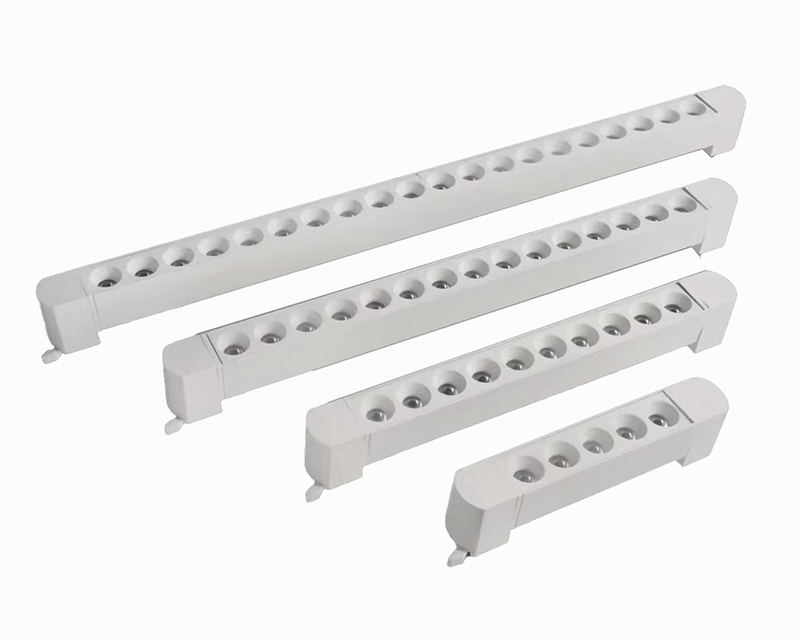
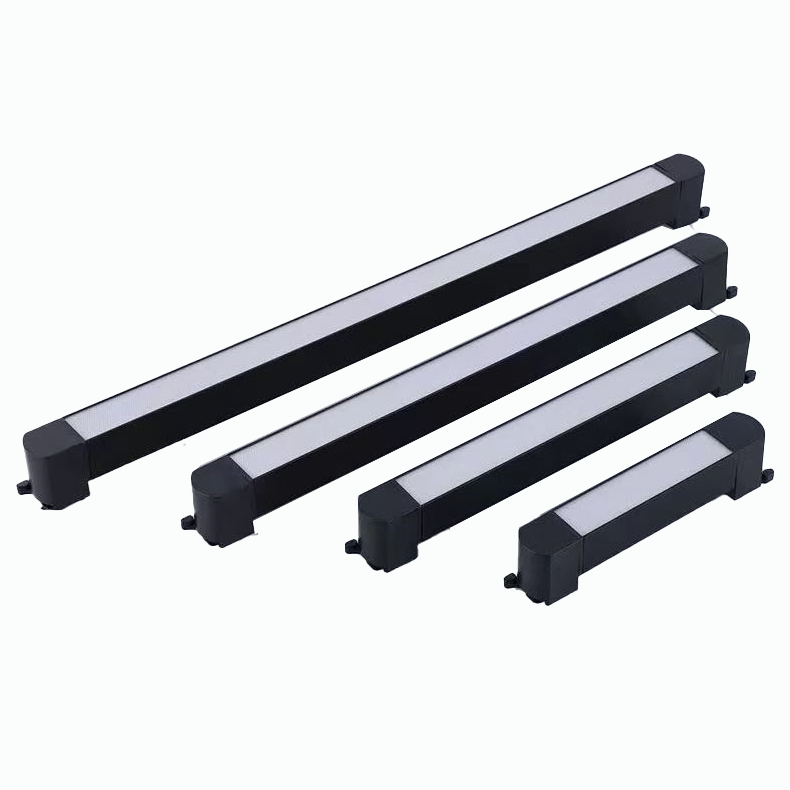
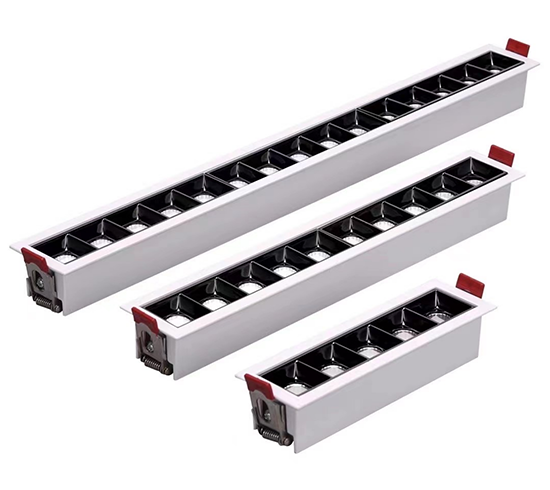
To select led downlights for a shower, safety is the highest priority. Any recessed shower light requires an IP65 rating. This IP65 waterproof downlight is sealed against water jets, preventing moisture and potential damage from water exposure. The IP65 rating confirms the downlight is fully waterproof.
Note: For general damp locations without direct spray, a damp-rated recessed LED DownLight is sufficient.
Finding the right led light fixtures from a reliable LED DownLight Manufacturer or various led light manufacturers ensures the correct waterproof downlight is chosen for the shower. The IP65 rating is essential.
How to Select LED Downlights Based on Safety Ratings
Homeowners must understand safety ratings to properly select led downlights for wet environments. These ratings are not suggestions; they are essential standards that guarantee a fixture can operate safely when exposed to moisture and dust. Two key certifications provide this assurance: the IP rating and the UL/ETL listing.
Decoding Ingress Protection (IP) Ratings
What an IP Rating Means
The Ingress Protection (IP) rating is an international standard that classifies the degree of protection an electrical enclosure provides against foreign objects and moisture. The rating consists of two numbers. The first digit indicates protection against solids like dust, while the second digit indicates protection against liquids like water. A higher number in either position signifies a greater level of resistance.
First Digit: Solids and Dust Protection
The first digit of an IP rating ranges from 0 (no protection) to 6 (fully dust-tight). For a downlight installed in a home, a high level of dust protection prevents particles from accumulating inside the fixture, which could otherwise pose a fire hazard or shorten the component's lifespan.
Inside the Test: A rating of IP6X is the highest level of dust protection. To achieve this, a fixture undergoes a rigorous test.
The downlight is placed inside a sealed dust chamber.
Fine talcum powder is circulated around the fixture for up to eight hours.
A vacuum pump creates negative pressure inside the housing to actively draw dust toward any potential gaps.
To pass, no dust can enter the enclosure in a quantity that would interfere with its safe operation.
Second Digit: Water and Liquid Protection
The second digit is the most critical factor for wet locations, indicating the fixture's waterproof capabilities. This scale ranges from 0 (no protection) to 9 (protection against high-pressure, high-temperature water jets). For a shower, a rating of 5 is the minimum requirement. This ensures the fixture can withstand direct sprays of water.
A fixture with an IP65 rating combines total dust protection (6) with protection against water jets (5). This makes an IP65 waterproof downlight the definitive choice for installation directly inside a shower enclosure. The testing process for the water resistance portion is specific and intense.
Test Parameter | Specification for IPX5 |
|---|---|
Nozzle Diameter | 6.3 mm |
Water Flow Rate | 12.5 liters per minute (± 5%) |
Water Pressure | ~30 kPa at the nozzle |
Test Duration | At least 3 minutes total |
Distance | 2.5 to 3 meters from the fixture |
After the test, inspectors check the recessed fixture. Any water that enters must not touch live parts or accumulate in a way that compromises safety. This thorough process confirms that an IP65 downlight is truly sealed against water intrusion.
Understanding UL and ETL Safety Listings
The Importance of a UL/ETL Listing
Beyond the IP rating, a downlight intended for the North American market must carry a certification mark from a Nationally Recognized Testing Laboratory (NRTL). The two most common marks are UL (Underwriters Laboratories) and ETL (Electrical Testing Labs). Both UL and ETL are independent organizations that test products against the same established safety standards.
Many consumers recognize the UL mark, but an ETL mark signifies the exact same level of compliance. If a product has an ETL listing, it has undergone equivalent testing to a UL-listed product and is certified to meet all necessary electrical safety requirements. The presence of either mark on a fixture's packaging or housing provides crucial peace of mind.
Verifying a "Wet Location" Designation
UL and ETL test and certify products for use in specific environments. These are categorized as dry, damp, or wet locations.
Dry Location: An area not normally subject to moisture.
Damp Location: An area where moisture may be present intermittently, like a general bathroom ceiling outside the shower.
Wet Location: An area where a fixture may be directly exposed to water, steam, or other liquids.
A recessed shower light must have a "Wet Location" listing from UL or ETL. This designation, often found printed on the fixture itself, confirms it is constructed and sealed to prevent water from contacting electrical components. Consumers can verify these certifications. For example, Intertek maintains public online directories where anyone can look up a product by its model number or company name to confirm its ETL certification status.
Choosing the Right IP65 Waterproof Downlight vs. Damp-Rated Fixtures

Selecting the correct fixture rating is the most critical decision when planning to select led downlights for areas with moisture. The choice between an IP65 waterproof downlight and a damp-rated fixture depends entirely on the location's potential for direct water contact. Understanding the specific applications for each rating ensures both safety and longevity for the lighting installation.
When to Use an IP65 Waterproof Downlight
An IP65 waterproof downlight is engineered for environments where the fixture will be directly sprayed or splashed with water. The "5" in the IP65 rating guarantees protection against water jets from any direction. This robust sealing makes it the only suitable choice for fully exposed wet locations. The primary applications of ip65 waterproof downlights involve these direct-exposure scenarios.
Inside Showers and Bathtub Enclosures
Any downlight installed within the footprint of a shower or directly over a bathtub must have an IP65 rating. This area experiences constant, direct water spray. An IP65 fixture prevents water from penetrating the housing and reaching the electrical components, eliminating the risk of short circuits or electrical shock. A recessed shower light with an IP65 rating is a mandatory safety measure.
The National Electrical Code (NEC) provides strict guidelines for lighting in these zones. Homeowners must follow these rules to ensure compliance and safety.
Height Restrictions: The NEC requires the bottom of any fixture to be at least 8 feet above the top edge of the bathtub wall. This rule prevents accidental contact.
Wet Ratings: Any lighting fixture placed within this zone must be listed for wet locations. An IP65 rating satisfies this requirement for a recessed shower light.
Using a fixture with a lesser rating in a shower is a serious code violation and safety hazard. The IP65 certification provides the necessary assurance that the downlight is completely waterproof for this application.
Outdoor Soffits and Exposed Porches
Outdoor locations exposed to the elements require the same level of protection as a shower. Soffits, overhangs, and unenclosed porch ceilings can be hit by wind-driven rain and snow. An IP65 waterproof downlight ensures that the fixture remains sealed against this harsh weather. This makes the IP65 rating essential for reliable and safe outdoor lighting. These waterproof applications protect the recessed downlight from weather-related damage, ensuring it functions correctly for years. For any outdoor downlight that is not fully protected from precipitation, IP65 is the minimum standard.
When to Use Fixtures for Damp Locations
Fixtures rated for damp locations are designed for areas with ambient humidity and condensation, but not direct water exposure. A UL Damp rating confirms a light fixture can withstand moisture, as these products undergo specific tests for such conditions. Labels stating 'Suitable for Damp Locations' identify the correct products for these spaces. These fixtures are a safe and cost-effective solution for many areas of a home.
General Bathroom Ceilings
The area of a bathroom ceiling outside the immediate shower or tub enclosure is considered a damp location. Steam and humidity from a hot shower will create condensation, but the downlight will not be hit with direct spray. A damp-rated recessed downlight is perfectly suitable and safe for this part of the bathroom. It provides the necessary protection against ambient moisture without the higher cost of a fully waterproof IP65 fixture.
Covered Patios and Porches
A covered outdoor patio or a screened-in porch offers protection from direct rain. However, these areas are still exposed to high humidity and temperature fluctuations that can cause condensation. A damp-rated downlight is the appropriate choice for these applications. It provides sufficient protection for this type of outdoor lighting, ensuring the lighting fixture in damp environments operates safely. It is important to choose a recessed light designed for these specific conditions.
Basements and Laundry Rooms
Basements and laundry rooms are classic examples of interior damp locations. These spaces often have higher humidity levels from washing machines, utility sinks, or natural ground moisture.
Building codes, including the NEC, regulate the use of fixtures in these areas.
Using a standard dry-rated fixture can lead to code violations and safety risks.
Damp-rated fixtures are specifically identified as the correct choice for laundry rooms and basements where humidity is a constant factor.
A damp-rated downlight ensures safe operation and prevents premature failure due to corrosion or electrical issues caused by the humid environment.
Determining the Ideal Brightness and Color Temperature
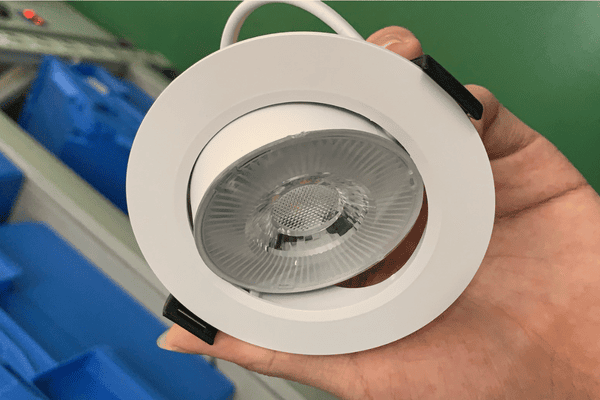
After confirming safety ratings, homeowners must select led downlights with the correct brightness and color. These two factors dramatically impact a bathroom's functionality and atmosphere. The right combination ensures clear visibility for tasks and creates a welcoming environment. Key metrics for this decision are lumens, Kelvin temperature, and the Color Rendering Index (CRI).
Measuring Brightness with Lumens
What Are Lumens?
Lumens (lm) measure the total amount of visible light emitted by a source. Unlike watts, which measure energy consumption, lumens directly quantify brightness. A higher lumen value means a brighter light. For LED technology, focusing on lumens is the most accurate way to determine a fixture's light output.
Lumens for Task Areas (Showers/Vanities)
Task areas like vanities and the inside of a shower require bright, focused light for grooming. The Illuminating Engineering Society (IES) recommends higher light levels for these zones. A single recessed downlight in a shower should provide sufficient illumination for safety and comfort. The American Lighting Association suggests a minimum of 1,600 lumens for effective vanity lighting.
Bathroom Size | Recommended Total Lumens |
|---|---|
Small Bathroom | 1,500 to 2,500 lumens |
Medium Bathroom | 2,500 to 3,500 lumens |
Large Bathroom | 3,500+ lumens |
Lumens for General Ambient Light
General ambient lighting for the main bathroom area requires fewer lumens than task zones. This light fills the room and provides overall visibility. A lower lumen output from fixtures outside the immediate shower and vanity areas creates a balanced and layered lighting scheme.
Choosing Color Temperature in Kelvin (K)
Understanding the Kelvin Scale
Color temperature, measured in Kelvin (K), describes the appearance of light, from warm to cool. Lower Kelvin values (e.g., 2700K) produce a warm, yellowish glow, while higher values (e.g., 5000K) produce a cool, bluish-white light.
3000K for a Soft, Inviting Light
A 3000K color temperature emits a soft, neutral-warm white light. This choice is excellent for creating a relaxing, spa-like atmosphere. Studies show that warm lighting helps promote comfort and can aid in winding down, making it ideal for a comfortable and enjoyable showering experience.
4000K for a Clean, Bright Light
A 4000K color temperature provides a clean, neutral-cool white light that mimics natural daylight. This invigorating light enhances focus and alertness, making it perfect for task-oriented bathrooms where precise grooming is a priority. Research indicates that 4000K light can improve performance on detailed tasks.
Why Color Rendering Index (CRI) Matters
What is CRI?
The Color Rendering Index (CRI) measures how accurately a light source reveals the true colors of objects compared to a natural light source. The scale runs from 0 to 100, with 100 representing perfect color fidelity. The International Commission on Illumination (CIE) established the standard for this critical measurement.
Aim for 90+ CRI in Bathrooms
In a bathroom, high color accuracy is essential. A low CRI downlight (below 80) can make skin tones appear washed out or unnatural and distort the colors of makeup and clothing. For this reason, a fixture with a CRI of 90 or higher is the professional standard. This ensures that colors appear true, which is vital for daily grooming routines.
Selecting the Best Downlight Trim and Physical Features
Beyond safety and brightness, the physical characteristics of a downlight contribute to a room's aesthetic and functional success. The trim style, finish, and size all play crucial roles in achieving the desired look and light effect. Selecting the right features ensures the lighting integrates seamlessly into the bathroom design.
Common Downlight Trim Styles
The trim is the visible portion of the downlight. Each style offers a different visual appearance and light distribution.
Baffle Trim for Reduced Glare
Baffle trims feature concentric grooves designed to absorb stray light. This design minimizes glare and creates a softer, more comfortable illumination. It is an excellent choice for general ambient lighting where visual comfort is a priority.
Reflector Trim for Maximum Brightness
Reflector trims have a smooth, mirror-like interior surface. This finish maximizes light output by reflecting as much light as possible downward into the room. A reflector trim is ideal for task areas like showers, where high brightness is essential for visibility.
Gimbal (Adjustable) Trim for Directional Light
Gimbal trims provide exceptional flexibility. These adjustable fixtures allow homeowners to tilt and rotate the light source to direct illumination precisely. This feature is perfect for highlighting architectural details or wall art. For sloped ceilings, a gimbal downlight can be aimed straight down, providing better light direction than a fixed fixture. Some models offer a wide range of motion, such as 355° horizontal rotation and 90° vertical tilt, for precise spotlighting.
Matching Trim Finishes to Your Decor
The trim finish should complement the bathroom's existing hardware and color scheme. A moisture-resistant trim is essential in wet locations to prevent rust and corrosion.
White for a Seamless Ceiling
White is the most popular finish. It blends into a standard white ceiling, creating a clean, unobtrusive look. This choice makes the light source itself disappear, putting the focus on the illuminated space.
Nickel and Chrome for Modern Bathrooms
Brushed nickel and polished chrome finishes coordinate well with modern and contemporary bathroom fixtures. They match faucets, towel bars, and showerheads, creating a cohesive and polished design.
Black or Bronze for High Contrast
Black or oil-rubbed bronze trims create a bold, dramatic statement. They provide a strong contrast against a light-colored ceiling, turning the recessed fixture into a deliberate design element. This is effective in industrial, farmhouse, or high-contrast modern styles.
Choosing the Correct Downlight Size
The size of the downlight affects both the aesthetic and the light distribution. The most common residential sizes are 4-inch and 6-inch.
4-Inch vs. 6-Inch Downlights
The choice between a 4-inch and 6-inch recessed downlight often depends on room size and design goals.
4-Inch Downlights: These are considered more modern and are excellent for smaller bathrooms. They can create a wall-washing effect that makes a space feel larger. Modern 4-inch LEDs are powerful enough for general lighting, debunking the myth that they are only for accent use.
6-Inch Downlights: These fixtures provide broader light coverage and often have a higher lumen output. They are suitable for larger bathrooms or outdoor soffits, potentially reducing the total number of fixtures needed.
How to Measure for a Retrofit Installation
For a retrofit installation, homeowners must measure the inner diameter of the existing housing can. This measurement determines the correct size for the new LED module. Simply remove the old bulb and trim, then use a tape measure to find the diameter from one inside edge to the other.
Optimizing Light Spread and Functionality
Properly selected safety ratings and aesthetics are crucial, but optimizing a light's spread and functionality is what makes a space truly usable. Beam angle, dimming capabilities, and dimmer compatibility are technical details that directly control how the light performs in a bathroom.
Understanding Beam Angle
The beam angle of a downlight measures how wide or narrow the cone of light is as it leaves the fixture. This angle determines the diameter of the illuminated area on the floor or wall. A simple formula helps calculate this: Beam Spread = 2 × Distance × tan(Beam Angle ÷ 2).
Wide Beam Angles (60°+) for General Lighting
Downlights with wide beam angles, often 60 degrees or more, are considered floodlights. A 90-degree beam angle, for example, distributes light evenly over a large area. This broad coverage minimizes shadows, making it an excellent choice for general ambient illumination in bathrooms or high-ceiling environments.
Narrow Beam Angles (Under 40°) for Accents
Narrow beam angles, typically under 40 degrees, produce a more focused, concentrated spot of light. A 38-degree beam creates a soft, defined spot, while a 10-degree beam produces a very small, high-intensity circle of light. This effect is perfect for creating dramatic accents, highlighting architectural features like a tiled shower niche, or for task lighting over a specific area. A 40-degree beam from an 8-foot ceiling, for instance, creates a light pool approximately 5.8 feet in diameter on the floor.
The Benefits of Dimmable Downlights
Dimmable LEDs provide essential flexibility for a multi-use space like a bathroom. They allow homeowners to adjust light levels to suit different activities and times of day.
Creating Ambiance and Adjusting Mood
The ability to dim lights is key to creating ambiance. A homeowner can set the lights to full brightness for morning routines and then dim them for a relaxing, spa-like bath in the evening. This control transforms the room's atmosphere instantly.
Improving Energy Efficiency
Dimming a light fixture reduces its power consumption. Operating energy-efficient downlights at a lower output not only saves on electricity bills but can also extend the lifespan of the LED components.
Ensuring Dimmer Compatibility
Achieving smooth, flicker-free dimming depends entirely on the compatibility between the LED driver and the dimmer switch. Using an incompatible dimmer with an LED fixture often results in buzzing, flickering, or a limited dimming range.
Leading-Edge (MLV/ELV) Dimmers
Leading-edge dimmers are an older technology designed for incandescent bulbs. They are generally not compatible with modern LED drivers due to their high minimum load requirements.
Trailing-Edge (C-L) Dimmers
Trailing-edge dimmers are specifically designed for electronic drivers used in LEDs. They offer smooth, silent operation and are the recommended choice for all modern LED lighting.
Feature | Leading-Edge Dimmers | Trailing-Edge Dimmers |
|---|---|---|
Compatibility | Often incompatible with LEDs | Highly compatible with LEDs |
Minimum Load | High | Very low |
Performance | Can cause flickering and buzzing | Smooth, silent operation |
LED Lifespan | May shorten LED lifespan | Preserves LED lifespan |
Always Check the Manufacturer's Compatibility List
Professional Tip: The single most important step for ensuring proper dimming is to consult the downlight manufacturer's dimmer compatibility list. This document specifies which dimmer makes and models have been tested and approved for use with that specific recessed fixture, guaranteeing flawless performance.
Planning for Installation and Energy Efficiency
A successful lighting project requires careful planning for both the physical installation and long-term energy use. Homeowners should consider the installation type that fits their project, perform essential pre-installation checks, and select products with proven efficiency.
Common Installation Types
The choice of downlight housing depends on whether the installation is part of a new build or a renovation of an existing space.
New Construction Housings
New construction housings are designed for installation before the ceiling drywall is in place. These frames mount directly to ceiling joists, providing a sturdy and precise placement for the future recessed fixture. This method is ideal for new homes or major remodels.
Remodel Housings
Remodel housings are built for existing ceilings. The installation involves cutting a hole in the drywall and securing the housing with attached clips that clamp onto the ceiling material from above. This type allows for adding recessed lighting without major demolition.
Canless (Integrated) LED Downlights
Canless LED downlights offer a modern, all-in-one solution that simplifies the entire process. These fixtures combine the light and trim into a single low-profile unit, eliminating the need for a separate housing can. Their design provides several key advantages for installation ease and performance.
They mount directly into the ceiling with spring-loaded clips, making the installation faster and less invasive.
The compact design is perfect for areas with limited ceiling space, such as under pipes or ducts.
Canless models are typically airtight, which prevents air leakage and heat loss, improving overall home energy efficiency.
Pre-Installation Checks
Before cutting any holes, a few checks guarantee a smooth installation and safe operation.
Verifying the Cut-Out Hole Size
The manufacturer specifies a precise cut-out hole diameter for each fixture. Homeowners must verify this dimension. Using a template, if provided, ensures the recessed downlight fits snugly without gaps or being too tight.
Confirming IC-Rating for Insulation Contact
A fixture's IC (Insulation Contact) rating is a critical safety feature. An IC-rated downlight is approved for direct contact with ceiling insulation. A non-IC-rated fixture requires a clearance of at least three inches from insulation to prevent a fire hazard. Always confirm this rating, especially for a recessed shower light in an insulated attic space.
Maximizing Long-Term Energy Efficiency
Selecting an energy-efficient fixture reduces electricity costs and environmental impact over the light's lifespan. When you choose a recessed light, two key indicators help identify the most efficient options.
What is Lumens-per-Watt (lm/W)?
Lumens-per-watt (lm/W) is the primary measure of a light's efficiency. It indicates how much light (lumens) a fixture produces for each watt of energy it consumes. Modern LED technology far surpasses older incandescent bulbs, requiring significantly less power to produce the same brightness. A higher lm/W value signifies better efficiency and greater long-term savings. This metric is crucial for any indoor or outdoor lighting plan.
Look for ENERGY STAR Certification
The ENERGY STAR label is a trusted mark of superior energy efficiency and quality. To earn this certification, a product must meet strict performance criteria set by the U.S. Environmental Protection Agency.
Did You Know? An ENERGY STAR certified downlight must pass rigorous testing for more than just efficiency. Key requirements include:
Performance Metric
ENERGY STAR Requirement
Efficiency
≥ 82 lumens per watt (lm/W)
Lifespan
Rated for at least 25,000 hours
Color Quality
CRI ≥ 80 and R9 > 0
Warranty
Minimum 3-year warranty
This certification provides third-party verification that a fixture will perform reliably and save energy.
Homeowners who select led downlights for wet locations must follow a clear process.
First, they verify the safety rating. An IP65 waterproof downlight is the only waterproof choice for a shower. A damp-rated recessed fixture is sufficient for areas with ambient moisture.
Next, they choose the right lumens and color temperature for the space.
Finally, they select a downlight trim and finish.
Following these steps ensures every recessed shower light is a safe, durable, and truly waterproof IP65 fixture. The IP65 rating confirms the light is completely waterproof.
FAQ
Can a homeowner use a damp-rated light inside a shower?
No. Homeowners must use an IP65 waterproof downlight inside a shower. This rating guarantees protection against direct water jets. A damp-rated fixture does not provide this level of sealing, creating a significant electrical hazard and code violation.
What does an IC-rated downlight mean?
An IC (Insulation Contact) rating means a fixture is safe for direct contact with ceiling insulation. This design prevents overheating and fire hazards. Homeowners must select IC-rated fixtures for insulated ceilings to ensure a safe, compliant installation.
How many lumens are needed for a shower light?
A single downlight in a standard shower should provide 700–800 lumens. This brightness level ensures adequate visibility for safety and grooming tasks. Larger showers or those with dark tile may require higher lumen output for effective illumination.
Can a wet-rated fixture be used in a damp location?
Yes. A homeowner can install a wet-rated fixture in a damp location, such as a general bathroom ceiling. The fixture's robust sealing exceeds the requirements for damp areas, offering superior protection. A damp-rated fixture remains a sufficient and cost-effective choice.
What is the best color temperature for a bathroom?
The ideal color temperature depends on the desired atmosphere.
3000K creates a soft, relaxing spa-like feel.
4000K provides a clean, neutral light that is excellent for task visibility.
Many homeowners choose 4000K for task areas and 3000K for general lighting.
Is a professional electrician necessary for installation?
Safety First! 💡 A licensed electrician should always perform the installation of downlights in wet locations. This ensures the work complies with all National Electrical Code (NEC) requirements and local building codes, guaranteeing a safe and reliable lighting system.
What is the difference between a UL and an ETL listing?
UL and ETL are both independent safety certification marks. They test products to the exact same safety standards. A fixture with either an ETL or UL mark has met all necessary requirements for the North American market, ensuring its safety and quality.