

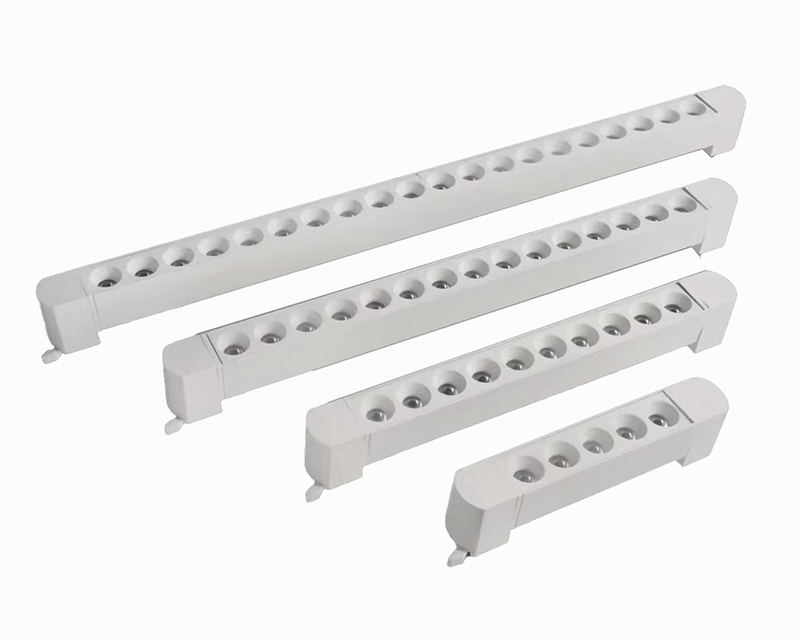
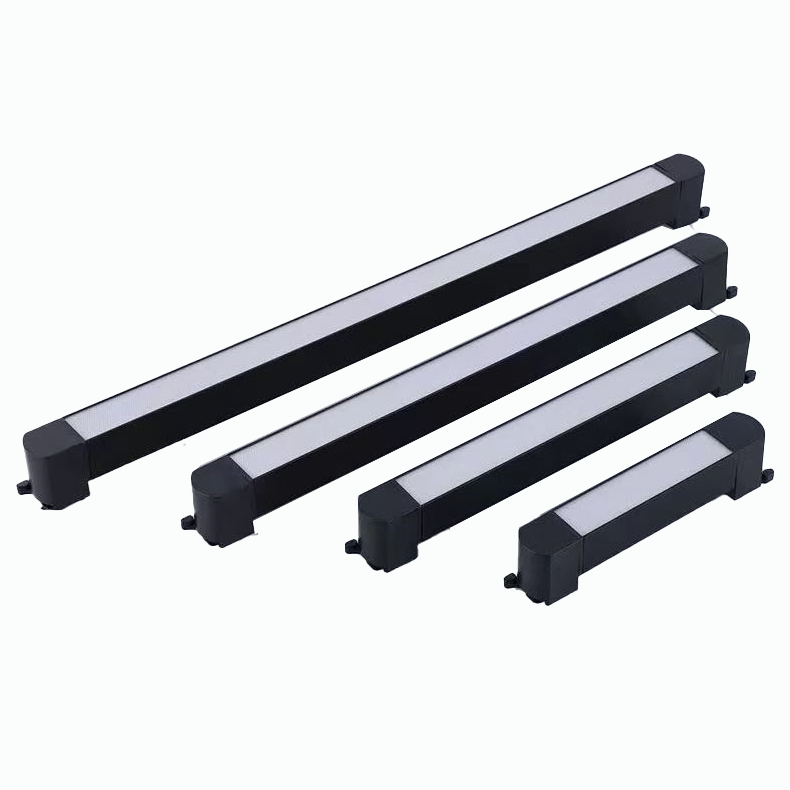
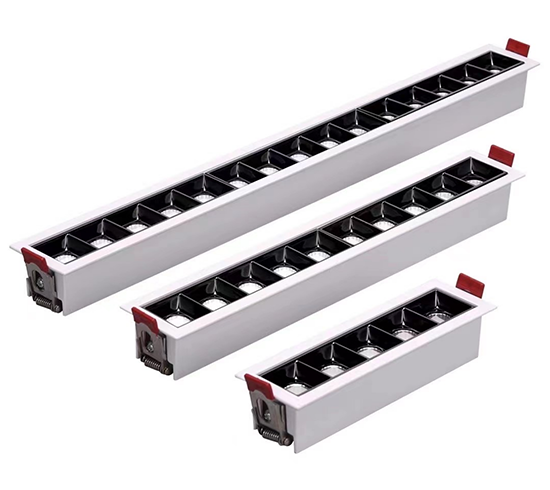
A homeowner can fit ceiling light fixtures with careful preparation. The project requires basic tools like a voltage tester and screwdrivers. Individuals often make mistakes, such as selecting stylish led light fixtures with insufficient brightness for a room. Consulting an LED Ceiling Light Manufacturer can help one choose a suitable LED Ceiling Light. Reputable led light manufacturers provide clear assembly instructions. The essential steps involve turning off power, removing the old unit, and correctly connecting the new fixture's wires.
Preparation: Tools, Materials, and Safety
Proper preparation is the foundation of a successful and safe installation. Before touching any wires, an individual must gather the right tools and materials. This ensures the project proceeds smoothly without interruption. Most importantly, following strict safety procedures is non-negotiable to prevent electrical shock or injury.
Gather Your Essential Tools
Having the correct tools on hand makes the job easier and safer. An installer should assemble these items before starting.
Voltage Tester
A non-contact voltage tester is crucial for safety. It confirms that electricity is no longer flowing to the wires after switching off the circuit breaker.
Screwdrivers (Phillips and Flat-Head)
Most light fixtures use either Phillips or flat-head screws. Having a set with multiple sizes ensures a good fit for removing the old fixture and installing the new one.
Wire Strippers and Cutters
These are used to cleanly cut old wires and strip insulation from new wires for a secure connection.
Pliers
Needle-nose pliers help bend wires and tighten connections, ensuring a firm and reliable electrical contact.
Ladder or Step Stool
A sturdy ladder or step stool is essential for reaching the ceiling safely. An installer must ensure it is placed on a level surface and avoid overreaching.
Collect Your Installation Materials
With the tools ready, the next step is to organize all the installation components.
The New Ceiling Light Fixture
An installer should unpack the new light fixture and review the manufacturer's instructions. All parts, including screws and the mounting bracket, must be accounted for.
Correctly Sized Wire Nuts
Wire nuts connect the fixture's wires to the ceiling wires. The new fixture kit usually includes them, but having extras is a good practice.
Light Bulbs for the Fixture
An individual must check the fixture's specifications for the correct type and wattage of light bulbs. Using the wrong bulb can be a fire hazard.
Electrical Tape for Securing Connections
Wrapping electrical tape around the wire nuts after tightening provides an extra layer of security and insulation.
Safety First: Turn Off All Power
Electrical work requires extreme caution. The most critical safety step is to completely disconnect the power supply to the work area.
Safety Alert: Always turn off the power at the breaker before beginning any electrical work. An installer should also wear safety glasses and use insulated tools to minimize risk. Testing wires with a voltage tester before touching them is a mandatory final check.
Locate Your Home's Circuit Breaker Box
The circuit breaker box, or fuse box, is usually in a utility room, basement, or garage. An installer needs to open the panel to access the circuit switches.
Switch Off the Lighting Circuit Breaker
The circuits are often labeled. An individual should find the breaker for the room's lighting and flip it to the "Off" position. If it is not labeled, one may need to turn the lights on and switch off breakers one by one until the light goes out.
Confirm Power is Off with a Voltage Tester
After you turn the power off at the breaker, an installer must double-check at the fixture. One should carefully touch the voltage tester's tip to each wire inside the electrical box. The tester should not light up or make a sound, confirming it is safe to proceed.
Step 1: Remove the Old Light Fixture

With the power confirmed off, the process to remove the old fixture can begin. This stage requires careful handling to prevent damage to the ceiling and to document the existing wiring for a smooth installation of the new light.
Disassemble the Existing Fixture
The first actions involve taking the old fixture apart piece by piece. This makes it lighter and easier to handle during detachment.
Remove the Glass Shade or Cover
Most fixtures have a glass or plastic cover, often called a globe or shade. An installer typically removes this by unscrewing decorative nuts or loosening thumbscrews. He should hold the cover securely with one hand while unscrewing it with the other to prevent it from falling and shattering.
Unscrew and Remove the Old Light Bulbs
Once the cover is off, the light bulbs are exposed. The installer should unscrew each bulb and set it aside. Removing the bulbs further reduces the fixture's weight and eliminates the risk of them breaking during the next steps.
Detach the Fixture from the Ceiling
Now the main body of the fixture, or its base, can be uninstalled from the ceiling's electrical box. This step requires strength and stability.
Unscrew the Fixture's Base
The fixture base is attached to a mounting bracket with two or more screws. The installer locates these screws on the canopy (the part flush with the ceiling) and loosens them. He should not remove them completely at first, but instead unscrew them most of the way.
Support the Fixture's Weight as You Work
As the screws are loosened, the fixture will detach from the ceiling. It is crucial to support its full weight to avoid straining the electrical wires.
Pro Tip: A heavy overhead light fixture can be difficult for one person to manage. An installer should consider these options for support:
Request assistance from a friend to steady the ladder while working.
Document and Disconnect the Wires
With the fixture hanging by its wires, the final part of the removal process begins. This is a critical step when you change a light fixture, as it provides a map for connecting the new unit.
Take a Clear Photo of the Wiring
Before disconnecting anything, the installer must take a clear photograph of how the wires are connected. This picture serves as an essential reference, showing which ceiling wire connects to which fixture wire.
Unscrew the Wire Nuts to Separate Wires
The wires are joined by small plastic caps called wire nuts. The installer grips the wire nut and twists it counter-clockwise to unscrew it. He does this for all connections, separating the fixture's wires from the ceiling's wires.
Remove the Old Mounting Bracket
After disconnecting the wires, the old fixture is completely free and can be set down. The final task is to unscrew the old mounting bracket from the electrical box in the ceiling. This bracket will be replaced with the new one that came with the new light fixture.
Step 2: Understand Your Home's Wiring
After removing the old fixture, an installer will see several wires emerging from the ceiling's electrical box. Correctly identifying these wires is essential for a safe and functional installation. Standard residential wiring in the US follows a specific color code, which simplifies the process.
Identify the Wires in Your Ceiling
Most modern homes use a three-wire system. Each wire has a distinct color and a specific job in the electrical circuit.
The Black Wire (Live/Hot)
The black wire is the "hot" or "live" wire. It carries electrical current from the power source to the light fixture. An installer must handle this wire with extreme caution, as it is the one that delivers the power.
The White Wire (Neutral)
The white wire is the "neutral" wire. Its function is to complete the electrical circuit. It provides a return path for the current, sending it back to the home's electrical panel. This wire is crucial for the light to operate correctly.
The Bare Copper or Green Wire (Ground)
The bare copper or green wire is the "ground" wire. This is a critical safety feature. In case of a fault or short circuit, the ground wire provides a safe path for stray electricity to travel to the earth, which trips the circuit breaker and prevents electrical shock.
What to Do with Non-Standard Wiring
Older homes may not follow modern color-coding standards. An installer might encounter different colors or faded wires, requiring careful investigation.
Handling Older Home Wiring Colors
Wiring practices have changed over time, and international standards differ. For instance, older UK homes used different colors than are standard today.
Wiring Color Reference While this guide focuses on US standards, it's helpful to recognize other schemes, especially in older properties.
Wire Function
Live/Hot
Black
Red
Neutral
White
Black
Ground/Earth
Green or Bare
Green/Yellow
An installer might also find:
White wires with black tape: In some setups, a white wire marked with black or red electrical tape is repurposed as a hot wire. An installer must treat it as a live wire.
How to Identify Wires if Colors are Faded
If the wire colors are indistinguishable, an installer must use a multimeter or voltage tester to identify them. With the power turned back on briefly and carefully, he can test pairs of wires. The pair that gives a reading of around 120V consists of the hot and neutral wires. The hot wire is the one that shows a voltage reading when tested against the metal electrical box (which should be grounded). He must turn the power off again at the breaker before proceeding with any connections.
Step 3: How to Install a Ceiling Light Fixture

With the old fixture gone and the wiring identified, the installer can now begin the main task: to install a ceiling light fixture. This step involves securing the new hardware to the ceiling and making the essential electrical connections. Precision and attention to detail here will ensure a safe and lasting installation.
Install the New Mounting Bracket
The mounting bracket is the foundation that supports the entire fixture. The new light kit includes a bracket designed specifically for its weight and shape. An installer must use this new hardware rather than reusing the old bracket.
Screw the New Bracket to the Electrical Box
The installer aligns the new mounting bracket with the screw holes on the ceiling's electrical box. He then inserts the screws provided with the new fixture and tightens them until they are snug but not fully tightened. It is important to follow the specific installation instructions provided by the manufacturer.
Ensure the Bracket is Level and Secure
Before fully tightening the screws, the installer should use a level to confirm the bracket is perfectly straight. An unlevel bracket will result in a crooked light fixture. Once level, he tightens the screws completely. To test its stability, he should gently shake the bracket. It must feel solid and show no signs of wobbling. This secure base is the first key to properly fit ceiling light fixtures.
Connect the New Fixture's Wires
This is the most critical part of the installation. The installer will now connect the wires from the new fixture to the corresponding wires in the ceiling. A helper can support the fixture's weight during this process, or the installer can use the fixture's safety chain or wire to hang it temporarily from the bracket.
Wiring Connection Guide 🔌 The standard procedure is to connect wires of the same color.
Black to Black (Live/Hot)
White to White (Neutral)
Green/Bare to Green/Bare (Ground)
Connect the Black (Live) Wires
The installer takes the black wire from the ceiling and the black wire from the light fixture. He holds their stripped ends parallel to each other.
Connect the White (Neutral) Wires
Next, he repeats the exact same process for the neutral wires. He holds the white wire from the ceiling and the white wire from the fixture together, ensuring their stripped ends are flush.
Twist Wire Nuts on Tightly
Properly using wire nuts is essential for a safe connection. The installer should follow a precise technique.
Prepare the Wires: An installer must first strip about ¾ inch of insulation from the end of each wire.
Join the Wires: He holds the two matching wires (e.g., the two black wires) so their stripped ends are parallel and even.
Secure with a Wire Nut: He places a wire nut over the tips of the wires and twists it clockwise. The internal threads of the nut will grip the wires, twisting them together and creating a tight mechanical bond. He continues twisting until the nut is firm and no bare wire is exposed.
After securing each connection, the installer should perform a gentle tug test on the wires to confirm they are held firmly inside the nut.
Connect the Ground Wire
The ground wire is a vital safety feature. Its purpose is to provide a safe path for electricity to escape in the event of a fault, such as a live wire touching the fixture's metal casing. This action creates a current surge that trips the circuit breaker, instantly cutting power and preventing a dangerous electrical shock.
Wrap the Ground Wire Around the Grounding Screw
The new mounting bracket will have a green screw, which is the grounding screw. The installer locates the bare copper or green ground wire from the ceiling. He wraps this wire clockwise around the grounding screw. If the fixture also has a ground wire, he connects it here as well.
Tighten the Screw to Secure the Connection
Using a screwdriver, the installer tightens the green screw firmly. This action clamps the ground wire to the metal bracket and, by extension, to the home's grounded electrical system. This final electrical step is crucial to safely fit ceiling light fixtures.
Note on Older Wiring: If the ceiling electrical box is metal but has no visible ground wire, the box itself may be grounded via metallic cable sheathing. In this case, an installer can connect the fixture's ground wire to the box with a green grounding screw. However, if the box is plastic or there is no ground path, he should simply cap the fixture's ground wire with a wire nut and tuck it away, ensuring it does not touch any other wires. Attaching it to a non-grounded box provides no safety benefit.
Step 4: Secure the New Fixture
With the electrical connections complete, the final stage is to physically secure the new light fixture to the ceiling. This step transforms the dangling wires into a fully installed and functional light. The process requires careful handling to protect the new fixture and the ceiling finish.
Attach the Fixture to the Bracket
The fixture's base, often called the canopy, must be attached firmly to the mounting bracket installed in the previous step. This action supports the fixture's entire weight.
Carefully Tuck All Wires into the Electrical Box
An installer must first gently push all the connected wires and wire nuts up into the ceiling's electrical box. He should take care not to pinch or damage any wires during this process. The goal is to clear the space so the fixture's base can sit flush against the ceiling. It is a good idea to check the electrical box to ensure there is enough room for all the components without forcing them.
Align the Fixture Base with the Bracket Screws
The installer lifts the fixture's base up to the ceiling. He then aligns the mounting holes on the base with the screws or threaded posts extending down from the mounting bracket. Some mounting brackets are simple flat bars, while others are adjustable rings that can be rotated. This adjustability helps an installer achieve perfect alignment between the fixture and the outlet box screw holes.
Tighten the Mounting Screws to Secure the Base
Once aligned, the installer secures the base. Most fixtures attach to the bracket with machine screws that thread into the bracket or with decorative cap nuts that twist onto a central threaded post. He should start all screws or nuts by hand to avoid cross-threading.
Pro Tip: An installer should tighten the mounting screws in an alternating pattern, similar to tightening lug nuts on a car wheel. This technique applies even pressure and ensures the fixture base sits flat and securely against the ceiling. He continues tightening until the base is snug and does not wobble. This is the final action required to mount that new fixture.
Complete the Assembly
The main body of the light is now secure. The final actions involve installing the bulbs and attaching any decorative elements to complete the look.
Screw in the New Light Bulbs
The installer now screws the new light bulbs into the fixture's sockets. He must use bulbs of the correct type and wattage as specified by the fixture manufacturer. Using a bulb with a wattage that is too high can create a fire hazard by overheating the fixture and its wiring.
Add the New Shade, Globe, or Cover
The last step is to attach the fixture's shade, globe, or cover. The installer follows the manufacturer's instructions, which typically involve securing the shade with small thumbscrews or decorative nuts. He ensures the cover is securely fastened so it cannot vibrate or fall. With the shade in place, the installation is complete.
Step 5: Restore Power and Test Your Work
The installation is complete, and the new fixture is securely in place. This final step is the moment of truth, where the installer verifies that all connections are correct and the light functions as intended. It involves safely restoring electricity to the circuit and performing a simple operational test. Success here confirms a job well done.
Turn the Power Back On
Restoring electricity requires the same caution as disconnecting it. The installer must ensure the work area is clear and all tools are put away before proceeding. This methodical approach prevents accidents and ensures a safe conclusion to the project.
Return to the Circuit Breaker Box
The installer walks back to the home's circuit breaker box or fuse panel. He should ensure his hands are completely dry before touching the panel cover. He opens the panel door to reveal the rows of circuit breakers, locating the one that was previously switched off.
Flip the Breaker Back to the "On" Position
He identifies the correct breaker, which is still in the "Off" position. Using a firm motion, he flips the switch back to the "On" position. A solid click should be heard, indicating the breaker has successfully re-engaged and power is now flowing back to the lighting circuit.
Test the New Light
With the circuit re-energized, the installer can now test the new ceiling light. This simple check provides immediate feedback on the quality of the installation.
Signs of a Successful Installation ✅
The light turns on instantly.
The illumination is bright and does not flicker.
There are no buzzing or humming sounds from the fixture.
The circuit breaker does not trip.
Flip the Wall Switch On and Off
The installer proceeds to the room and locates the corresponding wall switch for the new fixture. He flips the switch to the "On" position. This action sends power from the circuit, through the switch, and to the newly connected light. He should then flip it off and on a few times to confirm consistent operation.
Check for a Bright, Steady Light
The installer observes the fixture's performance. A successful installation results in a bright, steady light with no delay or flickering. If the light fails to turn on, it indicates a problem with the bulb, the breaker, or the wiring connections. In such a case, the installer must immediately turn off the power at the breaker again before attempting any troubleshooting. A working light marks the successful completion of the project.
Troubleshooting When You Install a Ceiling Light
Even with careful work, an installer might encounter issues after they install a ceiling light. Most problems are minor and can be resolved with a systematic approach. Before investigating any issue, an installer must always prioritize safety by turning off the power at the circuit breaker. This section covers the most common problems and their solutions.
If the Light Doesn't Turn On
When a new fixture fails to illuminate, an installer should check the most common culprits first. This diagnostic process moves from the simplest to the most complex issues.
Check the Light Bulb is Secure
The most frequent cause of a non-working light is the bulb itself. An installer should ensure the light bulb is screwed in securely. A loose bulb will not make proper contact with the socket. If tightening it does not work, he should test the bulb in another lamp to confirm it is not burned out.
Confirm the Circuit Breaker is On
Sometimes, a breaker does not fully engage when flipped back on. The installer should return to the electrical panel and confirm the breaker is firmly in the "On" position. If it has tripped again, he must not reset it repeatedly, as this indicates a more serious problem.
Re-Check All Wire Nut Connections
If the bulb and breaker are fine, the issue likely lies with the wiring. The installer must turn off the power at the breaker again. He then removes the fixture's base to inspect the wire nut connections.
Troubleshooting Steps for Wiring:
Turn off power and verify with a voltage tester.
Gently tug on each wire to ensure it is held firmly by the wire nut.
Unscrew any loose connections and twist them back together, making sure no bare wire is exposed.
Confirm the black wire is connected to black, and white is connected to white.
If the Light Flickers
A flickering light is often caused by a poor connection or an incompatibility between components.
Ensure the Bulb is Screwed in Tightly
Similar to a light that will not turn on, a flickering effect can result from a loose bulb. An installer should turn off the light switch and tighten the bulb to ensure solid contact within the socket.
Check for Loose Wire Connections
Loose wiring is a more serious cause of flickering and a potential fire hazard. If tightening the bulb does not solve the problem, the installer must turn off the power at the breaker. He then inspects the wire nut connections in the electrical box for any looseness. He should also check the connections at the wall switch.
Loose Bulb: The bulb is not making consistent contact.
Loose Wiring: A wire nut connection is not secure.
Dimmer Incompatibility: An LED bulb is used with an older, non-LED-compatible dimmer switch.
If the Breaker Trips Immediately
A circuit breaker that trips instantly upon turning on the light signals a dangerous condition known as a short circuit.
Turn Off Power and Check for a Short Circuit
A short circuit occurs when a hot wire touches a neutral or ground wire, creating a massive surge of current. The breaker trips to prevent overheating and fire. An installer must leave the breaker off and inspect the wiring. He should look for any damaged wire insulation or areas where wires might be pinched.
Ensure Live and Neutral Wires Are Not Touching
The most common cause of a short circuit during installation is an improper connection. The installer must carefully examine the wiring inside the electrical box. He needs to ensure that the black (live) and white (neutral) wires are completely separate and that no stray copper strands are touching each other or the metal electrical box.
An installer can successfully fit ceiling light fixtures by following these safety and installation steps. This project enhances a room's ambiance and builds significant DIY confidence. The ability to fit ceiling light fixtures safely is a valuable and rewarding skill for any homeowner.
Project Complete! 💡 An installer can now enjoy the bright, welcoming atmosphere created by the new light.
FAQ
Can an installer reuse the old mounting bracket?
An installer should always use the new mounting bracket included with the fixture. This hardware is specifically designed to support the new light's weight and shape. Reusing an old bracket can lead to an improper or unsafe fit.
What if the new fixture is very heavy?
Heavy fixtures, especially chandeliers, may require additional support. An installer must ensure the ceiling's electrical box is rated for the fixture's weight.
A standard box supports up to 50 lbs. Heavier lights may need a fan-rated box or a special brace installed between ceiling joists for safety.
How does an installer handle multiple sets of wires?
Sometimes an electrical box contains multiple sets of wires to power other outlets. An installer should connect all black wires together and all white wires together, including the fixture's wires. The photo taken during removal is an essential guide here.
Can any light fixture be used with a dimmer switch?
No, compatibility is key. An installer must check two things:
The light fixture itself must be labeled as "dimmable."
The light bulbs (especially LEDs) must also be specified as dimmable.
Using non-dimmable components can cause flickering or damage.
How is a fixture grounded to a plastic electrical box?
A plastic box cannot be grounded. An installer should connect the ground wires from the power source and the fixture directly to each other with a wire nut. He then tucks the connection into the box, ensuring it does not touch other terminals.
How long does it take to fit a ceiling light? ⏱️
The time required depends on an installer's experience.
Skill Level | Estimated Time |
|---|---|
Beginner | 60-90 minutes |
Experienced | 30-45 minutes |
This estimate includes preparation, removal of the old fixture, and installation of the new one.