

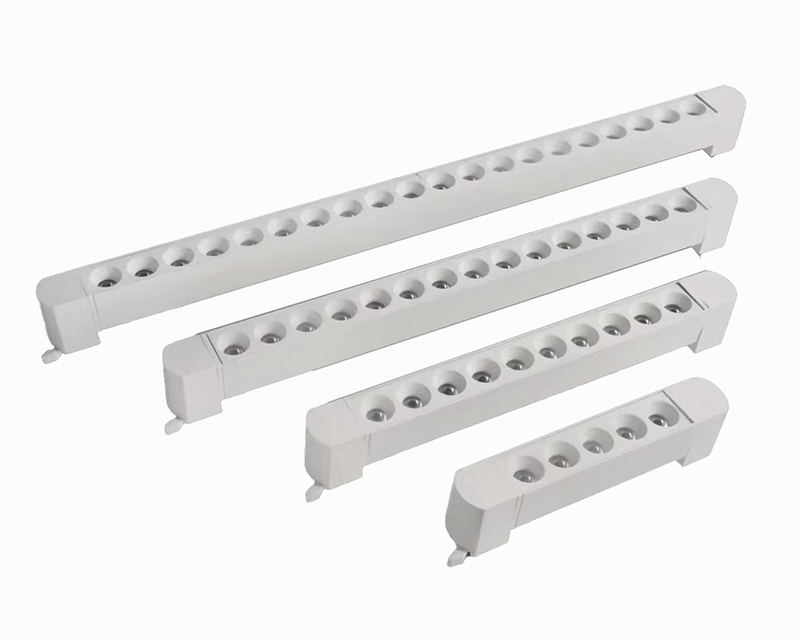
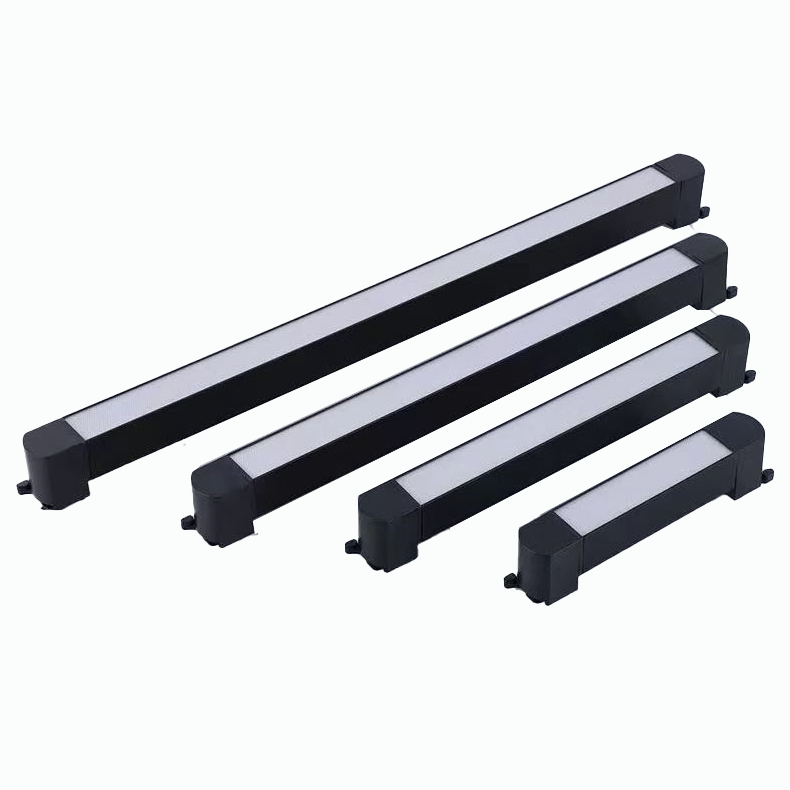
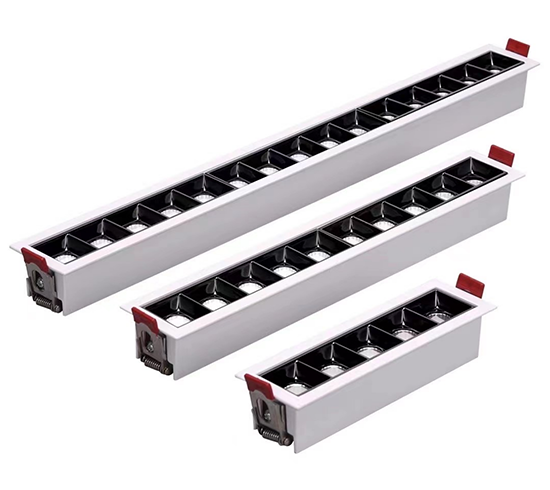
People use outdoor lighting for different reasons. They use it at home, at work, and in factories. Each place needs a certain amount of brightness. The table below shows how bright the lights should be for each use:
Application | Recommended Lumen Level |
|---|---|
Residential Entryways | 400 to 800 lumens |
Driveways and Garages | 1,200 to 2,000 lumens |
Backyards and Perimeters | 1,000 to 3,000+ lumens |
Commercial and Industrial | Exceeds 5,000 lumens |
To pick the right led solar street light, you need to match your needs. You also need to think about the features and where you will put the light. Many people trust brands like LiYIinLed factory and L.I.O.N LY-TYN-XQ01. These brands give good and dependable lights.
Key Takeaways
Pick the right brightness for your area. Use 400-800 lumens for doorways. Use 1,200-2,000 lumens for driveways.
Pick solar street lights with good solar panels. Good panels help the lights work longer, even when it is cloudy.
Choose the right battery size for your needs. A bigger battery lets the light work longer on rainy days.
Think about smart controls to save energy. Motion sensors and adaptive lighting help use less power.
Check the warranty before you buy. A good warranty means the product is reliable. It can also help you save money on repairs.
Identify Lighting Needs
Residential Lighting Requirements
People pick outdoor lights for homes to make them safer and nicer. Good lighting helps keep entryways, driveways, and backyards safe. It also makes these places feel friendly. Studies say better lighting can lower crime. It helps people feel safe at home. Bright spaces let people play and talk outside more.
The table below shows how much light is best for each area:
Area | Recommended Level (lux) | Lighting Suggestions |
|---|---|---|
Driveways and Pathways | 10–30 | Bollard lights, LED strips, motion-sensor floodlights |
Front Yard | 50–100 | Security and visibility |
Backyard | 20–50 | Mood lighting, uplighting for aesthetics |
Garages | 75–150 | Visibility for parking or repairs |
Porches | 50 | Welcoming light for entrances |
Homes should use lights that save energy. People can turn lights on with switches, sensors, or timers. Good lights also show off the house and yard. This makes the neighborhood look better. LiYIinLed factory has good lights for homes. These help people make their homes safe and pretty.
Commercial Lighting Requirements
Commercial lighting is not the same as home lighting. Businesses need more light for work and safety. The lights must last long and work in tough places. Main roads, parking lots, and building outsides need to be very bright.
Type of Lighting | Recommended Lumens |
|---|---|
Path lighting | 100-200 lumens |
Step lights | 12-100 lumens |
Flood lights | 700-1300 lumens |
Motion sensor lights | 300-700 lumens |
Pond/pool lights | 200-400 lumens |
Hardscape lights | 50-185 lumens |
Landscape | 50-300 lumens |
Street Lights | 1000-10000 lumens |
Commercial lights often use LED and sensors. Control systems help save power and work better. The chart below shows how bright each type should be:
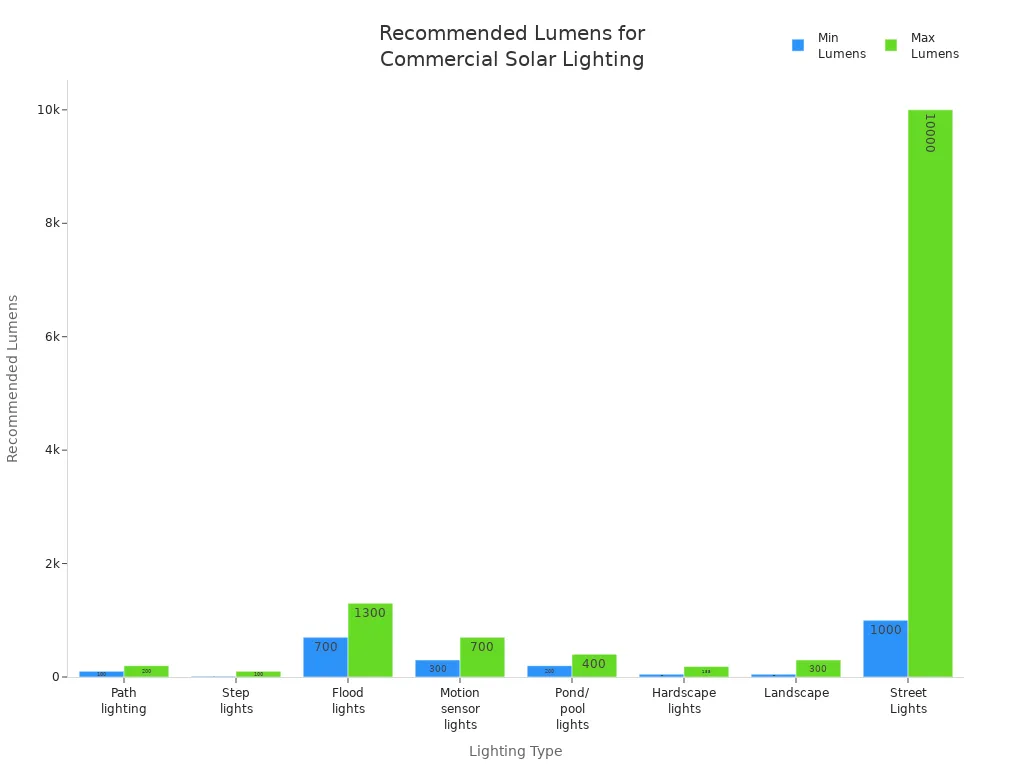
Businesses pick lights for how much area they cover, how bright they are, and how strong they are. LiYIinLed factory makes strong lights for businesses.
Industrial Lighting Requirements
Industrial lights must work in hard places and big spaces. Factories, warehouses, and yards need strong lights. These lights need big batteries and must last a long time. Weather and temperature can change how lights work. So, the lights must be tough.
Factor | Description |
|---|---|
Battery Capacity and Life Span | High-capacity batteries reduce maintenance costs and support long illumination duration. |
Temperature and Weather Conditions | Fixtures must withstand extreme heat, cold, and moisture for optimal efficiency. |
Proper Installation and Maintenance | Correct orientation and height maximize performance and efficiency. |
Efficient Lighting Technology | LED lights save energy and last longer than traditional options. |
Smart Control Systems | Smart controls adjust lighting based on conditions, improving sustainability and cost-effectiveness. |
Industrial places use smart controls to save energy. LiYIinLed factory has strong lights for factories and warehouses. These lights work well even in tough places.
LED Solar Street Light Features
Brightness (Lumens)
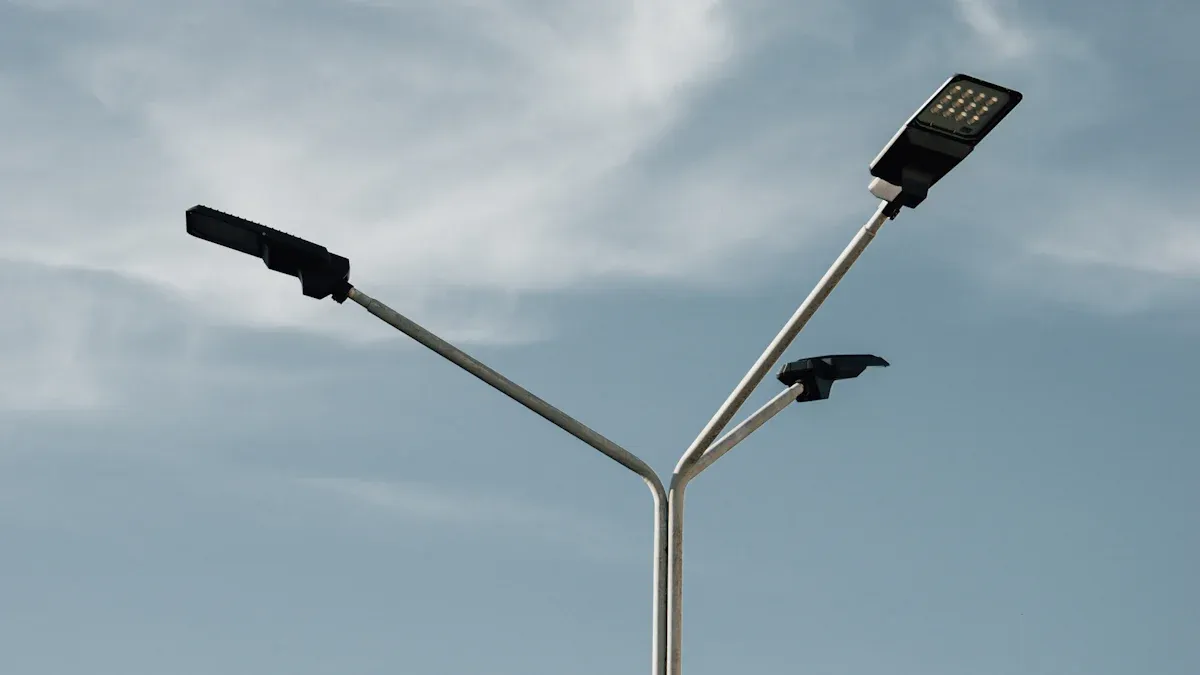
Brightness is a key part of LED solar street lights. People use lumens to measure how bright a light is. The right amount of lumens depends on where you put the light. Homes do not need as much brightness as factories or busy roads. The table below shows how bright lights should be for different places:
Setting Type | Lumen Output Range |
|---|---|
Residential | 2,000 to 5,000 lumens |
Commercial | 5,000 to 15,000 lumens |
Industrial/High Traffic | 15,000 to 30,000+ lumens |
Some homes use about 5,000 lumens. Highways and motorways may need between 6,400 and 18,000 lumens. LiYIinLed factory has many models that fit these needs. This makes it simple to pick the right light for any job.
Solar Panel Efficiency
Solar panel efficiency tells us how well a street light works. Panels with high efficiency charge batteries faster. They also work better when it is cloudy. This means the lights stay on longer, even with little sun. High-efficiency panels cost less over time because they need less fixing. Most solar street lights use monocrystalline or polycrystalline panels. The table below shows how efficient each type is:
Type | Average Efficiency (%) |
|---|---|
Monocrystalline | 22–27 |
Polycrystalline | 15–22 |
The L.I.O.N LED Solar Wall Washer Light LY-TYN-XQ01 uses high-efficiency panels. This helps the light work well every night.
Battery Capacity
Battery capacity shows how long a solar street light can shine at night. Most batteries are between 20Ah and 200Ah or more. The right battery depends on the weather and how many hours of light you need. For example, a 100W light that works for 10 hours each night and must last through two rainy days needs a battery of about 3750 Wh. LiFePO4 batteries last longer and need less care than lead-acid batteries. The table below compares them:
Battery Type | Lifespan | Maintenance | Efficiency | Total Cost of Ownership |
|---|---|---|---|---|
LiFePO4 | 10+ years | Virtually none | ~95% | Lower |
Lead-Acid | 3-5 years | Regular | 80-85% | Higher |
LiYIinLed factory uses advanced batteries in their lights. This helps the lights last longer and work better.
Light Distribution
Light distribution means how the light spreads out in an area. Different types are good for different places:
Type 2: Good for streets and narrow paths.
Type 3: Works for small parking lots and wider roads.
Type 4: Best for big parking lots and open spaces.
Type 5: Spreads light evenly in all directions for large areas.
The L.I.O.N LED Solar Wall Washer Light LY-TYN-XQ01 uses special optical design. It gives beam angles from 10 to 60 degrees. This lets people pick the best type for their project.
Color Temperature
Color temperature changes how a place looks and feels. Most outdoor solar street lights use color temperatures from 3000K to 6000K. Warm white (3000K) makes a space feel cozy. This is good for homes and parks. Cool white (6000K) makes places look brighter and safer. This is important for factories and busy roads. Cool white also saves more energy because it gives more light for the same power. Picking the right color temperature can make a place look modern or comfortable.
IP Rating & Durability
The IP rating shows how well a light keeps out dust and water. A higher IP rating means better protection. For outside, IP65 or higher is best. This keeps the lights working in rain, dust, and bad weather. The L.I.O.N LED Solar Wall Washer Light LY-TYN-XQ01 has a strong aluminum body and a high IP rating. This helps it last a long time outside. LiYIinLed factory also makes tough lights for all kinds of weather.
Smart Controls
Smart controls make LED solar street lights easier to use and save energy. These features include:
Feature | Description |
|---|---|
Real-time data collection | Checks energy use and battery status. |
Adaptive lighting mode | Changes brightness based on traffic. |
Wireless remote control | Lets users adjust lights from far away. |
Motion sensing | Turns lights on when someone is near to save energy. |
Smart scheduling | Sets when lights turn on and off. |
Data monitoring | Uses cloud platforms for easy access and analysis. |
Integrated camera systems | Adds security with cameras. |
Smart dimming technology | Balances energy use and brightness. |
Advanced models like the L.I.O.N LED Solar Wall Washer Light LY-TYN-XQ01 use DMX control and smart sensing. These systems let people control many lights at once, change colors, and set cool effects. Smart sensing helps save energy by changing light levels when people move or when the weather changes. LiYIinLed factory also has models with smart features for homes, businesses, and industry.
Tip: Smart controls and advanced features help save money and make outdoor lighting safer and more reliable.
Solar Street Light Buyer's Guide
Model Types (All-in-One, Split)
Solar street lights have two main types. All-in-one models put the solar panel, battery, and light together. Split models have each part separate. The table below shows how they are different:
Feature | All-in-One Solar Street Lights | Split Solar Street Lights |
|---|---|---|
Installation | Easy to install, good for small budgets | Harder to install, best for big spaces |
Maintenance | Needs little care | Needs more care because parts are separate |
Energy Storage Capacity | Good for lower energy needs | Can be changed for bigger energy needs |
Customization Options | Not many ways to change | Can be changed a lot for special needs |
Cost | Usually costs less | Costs more at first but can be stronger |
Suitability | Works best in cities and homes with lots of sun | Good for factories and places that need lots of light |
Best Choices for Homes
People who own homes want solar led street lights that are simple to use. All-in-one models are good for most homes. The Smart Motion 120W kit gives 10,000 lumens and uses a lithium-ion battery. It works well for driveways and yards. Pathway and driveway models like Beau Jardin Solar Lights help guests walk safely. Security kits like High-Bright 200W keep entrances and parking safe. The L.I.O.N LED Solar Wall Washer Light LY-TYN-XQ01 is great for making gardens look nice. It uses strong panels and smart controls to make colorful lights in yards.
Best Choices for Businesses
Businesses need solar street lights that are bright and tough. Commercial models use strong materials like aluminum and PC. They do not rust and can handle hot or cold weather. Quick fixes help keep the lights working. Changing colors helps people see better when the weather changes. Motion sensors make the lights brighter or dimmer to save power. Brightness can be from 6,000 to 15,000 lumens. Easy setup saves money on work. Safety features help keep people safe and lower risks. Low care saves time and money. Businesses can add more lights if needed. The L.I.O.N LY-TYN-XQ01 is good for making buildings look cool with changing lights.
Best Choices for Industry
Factories and big sites need solar led street lights that are strong and bright. Split models are best because they can be changed and use bigger batteries. Industrial yards, ports, and roads use 200W models with 36V systems. These lights give lots of power and last a long time. Smart controls and strong bodies help them work well in tough places. Picking the right solar lights for industry means looking for tough, powerful, and flexible models.
Tip: This guide helps people pick solar street lights for their needs. Homes, businesses, and factories all need different lights to work best.
Solar Street Lighting Installation & Maintenance
Installation Steps
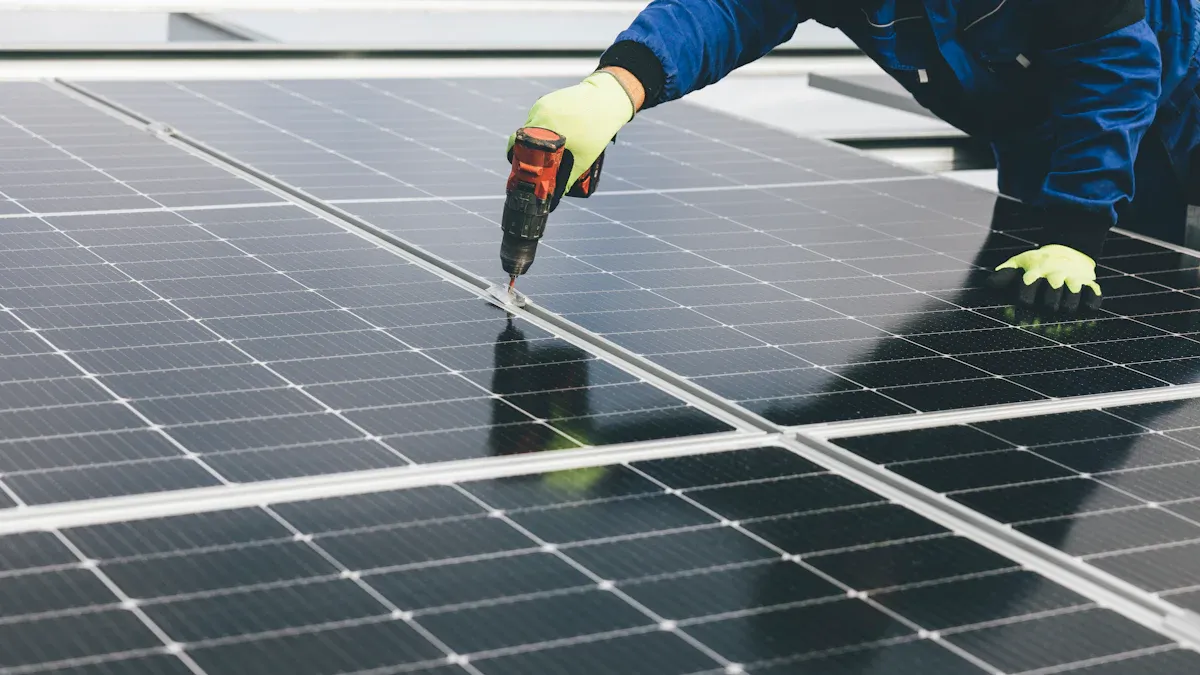
Proper installation helps solar street lights work well and last longer. Here are the main steps for setting up a new system:
Choose a spot with plenty of sunlight and no shade.
Dig a hole for the pole and concrete base.
Place the pole in the hole and fill it with concrete. Use a level to keep the pole straight.
Mount the solar panel on top of the pole. Face it south for the best sunlight.
Connect the battery to the controller with the right cables.
Attach the LED light source at the top of the pole.
Connect all wires by following the wiring diagram.
Test the system to make sure it works and charges during the day.
Secure the wiring with zip ties or clamps.
Adjust the controller settings for the best lighting time and brightness.
A clear installation and maintenance checklist helps users avoid mistakes and saves time.
Maintenance Tips
Regular care keeps solar street lights bright and reliable. The table below shows important tasks:
Maintenance Task | Description |
|---|---|
Cleaning Solar Panels | Remove dust to keep sunlight charging the battery. |
Battery Maintenance | Check voltage and replace batteries if they lose power. |
Inspecting Lighting Fixtures | Make sure all lights work as they should. |
Checking Poles and Structures | Look for damage or loose parts to keep the system safe. |
Monitoring Energy Efficiency | Review performance to catch problems early. |
These steps help lower repair costs and keep the lights working well.
Troubleshooting
Sometimes, solar street lights may not work right. Here are common problems and solutions:
If the controller shows water damage, replace it.
If the battery does not store power, check the voltage and replace if needed.
If the solar panel does not give power, inspect and replace it.
If the LED light does not turn on, test and replace the light.
If the light flickers, try a new lamp, then check cables and battery.
If the light does not last long, the battery may need changing.
If wires are not connected right, fix them by following the manual.
Quick checks and fixes keep the system running and help avoid bigger issues.
Cost, ROI, and Warranty
Budgeting
People need to plan their budget before buying solar street lighting. The cost of led street lights can change based on the type, size, and features. Most solar led street lights cost between $1,500 and $4,000 for each unit. This price includes the solar panel, battery, led light, and installation. Homeowners usually spend less because they need fewer lights. Businesses and factories often need more units, so their total cost is higher. Good planning helps people choose the right number of led street lights for their space. They should also think about future needs and possible upgrades. High-quality solar led street lights can save money over time because they last longer and need less fixing.
Calculating ROI
Return on investment, or ROI, helps people see how much money they save with solar street lighting. People can use a simple table to understand the main parts of ROI:
Factor | Description |
|---|---|
Initial Investment | The upfront cost of installing solar street lights. |
Cost Savings | Long-term savings from reduced electricity bills and lower maintenance costs. |
Break-Even Point | The time it takes for savings to exceed the initial investment. |
Solar led street lights use less energy than old lights. They also need less care, which lowers costs. A good ROI analysis checks how fast the savings cover the first cost. Planning for led street lights means looking at energy savings, lower bills, and less work fixing lights. People should always check the break-even point to make sure their project brings value.
Tip: Solar street lighting gives better energy efficiency and helps the planet by using clean energy.
Warranty Considerations
Warranty is important when buying solar led street lights. Most top brands give a warranty for 3 to 5 years. This covers the solar panel, battery, and led light. Some companies offer longer warranties for batteries and control systems if people ask. A strong warranty shows that the company trusts its product. People should read the warranty details before buying. Good planning includes checking what the warranty covers and how to get help if something breaks. This keeps solar street lighting working well for many years.
Picking LED solar street lights is simple if you follow steps. First, think about how much light you need. Next, look at the features of each light. You should also plan for how to put them in and how much they cost. Solar powered lights help save money on power bills. They do not need much care. Sometimes, the government gives money back to help pay for them. The right brightness and battery make outdoor areas safe. LiYIinLed factory and L.I.O.N LY-TYN-XQ01 make good lights for homes, businesses, and factories. These brands are trusted and have new ideas.
FAQ
What is a solar street light and how it works?
A solar street light uses sunlight to make electricity. It stores energy in a battery during the day. At night, the light turns on. This shows how it works and why it helps save energy in many places.
How does solar street light project planning start?
Solar street light project planning begins with a lighting requirements assessment. People check how much light each area needs. They also look at the environment and decide where to put each solar street light.
What are the key factors to consider when choosing a solar street light?
Key factors to consider include brightness, battery size, solar panel efficiency, and weather conditions. Sizing step-by-step helps match the right solar street light to each location. This process ensures the system works well.
How does sizing step-by-step help in solar street light project planning?
Sizing step-by-step means checking how much power each solar street light needs. People look at how it works in different places. This method helps lower operational costs and brings more savings over time.
Can solar street lights work in any environment?
Solar street lights can work in many environments. They need sunlight to charge. Good solar street light project planning makes sure each light fits the area. This helps the system last longer and work better.