
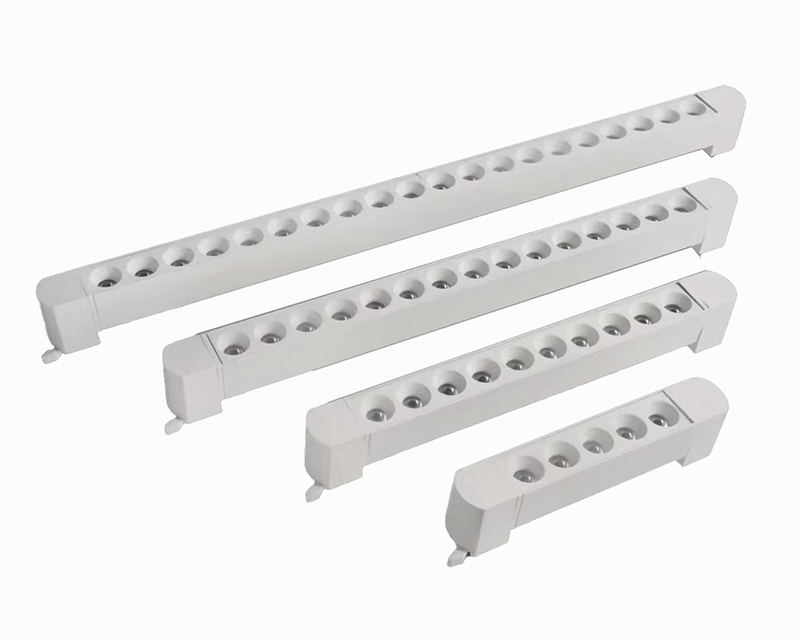
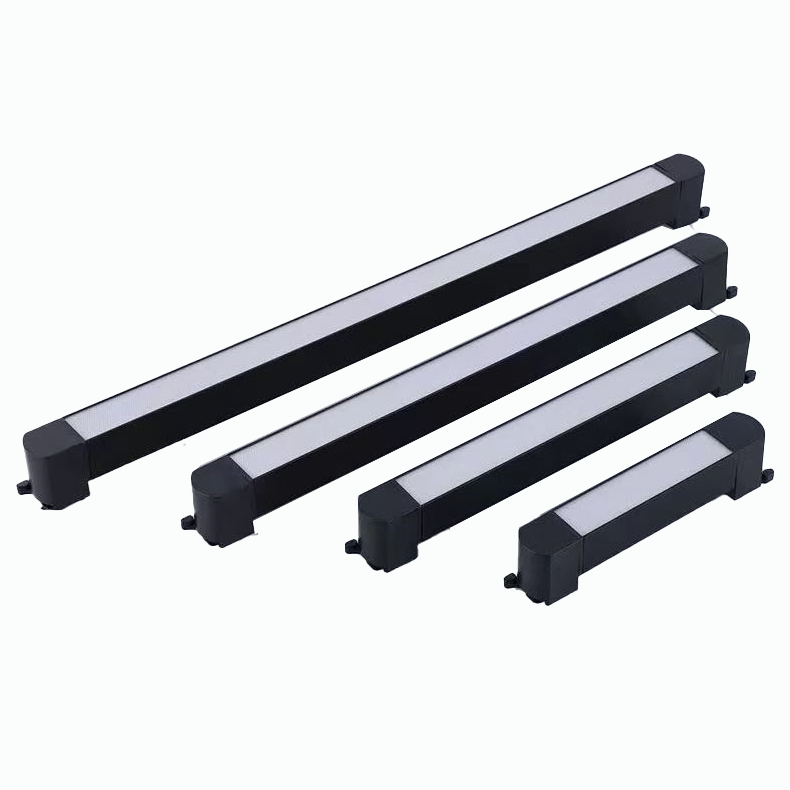
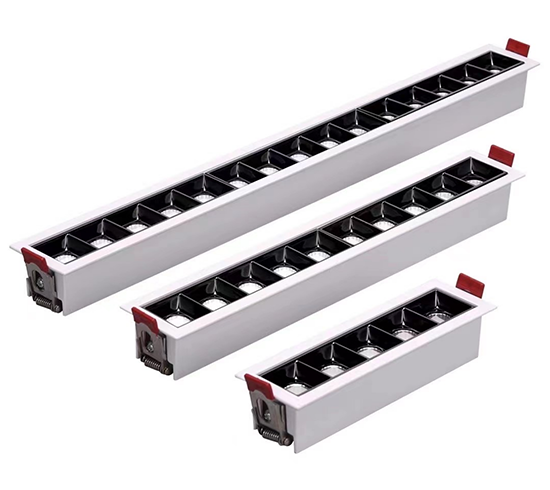
LED track lighting systems are a versatile LED lighting method where individual led light fixtures, called heads, attach to a continuous track. These track lighting systems provide highly flexible, targeted illumination, as each LED head can be moved and aimed independently along the track. The main types of track lighting are categorized by the track's form, the fixture's design, and the system's voltage. The growth of these lighting systems is significant.
The overall Track Lighting Market is projected to reach USD 7.05 Billion by 2032. This reflects innovation from every LED Track Light Manufacturer and all led light manufacturers in creating superior LED track lights and advanced led track lighting solutions like the LED Track Light. This growth solidifies these track lighting systems as a key LED lighting trend.
What Is an LED Track Lighting System?
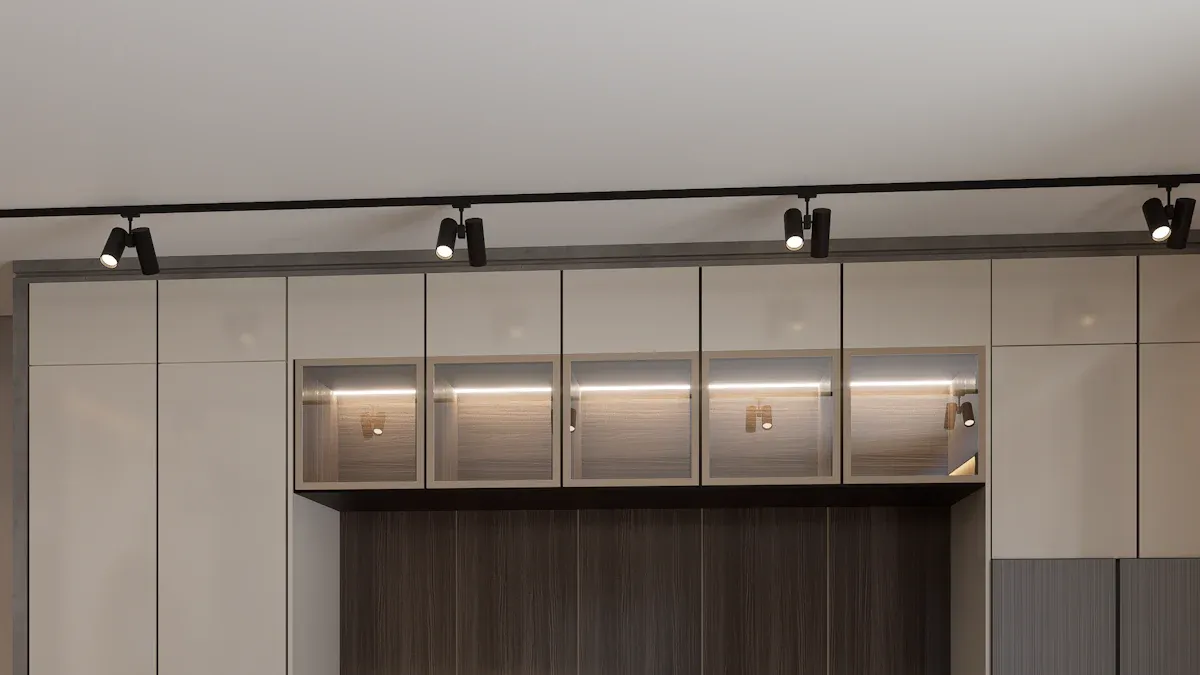
An LED track lighting system is a modular lighting solution. It allows users to create custom lighting arrangements with ease. Understanding its fundamental parts and benefits reveals why these systems are so popular in modern design.
The Core Components Explained
Every track lighting system is built from four primary types of components. These parts work together to deliver power and support the light fixtures.
The Track or Rail
The track, or rail, is the backbone of the entire system. This linear structure mounts directly to a ceiling or wall. It houses the electrical conductors that power the LED track lights. The track provides a physical channel where users can attach, slide, and position each light head.
The Power Feed
The power feed is the point of electrical connection. It links the building's wiring to a specific point on the track. This component energizes the entire length of the track, making the lighting operational. Power feeds can be located at the end of a track or anywhere along its run.
The LED Track Heads
LED track heads are the individual light fixtures. They connect mechanically and electrically to the track. Each LED head contains the LED light source and its related electronics. The construction of these heads involves several key materials:
Lenses for focusing and distributing light.
Circuit boards to connect all electrical parts.
Aluminum heat sinks for effective thermal management.
Durable plastic or aluminum housing for protection.
Connectors and Accessories
Connectors join multiple pieces of track together. They allow for the creation of longer runs or complex shapes like L-turns, T-junctions, or X-intersections. Other accessories for these systems include mounting hardware and end caps for a clean, finished look.
Key Advantages of Using LED Track Lights
LED track lighting offers significant benefits over traditional lighting methods. The primary advantages relate to flexibility, precision, energy efficiency, and aesthetics.
Unmatched Flexibility and Control
The main appeal of track lighting systems is their adaptability. Users can easily move track heads along the track. They can also add or remove lights as their needs change. This flexibility makes it simple to reconfigure the lighting for a new furniture layout or art display.
Precise Directional Lighting
Each LED track head can be aimed independently. This feature provides precise control over the direction of light. It is ideal for highlighting architectural details, illuminating artwork, or focusing light on specific task areas. This targeted lighting minimizes wasted light.
Superior Energy Efficiency with LED
LED technology provides exceptional energy efficiency. LED track lights consume significantly less power than their halogen or incandescent counterparts. This high efficiency translates directly into lower electricity bills and a reduced environmental footprint. The long lifespan of LED bulbs also reduces maintenance costs.
The superior energy efficiency of LED systems is a key driver of their adoption. High energy efficiency means that more electrical power is converted into light and less is wasted as heat, improving both performance and safety. This focus on energy efficiency makes LED lighting a smart choice.
Modern and Clean Aesthetic
LED track lighting systems offer a clean, contemporary look. The minimalist design of the track and fixtures complements a wide range of interior styles, from industrial lofts to modern homes. This aesthetic appeal enhances the overall design of a space while providing functional lighting.
Exploring the Main Types of LED Tracks
Choosing the right track is the first step in designing effective LED track lighting. The track itself dictates the system's layout, compatibility, and overall aesthetic. The main types of track lighting are defined by their physical form: linear, flexible monorail, or fixed. Each type serves different functional and design purposes.
Linear Track Systems
Linear track is the most common and standardized format for track lighting systems. It consists of straight, rigid sections of track that can be connected to create longer runs or geometric patterns. These systems are defined by their internal wiring configuration, which determines compatibility with specific LED track heads. It is crucial to know that different linear systems are not interchangeable.
Important Note: Parts from one type of linear track system are not compatible with another. An H-type head will not fit on a J-type track, and vice-versa. Always purchase components designed for the same system.
H-Type (3-Wire)
The H-type system, also known as a 3-wire system, is the industry standard, especially in the residential market. It features three electrical conductors inside the track. Its name comes from Halo, a major brand that popularized this format. H-type track has a wide selection of compatible LED fixtures and accessories at competitive prices, making it a go-to for many projects.
J-Type (2-Wire)
The J-type system uses a 2-wire configuration. It is often associated with the brand Juno. This track is identifiable by the spacing of its conductors. While less common than H-type, J-type systems offer quality LED lighting options, particularly in commercial and architectural settings. The selection of compatible LED track lights is more limited but still robust.
L-Type (2-Wire)
The L-type system is another 2-wire configuration, primarily linked to the brand Lightolier. It has the smallest market presence of the three linear systems. Sourcing L-type track and its corresponding LED heads can be challenging and more expensive. This system is typically used in specialized architectural lighting designs where specific L-type fixtures are required.
The differences between these linear systems extend to availability, cost, and fixture selection.
Feature | H-Type System | J-Type System | L-Type System |
|---|---|---|---|
Wiring | Three conductors | Two conductors | Two conductors |
Market Presence | Dominant, widest selection | Niche, quality choices | Smallest presence |
Availability | Widely available | Specialty stores | Difficult to source |
Fixture Cost | $15 - $200+ | $30 - $300+ | $50 - $500+ |
Monorail or Flexible Track Systems
Monorail systems offer a significant leap in design freedom compared to linear track. These systems use a single rail that can be either rigid or flexible, providing a more decorative and customizable lighting solution.
Hand-Bendable Rails
The defining feature of flexible monorail systems is the hand-bendable track. Installers can shape the track on-site to create gentle curves, dramatic waves, or circles. This flexibility allows the lighting to follow architectural features, navigate unconventional room shapes, or become a sculptural element in its own right. A boutique shop, for example, can use a curved track to highlight mannequins and displays, adapting the lighting as collections change.
Creating Custom Curves and Shapes
With monorail systems, designers can craft truly unique lighting layouts. A flexible track can sweep across a living room ceiling, with some LED heads aimed at artwork and others providing reading light over a sofa. This ability to create flowing, graceful shapes opens up new possibilities for integrating lighting into interior design. The structural capacity of these systems is also impressive, with some aluminum track monorail systems supporting between 150 and 2,000 lbs, and heavy-duty industrial systems handling loads over 4,000 lbs.
Fixed Track Lighting
Fixed track lighting represents the simplest form of track-style lighting. Instead of a modular track, these systems feature multiple LED heads mounted on a single, pre-configured bar.
Pre-Configured Bars
These units come as a complete fixture. The bar contains all the wiring, and the LED heads are permanently attached. They install directly to a standard ceiling or wall junction box, much like a traditional ceiling light. This all-in-one design simplifies installation, as there is no need to purchase separate track sections, power feeds, or connectors.
Limited Adjustability
The primary trade-off with fixed track lighting is its lack of flexibility. Users cannot move the LED heads along the bar or add more lights. The only adjustability comes from pivoting or swiveling the existing heads to direct the light. Because of this, precise measurement is critical. The fixture's placement must be exact, and modifications are not possible. These systems are excellent for straightforward applications, such as vanity lighting in a bathroom or general illumination in a small hallway where future changes to the lighting layout are unlikely.
A Guide to Common Types of LED Track Heads
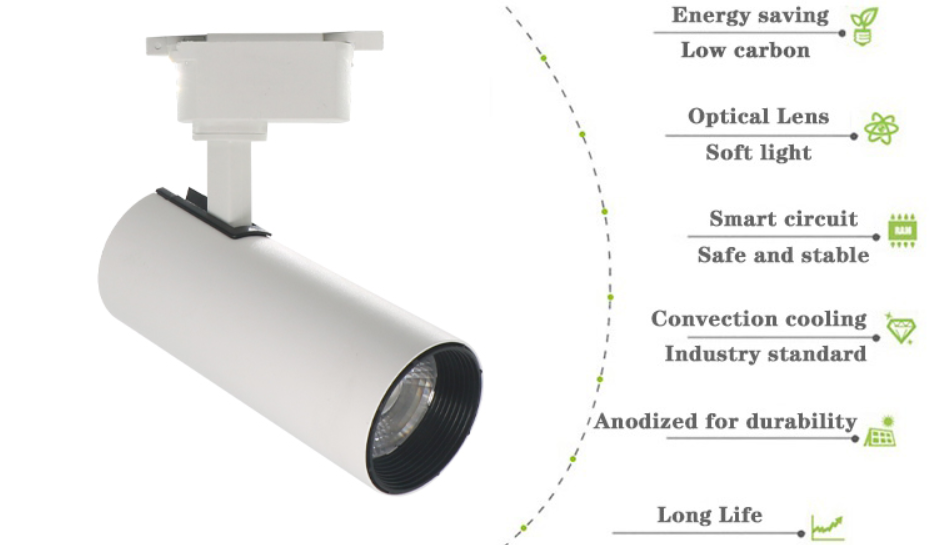
The LED track head is the fixture that produces the light. Its design determines the style, function, and direction of the illumination. Selecting the right head is critical for achieving specific lighting goals, whether the aim is to highlight a single object or illuminate an entire room. Heads are generally categorized by their intended purpose: accent and task lighting or general and decorative lighting.
Heads for Accent and Task Lighting
These LED heads provide focused, directional light. They are the workhorses of track lighting systems, designed to draw attention to features or illuminate workspaces.
Gimbal Heads
Gimbal heads are among the most functional and popular options. They feature a pivoting frame that allows the LED lamp to swivel and tilt with exceptional range. This high degree of adjustability makes them perfect for applications requiring precise aim.
Kitchen Task Lighting: Gimbal heads excel at providing brilliant task lighting. Users can direct the light precisely onto primary work areas like countertops, sinks, and stoves. This creates a bright, shadow-free, and efficient workspace.
Accent Lighting: These heads are also ideal for accent lighting. They can highlight architectural elements, illuminate artwork, or brighten dim corners and open shelves within a pre-lit environment.
Cylinder Heads
Cylinder heads offer a clean, minimalist aesthetic. The LED light source is housed within a simple cylindrical casing. While their adjustability is typically more limited than a gimbal head, they provide a sleek, modern look. These heads are excellent for creating focused pools of light on floors, tables, or specific objects without drawing attention to the fixture itself.
Pinhole Heads
Pinhole heads deliver the most focused beam of light. They feature a very small aperture that creates a narrow, sharp-edged circle of illumination. This design is perfect for dramatic accent lighting, such as spotlighting a small sculpture or creating a precise highlight on a display item in a retail setting. The fixture itself is discreet, placing all the emphasis on the object it illuminates.
Heads for General and Decorative Lighting
While track lighting is known for directional beams, some heads are designed to provide broader illumination or serve as decorative elements. These fixtures contribute to the overall ambient light and style of a space.
Pendant Heads
Pendant heads bring a strong decorative element to led track lighting. These fixtures hang down from the track via a cord or stem, placing the light source closer to the target area. They are available in countless styles, from simple glass globes to intricate metal designs. Pendants work well over kitchen islands, dining tables, or reception desks, combining functional lighting with a powerful design statement.
Round Back Heads
Round back heads, sometimes called "scoop" heads, have a classic, softened profile. Their curved housing gives them a less industrial look than standard cylinder heads. These versatile led track lights can function for both general lighting and accent lighting, blending seamlessly into traditional and transitional interiors. The rounded shape provides a timeless appeal for any track.
Step Cylinder Heads
Step cylinder heads are a stylistic variation of the standard cylinder. They feature a tiered or "stepped" design on the housing, adding visual interest and a touch of architectural detail. This design provides a sophisticated look while delivering the same functional, directional lighting as a traditional cylinder head. These systems are a great choice for modern and contemporary spaces.
Understanding Spot vs. Flood Beam Angles
The beam angle of an LED head defines the spread of light it produces. This measurement, in degrees, is crucial because it dictates how light is perceived. A narrow beam concentrates light for intensity, while a wide beam disperses it for broader coverage. Choosing the correct beam angle is essential for the success of any lighting plan.
Pro Tip: For the same lumen output, an LED head with a narrow beam angle will appear much brighter on a specific point than an LED head with a wide beam angle. The brightness is the same, but the concentration of light changes its perceived intensity.
Spot Heads for Narrow Beams
Spot heads use a narrow beam angle to create a tight, focused cone of light. This is ideal for creating high contrast and drawing attention to specific details.
Beam Angle Range: Spot beams typically range from 10 to 22 degrees.
Common Uses: Use spot heads to highlight artwork, spotlight architectural features, or illuminate retail products from a distance. The focused beam ensures light hits the target without spilling onto surrounding areas.
Flood Heads for Wide Beams
Flood heads utilize a wide beam angle to spread light over a larger area. This creates more diffuse, uniform illumination suitable for general lighting or washing a wall with light.
Beam Angle Range: Flood beams generally range from 36 to 120 degrees.
Common Uses: Use flood heads for general room illumination, wall washing, or lighting larger task areas where broad coverage is more important than focused intensity.
The relationship between beam angle, brightness, and coverage is fundamental to effective lighting design. The following table summarizes how these elements work together in track lighting systems.
Beam Angle Type | Perceived Brightness | Coverage Area | Ideal Applications |
|---|---|---|---|
Narrow (Spot) | Higher intensity, focused | Smaller, concentrated | Spotlighting, task lighting, highlighting features |
Medium | Balanced intensity | Medium-sized areas | General-purpose accent lighting |
Wide (Flood) | More diffuse, uniform | Broader, larger | Ambient lighting, wall washing, general lighting |
Understanding Different Track Lighting Systems by Voltage
The voltage of a track lighting system is a critical factor that influences its installation, performance, and fixture options. The choice between line-voltage and low-voltage systems depends entirely on the project's goals, budget, and desired level of control. Each type offers distinct advantages for specific applications.
Line-Voltage Systems (120V)
Line-voltage track lighting systems operate directly on the standard 120-volt household current in the United States. This makes them straightforward and often more affordable to install.
Direct Connection to Household Power
These systems connect directly to a junction box without needing any intermediary components like a transformer. An electrician wires the power feed to the track, and the entire system runs on the same voltage as the rest of the building's outlets and fixtures. This simplicity reduces initial hardware costs.
Key Pros and Cons
Line-voltage systems are powerful and cost-effective, but they offer less precision than their low-voltage counterparts. They are an excellent choice for applications where high output and broad coverage are the priority.
Pros:
Lower initial cost for fixtures and installation.
No transformer is required, simplifying the setup.
Ideal for providing bright lighting over large areas like driveways, expansive backyards, or for security purposes.
Effectively illuminates large-scale features, such as tall trees or building exteriors, from a distance.
Cons:
LED fixtures are often larger and bulkier.
Dimming capabilities can be less smooth or sophisticated.
Less suitable for delicate accent lighting where precision is key.
Low-Voltage Systems (12V/24V)
Low-voltage track lighting systems operate at 12 or 24 volts. They require a transformer to convert the standard 120V household current to a lower, safer voltage. These systems provide superior control and design flexibility.
The Role of a Transformer
A transformer is the heart of a low-voltage system. It "steps down" the electrical current, enabling the use of smaller, more refined LED track lights. Proper transformer selection and placement are crucial for system performance.
Professional Tip: Installers must size transformers correctly to ensure reliability. A transformer should only be loaded to 80% of its maximum capacity. For example, a 600W unit should support no more than 480W of LED lighting. Placing the transformer close to the track also minimizes voltage drop and improves efficiency.
Key Pros and Cons
Low-voltage systems offer enhanced safety and precision, making them a favorite for high-end residential and commercial designs. The main trade-off is the added cost and complexity of the transformer.
Pros:
Inherently safer due to the lower voltage, reducing electrical shock risk.
Allows for smaller, more discreet LED fixture designs.
Offers advanced and smoother dimming options, including DALI controls.
Superior energy efficiency as the specialized LED lights consume less power.
Cons:
Higher initial cost due to the need for a transformer.
Installation can be more complex.
The transformer must be concealed, which requires careful planning.
Innovative Magnetic Track Systems
Magnetic led track lighting systems represent the latest evolution in lighting flexibility. These advanced systems typically operate on a low voltage (24V or 48V) and use magnets to secure fixtures to the track.
How Magnetic Tracks Function
The track contains electrified conductors. Each LED fixture has a magnetic base that simply snaps into place anywhere along the track's channel. This magnetic connection both holds the fixture securely and completes the electrical circuit. This design eliminates the need to twist or lock heads into place.
Ultimate Flexibility and Ease of Use
The primary advantage of magnetic track is its unparalleled ease of use. Users can add, remove, and reposition various LED track lights by hand in seconds without any tools. This makes it incredibly easy to adapt the lighting for changing displays, room layouts, or functional needs, offering the ultimate in customization for modern spaces.
Single-Circuit vs. Three-Circuit Systems
Beyond voltage, track lighting systems are also defined by their circuitry. The number of circuits in a track determines how many groups of lights can be controlled independently. This choice impacts the system's flexibility and is a key consideration for both simple and complex lighting designs.
Single-Circuit Track Lighting
Single-circuit systems are the most common and straightforward option, especially in residential settings. They offer simple, unified control over all fixtures on a track.
How It Works
A single-circuit track has one continuous electrical circuit. This means all LED track heads attached to the track are powered and controlled together. When a user flips the switch or adjusts the dimmer, every light on that track responds in unison. These systems are easy to install and manage. A standard single-circuit track can typically control a maximum of 20 fixtures, providing ample lighting for most applications.
Common Applications
The simplicity of single-circuit systems makes them ideal for many environments. Common applications include:
Residential Kitchens: Illuminating countertops and islands with one switch.
Living Rooms: Providing accent lighting for artwork and architectural features.
Hallways: Creating consistent, general illumination along a path.
Small Boutiques: Highlighting merchandise with a simple, effective lighting setup.
Three-Circuit (3-Phase) Track Lighting
Three-circuit systems offer a significant upgrade in control and versatility. They are a professional-grade solution designed for dynamic environments where lighting needs frequently change.
Independent Control on One Track
A three-circuit track incorporates three active wires within a single track profile. This design allows users to create three independent lighting groups. Each compatible LED track head features a small dial, usually marked 1, 2, and 3. By setting this dial, an installer assigns the LED fixture to one of the three circuits.
These circuits connect to separate wall switches or dimmers. This setup enables a user to dim one group of lights, switch another off completely, and keep a third at full brightness—all on the same physical track.
This grouping can be rearranged at any time by simply adjusting the dial on the LED head, offering incredible flexibility without any rewiring.
Benefits for Commercial Spaces
The advanced control of three-circuit track lighting systems makes them invaluable in commercial spaces. Retail stores can dedicate one circuit to general ambient lighting, a second to spotlighting new merchandise, and a third to illuminating promotional displays. Art galleries can use different circuits to create distinct moods or highlight specific collections. This level of control allows businesses to adapt their lighting schemes for events, sales, or new layouts, making these systems a powerful tool for commercial design.
How to Choose the Right LED Track Lighting
Selecting the ideal led track lighting systems requires a clear understanding of your space and objectives. A successful design matches the right components to specific lighting goals, from functional task illumination to dramatic accent lighting. This process involves assessing the room, choosing a track type, and selecting the correct voltage.
Assessing Your Space and Lighting Goals
Every room has unique lighting needs. Defining these needs is the first step toward choosing the right track lighting systems.
Kitchen Task Lighting
Kitchens demand bright, clear lighting for food preparation and safety. LED track lights excel at providing focused task lighting over countertops and islands.
For optimal clarity, kitchen lighting should have a brightness between 4,000 and 8,000 lumens and a cooler color temperature of 3500K to 4000K. This creates an energetic and functional workspace.
Living Room Accent Lighting
Living rooms benefit from layered lighting that creates ambiance. Track lighting systems are perfect for this, allowing users to highlight specific features. A warmer color temperature of 2700K to 3000K creates a cozy atmosphere. Techniques include:
Wall Washing: Use wide-beam LED heads to make the room feel more spacious.
Accent Beams: Employ narrow-beam LED track lights to showcase artwork or architectural details.
Uplighting: Aim lights upward to highlight textured surfaces like brick or stone.
Hallway and Entryway Illumination
In hallways, a track can provide general illumination and create a sense of movement. Placing LED heads along the path guides visitors through the space. This application often prioritizes even coverage over intense, focused beams.
Retail and Gallery Displays
Commercial spaces use led track lighting to create focal points and guide customer attention. Adjustable LED heads allow retailers to spotlight new merchandise. Galleries rely on these systems to illuminate artwork with precision, ensuring each piece is displayed perfectly.
Matching Track Type to Your Application
The physical form of the track dictates the layout and aesthetic of the lighting. The choice between linear and monorail systems depends on both function and style.
When to Use a Linear Track
Linear track is the practical choice for straightforward applications. Its rigid, straight sections are ideal for kitchens, hallways, and galleries where the goal is functional, directional lighting. These systems are generally more budget-friendly and offer a clean, unobtrusive look.
When to Use a Monorail System
A monorail system offers superior design flexibility. Its hand-bendable track is perfect for rooms with high or sloped ceilings or for creating a decorative statement. Monorails allow the lighting to follow curves and become a sculptural element, suiting whimsical or highly custom designs.
Selecting the Correct Voltage System
The system's voltage impacts fixture size, control, and installation complexity.
Common Line-Voltage Use Cases
Line-voltage (120V) systems are powerful and cost-effective. They connect directly to household power, making them a great choice for general illumination in large spaces. They work well where high light output is more important than precision.
Common Low-Voltage Use Cases
Low-voltage (12V/24V) systems offer greater control and refinement. They require a transformer but allow for smaller, more discreet LED fixtures and smoother dimming. This makes them ideal for sophisticated accent lighting where precision and a delicate aesthetic are key.
Installation Basics for Your LED System
Proper installation is essential for the performance and safety of any led track lighting system. A successful project begins with careful planning and ends with secure, correct assembly. Understanding the fundamental steps helps ensure a smooth process from start to finish.
Planning Your Track Layout
A detailed plan is the blueprint for your lighting design. It prevents costly mistakes and ensures you purchase the correct components for your space.
Measuring the Space
Installers must first measure the room's dimensions accurately. They should note the ceiling height and the locations of any obstacles like beams or vents. This information dictates the total length of track needed and the optimal placement for the lighting.
Mapping Power Sources
Next, identify the location of the existing ceiling junction box. This is the primary power source for the track. If a new power source is needed, its location must be planned carefully. This step determines where the power feed will connect to the track.
Creating a Complete Parts List
With a layout in mind, create a comprehensive list of all necessary parts. This includes the track sections, connectors, power feed, and LED heads. Gathering the right tools beforehand also streamlines the installation.
Essential Tools: A ladder, drill/driver, wire stripper, and screwdriver are necessary.
Required Materials: The list should include the track lighting kit, electrical cable, a wall switch, and safety gear like glasses and gloves.
Key Installation Steps
The installation process involves mounting the hardware, making electrical connections, and attaching the fixtures. Safety should always be the top priority.
Safety First! Always turn off the power at the circuit breaker before beginning any electrical work. This simple step prevents the risk of electrical shock.
Mounting the Track Securely
An installer mounts the track directly to the ceiling. For a secure hold, the track should be screwed into ceiling joists. If joists are not available in the desired location, installers must use plastic anchors to support the weight of the systems.
Connecting the Power Feed
The power feed connects the building's wiring to the track. This step involves connecting the corresponding wires inside the junction box to the power feed component. The feed then clicks into the track, energizing the entire run.
Attaching the Track Heads
With the track powered, attaching the LED heads is the final step. Each head has a base that inserts and twists into the track's channel. This action makes both a mechanical and an electrical connection, allowing the lighting to function.
When to Hire a Professional Electrician
While some homeowners can handle basic installations, many situations require a licensed electrician. Professional help guarantees safety and compliance.
For Complex Wiring Jobs
An electrician is necessary for any new wiring, such as running a new electrical line or installing a new junction box. They have the expertise to handle these complex and potentially hazardous tasks safely.
For High or Sloped Ceilings
Working on high or angled ceilings presents significant safety risks. Professionals have the proper equipment, like scaffolding and tall ladders, to perform the installation securely and efficiently.
To Ensure Building Code Compliance
A professional electrician ensures the installation meets all local building codes. They also help homeowners avoid common installation mistakes that can lead to system failure.
Power Supply Issues: A professional can diagnose a tripped breaker or faulty switch.
Faulty Transformer: In low-voltage systems, an electrician can test and replace a malfunctioning transformer.
Incompatible Dimmer Switch: They can ensure the dimmer is rated for LED fixtures to prevent flickering or buzzing.
Loose Connections: An expert will check all connections on the track to prevent intermittent lighting.
Selecting the ideal led track lighting systems requires understanding three main categories: track form, head style, and system voltage. The primary benefit of these systems is their unparalleled customizability. This feature provides truly customizable lighting to meet any objective. Carefully matching the right components to specific needs creates a design for led track lighting that is both highly functional and visually appealing.
FAQ
Can I mix H, J, and L track system parts?
No, users cannot mix components from different linear track systems. H, J, and L systems have unique physical dimensions and conductor spacing. An H-type head will not fit a J-type track. Installers must purchase parts from the same system type to ensure proper function and safety.
How far apart should I space my track heads?
A good general rule is to place heads 24 to 36 inches apart for even illumination. The ideal spacing depends on ceiling height and the head's beam angle. This placement prevents dark spots or overly bright overlaps, creating a balanced and professional lighting effect.
Are all LED track lights dimmable?
Not all LED track lights are dimmable. Users must check the product specifications for both the LED head and the dimmer switch. Using a non-dimmable head with a dimmer can cause flickering or damage. Always verify compatibility before purchasing components for a dimmable system.
Can I install track lighting on a sloped ceiling?
Yes, installers can mount track lighting on sloped ceilings. They often need specialized hardware like suspension kits or sloped ceiling adapters. These accessories ensure the track hangs level and the heads can be aimed correctly. A professional installation is recommended for these applications. (Light bulb icon)
How many lights can I put on one track?
A single-circuit track typically supports up to 20 fixtures. The total wattage must not exceed the circuit's capacity. For low-voltage systems, the transformer's rating is the limiting factor. Users should always consult manufacturer guidelines to avoid overloading the system and ensure safe operation.
What is the difference between a power feed and a connector?
A power feed connects the track to the building's electrical wiring, supplying power to the system. A connector, in contrast, joins two separate pieces of track together. Connectors create longer runs or custom shapes, while the power feed makes the entire system live.