

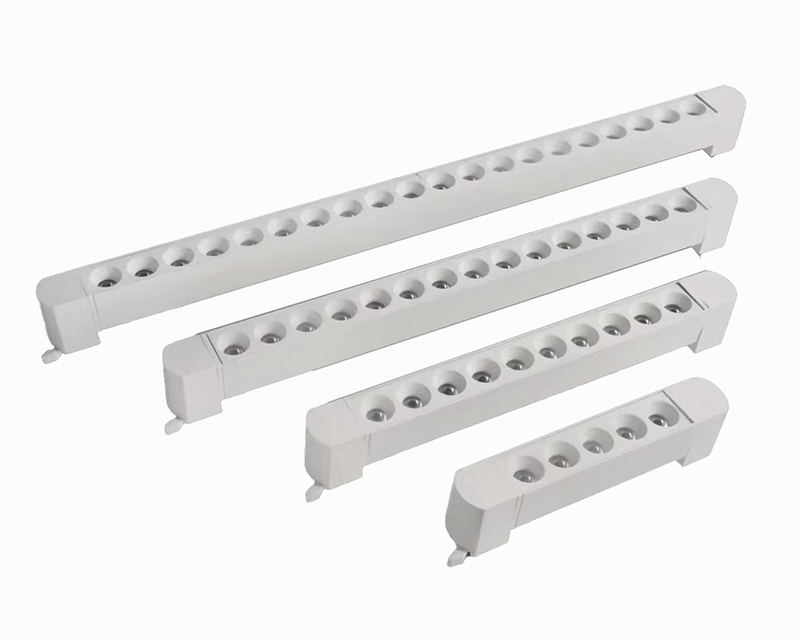
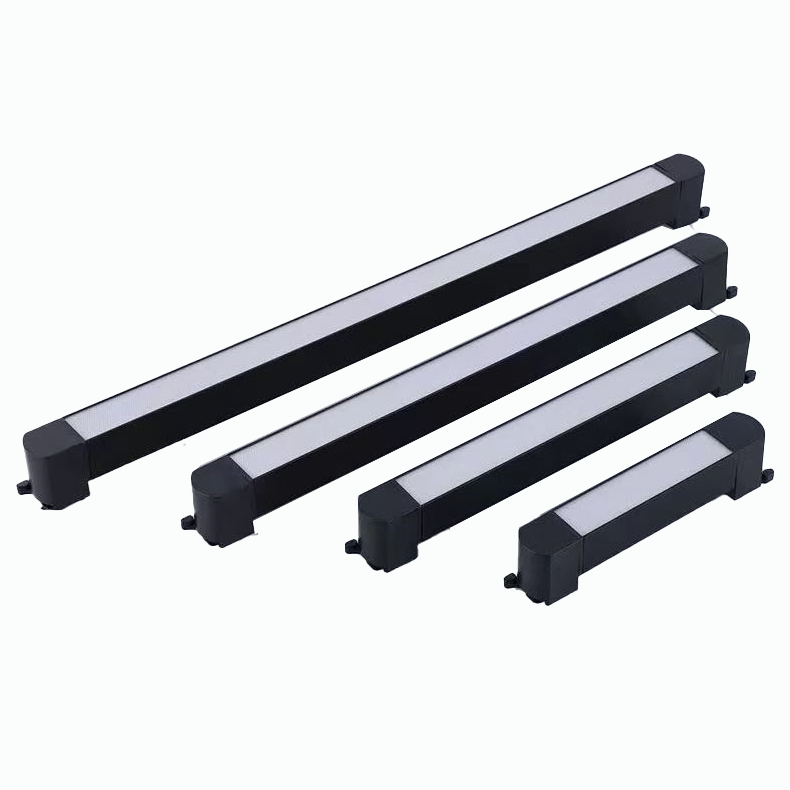
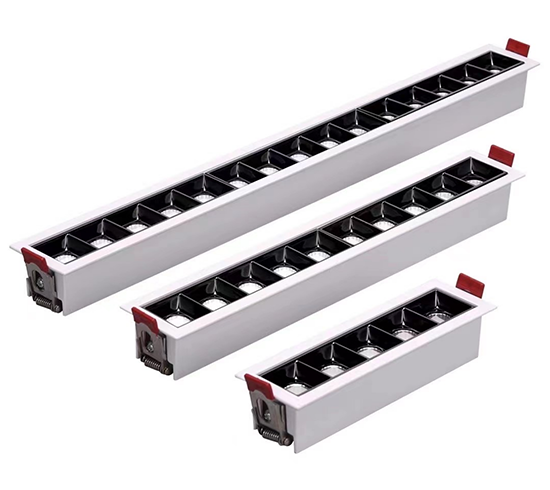
An LED DownLight is a light fixture installed into a ceiling. It uses efficient led technology to cast illumination in a downward direction. The increasing adoption of these led light fixtures by consumers and businesses mirrors the rapid expansion seen by led light manufacturers globally. The market's significant growth is projected to continue.
Metric | Value |
|---|---|
Market Size in 2024 | USD 88.17 billion |
Projected Market Size by 2030 | USD 134.71 billion |
CAGR (2025-2030) | 7.8% |
An LED DownLight Manufacturer produces various types of led downlights. These downlights are categorized by installation, adjustability, and design to suit specific lighting applications.
What Are LED Downlights? A Core Definition
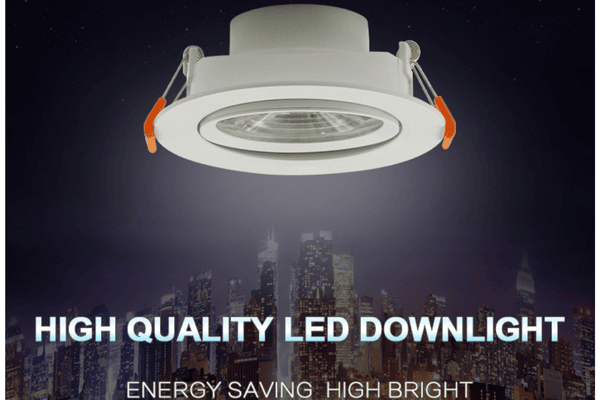
At its core, an LED downlight is a luminaire engineered for a specific purpose. It combines a fundamental fixture design with advanced solid-state lighting technology. Understanding both aspects reveals why these lights are a preferred choice for modern residential and commercial spaces.
The Basic Concept
The physical form and function of downlights define their primary application in any environment. Their design is simple yet highly effective for delivering controlled illumination from above.
Recessed Ceiling Installation
Most downlights are designed for recessed installation. This means the main body of the fixture sits hidden within a ceiling cavity. Only the trim and lens are visible from below. This creates a clean, minimalist aesthetic that integrates seamlessly into the architecture. These recessed downlights offer an unobtrusive lighting solution.
Directional Downward Light
The name "downlight" accurately describes the fixture's function. It casts a beam of light directly downward. This focused directionality makes the fixtures perfect for general ambient lighting in a room or for targeted task lighting over a specific area, such as a kitchen island or a workspace.
The Role of LED Technology
The integration of Light Emitting Diodes (LEDs) transforms a standard downlight into a highly efficient and durable lighting instrument. The LED is not just a bulb; it is a semiconductor device that produces light through a process called electroluminescence.
How an LED Creates Light 💡 An LED generates light when electrical current passes through its semiconductor material.
Free electrons move from a negatively charged layer to a positively charged layer.
These electrons fall into lower energy orbitals, releasing their excess energy.
This released energy takes the form of photons, which are particles of light.
The semiconductor material determines the photon's frequency and, therefore, its visible color.
Energy Efficiency Benefits
The primary advantage of LED technology is its exceptional energy efficiency. LED downlights convert 80% to 90% of electrical energy directly into visible light, minimizing wasted heat. They use up to 80% less energy than traditional incandescent lamps to produce the same amount of brightness. This superior performance makes them a cornerstone of sustainable building design and helps lower electricity costs significantly.
Long Lifespan Explained
Another key benefit is an incredibly long operational life. The solid-state nature of an LED means it has no filaments to burn out or fragile glass to break. This durability results in a remarkable lifespan. The long-term energy-efficiency makes these fixtures a cost-effective investment.
Light Source | Average Lifespan |
|---|---|
LED | |
Compact Fluorescent (CFL) | 7,000–15,000 hours |
Incandescent | 1,000–2,000 hours |
An LED fixture can last up to 50 times longer than an incandescent bulb and five times longer than a CFL. This extended lifespan dramatically reduces the frequency of replacements, saving on maintenance labor and material costs over time.
Exploring Types of LED Downlights by Installation
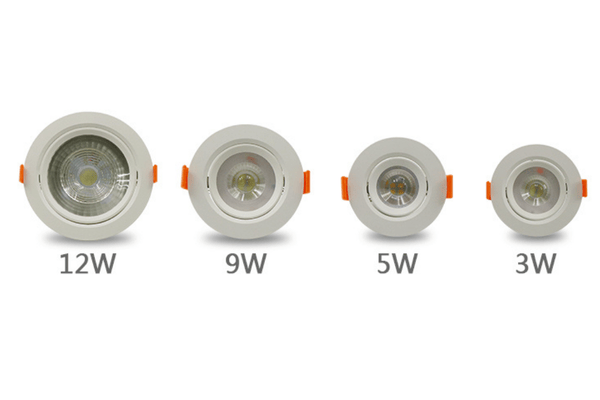
The installation method is a primary factor that defines the different types of led downlights. A fixture's mounting style determines its visual impact, application, and installation requirements. The three main categories are recessed, surface-mounted, and pendant.
Recessed Downlights
Recessed downlights are the most common choice for a clean, modern look. The main housing of the fixture installs inside the ceiling cavity, making it a popular option for new construction and major renovations.
Flush-Mount and Minimalist Design
The key appeal of recessed downlights is their minimalist aesthetic. The fixture sits flush with the ceiling surface, creating an uncluttered architectural plane. Advanced 'trimless' platforms allow a fixture to be mudded directly into the plaster, making the light source appear to emerge organically from the surface. This sophisticated approach is popular in many settings.
Luxury Homes: Designers use them to light kitchen countertops and wash bedroom walls with soft, ambient light from an unseen source.
Commercial Spaces: Art galleries use them for precise illumination, while corporate offices create a sophisticated, uncluttered environment.
Ceiling Clearance Requirements
A successful installation of recessed downlights depends on adequate space above the drywall. The fixture housing and its driver require clearance within the ceiling joists. The cost can also vary significantly based on the project's complexity.
Downlight Type | Installation Type | Cost per Fixture |
|---|---|---|
Recessed (Retrofit) | DIY (Fixture Only) | $20 - $30 |
Recessed (Canless) | Professional (Fixture + Labor) | $200 - $400 |
Surface-Mounted | DIY (Fixture Only) | $25 - $150 |
Surface-Mounted Downlights
Surface-mounted downlights offer a versatile solution when recessed installation is not feasible. These fixtures attach directly to the surface of the ceiling.
Mounting on Solid Ceilings
These downlights are the ideal choice for solid structures like concrete slabs, exposed beams, or ceilings with minimal clearance. Their straightforward installation makes them suitable for a wide range of applications. They provide excellent illumination in:
Residential kitchens and hallways
Retail stores and boutiques
Offices and workspaces
Healthcare facilities
Visible Fixture Aesthetics
Unlike their recessed counterparts, surface-mounted downlights are visible and become part of the room's decor. Manufacturers offer fixtures in various styles, from minimalist cylinders to bold geometric shapes. The sleek profiles of modern surface-mounted downlights integrate seamlessly into minimalist, industrial, and contemporary designs, making the lighting a key aesthetic element. These visible led downlights add character and definition to a space.
Pendant Downlights
Pendant downlights combine the directional lighting of downlights with the decorative presence of a suspended fixture. They offer both functional and aesthetic benefits.
Suspended from the Ceiling
These fixtures hang from the ceiling by a cord, stem, or chain. This suspension brings the light source closer to the target area, making them highly effective for specific applications. The hanging design adds a vertical element to a room's composition.
Task and Decorative Lighting
Pendants excel at providing focused task lighting.
Tip: Suspending pendant downlights over a kitchen island or conference table provides concentrated illumination that reduces eye strain. In open-plan offices, they can visually define different work zones.
Beyond function, these led fixtures add character and enhance the aesthetic appeal of a space, moving beyond sterile utility to become a decorative focal point.
Understanding Downlights Based on Adjustability
Beyond installation, the adjustability of a fixture is a critical factor that defines different types of led downlights. This characteristic determines how the light is directed and its primary function within a space. The main categories are fixed, adjustable, and wall washer downlights.
Fixed (Static) Downlights
Fixed downlights are the most straightforward option. Their internal components are held in a static position, directing light in a single, unchanging direction.
Straight Downward Illumination
These fixtures cast a uniform cone of light directly downward from the ceiling. Their simple, no-fuss design makes them a reliable choice for consistent illumination. The primary purpose of these led downlights is to provide a broad, even layer of light without any directional flexibility.
Ideal for General Ambient Light
Fixed downlights excel at creating general ambient lighting for an entire room. They are a popular and cost-effective solution for hallways, living areas, and bedrooms. While they offer many benefits, it is important to consider their limitations.
Advantages: The led technology ensures high energy efficiency and a long lifespan. These fixtures generate minimal heat and do not contain harmful materials like mercury. They also avoid attracting insects because they do not emit UV or IR rays.
Disadvantages: The initial cost can be higher than traditional options. Dimming capabilities may require specific, compatible hardware. Improper shielding can also contribute to light pollution in outdoor applications.
Adjustable (Gimbal) Downlights
Adjustable downlights, often called gimbal downlights, provide dynamic lighting control. They feature a mechanism that allows the user to pivot and rotate the light source within its housing.
Pivoting Head for Directional Light
The core feature of adjustable downlights is a head that can be aimed. Many models offer a significant range of motion, such as a 35-degree tilt and a full 360-degree rotation. This flexibility allows users to direct the beam of light precisely where it is needed, moving beyond simple downward illumination.
Perfect for Accent Lighting
The directional control of adjustable downlights makes them perfect for accent lighting. Users can highlight specific objects or architectural elements, such as artwork, a fireplace mantel, or textured walls. This precise aiming creates visual interest and depth in a room. The controlled beam from these adjustable downlights accentuates features without creating harsh shadows or unwanted light spill.
Wall Washer Downlights
Wall washers are a specialized category of adjustable downlights engineered for a unique purpose. They are designed to illuminate vertical surfaces smoothly and evenly.
Asymmetrical Light Distribution
Wall washer downlights achieve their effect through advanced optics that produce an asymmetrical beam of light. The fixture includes an internal "kicker" reflector or a specially shaped lens. This design directs the majority of the light output sideways toward an adjacent wall rather than straight down.
Evenly Illuminating Vertical Surfaces
This asymmetrical throw creates a uniform "wash" of light from the ceiling down to the floor. High-performance optics ensure a flat, even field of light, which makes a room feel more spacious and bright. This technique effectively highlights feature walls, conceals surface imperfections, and draws attention to textures. Proper spacing ensures the light from multiple fixtures blends seamlessly, eliminating distracting hot spots.
A Guide to Form Factor and Profile Types
The physical construction, or form factor, of a downlight significantly influences its installation and application. This profile determines the fixture's relationship with the ceiling structure. The two dominant categories in the market are the traditional standard profile and the modern slim profile.
Standard Profile (Can-Style)
Standard profile downlights, commonly known as can-style or pot lights, represent the classic approach to recessed lighting. These fixtures consist of a separate housing (the "can") and a light module or trim.
Traditional Housing Design
The defining feature of this type is its metal housing, which electricians install into the ceiling frame. The size of these downlights—such as 4-inch or 6-inch—refers to the approximate inner diameter of this can. The housing also has a specific height, requiring adequate vertical clearance above the drywall.
Downlight Size | Inside Diameter (trim removed) | Standard Housing Height | Shallow Housing Height | Standard Ceiling Cut-out Size |
|---|---|---|---|---|
4-inch | Approximately 4 inches | 5-1/2 inches | 3-1/2 inches | 4-3/8 inches |
5-inch | Approximately 5 inches | 7-1/2 inches | 5-1/2 inches | 5-5/8 inches |
6-inch | Approximately 6 inches | 7-1/2 inches | 5-1/2 inches | 6-3/8 inches |
Installers must choose between standard and shallow housings based on the space available between ceiling joists.
Best for New Construction
Can-style fixtures are an excellent choice for new construction projects. During this phase, the ceiling joists are exposed, making it simple to mount the bulky housings securely. This planned approach ensures proper placement and support for the entire lighting system before the drywall is installed.
Slim Profile (Canless or Wafer)
Slim profile downlights, also called canless or wafer lights, are a modern innovation that revolutionizes recessed lighting installation. They merge the light source and trim into a single, ultra-thin unit.
Ultra-Thin Integrated Design
These fixtures eliminate the need for a traditional can housing. The slim led module, often less than an inch thick, contains the integrated light source. It connects to a small, remote junction box that houses the driver. This compact, two-part system offers incredible installation flexibility.
Solutions for Tight Ceiling Spaces
The minimal depth of canless led downlights makes them an ideal problem-solver, especially in renovations and areas with restricted space.
Pro Tip: 💡 Canless fixtures are perfect for basements with low head-clearance or for retrofitting lights into a floor where plumbing and ductwork obstruct the ceiling cavity.
Their design provides several key advantages for challenging installations:
They fit into very shallow ceiling cavities where a traditional can would not.
Installers can easily place them around obstacles like pipes, wires, or framing.
Spring-loaded clips secure the fixture directly to the drywall, removing the need for joist mounting.
Their IC-rating allows them to have direct contact with insulation, simplifying installation in insulated attics.
Key Light Output Specifications for LED Downlights
Selecting the right led downlight involves more than just its physical form. Key light output specifications determine the quality and character of the illumination. Understanding beam angle, color temperature, and color rendering index is essential for achieving the desired lighting effect and level of brightness.
Beam Angle Explained
The beam angle measures the spread of light from a fixture. It dictates how focused or broad the cone of illumination will be. A downlight's beam angle directly impacts its function, determining whether it provides targeted accent light or wide ambient coverage. The perceived brightness can change based on the angle.
Beam Type | Standard Angle Range |
|---|---|
Narrow Beam | 15°–30° |
Medium Beam | 30°–60° |
Wide Beam | 60°–120° |
Narrow Beams for Spotlighting
Downlights with a narrow beam angle, typically under 30 degrees, produce a concentrated, high-intensity beam. This focused brightness is perfect for spotlighting. Homeowners and designers use it to draw attention to artwork, architectural details, or decorative objects. The sharp contrast creates dramatic visual interest. This focused brightness is a key feature.
Wide Beams for Flood Lighting
Fixtures with a wide beam angle, often exceeding 60 degrees, cast light over a large area. This creates a soft, diffuse illumination known as flood lighting. These downlights are ideal for general ambient light in hallways, living rooms, and open-plan offices. Multiple wide-beam fixtures provide an even layer of brightness with minimal shadowing. The overall brightness is distributed evenly.
Color Temperature (CCT)
Correlated Color Temperature (CCT) describes the color appearance of the light emitted by an led source. Measured in Kelvin (K), CCT defines whether the light appears warm (yellowish) or cool (bluish). The right CCT sets the mood of a space and affects the perceived brightness.
Room Type | Recommended CCT (Kelvin) |
|---|---|
Living Rooms | 2000K - 3000K |
Kitchens | 3000K - 4000K |
Offices | 4000K - 6000K |
Warm White for Cozy Ambiance
CCT values between 2000K and 3000K produce a warm, yellowish-white light similar to a traditional incandescent bulb. This color range creates a cozy, inviting, and relaxing atmosphere. It is the preferred choice for residential living rooms, bedrooms, and dining areas. The warm brightness enhances comfort.
Cool White for Task-Oriented Spaces
CCT values from 4000K to 6000K emit a crisp, bluish-white light that mimics natural daylight. This cooler light enhances focus and alertness. It is ideal for task-oriented environments like kitchens, home offices, garages, and commercial workspaces where high visibility and brightness are crucial.
Color Rendering Index (CRI)
The Color Rendering Index (CRI) is a quantitative measure of a light source's ability to reveal the colors of objects faithfully in comparison with a natural light source. It is a critical specification for applications where color accuracy matters. The scale ranges from 0 to 100, with 100 representing perfect color rendition.
Measuring Color Accuracy
A high CRI value, typically 90 or above, indicates that the light source will render colors accurately and vibrantly. A low CRI can make colors appear dull, washed out, or distorted. Human eyes depend on a full spectrum of light to perceive colors correctly. The apparent brightness of colors is affected by CRI.
Why High CRI Matters
High CRI lighting is essential in many settings because it ensures colors appear as they should. This level of brightness and color fidelity is important.
A higher CRI value ensures that light displays colors in a vibrant and natural manner.
Professionals like makeup artists and painters rely on high CRI to make correct color choices.
Retailers use it to make products look more appealing, and restaurants use it to make food appear fresh.
Spaces with high CRI lighting often feel more inviting and natural, improving the overall brightness and quality of the environment.
Examining Essential LED Downlight Components
A high-performance led downlight is more than just a light source. It is a system of carefully engineered components working together. Understanding the light engine, driver, and trim reveals how these fixtures achieve their efficiency, longevity, and aesthetic appeal.
The LED Light Engine
The light engine is the heart of the fixture, containing the led chip that produces light. Manufacturers offer these engines in two primary configurations: integrated modules and retrofit modules.
Integrated vs. Retrofit Modules
Integrated modules are designed as a complete system, optimizing performance. Retrofit modules, often found in retrofit downlights, are designed to fit into existing housings. The choice between them involves trade-offs in cost, performance, and installation. These retrofit downlights offer a convenient upgrade path. However, integrated solutions often provide superior long-term value. The design of retrofit downlights prioritizes compatibility over peak efficiency. Many retrofit downlights are a good starting point for an led conversion.
Feature | Integrated LED Modules | Retrofit LED Bulbs |
|---|---|---|
Energy Efficiency | More energy-efficient due to optimized design and heat management. | Less energy-efficient as they must fit existing fixtures. |
Lifespan | Longer lifespan (50,000-100,000+ hours) from superior heat dissipation. | Shorter lifespan (25,000-50,000 hours) limited by fixture heat management. |
Light Quality | Better light quality, color consistency, and beam control. | Light quality can be inconsistent across different bulb and fixture combinations. |
Installation | More complex, often requiring a professional electrician. | Easier DIY installation by screwing into existing sockets. |
Heat Management | Superior heat management extends lifespan and maintains performance. | Relies on the existing fixture for heat dissipation, which can be a challenge. |
The Driver
The driver is a critical electronic component that regulates the power supplied to the led. It functions like a ballast for a fluorescent lamp, but with much greater precision.
Powering the LED
An led driver converts high-voltage alternating current (AC) from the wall outlet into the low-voltage direct current (DC) that the led chip requires. This conversion is essential for the stable operation and long life of the led.
Internal vs. External Drivers
Drivers can be built into the fixture (internal) or exist as a separate unit (external). External drivers offer significant advantages for performance and maintenance.
They provide better heat management by separating the heat-sensitive driver from the led.
Users can easily replace a failed external driver without replacing the entire fixture.
This configuration simplifies the integration of smart controls for dimming and automation.
The design allows for future upgrades, enhancing the system's adaptability.
The Trim
The trim is the visible portion of the downlight. It shapes the light beam and defines the fixture's appearance on the ceiling. Different trim types serve specific functional and aesthetic purposes.
Baffle Trim for Glare Reduction
Baffle trims feature a ribbed interior. These grooves absorb stray light, which reduces glare and creates a softer, more comfortable illumination. This design is ideal for general ambient lighting where minimizing eye strain is a priority.
Reflector Trim for Maximizing Light
In contrast, reflector trims have a smooth, polished interior surface. This design amplifies brightness by reflecting the maximum amount of light downward. It is perfect for task lighting and areas needing high light output, though it can produce more glare than a baffle.
Gimbal Trim for Adjustability
A gimbal trim houses the light in a pivoting mechanism. This allows the user to aim the light directionally, making it a functional component for adjustable downlights used in accent lighting.
Eyeball Trim for Directional Control
An eyeball trim offers even greater directional control. The light source sits in a ball-like housing that extends below the ceiling plane, allowing for a wide range of motion to highlight specific features.
Advanced Features and Ratings for Modern Downlights
Modern led downlights offer more than just basic illumination. They incorporate advanced technologies and safety ratings that expand their functionality and applications. These features provide greater control over lighting environments and ensure safe operation in specialized locations.
Dimmable LED Capabilities
Dimming is a standard feature in many modern led fixtures. It allows users to adjust light intensity, transforming the functionality and atmosphere of a space.
Creating Mood and Saving Energy
The ability to lower brightness helps create a specific mood, from bright and energetic to soft and relaxing. Dimming also provides significant energy efficiency benefits. Reducing a light's output directly lowers its power consumption, leading to cost savings over time.
Ensuring Dimmer Compatibility
Achieving smooth, flicker-free dimming requires a compatible dimmer switch. Mismatched hardware is a common issue because led technology differs from traditional lighting. An incompatible dimmer can cause numerous performance problems.
Flickering or Strobing: The light may pulse rapidly or flash rhythmically.
Drop-out: The light can suddenly turn off before reaching the lowest dimming level.
Ghosting: A faint glow remains even when the light is dimmed completely off.
Dead Travel: The light fails to respond to adjustments in certain parts of the dimmer's range.
Installers must verify that the dimmer is specifically designed for the load and voltage of the led downlights.
Smart LED Downlights
Smart downlights integrate wireless technology, allowing for sophisticated control and automation through a connected ecosystem.
Control via Wi-Fi or Bluetooth
These fixtures connect to a home network via Wi-Fi or directly to a mobile device using Bluetooth. This connectivity enables remote operation, scheduling, and integration with other smart devices without requiring complex wiring.
Voice and App Integration
Users can control smart downlights through dedicated mobile apps or voice commands. These systems are compatible with major smart home platforms.
Apple HomeKit
Any Matter-capable platform
This integration allows for advanced automation routines. For example, a motion sensor can trigger lights to turn on when someone enters a room and off when they leave. A doorbell camera detecting motion can make lights flash a specific color as a security alert.
Location Ratings
Manufacturers assign specific ratings to downlights to indicate where they can be safely installed. These ratings are crucial for areas exposed to moisture.
Damp-Rated for Bathrooms
Damp-rated fixtures are designed for areas with humidity and condensation but no direct water contact. This makes them suitable for a bathroom outside of the shower enclosure, in covered patios, and in basements.
Wet-Rated for Showers and Outdoors
Wet-rated downlights are built to withstand direct exposure to rain, snow, or water spray. Their sealed construction makes them the required choice for installation inside a shower, over a bathtub, and in unsheltered outdoor locations. Safety standards for a bathroom are strict and define specific zones for installation.
Bathroom Zone | Description | Minimum IP Rating | Voltage Requirement |
|---|---|---|---|
Zone 0 | Inside the bath or shower | IP67 | Max 12V |
Zone 1 | Above bath/shower up to 2.25m | IP44 (IP65 recommended) | - |
Zone 2 | 0.6m outside bath/shower perimeter up to 2.25m | IP44 | - |
Outside Zones | Areas beyond Zones 0, 1, and 2 | IP20 (advisable) | - |
Safety First ⚠️ All electrical circuits in wet locations must have Ground Fault Circuit Interrupter (GFCI) or Residual Current Device (RCD) protection. A qualified electrician should always perform installations to ensure compliance with local codes.
Downlights are versatile ceiling fixtures that direct efficient led light downward, offering a clean aesthetic. The primary types include recessed downlights, adjustable downlights, and various surface-mounted downlights. Choosing the right fixture involves matching these types with specific needs for beam angle and color. Future trends for surface-mounted downlights and other models point toward greater control and design flexibility.
Human-Centric Lighting: Systems will increasingly sync with circadian rhythms to improve well-being.
Tunable White Light: Users can adjust color temperature to suit different activities.
Wireless Controls: Smart integration allows for advanced automation and remote management.
FAQ
How many downlights are needed for a room?
The required number of downlights depends on room size, ceiling height, and fixture brightness (lumens). A common guideline suggests spacing fixtures 1.5 to 2 times their beam angle width apart. For general ambient light, this often translates to one fixture for every 25 square feet.
Can you install downlights in any ceiling?
Recessed downlights require clearance for housing. However, alternatives exist for challenging ceilings.
Surface-mounted fixtures work on solid concrete.
Slim profile (canless) models are perfect for tight spaces with obstructions like pipes or ducts.
What is the difference between lumens and watts?
Lumens measure a light's brightness, while watts measure its energy use. An efficient led fixture produces high lumens with low wattage. When selecting lights, people should prioritize the lumen output to ensure adequate brightness for the space.
Are all LED downlights dimmable?
No, not all models are dimmable. The product specifications will clearly state this capability. Users must pair dimmable led downlights with a compatible dimmer switch. This pairing prevents performance issues like flickering or buzzing and ensures smooth operation.
What does an IC rating mean for downlights?
An "Insulation Contact" (IC) rating is a critical safety feature. It certifies that the fixture can be installed in direct contact with ceiling insulation without creating a fire hazard. Non-IC rated fixtures require a clearance box around them.
How do you choose the right color temperature?
Color temperature (CCT) sets the mood of a room.
Warm White (2700K–3000K): Creates a cozy, relaxing feel for living rooms and bedrooms.
Cool White (4000K–5000K): Provides crisp, energizing light ideal for kitchens, bathrooms, and offices.
What is a retrofit downlight?
A retrofit downlight is an all-in-one module designed to fit inside an existing can-style housing. It provides a simple way to upgrade older, inefficient incandescent or CFL fixtures to modern, energy-saving led technology without replacing the entire housing.